
The True Total Cost of Owning a POS System: What Nigerian Retailers Are Not Being Told
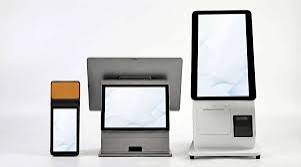
The price tag on the box is never the real price. Every retail business owner who has gone through the process of setting up a POS system eventually learns this — usually after the third or fourth unexpected bill hits.
You see the headline number. Maybe it is ₦50,000 for a terminal. Maybe it is "free hardware" tied to a subscription. It sounds reasonable. You sign up. And then, over the next six months, the real cost of ownership quietly assembles itself: monthly leases, proprietary payment contracts, mandatory software upgrades, support fees, replacement charges, and transaction percentages you did not read carefully enough in the terms and conditions.
This is not a Nigerian problem or a small business problem. It is a POS industry problem — and it is one that savvy retailers across Lagos, Kano, Abuja, and Port Harcourt are starting to push back on.
This guide breaks down the true total cost of owning a POS system — not the sticker price, but the full picture. By the end, you will know exactly what questions to ask before signing anything, and exactly what to avoid.
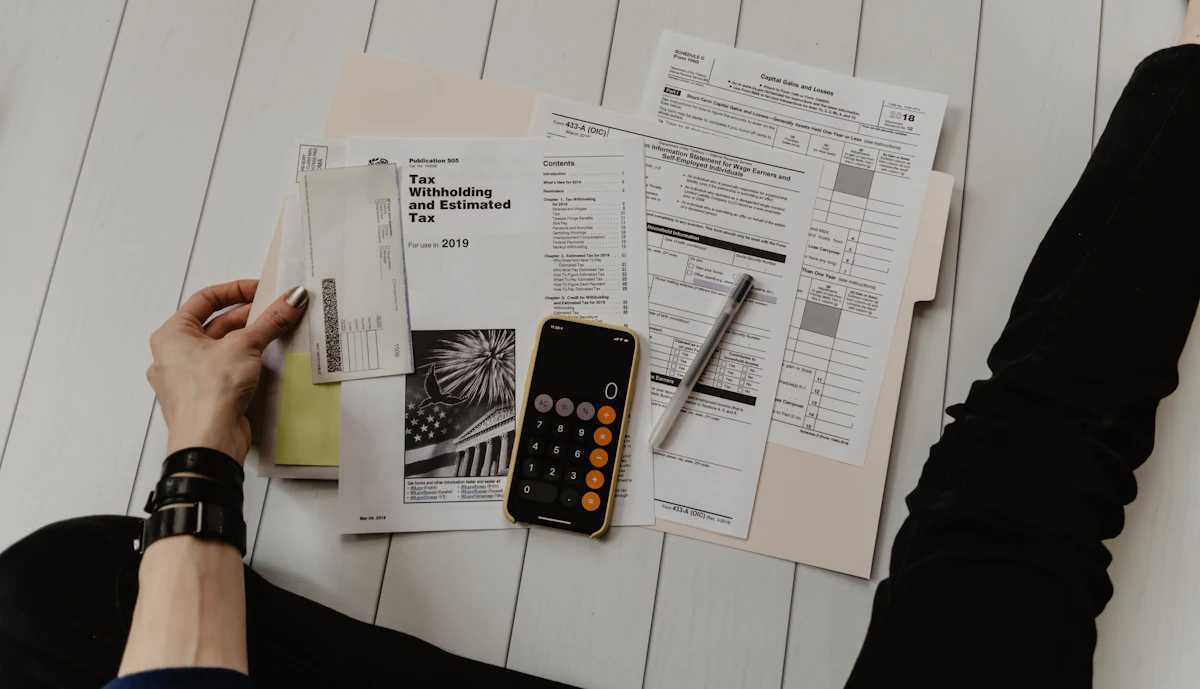
The true cost of a POS system goes far beyond what is printed on the box. Photo: Unsplash
Why "Total Cost of Ownership" Is the Only Number That Matters
Total Cost of Ownership — or TCO — is a concept that comes from enterprise procurement. It asks: not what does this cost to buy, but what does this cost to own over time?
For a POS system, TCO typically covers:
- Hardware purchase or lease cost
- Software subscription fees
- Payment processing fees per transaction
- Setup and installation costs
- Staff training
- Ongoing maintenance and support
- Hardware replacement cycles
- Data migration or exit fees if you switch providers
When you look at all of these together over a 12 or 24-month period, a system that appeared cheaper upfront can easily end up costing twice or three times as much as a more transparent alternative. According to research from Gartner, TCO analysis regularly reveals that the purchase price of technology represents less than 30% of the actual lifetime cost of ownership. The remaining 70% comes from the hidden operational costs most people never calculate.
For retail businesses operating on tight margins — as most supermarkets, pharmacies, and mini-marts in Nigeria do — this gap between perceived cost and real cost can be the difference between profit and loss. This is one of the most overlooked aspects when finding the right POS system in Nigeria.
The Hardware Price Trap: Purchase vs. Lease vs. "Free"
POS hardware comes in three common commercial structures — each with different cost implications.
Outright Purchase
You buy the terminal, receipt printer, barcode scanner, and cash drawer outright. You own the equipment. The advantage is that there is no ongoing lease obligation. The risk is that if the vendor discontinues that hardware line or changes their software, you may be forced into expensive upgrades or replacements anyway.
For a basic setup in Nigeria — a tablet or terminal, printer, and scanner — outright purchase costs can range from ₦80,000 to ₦250,000 depending on quality and source. This guide on POS hardware buying for Nigerian retailers walks through exactly what hardware you actually need — and what you do not.
Monthly Equipment Lease
Many POS providers — especially those bundling hardware with software — offer a "low monthly payment" that includes the terminal as part of a lease agreement. This feels affordable. But when you calculate the total payments over 24 or 36 months, you often end up paying 40–80% more than the hardware is actually worth — and you may not even own it at the end of the lease term.
Leasing is not inherently bad, but it needs to be evaluated honestly. Ask: what is the total amount paid over the full lease? Do I own the hardware at the end? What happens if I want to switch providers before the lease ends?
"Free Hardware" Offers
Perhaps the most seductive — and most dangerous — offer in the POS market. Free hardware almost always comes with strings attached. Those strings are usually called a proprietary payment processing contract.

"Free hardware" offers almost always come with long-term payment processing lock-in. Read every clause. Photo: Unsplash
The Proprietary Payment Processing Trap
This is where many businesses lose significant money — and often do not realize it for months.
Here is how the trap works: A POS vendor offers you hardware at a discount or for free. In exchange, you agree to process all payments exclusively through their payment processing system. That system charges you a percentage of every transaction — often between 1.5% and 3.5% per card swipe — with no option to switch to a cheaper processor.
At low transaction volumes, this seems fine. But as your business grows — which is the goal — those per-transaction fees compound into a very significant cost. Consider this scenario:
- Average daily card sales: ₦200,000
- Processing fee: 2.5%
- Daily processing cost: ₦5,000
- Monthly processing cost: ₦150,000
- Annual processing cost: ₦1,800,000
That is ₦1.8 million per year in payment processing fees alone — for a moderately busy shop. If a competing processor charges 1.5% instead of 2.5%, you are paying ₦720,000 more per year simply because your "free" hardware locked you into a proprietary contract.
This is the same dynamic that TechCrunch has reported on extensively in global fintech markets — and it applies directly to the Nigerian retail sector where payment volumes are rising fast with platforms like Paystack and Flutterwave expanding merchant services.
The smarter approach is to choose a POS software platform that is payment-processor agnostic — meaning you can connect it to whichever payment provider offers you the best rates. Your software should not dictate your payment economics.
Software Subscription Costs: What Is Actually Included?
Beyond hardware, the software subscription is the recurring fee most business owners focus on — and it is worth scrutinizing carefully.
Some POS platforms advertise a low monthly base fee but charge extra for features that should be standard: inventory management, staff accounts, reporting exports, multi-branch access, or customer data. By the time you add the features your business actually needs, your ₦2,000/month plan has become ₦8,000/month.
When evaluating a software subscription, ask:
- What is included in the base plan, and what costs extra?
- Is inventory management included or a paid add-on?
- How many staff accounts are allowed?
- Are audit logs and reporting tools included?
- Is there a fee for data exports?
- What happens to my data if I cancel?
SwiftPOS takes a transparent approach to pricing. All plans include clearly defined features — no hidden add-ons, no surprise charges. The Starter plan begins at ₦3,000/month, the Standard plan at ₦6,000/month, and the Pro plan at ₦12,000/month — each with a defined set of features that scale with your business needs.
At those price points, the software cost over a full year ranges from ₦36,000 to ₦144,000 — a fraction of what a single proprietary payment processing contract could cost you in hidden fees. And if you subscribe annually, you get one month free on any plan.

SwiftPOS gives you full visibility into your business performance — included in your plan, no extras required.
Support, Maintenance, and the Cost of Downtime
One of the most underestimated components of POS total cost of ownership is the cost of when things go wrong.
Hardware fails. Software has bugs. Networks drop. When your POS system goes down, every minute of downtime has a real financial cost. A shop processing ₦500,000 in daily sales that goes offline for two hours loses roughly ₦41,000 in that window — plus the customer goodwill that is harder to quantify.
Before committing to any POS system, understand:
Support Response Time
How quickly does the vendor respond to support issues? Is there a WhatsApp or phone line available during business hours? Some platforms offer 24/7 support only on premium tiers — leaving basic plan users to submit tickets and wait.
Hardware Warranty and Replacement
What is covered under warranty? If your terminal fails after 14 months, are you buying a new one at full price? Is there a swap program or extended coverage option?
Software Updates
Are software updates included in your subscription, or do major version upgrades come with an additional fee? Cloud-based systems like SwiftPOS push updates automatically — your system is always current without you doing anything.
The Shopify retail resources library and Forbes' POS evaluation guide both emphasize that support infrastructure is one of the biggest differentiators between enterprise-grade and budget POS systems — and for good reason.

Fast, accessible support is part of your total cost of ownership calculation — not an afterthought. Photo: Unsplash
The Hidden Cost of Switching: Exit Fees and Data Lock-In
One of the least discussed — but most significant — components of POS ownership cost is the cost of leaving.
Many POS providers make it deliberately difficult or expensive to switch to a competitor. This can happen in several ways:
- Data portability restrictions: Your transaction history, customer database, and product catalog are stored in a proprietary format that cannot be easily exported to another system.
- Contract termination fees: Hardware leases and bundled service contracts often include early termination penalties that can run into hundreds of thousands of naira.
- Non-transferable hardware: If your hardware is locked to a specific software platform, you may need to replace all of it when switching — adding significant capital cost to an already expensive transition.
Before committing to any system, always ask: can I export all my data in a standard format (CSV, Excel)? What are the penalties for leaving early? Is my hardware compatible with other software?
This is directly related to a broader pattern of how the best retailers in Nigeria evaluate POS systems differently from average shop owners — they look at the exit conditions before they look at the entry price.
SwiftPOS includes a Data Export feature across Standard and Pro plans, allowing you to pull your business data in exportable formats at any time. Your business data belongs to you.
Multi-Branch Operations: Where Hidden Costs Multiply
For businesses managing more than one location, TCO analysis becomes even more critical. Many POS platforms charge per-branch fees — meaning every additional location you open adds a recurring cost that may not have been clear when you first signed up.
On top of per-branch software fees, you also face:
- Additional hardware purchases or leases for each new location
- Separate payment processing contracts per branch
- Higher support tier requirements to cover distributed operations
- Data consolidation costs if your system does not natively support multi-branch reporting
If you are building a business that will scale across multiple locations — or if you already operate two or more branches — it is worth understanding what that growth will actually cost you in POS fees before you commit to a platform.
SwiftPOS's Pro plan at ₦12,000/month includes native multi-branch support, allowing you to manage unlimited locations under a single account with consolidated reporting. Compared to platforms that charge per-branch fees, this can represent a very significant long-term saving as your business grows. You can see the full breakdown of what is included at each tier on the SwiftPOS pricing page.
For context on what multi-branch retail management actually involves, this article explains the full picture: How SwiftPOS Works: A Complete Guide.
A Realistic TCO Comparison: What Two Years Actually Costs
Let us put some numbers on paper. Below is a simplified comparison of two hypothetical POS setups for a single-branch retail shop — one with a proprietary lock-in model, and one with a transparent, open model like SwiftPOS.
| Cost Component | Proprietary Lock-in Model | Transparent Model (SwiftPOS) |
|---|---|---|
| Hardware (24 months) | ₦180,000 (leased) | ₦80,000 (owned outright) |
| Software subscription (24 months) | ₦240,000 | ₦132,000 (Standard, annual billing) |
| Payment processing fees (24 months) | ₦3,600,000 (2.5% proprietary) | ₦2,160,000 (1.5% open processor) |
| Support / maintenance | ₦60,000 | Included |
| Total 24-month TCO | ≈ ₦4,080,000 | ≈ ₦2,372,000 |
The difference — over ₦1.7 million across two years — is largely invisible in the month-to-month view. But it is very real over time, and it compounds further as your sales volume grows.
This kind of cost analysis is exactly what separates business owners who scale sustainably from those who bleed money without realising it.
The Questions Every Retailer Should Ask Before Buying a POS System
Use this as your checklist before you sign any contract or make any payment:
- What is the total cost of hardware over 24 months — not just the monthly payment?
- Am I required to use a specific payment processor? What are their per-transaction fees?
- Can I switch payment processors freely, or does the hardware lock me in?
- What happens to my data if I cancel — can I export everything?
- Are there early termination fees on hardware leases or software contracts?
- Is inventory management, staff management, and reporting included, or do they cost extra?
- How many staff accounts does my plan include?
- What is the cost per additional branch?
- Is support included, and how fast is the response time?
- Are software updates included in the subscription?
Any vendor that is evasive, vague, or dismissive on any of these questions is telling you something important.
For a broader look at how different POS solutions stack up for Nigerian retailers, this comparison is worth reading: The 7 Best POS Systems for Small Businesses in Nigeria (2026).

Asking the right questions before you commit is worth more than any discount a vendor throws at you. Photo: Unsplash
Frequently Asked Questions
What is the total cost of ownership for a POS system in Nigeria?
Total cost of ownership includes hardware (purchase or lease), software subscription fees, payment processing fees per transaction, staff training, support costs, and any exit fees. Across 24 months, TCO for a typical Nigerian retail shop can range from ₦2 million to ₦5 million depending on the vendor model and sales volume.
Are there POS systems in Nigeria with no proprietary payment processing lock-in?
Yes. Some cloud-based platforms allow you to connect your preferred payment processor — meaning you are free to negotiate better rates or switch providers without replacing your POS software. This is an important feature to confirm before signing up.
Is leasing POS hardware a good idea for small businesses?
Leasing reduces upfront cost but increases total cost over the lease term. For a business just starting out with tight capital, leasing may make sense — but the terms must be clear, and you should understand what you own (if anything) at the end of the agreement.
What features should be included in a POS subscription without extra charges?
At minimum, a quality POS subscription should include sales processing, inventory management, basic reporting, staff accounts, and customer records — without add-on fees. Audit logs, P&L reports, and data export are features that vary by plan tier but should be clearly priced.
How does SwiftPOS pricing compare to other POS systems in Nigeria?
SwiftPOS offers plans starting from ₦3,000/month with clear feature sets at each tier — no hidden add-ons. The platform supports offline operations, inventory management, staff control, and multi-branch management at a transparent price. See the full breakdown at swiftpos.ng/pricing.
The Bottom Line: Price Is What You Pay, Cost Is What You Own
Warren Buffett's famous distinction — price is what you pay, value is what you get — applies perfectly to POS systems. But in this industry, there is a third layer: cost is what you actually end up spending once the fine print plays out.
The most expensive POS systems in Nigeria are not necessarily the ones with the highest sticker price. They are the ones with opaque hardware leases, mandatory payment processing contracts, add-on fees for basic features, and exit clauses that make switching painful and costly.
The best POS investment for your retail business is one where you can see the full picture from day one — and where the cost of ownership stays proportional to the value your business gets from using it.
Read more about protecting your shop's bottom line from the inside out: Your Shop Is Bleeding Money and Your Staff Might Be Holding the Knife. And if you are still in the process of evaluating options, the best cloud POS hardware guide for 2026 is a solid next read.
Know Exactly What You Are Paying For — From Day One
SwiftPOS offers transparent, predictable pricing with no hidden hardware fees, no proprietary payment lock-in, and no surprise add-ons. Every plan is designed to give your business what it actually needs — POS, inventory, staff management, and reporting — at a cost you can calculate and plan around.
- Starter — ₦3,000/month
- Standard — ₦6,000/month
- Pro — ₦12,000/month
🔗 See full plan details: swiftpos.ng/pricing
💬 Ask us anything on WhatsApp: +2349164601810
📖 Explore the features: swiftpos.ng/features
Subscribe annually and get 1 month free on any plan.
