
Top 7 POS Machines for Small Shops and Provision Stores in Nigeria
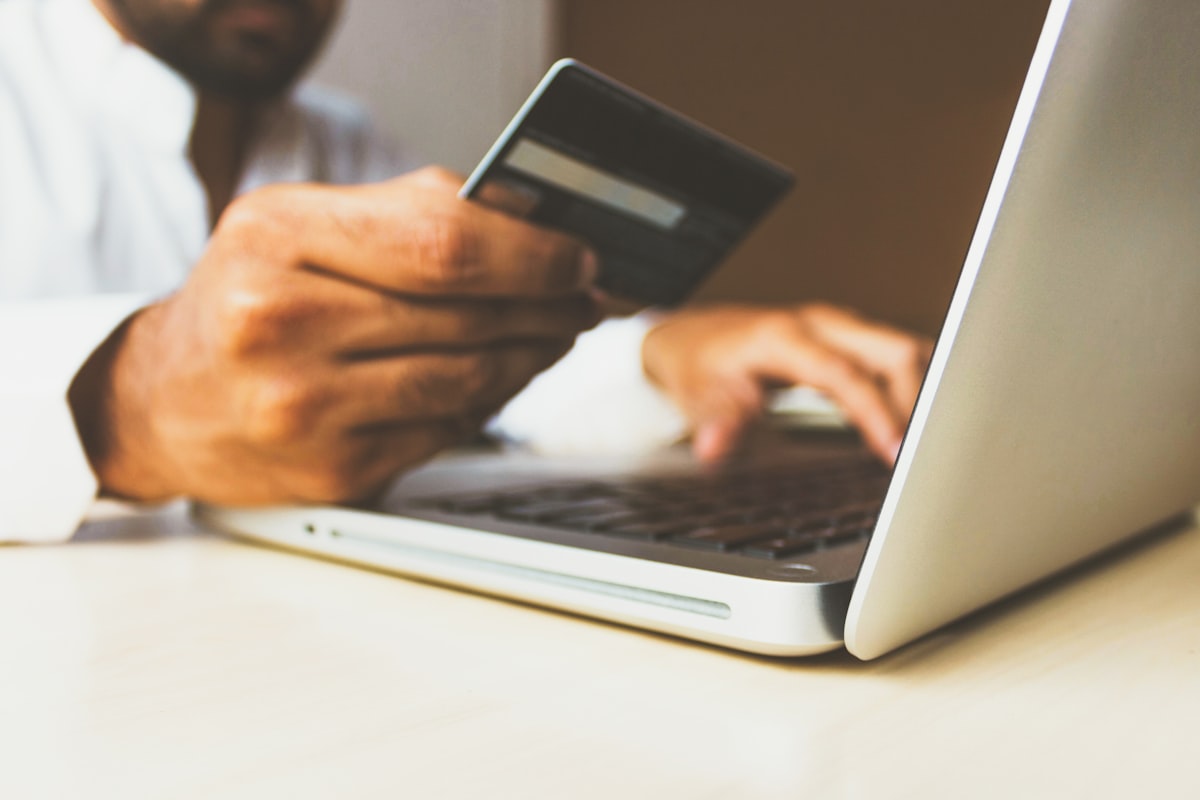
Walk into almost any provision store, corner shop, or small supermarket in Nigeria today and there's a good chance you'll see one of two things: a cashier doing mental arithmetic and scribbling into a notebook, or a blinking POS machine sitting on the counter. The gap between those two realities is wider than it looks.
Business owners who've made the switch to a proper POS setup consistently report the same things — faster checkout, less cash missing at the end of the day, better stock awareness, and a clearer picture of what's actually selling. The ones still running on notebooks are often losing money in ways they can't even see yet.
But here's the honest truth: not every POS machine is built for a provision store or a small neighbourhood shop. Some are overkill. Some are too stripped-down. Some lock you into payment processing fees with no real business management features. And some are genuinely great — affordable, practical, and powerful enough to transform how you run your shop day to day.
This guide covers the top 7 POS machines and setups worth considering for small shops and provision stores in Nigeria in 2026. We'll be honest about what each one is good for — and where it falls short.

For millions of provision store owners in Nigeria, the right POS setup changes everything.
What Should a Small Shop Look for in a POS Machine?
Before jumping into the list, it helps to know what actually matters for a provision store or small retail shop — because the criteria are different from what a large supermarket or hotel restaurant would need.
For small shops in Nigeria, the most important factors are:
- Affordability — both the device cost and any ongoing software fees
- Simplicity — your staff shouldn't need a week of training to use it
- Inventory tracking — not just payment processing, but knowing what stock you have
- Receipt printing — customers still want paper records
- Sales reporting — so you know your daily revenue without doing it manually
- Reliability — it needs to work during load shedding and patchy internet
With that in mind, here are the seven options worth your attention.
1. Android Tablet + Cloud POS Software
BEST OVERALL FOR SMALL SHOPS
This is the setup that's become the go-to for small and medium retail shops across Nigeria — and for good reason. A decent Android tablet (Samsung, Tecno, or Lenovo) running a cloud-based POS app gives you a full point of sale system for a fraction of the cost of a dedicated terminal.
You mount the tablet on a stand at your counter, pair it with a Bluetooth receipt printer and a USB barcode scanner, and you have a complete checkout setup. The cloud software manages your products, tracks your sales, updates your stock automatically, and generates your daily reports.
Device cost: ₦60,000 – ₦150,000 for a quality Android tablet
Software cost: Depends on the platform (SwiftPOS starts at ₦3,000/month)
Best for: Provision stores, mini-marts, cosmetics shops, small pharmacies
SwiftPOS note: SwiftPOS is designed specifically for this setup. It runs on Android, supports barcode scanners and Bluetooth printers, and gives you inventory management, sales reports, and staff controls — all in one cloud platform built for Nigerian retail.
2. Sunmi T2 Mini Smart POS Terminal
BEST DEDICATED ANDROID TERMINAL
The Sunmi T2 Mini is a purpose-built Android smart terminal that's gained serious traction in Nigerian retail over the last few years. It looks professional, it's compact enough for a small counter, and it runs Android — meaning you can install any compatible cloud POS app on it.
What makes it stand out is the built-in thermal printer at the base. You don't need to buy a separate receipt printer — it's already part of the device. That's one less thing to cable up, one less thing to go wrong.
Estimated cost in Nigeria: ₦180,000 – ₦280,000
Best for: Provision stores and small shops that want a clean, all-in-one terminal look
The main drawback is that Sunmi devices can be harder to find and service locally in some states outside Lagos and Abuja. Factor that into your decision.
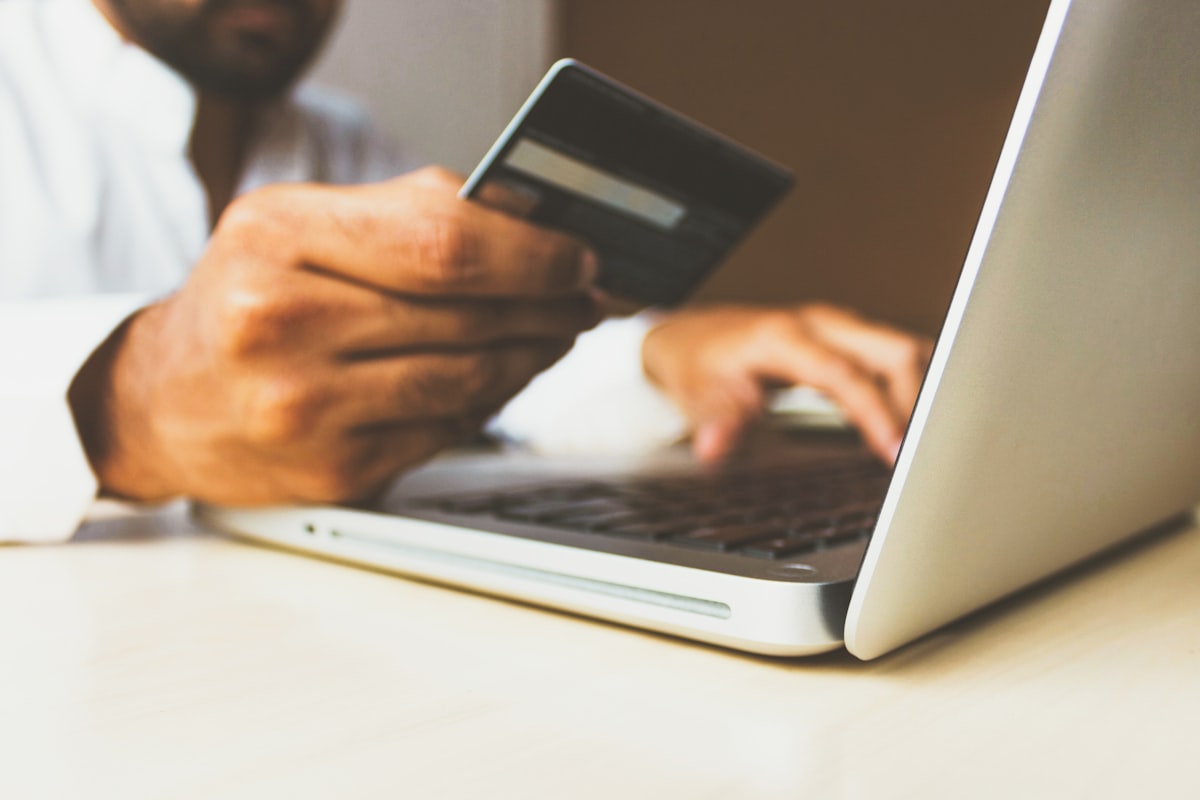
Dedicated Android smart terminals combine POS hardware and software in one clean device.
3. Moniepoint POS Terminal
BEST FOR PAYMENT-ONLY NEEDS
Moniepoint has become one of the most widely deployed POS networks for small businesses in Nigeria — and if you walk into a provision store today, there's a decent chance this is what's sitting on their counter. It's reliable, it's widely supported, and getting one is relatively easy.
However, it's important to understand what Moniepoint POS actually is: it's a payment terminal, not a business management system. It processes debit card payments and bank transfers. It does not track your inventory, manage your products, monitor staff, or generate profit and loss reports.
If your shop is already managing its business well elsewhere and you just need to accept card payments — Moniepoint works. But if you want your POS to also run your business intelligence, you'll need more than this.
Device cost: Often subsidised or free with a Moniepoint business account
Transaction fees: Apply per transaction
Best for: Shops that primarily need card payment acceptance
4. OPay POS Terminal
POPULAR PAYMENT TERMINAL OPTION
OPay's POS terminal is another widely used payment device in Nigerian small businesses. Like Moniepoint, it's focused on processing payments — card transactions, USSD transfers, and mobile money. OPay has built a strong agent network and the terminal is accessible to small business owners across the country.
The same limitation applies here as with Moniepoint: it's a payment tool, not a complete retail management system. You won't get inventory updates, sales breakdowns by product, or staff activity logs from an OPay terminal. It complements a POS system — it doesn't replace one.
Best for: Shops that want an additional payment acceptance device alongside their main POS setup
5. PAX A920 Pro Android Terminal
BEST COMPACT SMART TERMINAL
The PAX A920 Pro is a handheld Android smart terminal that punches well above its size. It has a 5.5-inch touchscreen, a built-in receipt printer, a barcode scanner, 4G connectivity, and Wi-Fi — all in a device small enough to hold in one hand.
For a provision store with limited counter space, this is an elegant solution. Because it's Android-based, you can run a cloud POS application on it and have a fully functional business management system in a handheld device.
The PAX A920 Pro is particularly useful for shops that want mobility — taking orders or processing sales away from a fixed counter, at a market stand, or during events.
Estimated cost in Nigeria: ₦200,000 – ₦320,000
Best for: Shops with limited counter space, mobile selling environments

The right terminal makes checkout faster and gives your cashier confidence at the counter.
6. iMin M2 Compact Smart POS
RISING OPTION FOR SMALL RETAIL
iMin is a Chinese Android POS hardware brand that's been gaining ground in African retail markets, including Nigeria. The M2 is their compact desktop model — a small footprint, 5.5-inch screen, built-in thermal printer, and Android OS that supports third-party POS apps.
It's slightly more affordable than the Sunmi T2 Mini while offering a similar value proposition: an all-in-one Android terminal with a built-in printer that looks professional on a small shop counter. If you're comparing it against buying a tablet + stand + separate printer, the pricing often works out similarly — but the iMin is tidier and more purpose-built.
Estimated cost in Nigeria: ₦150,000 – ₦230,000
Best for: Provision stores and mini-marts looking for an affordable all-in-one terminal
7. Laptop or Desktop PC with a POS App
PRACTICAL FALLBACK FOR EXISTING HARDWARE
This one often surprises people — but if you already have a laptop or desktop computer in your shop, you may already have the hardware you need. Cloud-based POS platforms including SwiftPOS run through a web browser, meaning any computer with a decent internet connection can function as a POS terminal.
Pair it with a USB barcode scanner and a Bluetooth receipt printer, and your existing computer becomes a fully functional point of sale and business management system. No new hardware investment needed to get started.
This isn't the most elegant solution — a laptop at a checkout counter isn't ideal for customer-facing interactions — but for a shop owner who already has a PC and wants to start tracking sales and inventory immediately, it's a practical entry point. You can upgrade to a tablet or dedicated terminal later once you've seen the value the software delivers.
Hardware cost: ₦0 (using existing equipment)
Best for: Shop owners who want to test cloud POS software before investing in new hardware
What Software Should You Run on These Devices?
For items 1, 2, 5, 6, and 7 on this list — the Android-based and web-accessible setups — the software you choose determines 80% of the value you get from your POS setup. Hardware is just the vessel.
The questions to ask when choosing POS software for a small Nigerian shop are practical ones: Does it track inventory automatically with every sale? Does it let you manage staff logins and access? Does it produce a daily report without you having to calculate anything? Does it handle customer credit — which is very common in provision stores? And is it priced in a way that makes sense for a small business in Nigeria?

SwiftPOS Today Dashboard — every sale tracked in real time, no manual tallying at end of day.
SwiftPOS is built around those questions. It's a cloud-based platform designed specifically for retail businesses in Nigeria — covering sales processing, inventory management, customer credit, staff tracking, and daily/monthly reporting. Plans start at ₦3,000/month, which for most provision stores is the equivalent of a few bags of rice in monthly operating costs.
The Starter plan covers a small shop with up to 2 staff. The Standard plan at ₦6,000/month adds barcode POS, full P&L reports, audit logs, and support for up to 5 staff. The Pro plan at ₦12,000/month is for larger shops and multi-branch businesses.
You can see the full breakdown at swiftpos.ng/pricing.
Quick Comparison at a Glance
| POS Option | Approx. Cost | Business Mgmt | Best For |
|---|---|---|---|
| Android Tablet + Cloud POS | ₦60k–₦150k | ✅ Full | All small shops |
| Sunmi T2 Mini | ₦180k–₦280k | ✅ Full (with app) | Neat counter setups |
| Moniepoint Terminal | Free / subsidised | ❌ Payment only | Card payments only |
| OPay Terminal | Free / subsidised | ❌ Payment only | Card payments only |
| PAX A920 Pro | ₦200k–₦320k | ✅ Full (with app) | Mobile / compact setups |
| iMin M2 | ₦150k–₦230k | ✅ Full (with app) | Budget all-in-one |
| Laptop / Desktop PC | ₦0 (existing) | ✅ Full (via browser) | Getting started quickly |
Common Questions from Small Shop Owners
Do I really need a POS machine if my shop is small?
Yes — especially because your shop is small. Manual record keeping works until it doesn't, and by the time you notice the gaps (missing cash, unknown stock shortages, no idea which products are actually profitable), the losses have usually been building for months. A POS system gives you visibility from day one.
What's the difference between a payment POS and a retail POS?
A payment POS (like Moniepoint or OPay) only processes card and mobile payments. A retail POS manages your entire business — products, inventory, sales, staff, customers, and reports. For a provision store, you want a retail POS. A payment terminal can be an add-on for accepting card payments.
Can I use a POS system without constant internet?
Cloud POS systems generally need internet to sync data. However, good platforms like SwiftPOS are built to handle brief outages — continuing to record sales locally and syncing once the connection returns. For areas with very unreliable internet, a mobile data backup router (separate SIM) is a simple and effective solution.
Can my provision store track customer credit with a POS?
This is one of the most common needs for provision stores in Nigeria — giving credit to regular customers and tracking who owes what. SwiftPOS has a built-in customer credit system that lets you record, track, and manage customer balances directly from your POS.

More Nigerian shop owners are moving from notebooks to cloud POS — and not looking back.
Which One Should You Start With?
If you're setting up a provision store or small shop for the first time and working with a realistic budget, the Android tablet + cloud POS software combination is where to start. It's affordable, flexible, and gives you everything a small retail business actually needs — without locking you into proprietary hardware or expensive service contracts.
If your budget allows and you want something that looks cleaner on the counter, the iMin M2 or Sunmi T2 Mini are worth considering — both are Android-based, support cloud POS apps, and come with built-in printers.
And if you already have a payment terminal from Moniepoint or OPay sitting on your counter — keep it for card transactions, but pair it with a proper cloud POS system so your business management is actually happening. One without the other leaves too much in the dark.
Ready to run your shop properly?
SwiftPOS is built for provision stores, mini-marts, and small retail shops across Nigeria. Track every sale, manage your stock, handle customer credit, and see your numbers clearly — starting from ₦3,000/month.
👉 See all plans at swiftpos.ng/pricing
💬 Message us on WhatsApp: +2349164601810
🎁 Get 1 month free when you subscribe on any annual plan.
