
Why Every Retail Shop in Nigeria Needs Proper Record Keeping in 2026 — And How a POS System Makes It Effortless
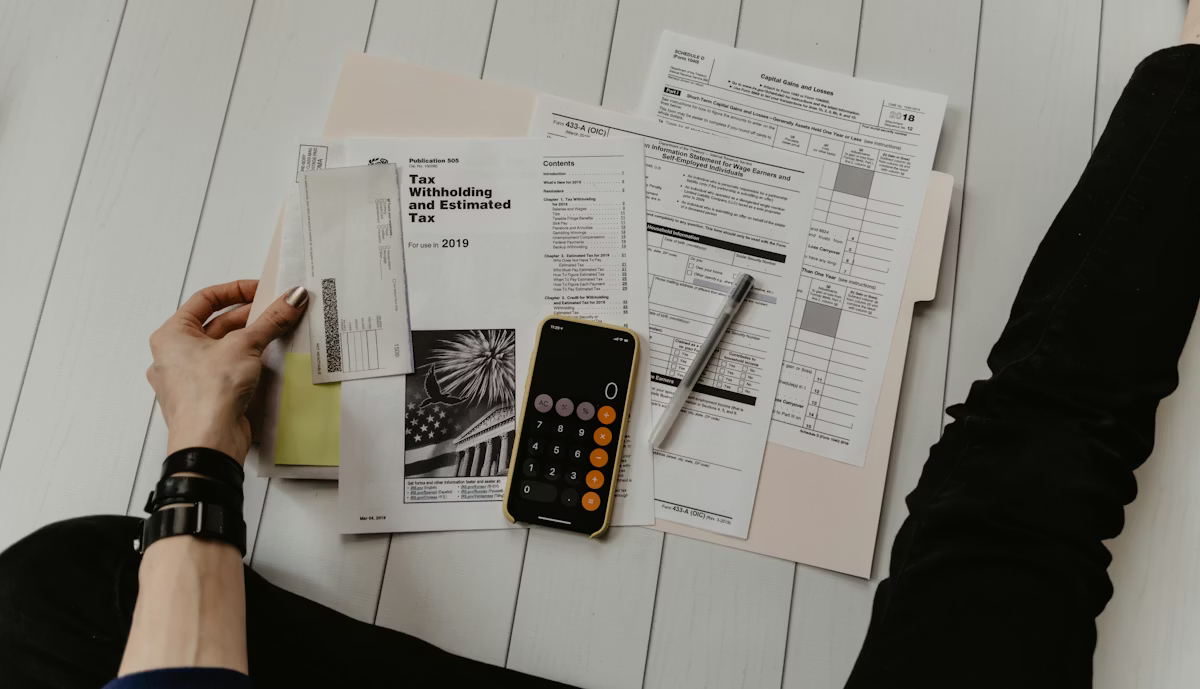
There is a quiet revolution happening in Nigerian business right now — and most shop owners are not ready for it. Nigeria's new tax framework, which took full effect in 2026, is pushing the country's entire tax system away from manual, paper-based records toward digital, verifiable, and traceable business data. What that means practically is simple: the way you kept records yesterday is no longer good enough for what's coming tomorrow.
But here's the thing — even without a single new regulation, proper record keeping was already the difference between retail businesses that grow and ones that slowly bleed out. The new rules just made it urgent rather than optional.
This post is for every Nigerian retail shop owner — supermarket, pharmacy, mini-mart, electronics store — who is still tracking sales in a notebook, managing stock from memory, and reconciling cash at the end of the day with a calculator and a prayer. There is a better way. It exists right now. And it costs less than you think.

Good records aren't just about compliance — they're the foundation of every smart business decision you'll ever make.
What Nigeria's 2026 Tax Law Actually Means for Retail Shop Owners
Nigeria's new tax reform, which took effect January 1, 2026, made one thing very clear: the era of informal, unverifiable record keeping is ending. As Invoice.ng's analysis of the new Nigeria tax law explains, the government is moving from manual and fragmented records to digital, traceable, and verifiable systems — and businesses that don't adapt will face audits, penalties, and blocked accounts.
For retail shop owners specifically, this means a few important things:
- VAT compliance is now non-negotiable. If you are VAT-registered, every sale needs to be tracked accurately. VAT collected is not your money — it must be remitted. Without clean sales records, VAT compliance becomes nearly impossible and very risky.
- You are taxed on profit, not revenue. This means you need to clearly document your cost of goods, your operating expenses, and your actual income. Without that documentation, you have no way to accurately calculate what you owe — and no way to prove it if you're questioned.
- Businesses without proper records cannot access credit or grants. Banks and government funding programmes are increasingly requiring structured financial records as a condition. The BusinessDay analysis of Nigerian SME challenges in 2026 confirms that businesses without documentation consistently lose out on loans, grants, and government programmes.
None of this has to be complicated. You don't need an accountant on retainer. You don't need to understand Nigerian tax law in detail. You need a system that automatically generates the records you need — as a natural output of how your shop operates every day.
The Real Reason Most Nigerian Shops Don't Keep Proper Records
It would be unfair to say Nigerian shop owners don't care about record keeping. Most of them do. The problem is the tools. Keeping accurate records manually — across sales, stock, staff, and customer credit — is genuinely time-consuming and error-prone. When you're busy serving customers all day, the last thing you want to do is sit down and update a spreadsheet.
According to research on Nigerian SME financial management challenges, the most common failure points are: mixing personal and business money, losing receipts, miscategorising transactions, and simply running out of time to maintain records consistently. These are not failures of discipline — they are failures of system design. The right system makes record keeping invisible. It happens automatically as you sell.
This is exactly the gap a modern POS platform fills — and it's the reason forward-thinking Nigerian retailers are moving to cloud-based systems regardless of what the tax law says. The records are simply better, always current, and always accessible.
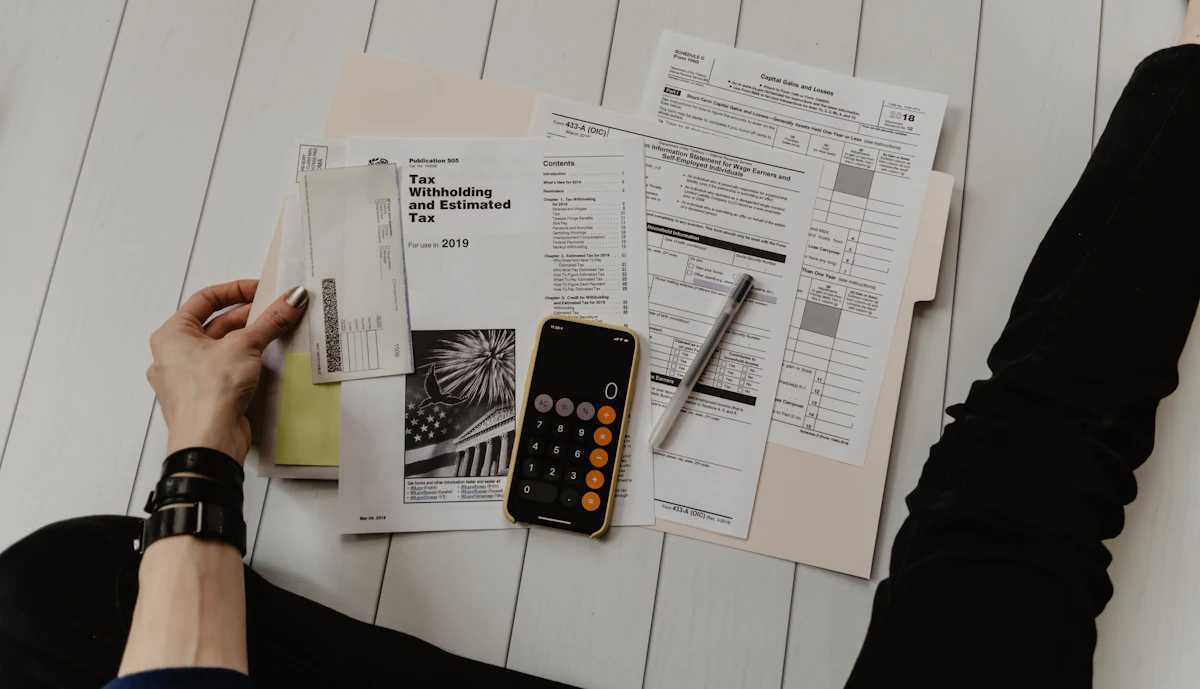
When records are generated automatically by your POS, reviewing your finances takes minutes — not entire evenings.
What "Proper Record Keeping" Actually Means for a Retail Shop
Let's break this down practically, because "keep proper records" is advice that sounds obvious until you try to figure out what it actually means for a shop owner's daily life.
Sales Records
Every transaction should be logged with the date, the products sold, the quantity, the price, and the payment method. This isn't just for tax purposes — it's how you know which products are selling well and which aren't, how you spot discrepancies between what was sold and what's in the till, and how you generate a P&L report that actually means something. When sales are recorded at the POS automatically, this happens without any extra effort from you or your staff.
Inventory Records
Every product that enters your shop (from suppliers) and every product that leaves (through sales, damage, or removal) should be documented. This gives you an accurate picture of your current stock at any moment and makes it nearly impossible for products to disappear without a trace. Without inventory records, you have no way to calculate the cost of goods sold — which means you have no way to calculate your actual profit. We've covered how damaging this gets in this post: How Poor Inventory Management Is Costing Your Supermarket.
Staff Activity Records
Who sold what, when, and at what price. Which staff member processed discounts. Who made adjustments to inventory records. An audit trail of staff actions is not just about catching theft — it's about having a defensible record of your business operations. If a discrepancy ever becomes a dispute, your records are your evidence. Read more on why this matters in our post: Your Shop Is Bleeding Money and Your Staff Might Be Holding the Knife.
Customer Credit Records
If you extend credit to customers — and most Nigerian retailers do — every transaction needs to be tracked: what was bought, how much is owed, what has been repaid, and what is still outstanding. Paper credit books get lost, figures get disputed, and balances get "forgotten." A digital credit system makes all of that trackable and unambiguous. Uncollected customer debt is one of the biggest silent drains in Nigerian retail, and it's explored in full here: Your Shop Is Bleeding Money and You Don't Even Know It.
End-of-Day Reconciliation
Every trading day should close with a formal reconciliation: total sales recorded, total cash received, total card/transfer payments, and any discrepancies noted and investigated. This daily discipline is what catches small problems before they become expensive patterns. A POS system that enforces end-of-day reconciliation makes this a 5-minute routine rather than a stressful guessing game.

Closing the day properly — with reconciled records — is the habit that separates profitable shops from chaotic ones.
How SwiftPOS Turns Record Keeping Into Something That Happens Automatically
SwiftPOS was built around the reality of how Nigerian retail businesses actually work. Every feature in the platform generates records as a natural byproduct — not as a separate task you have to remember to do.
When a cashier completes a sale, the transaction is logged instantly — product, quantity, price, staff member, payment method, time. When stock arrives from a supplier, it's entered into inventory and the count updates immediately. When a customer pays off part of their credit balance, the record updates and the remaining balance is visible. When the day ends, the reconciliation report is already generated — you just review it.
The result is a complete, always-current financial and operational record of your business — without any additional effort on top of your normal trading day. That's not an exaggeration. That's how cloud-based POS platforms work when they're designed properly.
A Real Look at the Transaction History and End-of-Day Features
One of the most practical record-keeping tools in SwiftPOS is the transaction history and end-of-day reconciliation module. It gives you a complete log of every sale, filterable by date, staff member, product, or payment type — and a clean daily summary that shows exactly how the day closed out.

SwiftPOS's end-of-day reconciliation — a clean daily close-out that shows total sales, payments, and any discrepancies worth investigating.
What you're looking at above is the kind of daily financial record that any tax authority, bank, or investor would consider legitimate documentation. It's generated automatically — no manual entry, no spreadsheet formulas, no end-of-day panic. Explore the full platform at swiftpos.ng/features.
The Hidden Business Benefits Nobody Talks About
Tax compliance gets all the attention — but the business benefits of proper record keeping go far beyond avoiding penalties. Here's what Nigerian retailers who run clean books actually gain:
- Better buying decisions. When your sales history is clean and complete, you know exactly which products to reorder and when. You stop overstocking slow movers and start keeping more of your bestsellers in stock consistently.
- Clearer profit picture. A proper P&L report — generated from your actual sales and cost data — tells you what your shop really earns, not what you hope it earns. That clarity drives smarter decisions at every level of the business.
- Access to credit and financing. Nigerian banks and lending institutions are increasingly requiring documented financial histories from SMEs. The businesses with clean records get loans. The ones without them don't. It's that straightforward in 2026.
- Faster fraud detection. When everything is recorded, discrepancies are visible immediately — not weeks later when the damage has already compounded. Staff know this. And that knowledge changes how they operate.
- Business scalability. You cannot confidently open a second branch if you don't have clean, reliable data from your first one. Records are the foundation of every growth decision. Read how this plays out in practice: How to Manage Multiple Shop Branches in Nigeria Without Losing Control.

Businesses with clean records make faster decisions, access credit more easily, and scale with far less chaos.
Which SwiftPOS Plan Is Right for Your Shop?
Every SwiftPOS plan includes automatic record keeping as a core feature — not an add-on. Here's what each tier covers:
Starter — ₦3,000/mo
- Automatic sales recording
- Inventory management
- Customer credit system
- Basic sales reports
- 100 orders/day · 2 staff
Standard — ₦6,000/mo
- Full P&L reports
- Transaction history
- Audit logs
- Data export (for accountants)
- 500 orders/day · 5 staff
Pro — ₦12,000/mo
- Advanced audit logs
- Suspicious activity detection
- Multi-branch records
- Unlimited orders · 15 staff
- Custom branding
All plans include 1 month free when you pay annually. Full pricing at swiftpos.ng/pricing. Want to understand how SwiftPOS compares to other options on the Nigerian market? Start here: The 7 Best POS Systems for Small Businesses in Nigeria in 2026. Or read why the best-run retailers are already making the switch: What the Best Retailers in Nigeria Know About POS Software That Most Owners Don't.
Frequently Asked Questions
Does SwiftPOS generate records in a format my accountant can use?
Yes. The Standard and Pro plans include data export functionality, so you can pull your sales, inventory, and financial data and share it with your accountant in a clean, readable format. No manual compilation required.
What records does SwiftPOS automatically generate?
Every sale, every stock movement, every staff action, every customer credit transaction, and every end-of-day reconciliation is logged automatically. You also get P&L reports, transaction history, audit logs, and stock history — all accessible at any time from your dashboard.
I'm a small shop — do I really need all of this?
The smaller your shop, the faster proper records pay back. Small shops with fewer transactions can spot discrepancies almost immediately. And starting clean from day one is far easier than trying to build proper records after years of informal tracking. The Starter plan at ₦3,000/month gives you everything a small shop needs.
What if my internet connection is unreliable?
SwiftPOS works offline. Transactions continue during network downtime and sync automatically when connectivity returns. No data is lost and no records are incomplete because of a bad network day.
Where can I learn more about how SwiftPOS works for Nigerian retail?
Start with our complete walkthrough: How SwiftPOS Works: A Complete Guide to Managing Your Retail Business Smarter. And for hardware guidance: POS Hardware Buying Guide for Nigerian Retailers.
2026 Is the Year to Get This Right
The combination of Nigeria's new tax regulations, tightening credit requirements, and increasing retail competition means that running a shop without proper records in 2026 is genuinely costly — in lost opportunities, in undetected losses, and now potentially in compliance penalties too.
The good news is that fixing it is not hard and not expensive. A cloud-based POS system like SwiftPOS handles your record keeping automatically, as a natural output of running your business. You don't hire anyone new. You don't change how your shop operates. You just upgrade the tool you're using — and the records come with it.
Browse more guides for Nigerian retailers on the SwiftPOS blog, explore the about page to learn more about who we are, or visit swiftpos.ng to see the full picture.
Your Records. Your Business. Your Protection.
SwiftPOS automatically generates the sales records, inventory logs, P&L reports, and audit trails your business needs — without any extra effort. Plans from ₦3,000/month with 1 month free on annual plans.
No long-term contracts. Start today.
