How to Start a Bakery Business in Nigeria: A Step-by-Step Guide
SwiftPOS Team
Published October 24, 2026

Did you know that despite Nigeria's booming population and a consistent demand for baked goods, about 63% of new food businesses, including bakeries, fail within their first three years? It’s a harsh truth, but one I've seen play out too many times. Many aspiring entrepreneurs jump in with passion but without a solid understanding of the market, the real costs, or a clear strategy for profitability. If you’re dreaming of starting a bakery business in Nigeria, this step-by-step guide is for you. We're going to talk about what it actually takes to succeed in 2026, beyond just having good recipes.
A baker carefully decorating a fresh cake inThe Reality Check: What Nobody Tells You About Bakery Business Nigeria
Everyone sees the shiny side of owning a bakery: the smell of fresh bread, happy customers, and the thought of being your own boss. But let's be honest, the reality often hits harder than a stale baguette. Most people underestimate the sheer capital required and the operational complexities involved.
For instance, while a small roadside akara stand might cost you less than ₦20,000 to start, a proper bakery business in Nigeria, even a small one, requires significantly more. Many guides will tell you to "start small," which is good advice, but they rarely quantify what "small" truly means in Naira. We're talking about essential equipment that can easily set you back over ₦1 million before you even buy your first bag of flour. A new industrial oven, for example, can range from ₦450,000 to ₦1,200,000, depending on if it's locally fabricated or an imported brand. Then there’s the dough mixer, another ₦200,000 to ₦750,000. These aren't luxuries; they are the backbone of your operation.
And it's not just the initial setup. The running costs are relentless. Power generation, for one, is a monstrous expense. A 5-10 KVA generator, which is almost non-negotiable for consistent production, costs between ₦300,000 and ₦800,000 to buy. Then you're looking at ₦80,000 to ₦250,000 monthly just for fuel or diesel, depending on how often NEPA decides to bless us with light. This is the part most people don't expect. They calculate flour, sugar, and yeast, but forget that constant power is a direct ingredient in every loaf.
The profit margin per loaf of bread, after all direct costs, typically sits around ₦80 to ₦150. This means you need to sell a lot, and I mean a lot, to cover those hefty fixed costs like rent (which can be ₦80,000 in a small town to a staggering ₦2,500,000 annually in prime Lagos or Abuja locations) and staff salaries (a baker could earn ₦60,000 to ₦120,000 a month). Without efficient operations and tight financial control, that seemingly decent per-loaf profit quickly evaporates. This is why many otherwise promising bakeries struggle to stay afloat. It's a food business that demands precision.
What You Actually Need to Get Started
Let’s strip away the fluff and get down to brass tacks. Starting a bakery in Nigeria in 2026 isn't a venture for the faint of heart or the underprepared. You need a mix of capital, skill, and sheer grit. Here’s a breakdown of what you’ll actually need:
The Non-Negotiables (You Must Have These):
- A Solid Bakery Business Plan: Don't just wing it. A detailed plan covering your market, products, operations, and financials is your roadmap. It’s what you’ll show investors, if you need them, and what will keep you grounded.
- Startup Capital: This is where many dreams crash. For a small to medium-sized bakery, you're looking at a minimum of ₦1,500,000 to ₦4,000,000 just to get the doors open and the ovens hot. This covers equipment, initial stock, and rent. Let's break it down:
- Shop Rent (Annual): ₦80,000 - ₦2,500,000 (Seriously, location is everything. Consider a less prime spot if your budget is tight, perhaps in a growing residential area of Ibadan or Port Harcourt, rather than a high-traffic Lagos street).
- Industrial Oven: ₦450,000 - ₦1,200,000. You need a reliable one. Buying cheap here means buying twice.
- Dough Mixer: ₦200,000 - ₦750,000. Again, capacity matters.
- Baking Pans & Utensils: ₦50,000 - ₦150,000. Don't skimp on quality.
- Display Showcase: ₦120,000 - ₦400,000. Presentation sells!
- Generator (5-10 KVA): ₦300,000 - ₦800,000. Power is life in Nigeria.
- Initial Stock (Flour, Sugar, Yeast, etc.): ₦150,000 - ₦500,000. You need enough to produce consistently for your first few weeks.
- Business Registration (CAC): ₦25,000 - ₦50,000. Get it done right.
- NAFDAC Registration (if applicable): ₦60,000 - ₦150,000. If you plan to package and brand your products beyond immediate consumption, this is non-negotiable.
- Baking Skills & Experience: Either you have it, or you hire someone who does. Your product quality will make or break you.
- Reliable Staff: Even if it's just one skilled baker and a sales assistant, you need people you can trust. Salaries for a baker can be ₦60,000 - ₦120,000/month, and a sales assistant ₦40,000 - ₦70,000/month.
- Consistent Power Source: We've talked about the generator. It’s not an option; it's a necessity.
- A Delivery Vehicle: Even a small tricycle or motorcycle for local deliveries can significantly expand your reach.
- Marketing Budget: Don't assume people will just find you. Social media ads, local flyers, or even a grand opening event can make a difference.
- Digital Presence: A simple Instagram page, a WhatsApp Business account, or even a basic website can help you reach more customers.
- Modern Business Management System: You know, something like SwiftPOS NG, which helps you track sales, inventory, and expenses from day one. More on this later.
The Complete Step-by-Step Breakdown: How to Start a Bakery Business in Nigeria
Starting a bakery requires a methodical approach. You can't just wake up and decide to bake for profit. There’s a process, and following it diligently can save you from a lot of heartache and financial loss.
Step 1: Research and Develop Your Bakery Business Plan
This is where it all begins. Before you spend a single Naira, you need to understand your market. Who are your potential customers? Are they students, families, corporate workers? What kind of baked goods do they want? Is there a gap in the market for artisanal bread, specialty cakes, or perhaps healthier options?
Visit existing bakeries in areas like Computer Village, Ikeja, or even local markets in Onitsha. See what they offer, how they price, and what their customer service is like. Then, sit down and write a comprehensive business plan. This document should detail your vision, mission, product offerings, target market, marketing strategy, operational plan, and, most importantly, your financial projections. How much do you realistically expect to earn daily? What are your break-even points? This isn't just a formality; it’s your compass. A good plan helps you anticipate challenges and strategize solutions before they become problems.
Step 2: Secure Your Funding and Location
With your business plan in hand, it’s time to find the money. If you don't have personal savings, explore options like small business loans, grants from government agencies, or even angel investors. Be prepared to present a strong case. Once funded, finding the right location is critical for any food business. You need visibility, accessibility, and adequate space.
Consider factors like foot traffic, proximity to your target market, availability of utilities (water, electricity), and security. A location near a school, office complex, or a busy residential area often works best. Remember that shop rent can be a major expense, ranging from ₦80,000 in a quieter area to ₦2,500,000 annually in a prime commercial hub. Negotiate the rent if possible, and ensure the lease terms are favorable. Don't forget to factor in renovation costs if the space isn't turn-key.
Step 3: Register Your Business and Obtain Licenses
Operating legally is non-negotiable. First, register your business with the Corporate Affairs Commission (CAC). This typically costs between ₦25,000 and ₦50,000, depending on whether you register as a sole proprietorship or a limited company.
Next, you'll need local government permits and health certificates. Since you're dealing with food, the Ministry of Health will need to inspect your premises to ensure it meets hygiene standards. If you plan to package your baked goods with a brand name for wider distribution, NAFDAC registration is essential, and that can cost anywhere from ₦60,000 to ₦150,000 for small-scale operations. Skipping these steps can lead to fines, forced closure, and damage to your brand’s reputation.
Step 4: Purchase Equipment and Set Up Your Kitchen
This is where your startup capital really comes into play. You need functional, durable equipment. Prioritize the essentials: an industrial oven (₦450,000 - ₦1,200,000), a dough mixer (₦200,000 - ₦750,000), baking pans, cooling racks, work tables, and storage units. Don’t forget a reliable generator (₦300,000 - ₦800,000) because consistent power is crucial for baking.
When setting up your kitchen, think about workflow. An efficient layout can save time and reduce waste. Ensure you have proper ventilation, adequate water supply, and good drainage. Source your equipment from reputable vendors, perhaps from markets like Alaba International or Onitsha Main Market, where you can compare prices and quality. Look for warranties and after-sales service.
Step 5: Source Ingredients and Hire Staff
Your ingredients are the heart of your bakery. Establish relationships with reliable suppliers for flour, sugar, yeast, butter, and other raw materials. Buying in bulk from wholesalers in places like Balogun Market or Kano textile market (for packaging materials) can help you save costs and maintain consistent quality. Always check expiry dates and storage conditions.
Hiring the right team is equally important. You’ll need at least one skilled baker and a sales assistant. Conduct thorough interviews, ask for references, and consider a trial period. Train your staff on hygiene, customer service, and product knowledge. A happy, well-trained team is an asset to any food business. Pay them fairly (a baker ₦60,000 - ₦120,000/month, sales assistant ₦40,000 - ₦70,000/month) and on time to foster loyalty.
Step 6: Develop Your Menu and Pricing Strategy
Your menu should reflect your market research. Start with a core range of popular items like bread, cakes, and pastries, then gradually introduce specialty items. Experiment with recipes to find unique selling propositions. What makes your bread better? Is it a unique ingredient, a special technique, or simply consistent quality?
Pricing is tricky. You need to cover your costs (ingredients, labor, overheads, fuel, electricity) and still make a profit, while remaining competitive. Remember that ₦80 - ₦150 profit per loaf? You need volume. Calculate your cost of production per item accurately. Don't just copy your competitors; understand your own cost structure. Consider offering combo deals or loyalty programs to attract and retain customers.
Step 7: Market Your Bakery
A great product won't sell itself. You need to tell people you exist! Start with local marketing: flyers, banners, and word-of-mouth referrals. Offer samples, run promotions, or partner with local businesses. Social media is incredibly powerful in Nigeria. Create an engaging Instagram page, share mouth-watering photos and videos of your products, and run targeted ads.
Consider a grand opening event to generate buzz. For a bakery startup, building a loyal customer base early on is crucial. Encourage reviews and feedback. A satisfied customer is your best advertiser. If you're a food business, your online presence needs to be as appealing as your products.
Step 8: Implement a Robust Business Management System
This step is often overlooked by new businesses, but it's critical for long-term success. Relying on manual records or basic Excel sheets for a bakery business in Nigeria is a recipe for disaster. How will you track daily sales, manage inventory, monitor staff performance, and understand your actual profit margins?
This is precisely where a system like SwiftPOS NG comes in. It’s designed for businesses like yours. You can use it to record every sale accurately, track your ingredients from when they arrive (flour, sugar) to when they leave as finished products (bread, cakes), and even manage your customer accounts, especially if you offer credit to regulars. Imagine knowing exactly how many loaves of bread you sold yesterday, what your most popular pastry is, and when your yeast supply is running low – all from one system. This kind of data is invaluable for making smart business decisions and preventing losses.
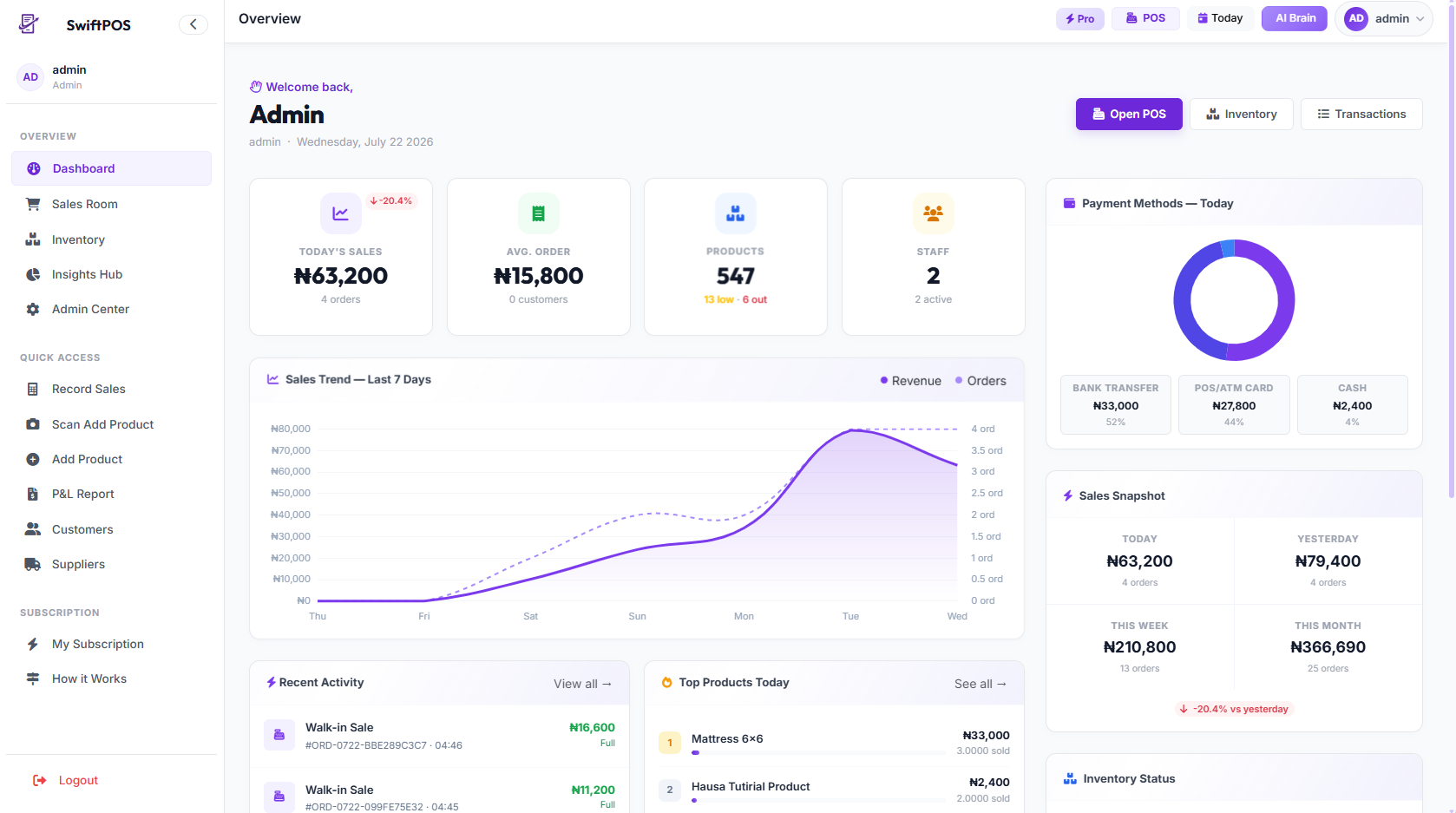 SwiftPOS Dashboard displaying sales trends and inventory levels
Step 9: Monitor, Adapt, and Grow
The business landscape in Nigeria is dynamic. You need to constantly monitor your sales, expenses, and customer feedback. Are certain products selling better than others? Are your costs increasing? Are customers asking for something you don't offer?
Use the data you collect to adapt your strategies. Maybe you need to adjust your prices, introduce new products, or change your marketing approach. Attend industry workshops, network with other business owners, and stay updated on market trends. Growth could mean expanding your product line, opening new branches (which SwiftPOS NG can also help you manage with its multi-branch capabilities), or even supplying to supermarkets and restaurants. Continuous learning and flexibility are key to thriving in Nigeria's competitive market.
5 Mistakes That Cost Nigerian Bakery Business Owners the Most
I've seen countless businesses make these blunders. Don't be one of them.
- Underestimating Operational Costs (Especially Power): This is a huge one. Many entrepreneurs budget for raw materials and rent but forget the relentless cost of running a generator. I once saw a small bakery in Abuja almost fold because their monthly diesel bill alone was hitting ₦200,000, eating deep into their profits. They had great products, but the power situation crippled them. Always factor in ₦80,000 to ₦250,000 monthly for fuel.
- Poor Inventory Management: Imagine buying 50 bags of flour, but because you're not tracking properly, 5 go bad due to pests or expiry, and another 10 are "missing" due to theft. That's a direct loss of tens of thousands of Naira. Without knowing what you have, what's selling, and what's expiring, you're literally throwing money away. This is one of the biggest hidden costs of manual retail operations in Nigeria.
- Ignoring Customer Feedback: A bakery in Surulere started receiving complaints about their bread being too dense. Instead of listening, the owner insisted it was "their style." Within months, their loyal customer base dwindled. Your customers are telling you what they want. Listen to them. Adapt.
- Lack of Financial Tracking: If you don’t know your true profit and loss, how can you make informed decisions? Many small business owners mix personal and business finances, making it impossible to see where money is actually going. You need a clear picture of your gross profit and true net profit.
- Inconsistent Product Quality: You bake a fantastic batch of bread today, but tomorrow it's just average. Customers notice this. Consistency builds trust and loyalty. If your product quality fluctuates, customers will quickly go elsewhere. This is why investing in good equipment and skilled staff is critical.
How to Know If You're on Track (Success Metrics)
So, how do you measure success beyond just making sales? You need to track key metrics that tell you the real health of your bakery.
- Daily/Weekly Sales Revenue: Are you hitting your targets? For a small bakery, an expected daily revenue could be anywhere from ₦15,000 to ₦50,000, depending on your location and product range. Consistent growth here is a good sign.
- Profit Margins: This is crucial. Don't just look at revenue; look at what you're actually taking home after all costs. Your profit margin per loaf (₦80 - ₦150) should be consistent. If it's dropping, investigate your ingredient costs or operational efficiency.
- Customer Retention Rate: How many customers keep coming back? A high retention rate means you're building loyalty. Offer loyalty cards or discounts to encourage repeat business.
- Inventory Turnover: How quickly are you selling your stock? A high turnover means your products are popular and you’re not holding onto expired goods. If products are sitting too long, you might have dead stock.
- Waste Percentage: In a bakery, waste can be significant. Track how much dough, ingredients, or finished products you throw away. Aim to minimize this through better forecasting and portion control.
- Employee Productivity: Are your staff efficient? Are they contributing to sales and keeping the kitchen running smoothly?
- Expense Tracking: Keep a close eye on your monthly expenses – rent, salaries, electricity, and especially fuel. Are they within budget? Are they increasing unexpectedly?
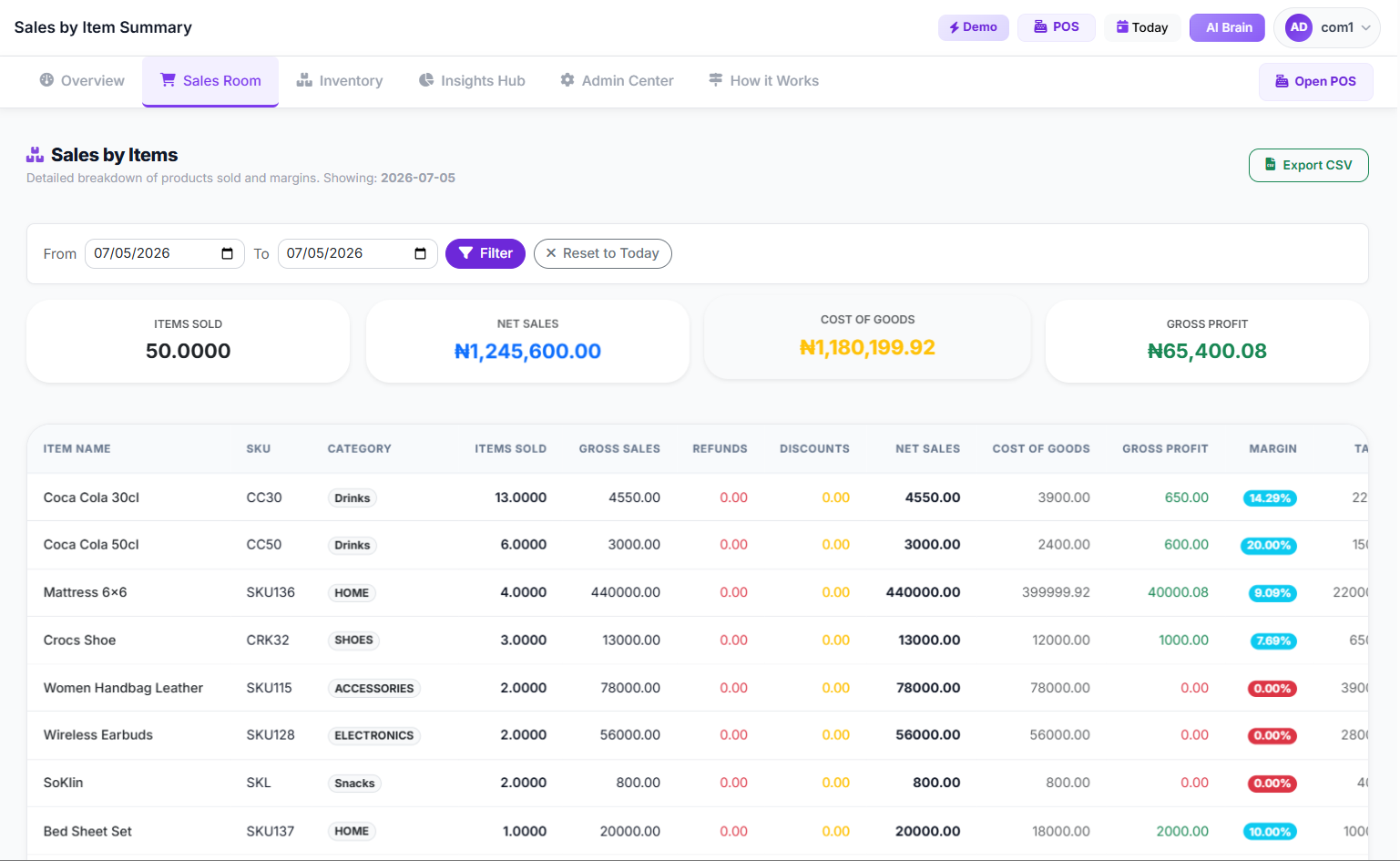 sales by item page
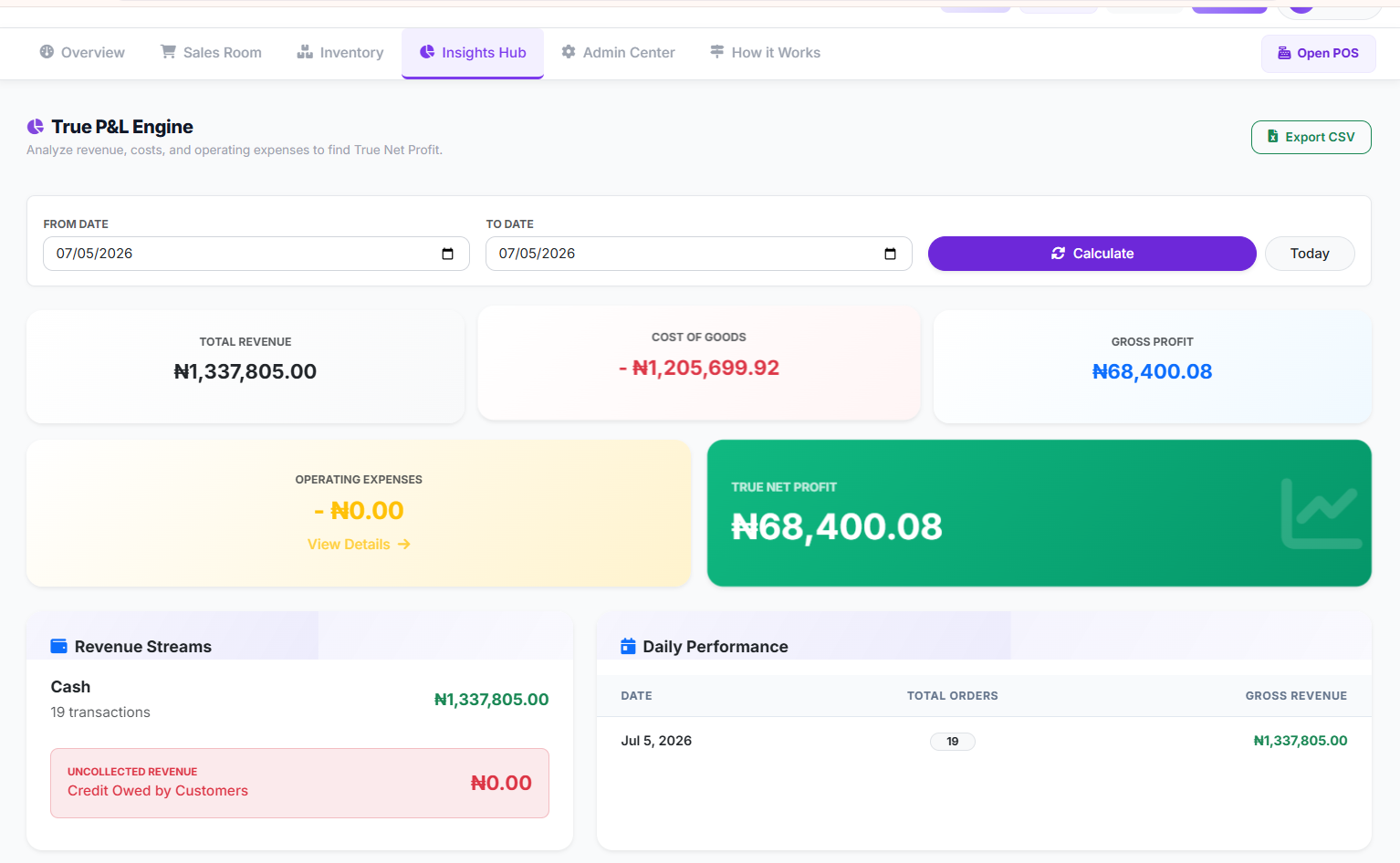 monthly profit margins
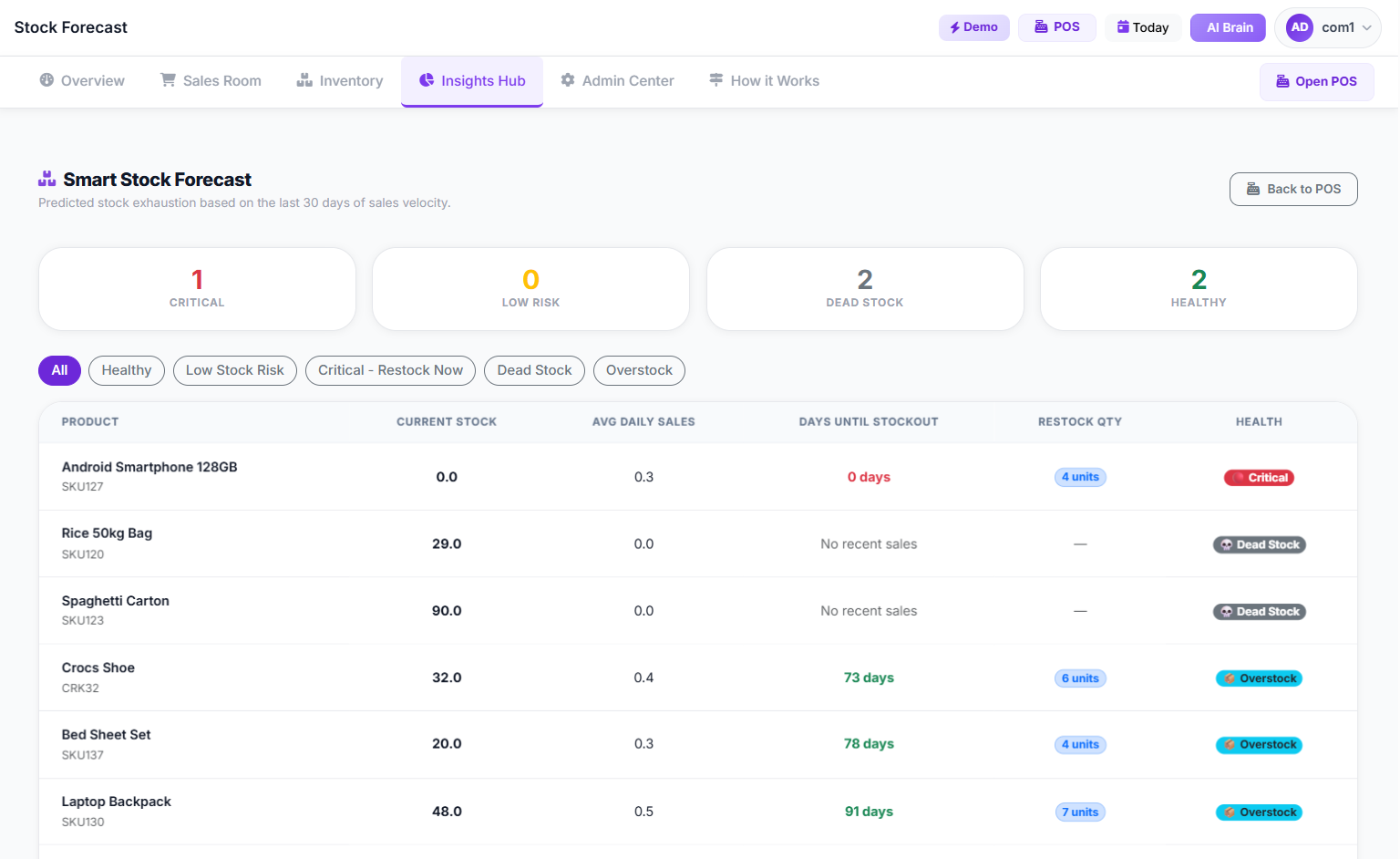 smart stock forecasts
 A display of fresh artisanal bread loaves in
Real Questions People Ask (FAQ)
Q1: How much money do I need to start a small bakery in Nigeria in 2026?
A: For a truly small-scale bakery, you're looking at a minimum initial investment of ₦1,500,000 to ₦4,000,000. This covers essential equipment like an oven (₦450,000 - ₦1,200,000), a mixer (₦200,000 - ₦750,000), a generator (₦300,000 - ₦800,000), initial stock (₦150,000 - ₦500,000), and annual rent (₦80,000 - ₦2,500,000). Don't forget registration fees and working capital for at least 3-6 months of operational expenses.
Q2: Is a bakery business profitable in Nigeria?
A: Yes, a bakery business can be very profitable in Nigeria, given the high demand for baked goods. However, profitability hinges on efficient management, consistent product quality, effective marketing, and tight cost control. With a profit margin of ₦80 - ₦150 per loaf of bread, you need significant sales volume and careful management of operational costs like fuel and salaries to ensure a healthy net profit.
Q3: What are the biggest challenges for a bakery startup in Nigeria?
A: The biggest challenges include: inconsistent power supply (leading to high generator fuel costs of ₦80,000 - ₦250,000 monthly), rising cost of raw materials, intense competition, managing staff effectively, and maintaining consistent product quality. Poor inventory management and a lack of proper financial tracking also lead to significant losses for many.
Q4: Do I need NAFDAC registration for my bakery?
A: You will need NAFDAC registration if you plan to package your baked goods with your brand name and sell them beyond immediate consumption, such as to supermarkets or other retail outlets. For a small-scale bakery, this can cost ₦60,000 - ₦150,000. If you're only selling fresh, unpackaged items directly from your shop, local health permits and business registration are usually sufficient initially.
Q5: How important is a business plan for a bakery business in Nigeria?
A: A business plan is absolutely critical. It helps you clarify your vision, analyze the market, project financial needs and returns, and identify potential challenges. It's not just a document for investors; it's your operational blueprint. Without a solid bakery business plan, you're essentially navigating without a map, which is a common reason why many new businesses struggle.
Your Next Move
Starting a bakery business in Nigeria is a rewarding venture, but it demands careful planning, significant investment, and smart management. Don't just dream about the delicious outcomes; equip yourself with the knowledge and tools to make it a sustainable reality.
If you're ready to take your retail business seriously, manage your stock, track your sales, and understand your true profit, then explore SwiftPOS NG. You can learn more about our features and how we help Nigerian businesses thrive. We even have a 14-day free trial so you can experience the difference firsthand.