How to Start a Beverage Business in Nigeria: A Step-by-Step Guide
SwiftPOS Team
Published October 21, 2026

Forget what those online gurus tell you about starting a beverage business in Nigeria. You know, the ones who say "just find a good recipe and market it!" That's like saying to build a house, "just find good bricks." It completely misses the whole foundation, the plumbing, the electrical work, and the roof that keeps the rain out.
The truth is, launching a successful drinks business in Nigeria, especially in 2026, involves far more than just a tasty drink. It’s about navigating regulations, managing cash flow in a volatile economy, and building a distribution network that actually works. If you want to know how to start a beverage business in Nigeria and make it last, you need a different roadmap. I’m here to give you that roadmap, based on years of seeing businesses like yours thrive and, sometimes, stumble.
Vibrant market stall with various local drinksThe Reality Check: What Nobody Tells You About the Drinks Business in Nigeria
Everyone talks about the potential, the huge market for refreshing drinks, especially under our hot sun. And yes, that potential is real. From Lagos to Kano, people are always looking for something to quench their thirst. But here's the thing: most people gloss over the sheer grit and financial commitment required. They don't tell you about the sleepless nights spent chasing NAFDAC approval or the frustration of a generator eating into your already slim profit margins.
Let's talk numbers, real numbers, for a small-to-medium operation. You’re not just buying ingredients. You're looking at a startup cost that can easily begin from ₦700,000 and climb well past ₦5,000,000, depending on your scale and location.
For instance, that NAFDAC registration? For a small-scale product, you're looking at anywhere from ₦50,000 to ₦150,000. And that’s just for the basic approval. If you want to rent a decent production space, say in a commercial area in Ibadan, you might pay ₦500,000 annually. In a prime Lagos spot, like around Ikeja, that could easily hit ₦2,000,000 per year. These aren’t optional expenses; they are the bedrock.
Then there's the equipment. You can't just mix drinks with your hands and sell them. A basic industrial blender, some large pots, and a sealing machine for your packaging could set you back ₦200,000 to ₦1,500,000. If you decide to go for imported machinery, well, prepare for that figure to jump significantly. This is where most aspiring entrepreneurs get it wrong – they underestimate the initial capital needed for a proper setup.
What You Actually Need to Get Started
Before you even think about your secret recipe, you need to get your ducks in a row. This isn't just about money; it’s about mindset and meticulous planning.
Non-Negotiables (No, seriously, don't skip these):
- Business Registration: You need to be legit. A sole proprietorship will cost you around ₦15,000-₦25,000 with CAC, while a Limited Company can go up to ₦50,000. This protects your brand and makes you seem professional. No serious retailer in Balogun Market or Onitsha Main Market will deal with you if you're not properly registered.
Production Space: It doesn't have to be a sprawling factory, especially if you're starting small. But it must* be clean, hygienic, and suitable for food preparation. Annual rent can range from ₦80,000 in a rural town to ₦2,000,000 in a prime Lagos location.
- Basic Production Equipment: Think industrial blender, large stainless steel pots, a heat sealing machine for pouches or a capper for bottles. Expect to spend ₦200,000 - ₦1,500,000. Don't buy cheap, buy reliable. Repairs and breakdowns are profit killers.
- Initial Raw Materials: You need enough to produce your first few batches. For juices or flavored drinks, this means fruits, sugar, water, and maybe some preservatives. Budget ₦50,000 - ₦300,000.
- Packaging Materials: Bottles, pouches, labels. Your packaging is your first impression. An initial order for 1,000-5,000 units could cost ₦70,000 - ₦400,000. Get a good designer for your labels; it’s worth the ₦20,000 - ₦100,000 for branding.
- Reliable Water Source: Clean water is paramount. If you're not getting it from the municipal supply, you might need a borehole or water treatment system, which can be a significant investment of ₦300,000 - ₦1,000,000.
- Working Capital: This is often overlooked. You need cash to cover monthly expenses before your sales catch up. Think salaries, fuel, minor repairs, and more raw materials. A good buffer of ₦100,000 - ₦500,000 for the first few months is smart.
- Distribution Vehicle: A used Keke Napep for local deliveries (₦800,000) or a small van (₦1,500,000 - ₦3,000,000) will greatly expand your reach. You can always start with public transport or third-party logistics.
- Dedicated Staff: You can start with family or a single production assistant (₦40,000 - ₦80,000/month). As you grow, you'll need more hands.
- Marketing Budget: Beyond your labels, how will people know about you? Social media ads, local flyers, or tasting events can boost your brand, but you can also start with word-of-mouth.
The Complete Step-by-Step Breakdown
Alright, you've got your capital estimates, you know the non-negotiables. Now, let's break down the actual process. This isn't just theory; it’s what I've seen work on the ground.
Step 1: Research, Product Development, and Recipe Perfection
Before you spend a single kobo on registration, you need to know what you’re selling and to whom. What kind of beverage business are you starting? Is it fresh juices, zobo, kunu, bottled water, or something entirely new?
- Market Research: Who are your target customers? What do they already drink? What gaps exist in the market? Visit local markets, talk to vendors, observe what sells. A small bottled drink can fetch ₦200-₦500 per unit, but you need to understand the local price sensitivity.
- Recipe Development: This is where your product comes to life. Experiment with ingredients, ratios, and flavors. Focus on shelf life and taste consistency. If you're making zobo, how will you ensure it tastes the same every single time, whether it's Monday or Friday? This consistency is key to building customer loyalty.
- Sourcing Raw Materials: Identify reliable suppliers for your ingredients. Quality matters here. A bad batch of fruit or contaminated water can ruin your reputation. Look for suppliers in places like Mile 12 Market for fresh produce or industrial suppliers for bulk sugar and preservatives.
Step 2: Formalize Your Business and Get Legal
This is the part that feels like paperwork hell, but it’s absolutely essential. Trust me, it’s easier to do it right from the start than to fix issues later.
- Business Registration: Head to the Corporate Affairs Commission (CAC) portal. Decide if you're registering as a Sole Proprietorship (simpler, cheaper at ₦15,000-₦25,000) or a Limited Liability Company (more complex, more expensive at ₦35,000-₦50,000, but offers more protection).
- NAFDAC Approval: This is non-negotiable for food and beverages. NAFDAC ensures your product is safe for consumption. The process involves product analysis, factory inspection, and documentation. It can take time, so start early. Budget ₦50,000 - ₦150,000 for basic small-scale approval. They will check your production process, your water source, your hygiene, everything. Don't be caught off guard.
- Local Government Permits: Depending on your location, you might need permits from your local government council. These are usually minor fees but skipping them can lead to harassment from local officials.
Step 3: Set Up Your Production Facility
Once the paperwork is in progress, focus on your operational base. This needs to be a clean, functional space.
- Secure a Location: Find a suitable space. It needs good ventilation, access to clean water, and enough room for your equipment and raw materials. Annual rent for a small production space can be as low as ₦80,000 in a remote area or up to ₦2,000,000 in a commercial hub like Surulere.
- Acquire Equipment: Purchase your industrial blender, large pots, sealing machine, and anything else you need. Prioritize durability over cheapness. If you're on a tight budget, explore locally fabricated options from places like Alaba International Market or even skilled artisans in Aba; they can be significantly cheaper than imported machinery (₦200,000 - ₦1,500,000).
- Install Water Treatment (if necessary): If your water source isn't potable, invest in a good filtration or treatment system. This could be a borehole and purification system costing ₦300,000 - ₦1,000,000. Don't compromise on water quality – it’s the backbone of any beverage business.
Step 4: Branding, Packaging, and Initial Production
Now for the fun part – making your product look appealing and producing it.
- Branding and Design: Invest in a memorable name, logo, and label design. This is how customers will recognize you. A good freelancer can help you with this for ₦20,000 - ₦100,000. Your brand needs to tell a story.
- Source Packaging: Order your bottles, pouches, and labels. Ensure they are food-grade and durable. An initial order for 1,000-5,000 units could cost ₦70,000 - ₦400,000.
- First Production Run: Start with a small batch to test your process. Is the taste consistent? Is the packaging holding up? This is your chance to iron out any kinks before going big.
- Inventory Management System: As you start producing, you need to track everything. How many bottles did you make? How many raw materials did you use? How many did you sell? This is where a system like SwiftPOS NG comes in handy. It helps you manage your product catalogue, track stock quantities, set cost and selling prices, and even manage expiration dates – crucial for a drinks business. You can easily add product details, including cost and selling prices, ensuring you always know your margins.
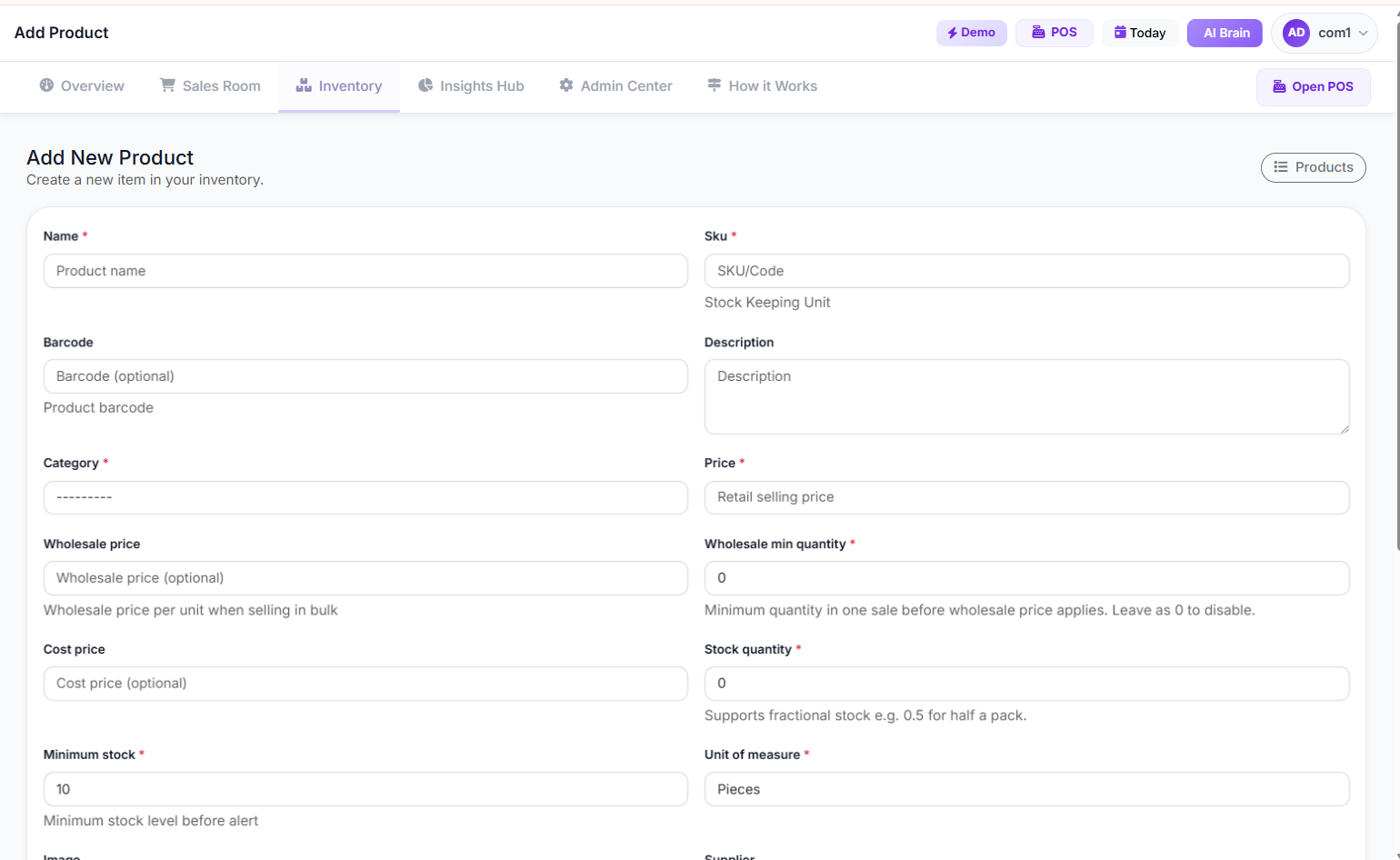 Add/Edit Product Page
Step 5: Marketing and Distribution
You’ve got a great product; now get it into people's hands. This is where your drinks distribution strategy truly takes shape.
- Develop a Sales Strategy: Will you sell directly to consumers, to retailers, or both? Consider local markets, small provision stores, events, and even online sales.
- Build a Distribution Network: Start small. Approach local mini-marts, canteens, and roadside vendors. Offer good terms. If you have a Keke Napep (₦800,000) or small van (₦1,500,000 - ₦3,000,000), you can manage your own deliveries, reducing your drinks distribution costs.
- Promote Your Product: Use social media, word-of-mouth, and local promotions. Offer samples. Run small campaigns. Tell your story.
Step 6: Manage Operations and Growth
This is the ongoing work that determines your long-term success.
- Staffing: Hire reliable staff. A production assistant might cost ₦40,000 - ₦80,000 per month. Train them on hygiene and production consistency.
- Financial Management: Track every kobo. Know your daily sales, your monthly expenses (which can be ₦100,000 - ₦500,000 excluding staff and rent), and your profit margins. A profit margin of ₦50 - ₦200 per unit is common for small bottled drinks, but tiny leaks can erode it.
- Customer Feedback: Listen to your customers. What do they like? What can be improved? This feedback is gold.
5 Mistakes That Cost Nigerian Business Owners the Most
I've seen these mistakes kill businesses before they even got off the ground. Don't be that person.
- Ignoring NAFDAC and Other Regulations: This isn't just a fine risk; it's a shutdown risk. A small beverage business in Ogba, Lagos, started selling unapproved juices. They had a loyal customer base, but one health complaint led to a NAFDAC raid. Their entire stock was seized, and they were fined heavily. They never recovered. It’s not worth the risk.
- Underestimating Working Capital: Many entrepreneurs spend all their capital on setup, then run out of cash for raw materials or monthly expenses. I saw a promising pure water business near Ikorodu collapse because they couldn't afford diesel for their generator during a crucial production month. They had the machines, but no fuel. Always have a buffer of at least 3-6 months' running costs.
- Poor Inventory Management: This is a silent killer, especially in a drinks business with perishable goods. Products expire, get damaged, or simply go missing. If you don't know what you have, what's selling, and what's about to expire, you're losing money. Manual record-keeping for stock is a nightmare.
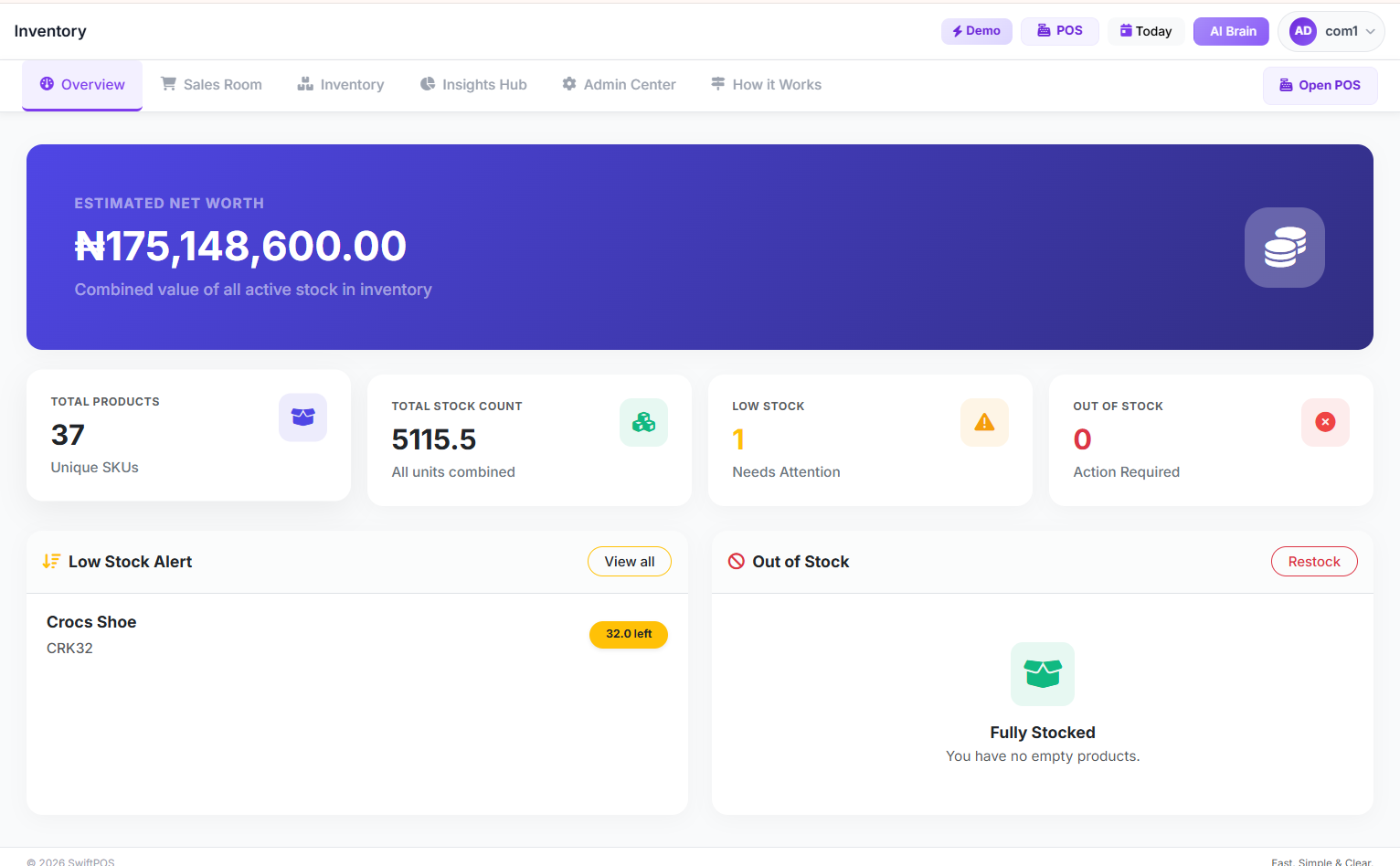 Inventory Dashboard
A client in Aba with a growing drinks distribution network was losing ₦150,000-₦200,000 monthly due to poor stock tracking across his two branches. He thought it was theft, but it was mostly spoilage and miscounts. He wasn't tracking expiration dates properly.
- Inconsistent Product Quality: You make a fantastic batch today, but tomorrow it tastes different. Your customers will notice. Consistency builds trust. If your zobo tastes amazing on Monday but watery on Wednesday, customers will stop buying. This is particularly true for a drinks business Nigeria thrives on local, trusted brands.
- Weak Distribution Network: Having a great product sitting in your factory does you no good. You need to get it to the market. Relying on a single distributor or just selling from your shop limits your reach. Expand gradually, build relationships with different vendors, and explore various sales channels.
How to Know If You're on Track (Success Metrics)
So, how do you know if all this hard work is actually paying off? You need to track your progress. Don't just guess; use data.
- Daily Sales Volume: How many units are you selling each day? Is it increasing? A small operation might target 100-200 units daily initially.
- Monthly Revenue Growth: Are your sales growing month-on-month? Aim for at least 5-10% growth in the early stages. If your monthly revenue is ₦200,000 this month, can you hit ₦210,000 next month?
- Profit Margins: This is critical. Are you actually making money after all your costs? If a unit costs you ₦150 to produce (raw materials, packaging, direct labor) and you sell it for ₦300, your gross profit is ₦150. But then subtract rent, utilities, salaries, and you get your net profit. You need to know this number cold.
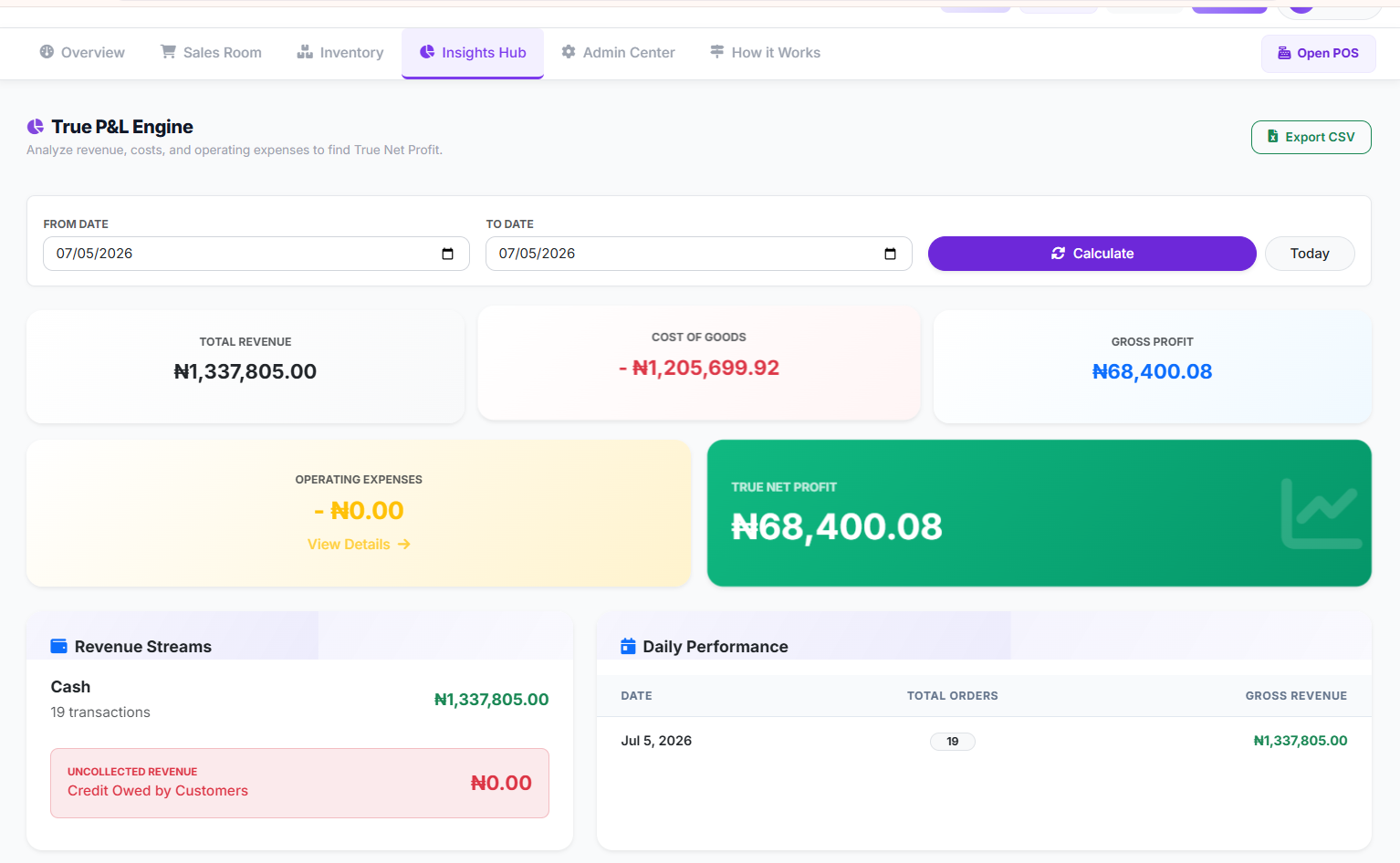 Profit and Loss Page
- Customer Retention Rate: Do customers come back for more? This indicates product quality and good service. If you have loyal customers, you're doing something right.
- Stock Turnover Rate: How quickly are you selling your inventory? A high turnover means less risk of spoilage and better cash flow. If stock sits too long, it’s dead money.
- Expense-to-Revenue Ratio: What percentage of your revenue goes towards expenses? Keep this as low as possible. If ₦800,000 of your ₦1,000,000 in monthly sales goes to expenses, you're left with ₦200,000. Is that enough?
- NAFDAC Compliance: Regular checks and adherence to their guidelines. This is a continuous metric.
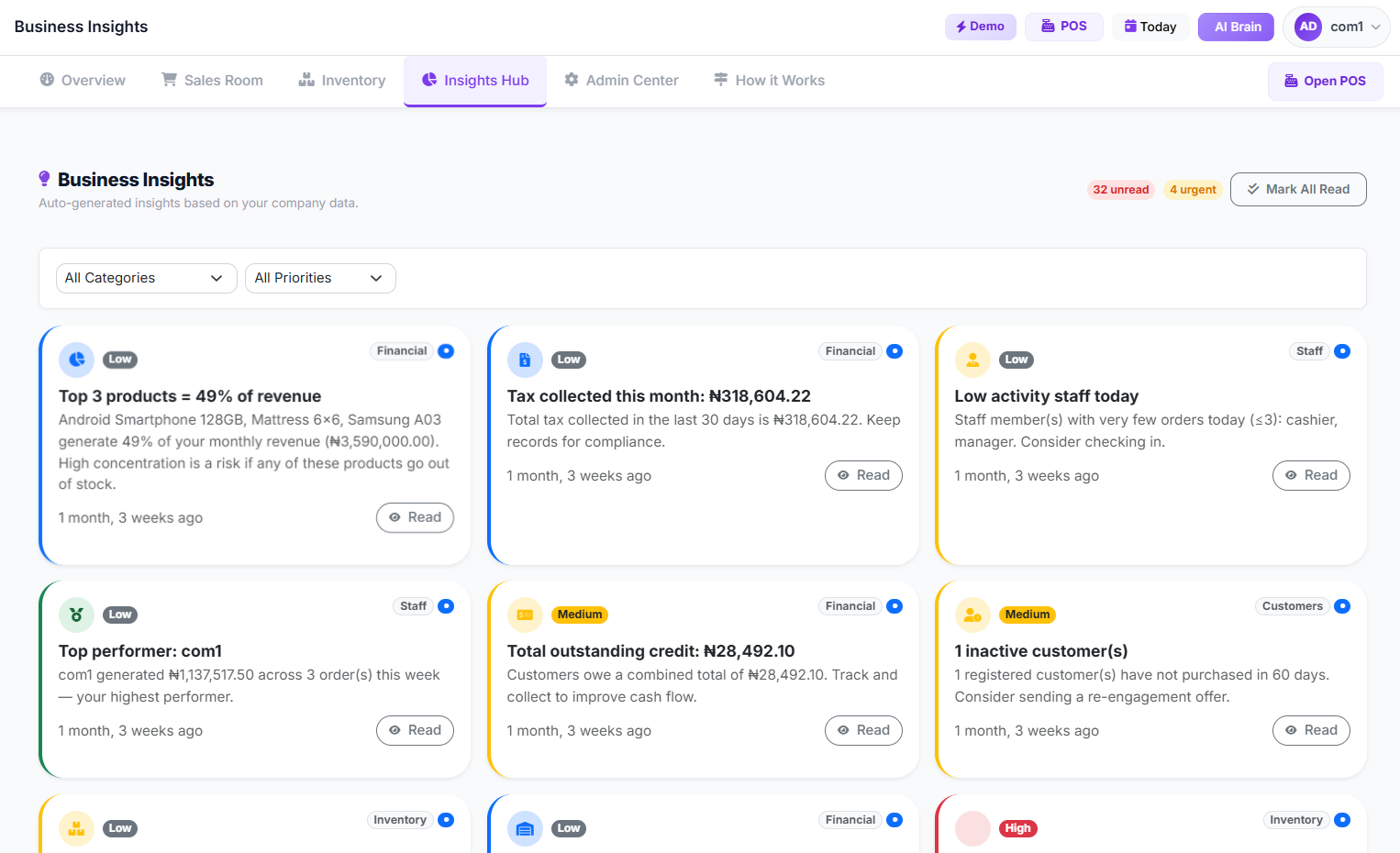 business insights
<blockquote style="background-color: #f9f9f9; border-left: 5px solid #ccc; padding: 15px; margin: 15px 0;">
"In Nigeria, what gets measured gets managed. What doesn't get measured simply disappears – often into someone else's pocket or as wasted product."
</blockquote>
Real Questions People Ask (FAQ)
You've got questions, I've heard them all. Here are some of the most common ones when it comes to starting a beverage business in Nigeria.
How much capital do I really need to start a beverage business in Nigeria?
Honestly, for a small-to-medium scale operation, you're looking at a minimum of ₦700,000 to ₦1,500,000. This covers registration, basic equipment, initial raw materials, packaging, and maybe 2-3 months of working capital. If you're going for a more established setup with better equipment and a prime location, expect to spend ₦3,000,000 to ₦5,000,000 or even more. Don't forget that borehole or water treatment system, which can be a huge chunk.
Is the drinks business in Nigeria profitable?
Yes, it can be very profitable. The demand for refreshing drinks is constant, especially with our climate. Profit margins per unit can range from ₦50 to ₦200, depending on your product and market. The key is volume, efficient production, and tight cost control. A small provision store selling 200 bottles of a beverage daily at ₦100 profit per bottle makes ₦20,000 daily, which is ₦600,000 a month. That’s good money, but you need to manage expenses well.
How do I get NAFDAC approval for my beverage product?
You start by contacting NAFDAC directly or visiting their website. The process involves submitting an application, product samples for laboratory analysis, facility inspection to ensure hygiene and proper production practices, and documentation of your ingredients and processes. It’s thorough, it takes time (sometimes months), and it costs money (₦50,000 - ₦150,000 for small scale), but it's non-negotiable for legitimacy and consumer trust.
What are the biggest challenges for drinks distribution in Nigeria?
Oh, where do I even start? Infrastructure is a big one – bad roads increase fuel costs and wear-and-tear on vehicles. Then there's competition; everyone wants a piece of the market. Also, managing perishable goods in our heat without constant power (hello, generator fuel costs!) is tough. And finally, getting paid on time from retailers can be a headache. You need a robust strategy for your drinks distribution network.
Can I start a beverage business from home?
You can start small, perhaps with recipe development and initial testing. However, for NAFDAC approval, you'll eventually need a dedicated, clean production space that meets their standards. It's very unlikely they'll approve a product produced in a residential kitchen. So, while you can begin some aspects from home, you'll need a proper facility to scale and become fully legitimate.
Your Next Move
You've read through this, and I hope it's given you a clearer picture of what it truly takes to succeed. Starting a beverage business in Nigeria isn't for the faint of heart, but with the right preparation, dedication, and the right tools, you can build something truly great.
Don't let the numbers scare you. Let them guide you. Start small, validate your product, get your paperwork in order, and then scale intelligently. And as your business grows, remember that managing it effectively is key. Consider exploring solutions like SwiftPOS NG. It’s designed to help Nigerian businesses like yours manage sales, inventory, customers, and expenses, giving you the insights you need to make smart decisions and grow your business without the headaches of manual record-keeping. You can even manage multiple branches as you expand.
Ready to take control of your business operations? Learn more about SwiftPOS NG and start your free trial today.