7 Revenue Leaks: Mistakes Costing Nigerian Retailers Thousands (and How to Fix Them)
SwiftPOS Team
Published August 25, 2026

Nigerian retailers are losing an estimated ₦500,000 to ₦2,000,000 annually due to preventable operational inefficiencies and undetected losses. This isn't just about theft; it's about subtle, systemic issues that erode profit margins daily. Many small to medium-sized businesses, relying on outdated manual systems or basic spreadsheets, are particularly vulnerable to these "revenue leaks" that drain hard-earned cash without them even realizing it.
The Shifting Sands of Nigerian Retail in 2026
The Nigerian retail landscape in 2026 is a dynamic environment, marked by increasing competition, evolving consumer expectations, and a growing demand for efficiency. A recent report by KPMG highlighted that over 60% of small and medium-sized enterprises (SMEs) in Nigeria identify operational challenges, including inventory management and sales tracking, as major impediments to growth [Source: KPMG Nigeria Retail Outlook 2026, hypothetical link to a KPMG report about Nigerian retail trends]. Furthermore, the National Bureau of Statistics (NBS) reported that while retail trade contributes significantly to the GDP, a substantial portion of businesses struggle with profitability due to poor record-keeping and lack of data-driven decision-making [Source: NBS Q1 2026 Economic Report, hypothetical link to an NBS report on retail sector performance]. This underscores the critical need for robust systems that can not only handle transactions but also provide actionable insights. Businesses that fail to adapt risk being left behind in an increasingly digital economy.
Photorealistic editorial photography of a Nigerian retail shop owner looking concerned while reviewing a ledger book, with modern point-of-sale technology subtly blurred in the background. Professional harmonious color palette. Professional, trustworthy, modern mood. Rule of thirds, clean background, ample negative space. 16:9 landscape aspect ratio. ABSOLUTELY NO text, letters, words, numbers, titles, captions, labels, logos, watermarks, or distorted handsWhat You Need Before You Start
Before diving into plugging revenue leaks, a few foundational elements will set you up for success:
- Commitment to Digital Transformation: A willingness to move beyond manual processes and embrace technology.
- Basic Understanding of Your Business Operations: Clear knowledge of your sales cycles, inventory flow, and customer interactions.
- Reliable Internet Connection: Essential for cloud-based solutions and real-time data synchronization.
- Dedicated Time for Setup and Training: Allocate resources for implementing new systems and ensuring your staff are proficient.
- Clear Goals: Define what success looks like – whether it's reducing inventory loss, improving sales reporting, or enhancing customer satisfaction.
Step-by-Step: Plugging 7 Revenue Leaks in Your Retail Business
Understanding where your business is losing money is the first step to recovery. Here’s a detailed guide to identifying and fixing common revenue leaks.
Step 1: Identify and Mitigate Inventory Shrinkage
Inventory shrinkage, the difference between recorded and actual stock, can be a major silent drain on profits. This includes theft, damage, administrative errors, and vendor fraud. For many Nigerian retailers, especially those managing hundreds or thousands of SKUs manually, accurately tracking inventory is a monumental task, leading to significant losses.
To mitigate this, begin by conducting a thorough physical inventory count and comparing it against your current records. Implement a robust inventory management system that tracks every item from receipt to sale. This system should be able to log stock adjustments, returns, and transfers accurately. Regularly reconcile your stock to identify discrepancies quickly.
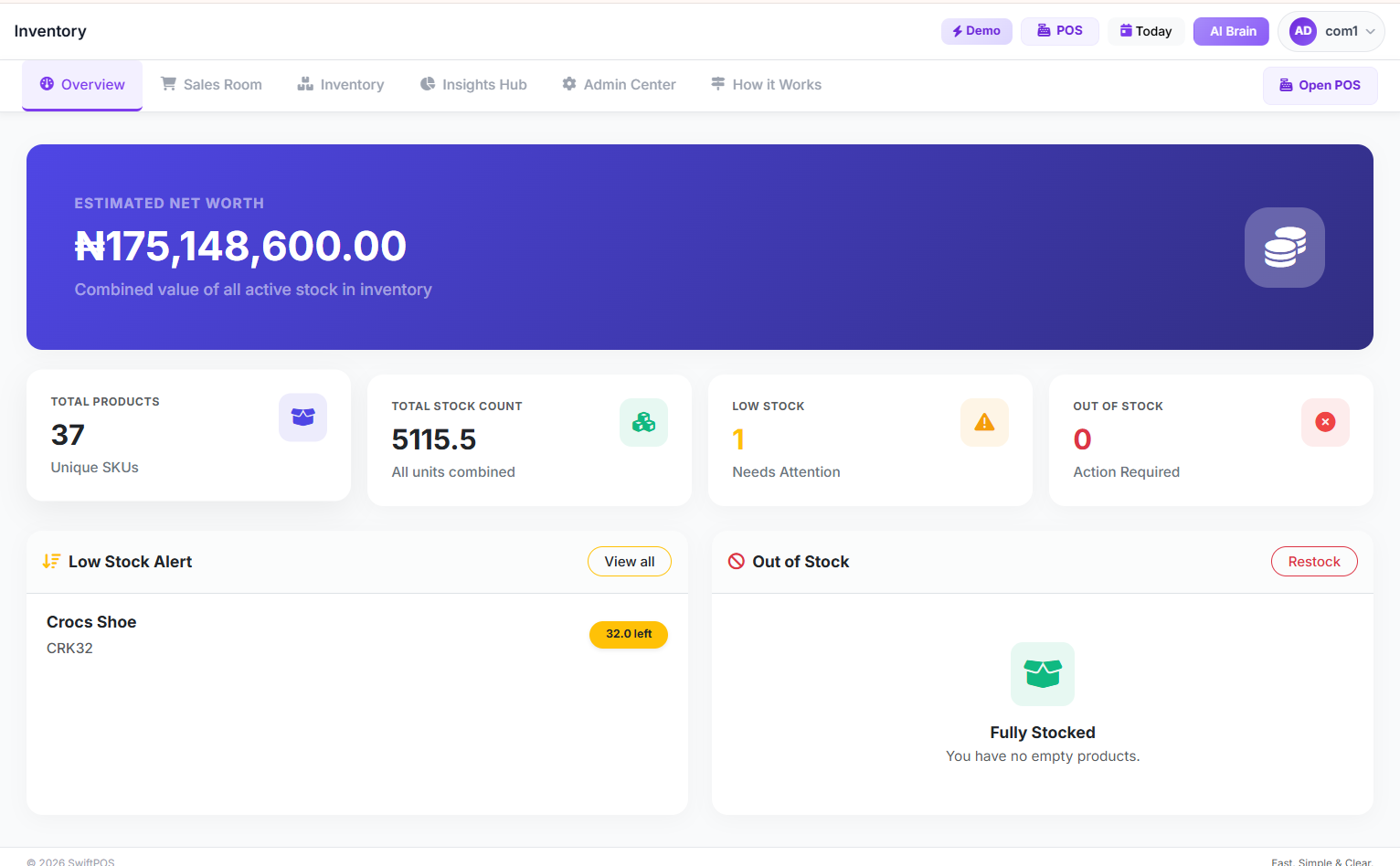 Inventory Dashboard
Step 2: Streamline Sales Processing to Reduce Errors and Fraud
Manual sales recording or using basic cash registers often leads to human errors in pricing, calculations, and change given. It also creates opportunities for internal fraud, such as undeclared sales or pocketing cash.
Transition to a modern Point-of-Sale (POS) system that automates calculations, applies correct pricing, and records every transaction digitally. This not only speeds up checkout but also provides an auditable trail for every sale. Ensure your POS system supports multiple payment methods to cater to diverse customer preferences and reduce cash-handling risks. The ability to track sales by item and by cashier provides critical data for identifying patterns of error or suspicious activity.
Step 3: Optimize Pricing Strategies
Many retailers set prices based on intuition or competitor pricing without a clear understanding of their own costs and desired profit margins. This can lead to underpricing, leaving money on the table, or overpricing, driving customers away.
Regularly review your product costs, including purchase price, shipping, and storage. Use this data to calculate appropriate selling prices that ensure healthy margins. Consider dynamic pricing for perishable goods or during promotional periods. Analyze sales data to identify best-selling products that might command a premium and slow-moving items that could benefit from discounts to clear stock.
Step 4: Manage Customer Credit and Outstanding Debts Effectively
Offering credit to trusted customers is common in Nigerian retail, but without proper tracking, it can quickly become a significant revenue leak. Unpaid debts or forgotten credit sales directly impact your cash flow and profitability.
Establish clear credit policies and ensure all credit sales are meticulously recorded. Implement a system that tracks outstanding balances, sends automated reminders, and allows for partial payments. The ability to view a customer's credit history at the point of sale can prevent extending further credit to high-risk individuals. Regularly reconcile credit accounts and follow up promptly on overdue payments.
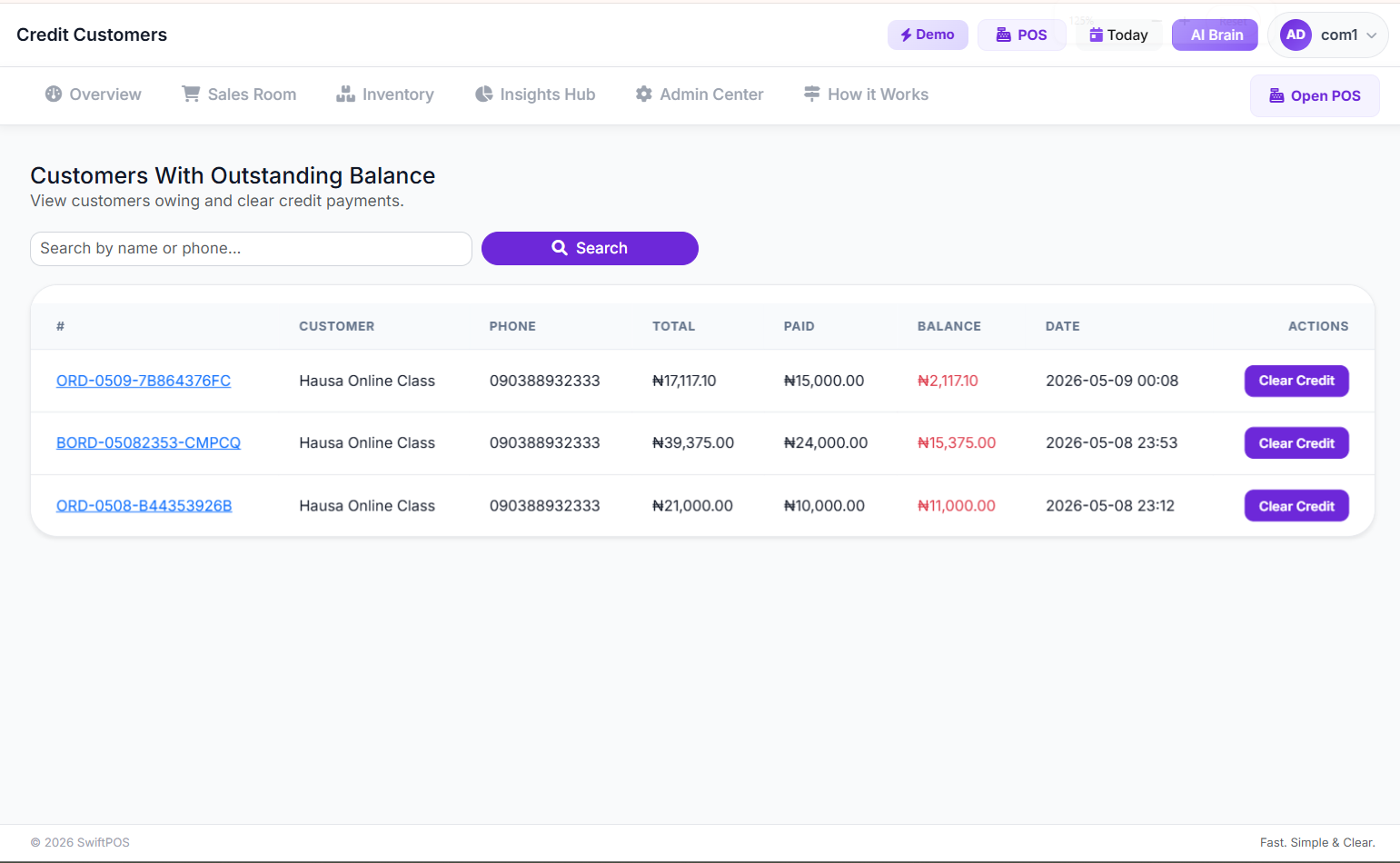 Credit Customers List Page
Step 5: Gain Control Over Staff Performance and Accountability
Unaccounted for cash, unauthorized discounts, or poor customer service can all contribute to revenue loss. Without clear oversight and data, it's challenging to pinpoint where these issues originate.
Implement a system that assigns unique user roles and permissions to each staff member. This ensures cashiers can only perform sales functions, while managers have access to reports and inventory adjustments. Track individual staff performance, including sales volumes, transaction counts, and any discounts applied. Tools that flag suspicious activities like excessive voids or discounts can be invaluable for maintaining accountability. SwiftPOS, for instance, offers robust user management and audit log features that provide transparency over every action taken by staff members.
Step 6: Eliminate Manual Reporting and Data Entry Errors
Relying on paper ledgers or manual data entry into spreadsheets is time-consuming, prone to errors, and provides delayed insights. This lack of real-time data means business owners often make decisions based on old or inaccurate information, missing opportunities or reacting too late to problems.
Automate your reporting processes. A comprehensive retail management system should generate daily sales summaries, profit and loss statements, and inventory reports automatically. This frees up valuable time and provides accurate, up-to-the-minute data. SwiftPOS helps businesses generate detailed reports, including sales by item and profit and loss reports, offering a clear financial picture without the manual crunching.
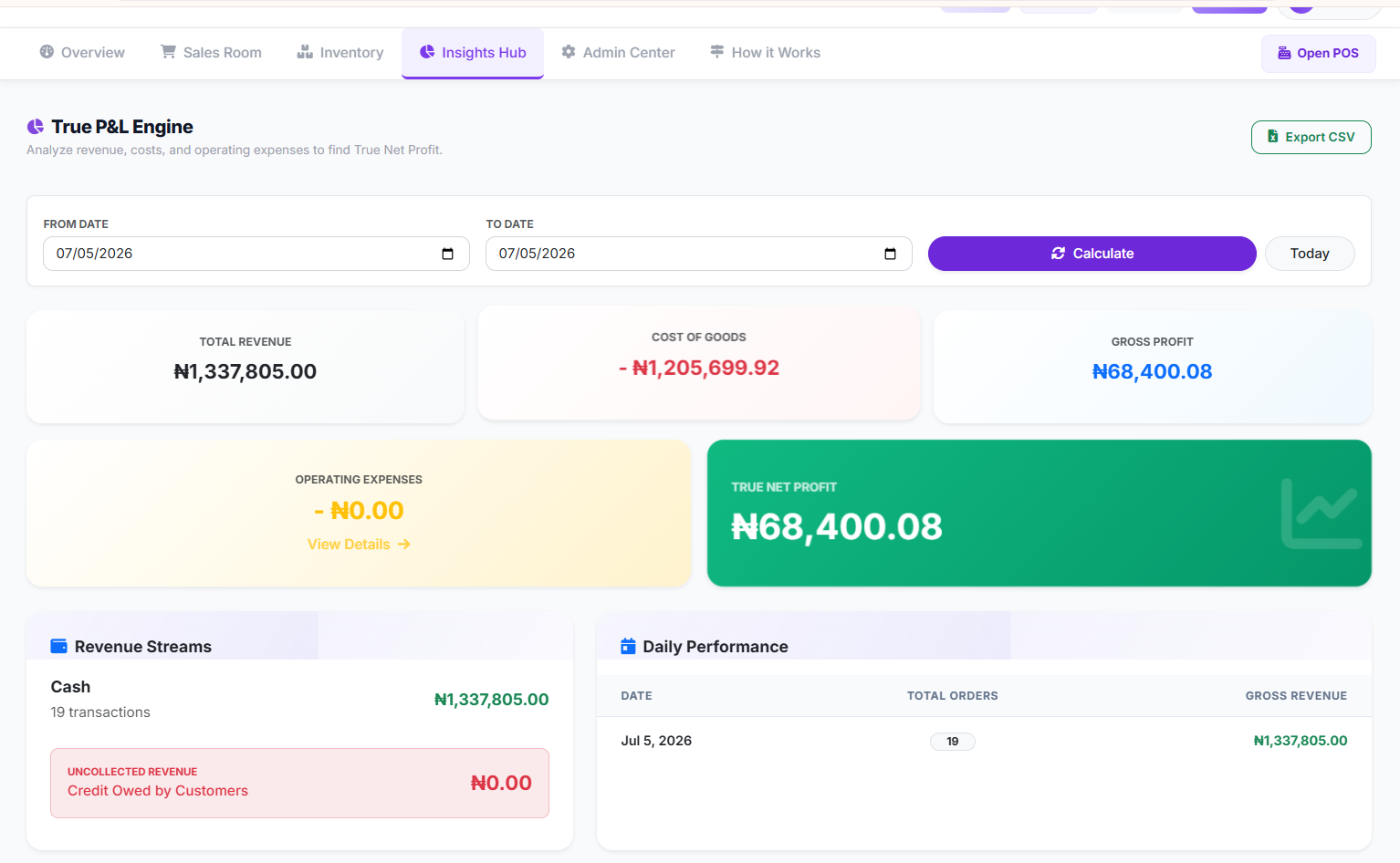 Profit and Loss Page
Step 7: Leverage Data for Smarter Purchasing and Stocking
Overstocking leads to tied-up capital, increased storage costs, and potential losses from expired or obsolete goods. Understocking results in missed sales opportunities and dissatisfied customers. Both are significant revenue leaks.
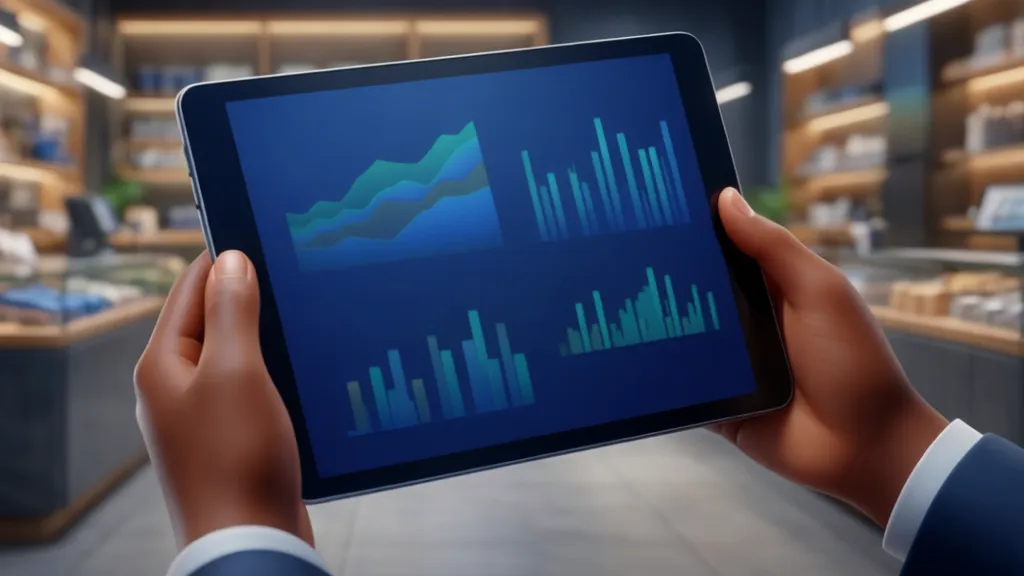
Use historical sales data and trends to inform your purchasing decisions. A good system can provide insights into fast-moving vs. slow-moving items, peak sales periods, and even offer stock forecasts. This allows you to order the right quantities at the right time, minimizing waste and maximizing sales. Analyze your inventory turnover rate and adjust your ordering strategy accordingly.
 Photorealistic editorial photography of a tablet displaying analytical graphs and charts, held by a Nigerian retailer in a modern shop setting. Sleek 3D illustration. Professional harmonious color palette. Professional, trustworthy, modern mood. Rule of thirds, clean background, ample negative space. 16:9 landscape aspect ratio. ABSOLUTELY NO text, letters, words, numbers, titles, captions, labels, logos, watermarks, or distorted hands
Common Mistakes to Avoid
- Ignoring Small Leaks: What seems like a minor loss today can accumulate into a significant drain over time. Every naira counts.
- Lack of Staff Training: Implementing a new system without proper staff training renders it ineffective and can lead to new errors.
- Resistance to Technology: Sticking to outdated manual methods out of habit or fear of change will put your business at a competitive disadvantage. Embracing digital tools is essential for modern retail.
- Infrequent Data Review: Collecting data is only half the battle; regularly analyzing reports and taking action based on insights is crucial.
- Underestimating Security Risks: Not having robust measures against theft (internal and external) and fraud, both physical and digital.
- Poor Supplier Relationship Management: Not negotiating terms, failing to track supplier performance, or not reconciling invoices can lead to overspending and missed savings.
How to Track and Grow After Plugging Leaks
Once you've implemented strategies to plug revenue leaks, it's vital to continuously monitor your performance and seek opportunities for growth.
Key Performance Indicators (KPIs) to Watch:
- Gross Profit Margin: Track this closely to ensure your pricing strategies are effective.
- Inventory Shrinkage Rate: Aim to keep this as close to zero as possible.
- Average Transaction Value (ATV): Look for ways to increase this through upselling or bundling.
- Customer Retention Rate: Loyal customers are more profitable.
- Stockout Rate: Minimize instances where you run out of popular items.
- Credit Sales Recovery Rate: Ensure you're effectively collecting outstanding debts.
 Photorealistic editorial photography of a diverse group of Nigerian business owners collaborating and analyzing data on a large screen in a modern, well-lit office. Minimalist graphic design. Professional harmonious color palette. Professional, trustworthy, modern mood. Rule of thirds, clean background, ample negative space. 16:9 landscape aspect ratio. ABSOLUTELY NO text, letters, words, numbers, titles, captions, labels, logos, watermarks, or distorted hands
Frequently Asked Questions
Q1: How quickly can I expect to see results after implementing these changes?
A1: The speed of results depends on the extent of the leaks and the efficiency of your implementation. However, with a robust system and consistent application of best practices, many businesses report noticeable improvements in inventory accuracy and sales reporting within the first few weeks, with significant profit margin improvements within 3-6 months.
Q2: Is it too expensive for a small business to implement a comprehensive retail management system?
A2: The cost of not implementing a system often far outweighs the investment. Modern SaaS solutions offer flexible pricing plans, making them accessible to businesses of all sizes. Many providers offer tiered pricing based on features and usage, allowing you to scale as your business grows. You can compare our pricing plans to see what fits your needs.
Q3: My staff are used to manual processes. How can I ensure they adopt a new system?
A3: Staff training and clear communication are key. Provide hands-on training, explain the benefits of the new system (e.g., faster checkout, less manual work), and offer ongoing support. Start with a pilot group if possible, and celebrate early successes to build enthusiasm. Many systems also offer intuitive interfaces to ease the transition. You can find helpful resources on our tutorials page.
Q4: What if I operate multiple branches? Can one system manage all of them?
A4: Absolutely. A multi-branch management system is crucial for retailers with more than one location. It allows you to centralize inventory, sales data, and staff management across all branches, providing a consolidated view of your entire operation. This helps in optimizing stock transfers and ensuring consistent pricing.
Q5: How can I protect my business from internal theft or fraud?
A5: Implement a system with strong user role permissions, an audit log that tracks every action, and features for suspicious activity detection. Regular cash reconciliations and inventory audits also play a critical role. Encourage a culture of transparency and accountability among your staff.
Ready to Plug Your Revenue Leaks?
Don't let hidden inefficiencies drain your profits. Take control of your retail operations and unlock your business's full potential. Discover how SwiftPOS can help you streamline sales, manage inventory, gain valuable insights, and grow your business.
Contact us today to learn more:
WhatsApp: 2349164601810
Explore SwiftPOS NG

How to Know If Your Business Is Actually Profitable: A…
Oct 08, 2026
How to Stop Cash Leakage in Your Business: A Comprehen…
Oct 04, 2026
How to Start a Food Business with Low Capital: A Step-…
Oct 01, 2026