How to Stop Cash Leakage in Your Business: A Comprehensive Guide
SwiftPOS Team
Published October 04, 2026

In Nigeria, many small and medium retail businesses lose between 1% to 5% of their revenue annually to various forms of "cash leakage." This isn't just about missing physical cash; it includes inventory shrinkage, unrecorded sales, fraudulent returns, and even subtle employee theft. For a business generating ₦500,000 in monthly sales, even 1% leakage means losing ₦60,000 each year – money that could have been profit or reinvested.
Nigerian shop owner looking worried at ledgersThe Silent Drain: Why Cash Leakage is a Major Threat in 2026
The retail landscape in Nigeria in 2026 is competitive, and every naira counts. Businesses are constantly battling rising operational costs, from fluctuating fuel prices to increasing rent (which can range from ₦150,000 annually for a small kiosk in a local market to ₦5,000,000+ for a commercial space in Lagos or Abuja). In this environment, unchecked cash leakage can quickly erode profits, turning a seemingly successful operation into a struggling one.
Many Nigerian retailers still rely on manual record-keeping or basic spreadsheets, which, while seemingly cost-effective, create significant vulnerabilities. The "Hidden Costs of Manual Retail Operations in Nigeria" are often far greater than perceived. Without robust systems, it becomes incredibly difficult to track every transaction, manage inventory accurately, and monitor staff activities. This lack of oversight provides ample opportunities for intentional or unintentional losses. For instance, a basic CCTV system might cost ₦80,000 - ₦250,000, but it only offers a reactive solution, not a preventative one for internal fraud. Similarly, a trustworthy cashier's salary ranges from ₦45,000 - ₦90,000 monthly, highlighting the importance of protecting your investment in good staff through clear processes and tools.
What You Need Before You Start
Before diving into specific prevention strategies, ensure you have the foundational elements in place to effectively combat cash leakage and implement robust retail cash control:
- Clear Policies & Procedures: Documented rules for handling cash, managing inventory, processing returns, and staff conduct.
- Dedicated Staff Training: Ensure all employees understand their roles, the policies, and the importance of preventing losses.
- Reliable Internet Connectivity: A stable internet connection (budget ₦10,000 - ₦30,000 monthly) is crucial for cloud-based systems and real-time data.
- Basic Security Measures: A secure cash box or safe (₦25,000 - ₦100,000) and possibly a basic CCTV system.
- Willingness to Adapt: Be open to adopting new technologies and changing old habits.
- Understanding of Your Business: A clear picture of your average sales, busiest times, and common transaction types.
Step-by-Step: How to Stop Cash Leakage in Your Business
Stopping cash leakage requires a multi-faceted approach, combining technology, processes, and people management. Follow these steps to significantly reduce losses and improve your business's profitability.
Step 1: Implement a Modern Point-of-Sale (POS) System
The first and most critical step in preventing cash leakage is moving away from manual or spreadsheet-based systems. A modern POS system provides real-time tracking of sales, inventory, and payments, creating an auditable trail for every transaction. This drastically reduces opportunities for unrecorded sales or deliberate manipulation.
Look for a system that offers different POS modes to suit your business needs, such as a barcode POS for high-volume transactions, or a classic POS for quick product selection. The ability to record various payment methods—cash, POS/card, bank transfer, mobile money, and even split payments—ensures all revenue streams are captured accurately. Beyond just sales, a good POS system like SwiftPOS integrates inventory management, customer tracking, and staff oversight, making it a powerful tool for business fraud prevention.
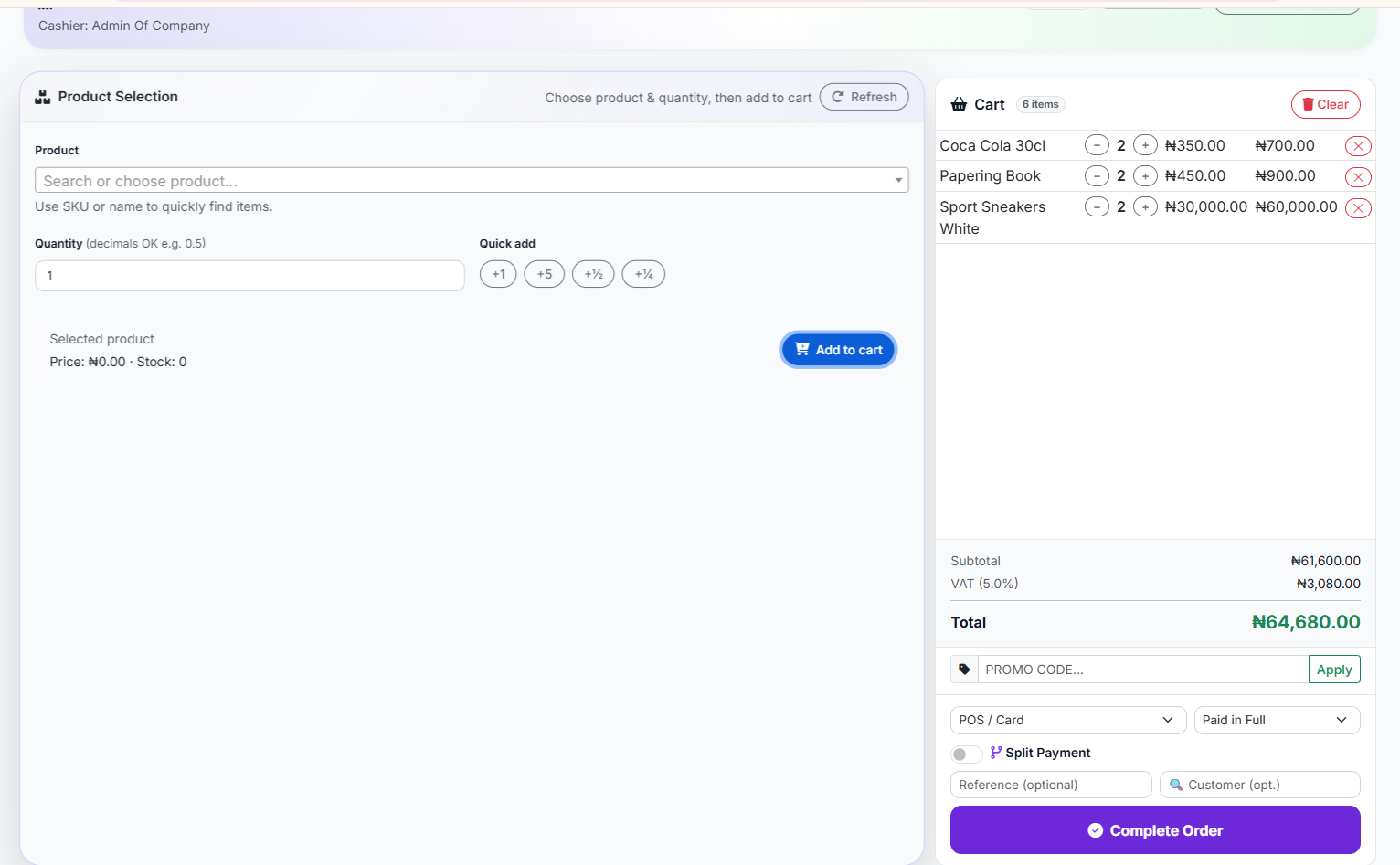 Classic POS Interface (List select)
Step 2: Fortify Your Inventory Management
Inventory shrinkage, whether due to theft, damage, or administrative errors, is a major form of cash leakage. Robust inventory management ensures that what you buy matches what you sell, what you have on hand, and what you should have in your accounts.
Start by accurately cataloguing all your products, including cost prices, selling prices, and stock quantities. If you run a provision store or pharmacy, tracking expiration dates is vital to prevent losses from expired goods. For businesses with multiple branches or a central warehouse, the ability to track stock separately by location and manage transfers efficiently is crucial. Regularly conduct stock adjustments for damages, returns, or new stock received, ensuring that every change is recorded. Tools that allow bulk product import and export can save significant time, especially for businesses with extensive product lists, as detailed in our guide on Nigerian Retailers: Stop Manual Stock Takes & Boost Sales with POS Software.
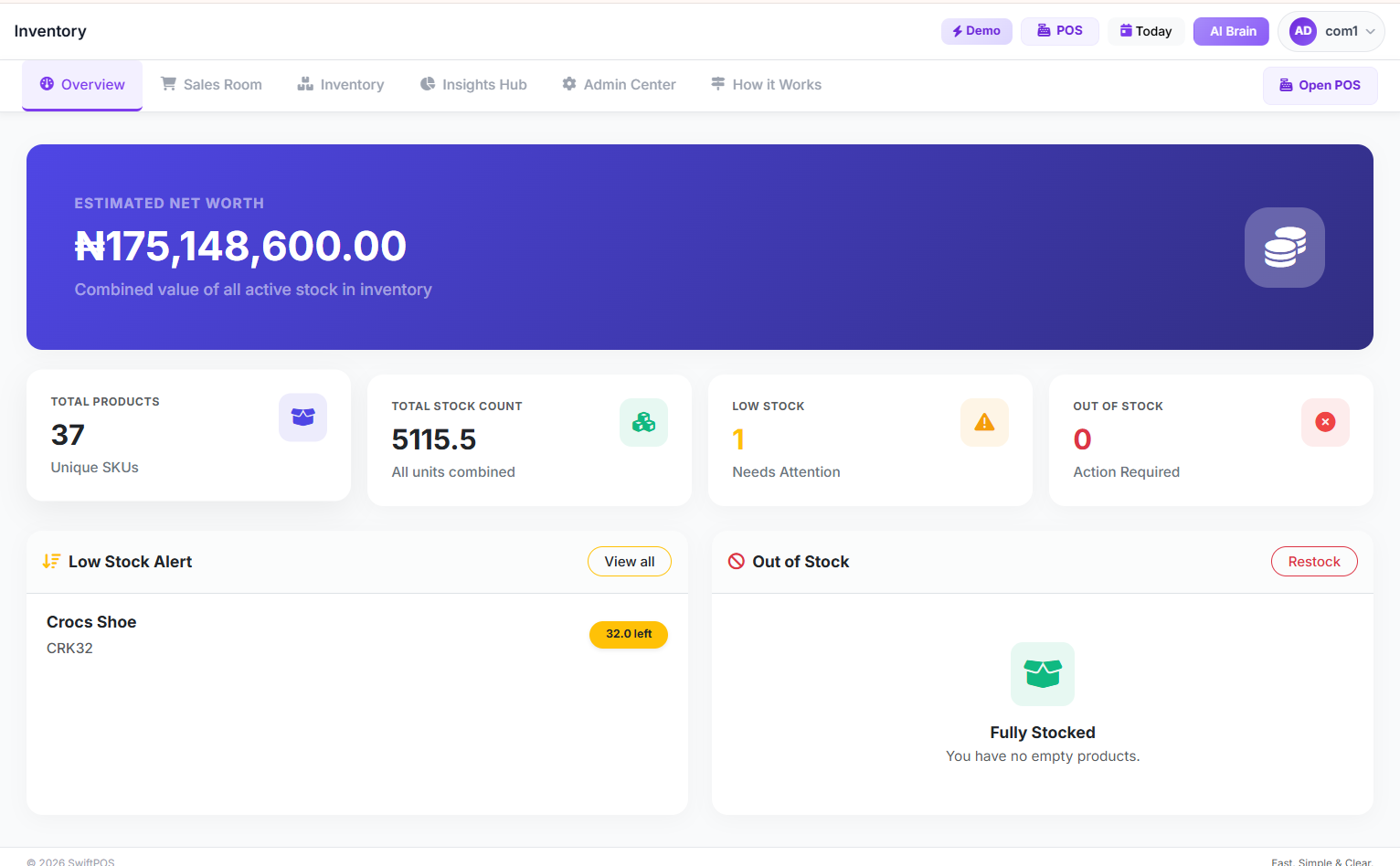 Inventory Dashboard
Step 3: Implement Strict Cashier Management and Staff Controls
Employee theft and poor cashier management are significant contributors to cash leakage. Even seemingly minor discrepancies can add up. To mitigate this, establish clear roles and permissions for your staff. A cashier should have access only to functions necessary for sales, while managers have broader oversight.
Key features to look for in your system include manager approval for sensitive actions like price overrides, discounts, or voiding orders. A supervisor PIN can be required for such actions, creating an additional layer of accountability. Crucially, your system should maintain staff activity records, logging logins, logouts, sales, cancellations, and product changes. This audit trail is invaluable for identifying suspicious activity and addressing discrepancies. Our article on How to Set Staff Access Permissions in Retail Software in Nigeria (2026 Guide) provides a detailed walkthrough.
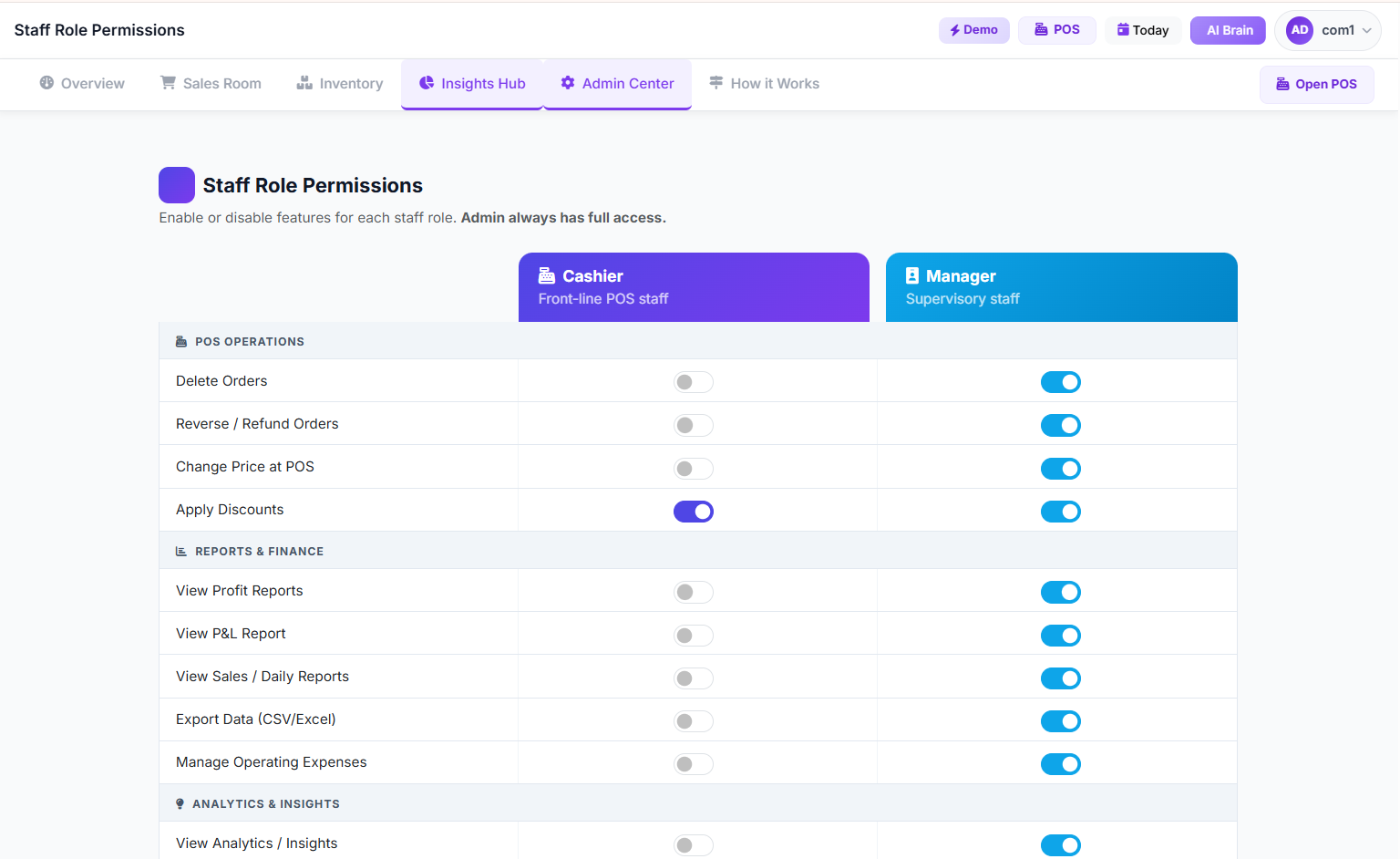 Staff Roler Permissions Page
Step 4: Enhance Payment Processing and Reconciliation
Inaccurate payment recording is a direct cause of cash leakage. Ensure every transaction, regardless of the payment method, is accurately captured and reconciled daily. This includes cash, card payments, and mobile transfers.
Implement a system that supports end-of-day reconciliation for cashiers, where they can account for all sales against payments received. This process helps identify shortages or overages quickly. For card and mobile payments, reconcile daily reports from your payment processors with your POS sales data. Any discrepancies should be investigated immediately. Consider systems that can provide detailed sales reports and transaction histories, allowing you to cross-reference with bank statements.
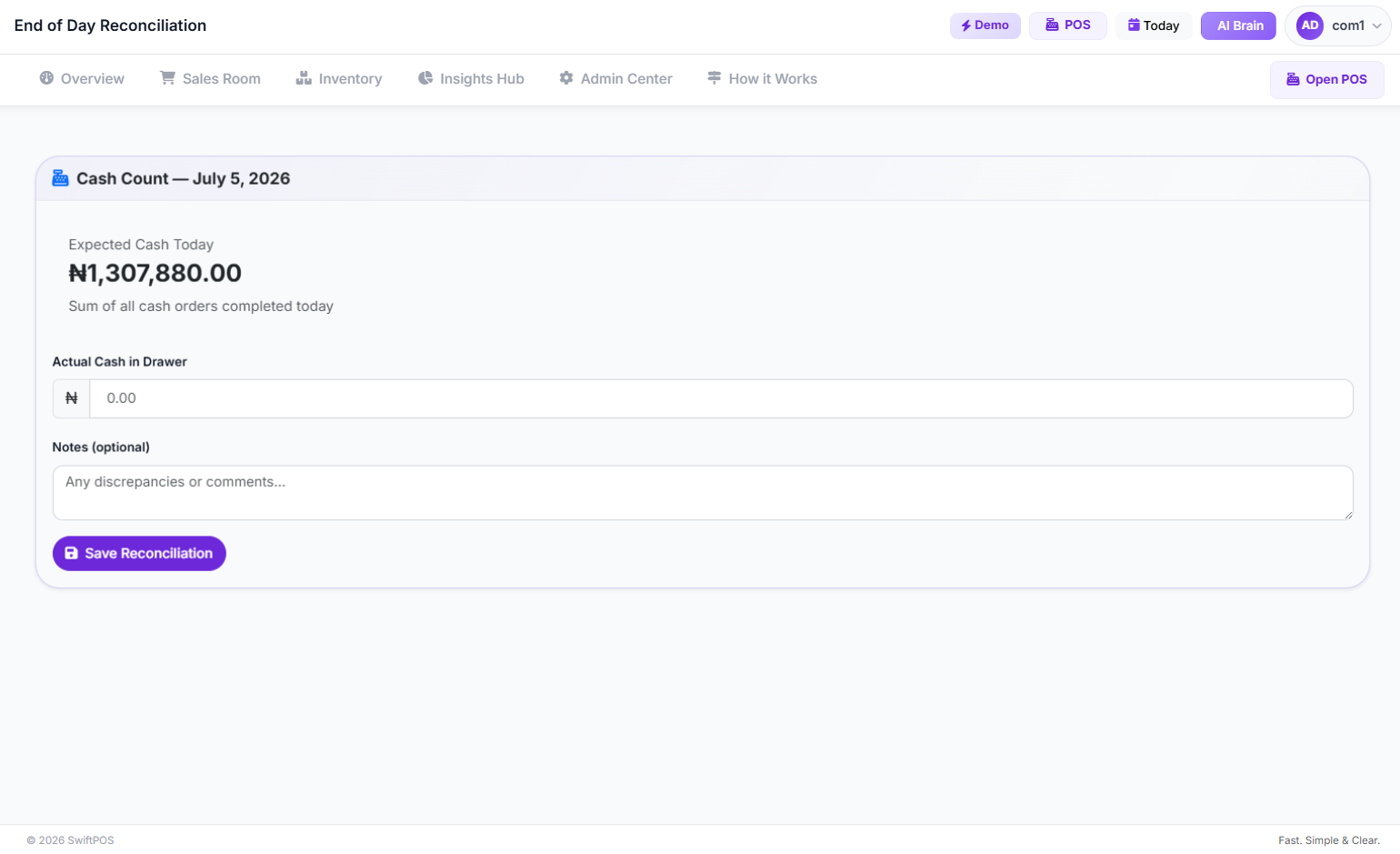 End Of Day reconciliation page
Step 5: Leverage Data for Business Insights and Fraud Detection
Beyond preventing immediate losses, a robust system should provide insights to proactively identify potential areas of leakage and business fraud prevention. This involves analyzing sales data, inventory movements, and staff performance.
Look for tools that offer business insights, flagging unusual patterns such as excessive voids, frequent discounts by a specific staff member, or sudden drops in sales for popular items without corresponding inventory movement. Stock forecasting can also help identify potential dead stock or overstock situations, which tie up capital and can lead to losses. Regularly reviewing reports on gross profit and true net profit, after accounting for all operating expenses, gives you a clear picture of your business's financial health and helps identify where money might be draining.
> "In the retail world, what you don't measure, you can't manage. And what you don't manage, you will certainly lose."
Step 6: Implement Physical Security and Checks
While technology is powerful, physical security measures remain essential to complement your digital efforts in retail cash control.
- Secure Cash Handling: Always use a secure cash box or safe. Cash should be removed from the till and deposited into the safe at regular intervals, especially during busy periods.
- CCTV Surveillance: Strategically placed cameras can deter theft and provide evidence if an incident occurs. Ensure cameras cover cash registers, stock rooms, and entry/exit points.
- Random Spot Checks: Conduct unannounced cash counts and inventory checks. This keeps staff vigilant and helps identify discrepancies before they become major issues.
- Employee Background Checks: For new hires, especially those handling cash or inventory, conducting a basic background check (costing ₦5,000 - ₦15,000 per employee) can significantly reduce risks.
 Nigerian supermarket shelves stocked with goods
Common Mistakes to Avoid
- Over-reliance on Trust Alone: While trust is important, systems and processes are essential safeguards. Do not assume staff will always act with perfect integrity without proper checks.
- Ignoring Small Discrepancies: A missing ₦500 today could be ₦5,000 tomorrow. Investigate every anomaly, no matter how small.
- Lack of Training: Implementing new systems without adequately training staff can lead to errors and resistance, undermining the system's effectiveness.
- Infrequent Audits: Regular internal and external audits (a professional business audit can cost ₦150,000 - ₦500,000) are vital for uncovering systematic issues or sophisticated fraud.
- Not Backing Up Data: In case of system failure or cyber-attack, losing sales and inventory data is a major form of cash leakage. Ensure data is regularly backed up, preferably to a secure cloud server.
- Neglecting Customer Service: While preventing leakage, don't forget the customer experience. Overly aggressive security measures can alienate loyal customers.
How to Track and Grow After Launch
Once you've implemented strategies to curb cash leakage, the next step is to continuously monitor your progress and use the newfound efficiency to drive growth.
Key Performance Indicators (KPIs) to Watch:
- Shrinkage Rate: Calculate this as (Cost of missing inventory / Total sales revenue) x 100. Aim to keep this below 1%.
- Cash Shortage/Overage: Track daily discrepancies in cash reconciliation. Ideally, this should be zero.
- Void/Return Rate: Monitor the percentage of transactions that are voided or returned. High rates could indicate issues with staff training, product quality, or potential fraud.
- Gross Profit Margin: A healthy gross profit margin indicates effective pricing and inventory management, meaning less cash is leaking through poor purchasing or pricing.
- Employee Productivity: Track sales per employee or transactions per hour to identify high performers and areas for additional training.
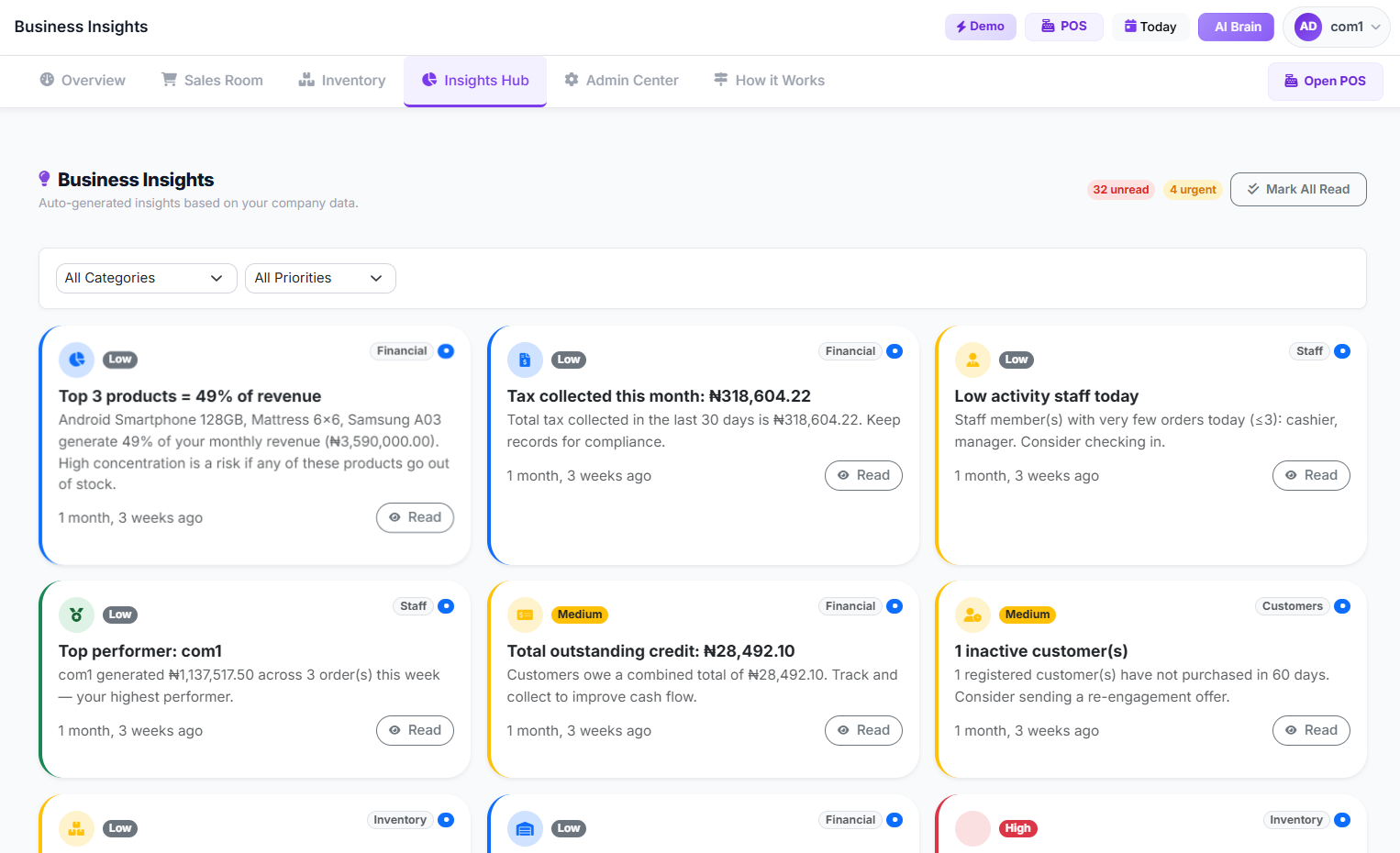 Business Insights Pages
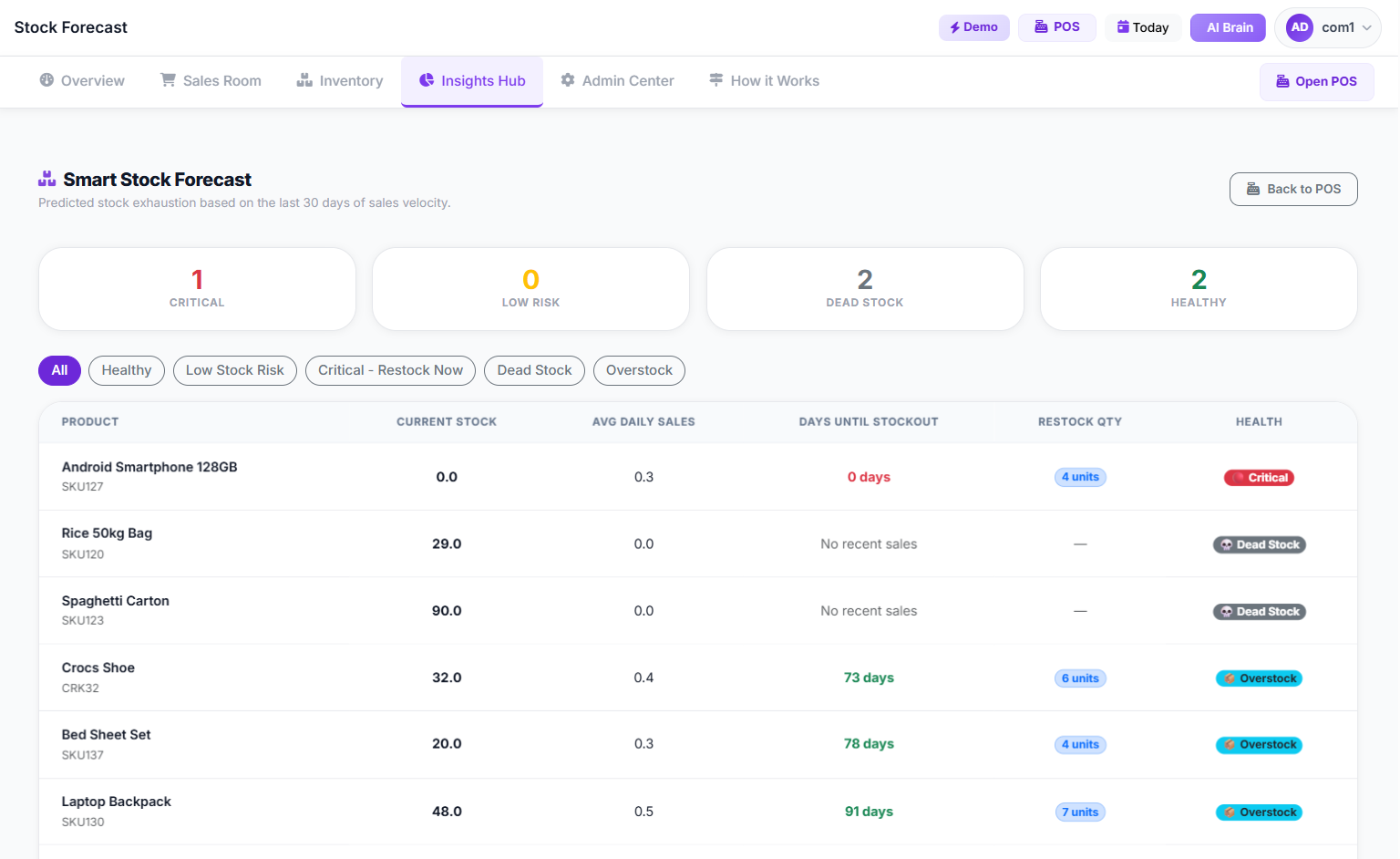 Smart Store Forecast Pages
Frequently Asked Questions
Q1: How much money do Nigerian businesses typically lose to cash leakage?
Nigerian businesses, especially small and medium-sized retail outlets, can lose anywhere from 1% to 5% of their total revenue to cash leakage. For a business with ₦1,000,000 in monthly sales, this could mean losing ₦120,000 to ₦600,000 annually. This figure often includes inventory shrinkage, unrecorded sales, fraudulent activities, and administrative errors.
Q2: Is cash leakage only about physical cash going missing?
No, cash leakage is a broader term. While it includes physical cash shortages, it also encompasses losses from inventory shrinkage (due to theft, damage, or poor tracking), unrecorded sales, fraudulent returns, excessive discounts, supplier fraud, and even expired or obsolete stock that ties up capital. It's any loss of value that drains profit from your business.
Q3: Can a small business afford the technology to prevent cash leakage?
Absolutely. The cost of not implementing preventive measures often far outweighs the investment in technology. While a basic POS terminal might cost ₦60,000 - ₦150,000 as a one-time purchase, and inventory management software subscriptions range from ₦10,000 - ₦35,000 monthly, these costs are typically much less than the 1-5% revenue loss experienced by businesses without such systems. Many solutions offer scalable plans suitable for small businesses, and the return on investment (ROI) is often quick, as highlighted in our article on POS System ROI: Calculating True Value for Nigerian Retailers.
Q4: How can I effectively manage staff to prevent internal theft?
Effective staff management for fraud prevention involves a combination of clear policies, proper training, and technological oversight. Implement a system that allows you to set different staff permissions, require manager approval for sensitive transactions, and keeps an audit log of all staff activities. Regular, unannounced cash and inventory checks, along with a secure workplace environment, also play a vital role. Consistent monitoring and a culture of accountability are key.
Q5: What role does inventory management play in preventing cash leakage?
Inventory management is crucial because unmanaged stock is a major source of leakage. Without accurate tracking, products can go missing (theft), expire (especially for consumables), or be miscounted, leading to inaccurate financial records. A robust inventory system ensures you know exactly what you have, what you've sold, and what you need to reorder, directly impacting your bottom line and preventing capital from being tied up in dead stock. For more insights, read about Nigerian Retailers: Inventory Management Mistakes Crushing Your Profits.
Ready to Take Control of Your Business's Finances?
Don't let cash leakage silently drain your profits. Implementing the right strategies and tools can transform your business's financial health, ensuring every naira earned stays where it belongs. Explore how a comprehensive business management and POS platform can empower you to manage sales, stock, staff, and expenses more effectively. Visit app.swiftpos.ng to start your journey towards a more secure and profitable retail operation.

How to Start a Food Business with Low Capital: A Step-…
Oct 01, 2026
Cost to Open a Mini Supermarket in Nigeria: A Detailed…
Sep 28, 2026
5 Best POS Systems for Small Businesses in Nigeria (20…
Sep 28, 2026