How to Start a Food Business with Low Capital: A Step-by-Step Guide
SwiftPOS Team
Published October 01, 2026
Have you ever dreamt of owning a thriving food business but felt limited by a tight budget? Many aspiring entrepreneurs in Nigeria believe they need millions to start, but the reality is often different. With strategic planning and a focus on essential steps, you can launch a profitable food business with low capital right here in 2026.
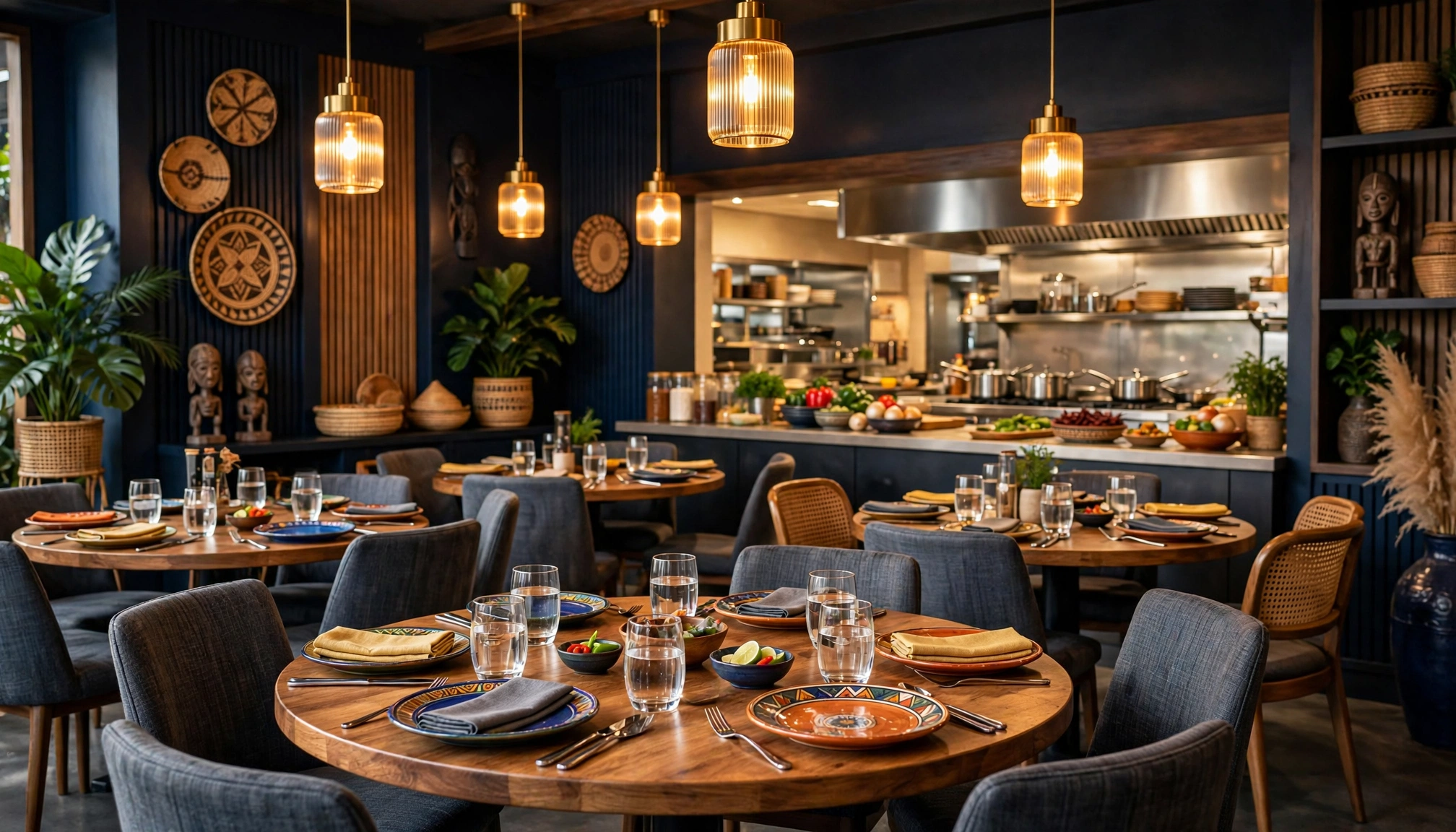
A nigerian street food vendor preparing a mealThe Nigerian Food Business Landscape in 2026
Nigeria's food industry remains a vibrant and essential sector, resilient even amidst economic shifts. In 2026, the demand for affordable, convenient, and delicious food continues to grow across all demographics. From bustling Lagos markets to smaller community stalls, food businesses thrive on local tastes and consistent quality. Small food businesses, especially those focusing on popular local dishes, often see impressive profit margins, ranging from 20% to 40% after expenses. This profitability is driven by direct consumer sales and the relatively low overheads compared to other retail ventures. Understanding the market, your target customers, and efficient operations are crucial for success in this competitive but rewarding space. For more insights into market profitability, explore resources like "Is Supermarket Business Profitable in Nigeria?" on our blogs page.
What You Need Before You Start
Launching any business requires a clear understanding of the foundational elements. For a small food business, these prerequisites are especially critical to ensure a smooth and compliant start:
- Business Registration: Registering your business with the Corporate Affairs Commission (CAC) is a mandatory first step. This typically costs between ₦15,000 and ₦30,000, whether you handle it yourself or use an agent.
- Food Handler's Certificate/Health Permit: Obtaining the necessary health permits from your local government area is non-negotiable for any food-related venture. Expect to spend ₦5,000 to ₦15,000, depending on your location and the type of food you plan to sell.
- Basic Cooking Equipment: For a home-based or small-scale operation, essential pots, pans, and utensils can range from ₦25,000 to ₦70,000. Focus on durability and versatility.
- Refrigeration: A small refrigerator or freezer is vital for preserving ingredients and finished products. Costs vary from ₦80,000 for a second-hand unit to ₦250,000 for a new, small-capacity model.
- Initial Raw Material Stock: Start small but source wisely. An initial stock of ingredients can cost ₦15,000 to ₦50,000, especially if you buy in bulk from local markets.
- Packaging Materials: Consider takeaway containers, branded bags, and serviettes. Budget ₦5,000 to ₦20,000 monthly for a small operation.
- Cooking Gas: A gas cylinder and initial refill will cost around ₦15,000 to ₦30,000, with monthly refills adding to your operating expenses.
- Marketing Budget: Even with low capital, allocate funds for basic promotion like flyers or social media data. A monthly budget of ₦3,000 to ₦10,000 can help you reach local customers.
- Power Backup: Nigeria's power situation necessitates a backup. A small generator ("I-pass-my-neighbour") can cost ₦60,000 to ₦120,000, with monthly fuel expenses of ₦10,000 to ₦30,000.
- Small Kiosk/Stall (Optional): If not home-based, a roadside stall might cost ₦5,000 to ₦25,000 monthly in rent.
Step-by-Step: How to Start a Food Business with Low Capital
Starting a profitable business in the food sector requires more than just good cooking. It demands a systematic approach, especially when working with limited funds.
Step 1: Define Your Niche and Menu
The first crucial step is to identify what kind of food business you want to run and what specific dishes you'll offer. With low capital, focusing on a niche helps you manage inventory and master your craft.
- Research Local Demand: What food items are popular but perhaps underserved in your target area? Is it a particular type of soup, a breakfast staple like akara and pap, or perhaps a unique snack? Walk around local markets, talk to potential customers, and observe what sells well. For instance, a small business focusing on ready-to-eat local lunches near offices or construction sites can be highly profitable.
- Specialise: Don't try to be everything to everyone. A limited, well-executed menu allows you to control costs, reduce waste, and build a reputation for quality. Consider popular Nigerian dishes like Jollof Rice, Yam Porridge, or local pastries.
- Source Locally and Seasonally: This is key to keeping costs down. Buying ingredients in season from local markets like Balogun or Bodija will significantly reduce your raw material expenses.
Step 2: Create a Lean Business Plan
Even for a small food business, a simple business plan is your roadmap. It doesn't need to be elaborate but should cover key areas.
- Outline Your Offerings: Clearly list your menu items and their pricing.
- Target Market: Who are your ideal customers? Office workers, students, families, or specific communities?
- Operational Model: Will you operate from home, a small kiosk, or offer delivery services?
- Financial Projections: Estimate your startup costs (using the figures above), projected monthly sales (e.g., ₦80,000 - ₦250,000 for a small-scale, home-based operation), and profit margins (20% - 40%). This helps you understand viability. Remember to factor in recurring costs like packaging materials and generator fuel.
- Marketing Strategy: How will you reach your first customers with a minimal budget?
Step 3: Secure Necessary Registrations and Permits
Compliance is non-negotiable to avoid future penalties and build customer trust.
- Business Name Registration: Register your business name with the Corporate Affairs Commission (CAC). This formalizes your business and allows you to open a business bank account.
- Health and Food Safety Permits: Contact your local government council to understand the specific requirements for food businesses. This will typically involve inspections and obtaining a food handler's certificate. Ensure your kitchen or preparation area meets hygiene standards.
Step 4: Set Up Your Kitchen and Source Equipment
Start with the basics and expand as you grow. Your kitchen setup will depend on your chosen niche.
- Essential Equipment: Prioritize multi-purpose equipment. A good cooking stove, pots, pans, cutting boards, and basic utensils are fundamental. A small refrigerator is crucial for food safety.
- Hygiene Essentials: Invest in proper storage containers, cleaning supplies, and hand-washing facilities. Food safety is paramount for customer retention and avoiding health issues.
- Initial Stock Purchase: Visit local wholesale markets to buy your initial raw materials in bulk. This often provides better pricing than smaller retail purchases.
Step 5: Implement Efficient Operations and Management
Even a low-capital food business benefits immensely from efficient management. This is where technology can make a significant difference.
- Inventory Management: Track your ingredients carefully to reduce waste and ensure you always have what you need. A simple spreadsheet can start, but as you grow, a system that tracks stock levels, identifies fast-moving items, and flags expiration dates is invaluable.
- Sales Tracking: Record every sale, not just for accounting but to understand what products are most popular, peak selling times, and overall revenue. Manual record-keeping can quickly become overwhelming and prone to errors.
- Customer Management: Keep track of your customers, especially repeat buyers. This helps in building loyalty and offering personalized service.
- Expense Tracking: Meticulously record all your expenses – from raw materials and cooking gas to transport and marketing. This is critical for understanding your true profit.
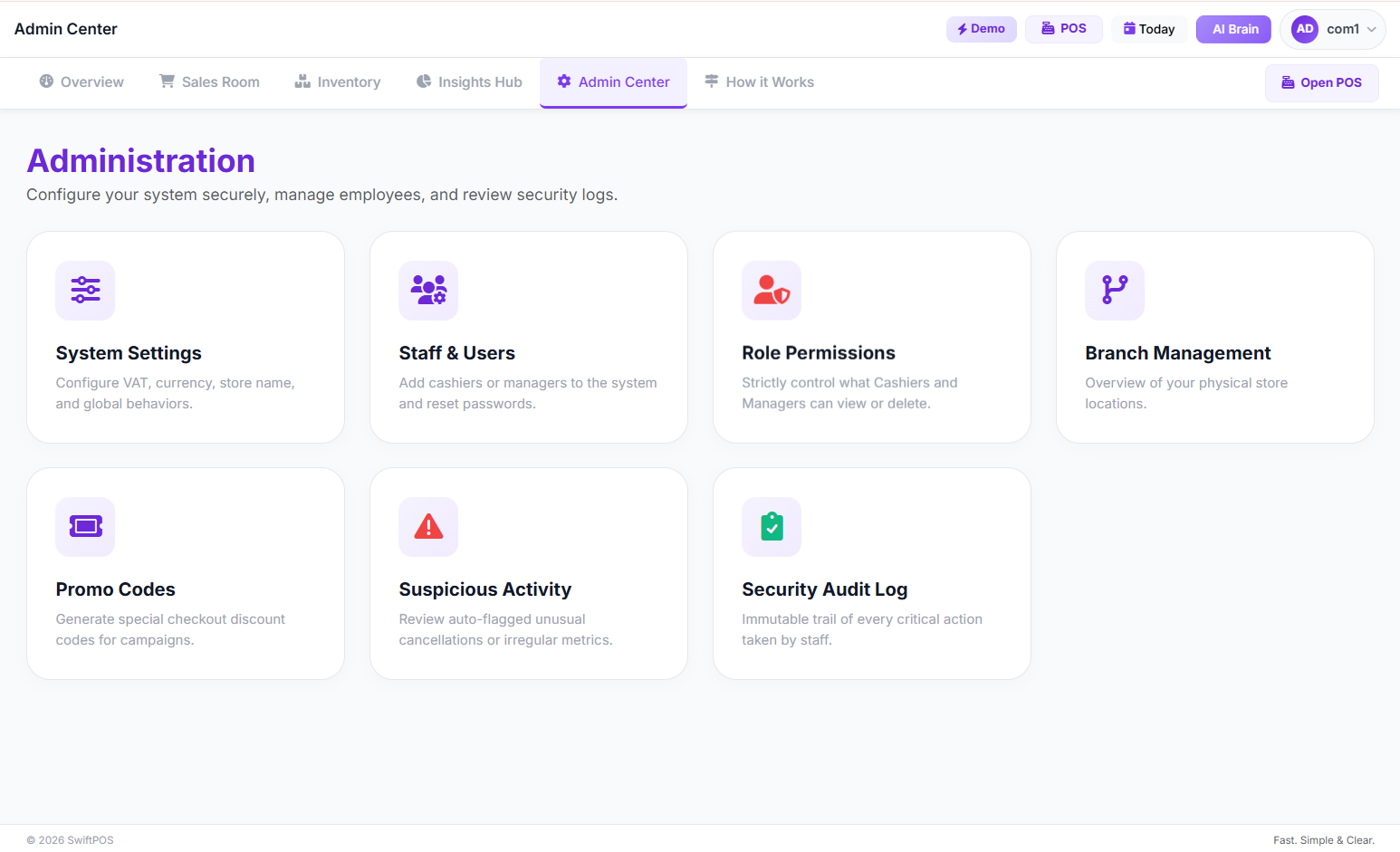 Admin Center Hub
Step 6: Marketing Your Small Food Business
With a low budget, creative and community-focused marketing is key.
- Word-of-Mouth: Encourage satisfied customers to spread the word. Offer small incentives for referrals if possible.
- Social Media: Utilise free platforms like Instagram and Facebook. Post attractive pictures of your food, engage with followers, and run small, targeted ads if your budget allows. Sharing your location and daily specials can drive traffic.
- Local Partnerships: Collaborate with nearby businesses. For instance, if you sell lunch, partner with a small office to deliver daily.
- Sampling: Offer small samples of your food to new customers. A taste can often lead to a sale.
Step 7: Pricing Your Products for Profit
Setting the right price is a balance between attracting customers and ensuring profitability.
- Cost-Plus Pricing: Calculate the total cost of ingredients for each dish, add your operational overheads (proportionately), and then add a profit margin. Aim for the 20% - 40% profit margin common in the food industry.
- Competitive Pricing: Research what similar businesses in your area charge. You want to be competitive but not undervalue your efforts.
- Value Perception: Emphasize the quality, freshness, and taste of your food to justify your prices.
Common Mistakes to Avoid
Starting a food business, especially with limited capital, comes with its own set of challenges. Avoiding these common pitfalls can save you time, money, and stress:
- Ignoring Proper Hygiene: This is perhaps the biggest mistake. Poor hygiene can lead to health issues for customers, ruin your reputation, and result in business closure. Always prioritise cleanliness in food preparation and handling.
- Lack of Proper Record-Keeping: Relying on memory or scribbled notes for sales, inventory, and expenses is a recipe for disaster. Without accurate records, you cannot assess profitability, identify popular items, or manage cash flow effectively. Many Nigerian retailers are still making this mistake, as highlighted in "Nigerian Retailers: Stop Using Spreadsheets & Boost Your Business with POS Software" here.
- Underpricing Your Products: While you want to attract customers, underpricing means you won't cover your costs or make a sustainable profit. Understand your costs thoroughly before setting prices.
- Poor Inventory Management: Buying too much or too little, or not tracking expiration dates, leads to waste and lost revenue. This is a common issue for many, as discussed in "Nigerian Retailers: Inventory Management Mistakes Crushing Your Profits" here.
- Neglecting Customer Feedback: Your customers are your best source of information. Listen to their complaints and suggestions, and use them to improve your offerings.
- Inconsistent Quality: Once customers love a dish, they expect it to taste the same every time. Inconsistency can quickly drive them away.
- Ignoring Legal Requirements: Operating without proper business registration or health permits can lead to fines, forced closures, and a tarnished reputation.
How to Track and Grow After Launch
Once your food business is up and running, consistent monitoring and strategic growth are essential for long-term success.
- Key Performance Indicators (KPIs): Focus on metrics such as daily sales revenue, cost of goods sold (COGS), average order value, and customer retention rate. These numbers tell you the health of your business.
- Profit and Loss Analysis: Regularly review your profit and loss statements. Are your gross margins healthy? Are operating expenses eating too much into your net profit? Understanding these figures is crucial. You can learn more about calculating true value for your business in "POS System ROI: Calculating True Value for Nigerian Retailers" here.
- Customer Feedback Loop: Actively solicit feedback through direct conversations, suggestion boxes, or social media polls. Use this information to refine your menu and service.
- Optimize Inventory: Based on sales data, refine your purchasing. Buy more of what sells fast and less of what lingers. Tools that offer smart stock forecasting can be incredibly helpful here.
- Expand Your Menu (Gradually): Once your core offerings are stable and profitable, consider adding new items based on customer demand and market trends. Introduce them slowly to manage costs and production.
- Explore Delivery Options: Partner with local delivery services or establish your own if feasible. This expands your reach beyond your immediate vicinity.
- Leverage Technology for Growth: As your business grows, manual tracking becomes inefficient. A robust system can provide valuable into sales trends, profitability, and customer behaviour. SwiftPOS NG offers comprehensive reporting and analytics that help you track sales, manage inventory, identify your most profitable items, and even monitor staff performance, giving you the data needed to make informed growth decisions.
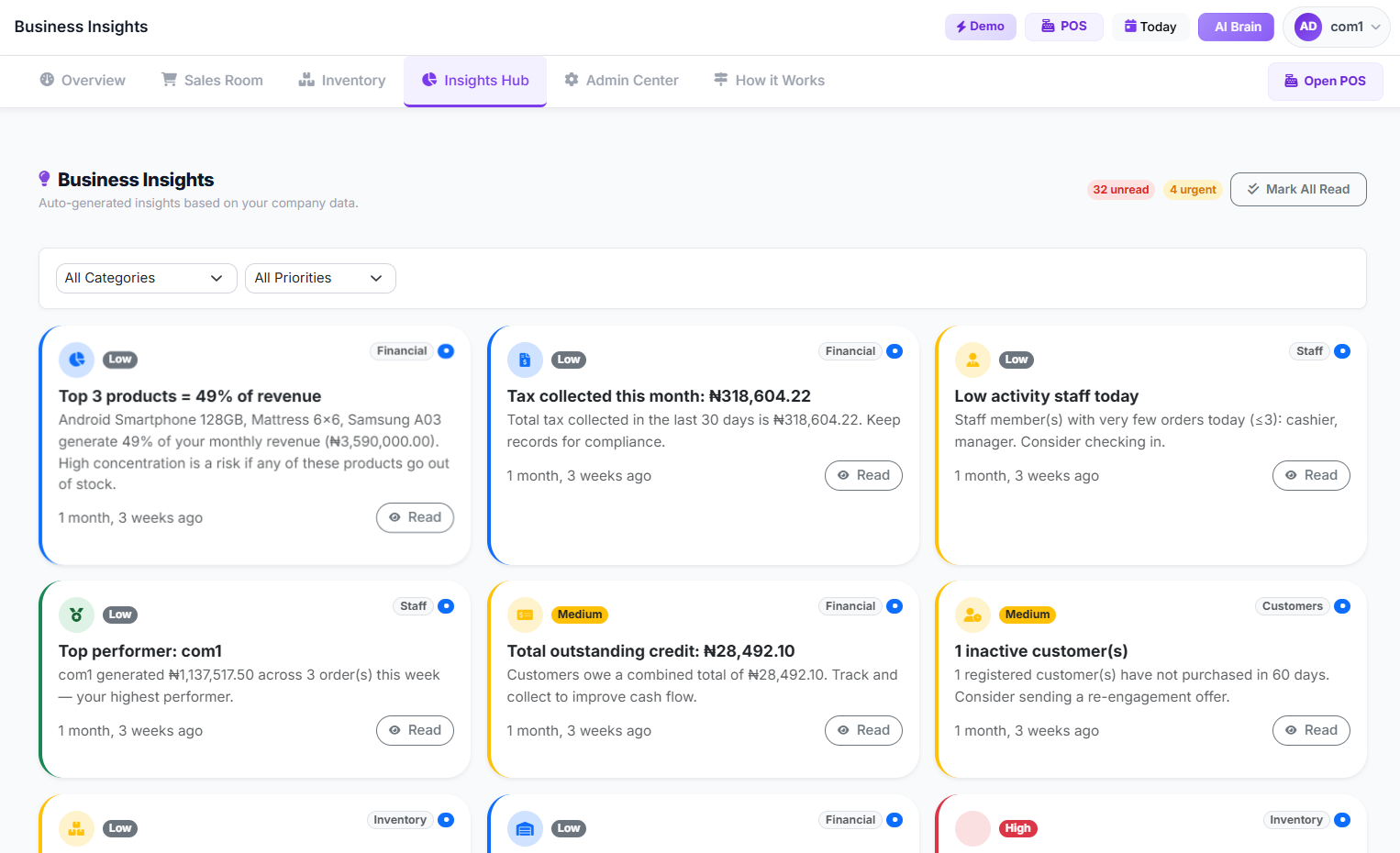 business insights
 Business owner looking at sales data on a
Frequently Asked Questions
Q1: How much capital do I really need to start a small food business in Nigeria?
You can start a small food business with as little as ₦150,000 to ₦400,000. This covers essential costs like business registration (₦15,000-₦30,000), health permits (₦5,000-₦15,000), basic cooking equipment (₦25,000-₦70,000), a small refrigerator (₦80,000-₦250,000), and initial raw materials (₦15,000-₦50,000). The key is to start small, possibly from home or a small kiosk, and scale up.
Q2: Is a food business profitable in Nigeria with low capital?
Absolutely. Many small food businesses in Nigeria, especially those focusing on popular local dishes and operating with low overheads, can achieve monthly revenues of ₦80,000 to ₦250,000. After deducting costs, expected monthly profit margins typically range from 20% to 40%. The high demand for food and direct consumer sales contribute to this profitability.
Q3: What kind of food business can I start with limited funds?
With limited funds, focus on niches that require minimal equipment and can be prepared from home or a small stall. Examples include:
- Street food vendors: Akara, Puff-puff, Buns, Roasted Corn, Suya.
- Home-based catering: Specializing in a few popular Nigerian dishes for lunch deliveries to offices or small events.
- Local snack production: Chin-chin, Meat Pie, Samosa, Doughnuts.
- Soup or stew delivery: Preparing popular soups and stews in bulk for busy individuals or families.
Q4: How important is technology for a low-capital food business?
While you might start with manual methods, technology becomes increasingly important for efficiency and growth. Basic tools for sales tracking, inventory management, and expense recording can save you immense time and prevent losses. As you grow, a Point-of-Sale (POS) system can streamline operations, provide critical business insights, and help you manage everything from stock to staff. You can read more about the benefits of a POS over traditional methods in "Traditional Bookkeeping vs. POS Software: Real Costs for Nigerian Retailers" here.
Q5: How do I get customers without a big marketing budget?
Focus on organic and local marketing strategies. Word-of-mouth is powerful – encourage satisfied customers to refer others. Utilise free social media platforms like WhatsApp, Instagram, and Facebook to showcase your food and engage with your community. Offer excellent customer service and consistent quality to build a loyal customer base. Local partnerships and offering small samples can also be effective.
Ready to Start Your Profitable Food Business?
Starting a food business with low capital in Nigeria in 2026 is an achievable dream. With careful planning, dedication, and the right tools, you can build a thriving enterprise. Don't let limited funds hold you back from your entrepreneurial journey. When you're ready to streamline your operations, manage inventory, track sales, and gain valuable insights, explore how SwiftPOS NG can support your growing business. Visit our pricing page to find a plan that fits your needs and start your 14-day free trial today.
Cost to Open a Mini Supermarket in Nigeria: A Detailed…
Sep 28, 2026
5 Best POS Systems for Small Businesses in Nigeria (20…
Sep 28, 2026
10 Best Retail POS Systems for 2026: Unbiased Reviews …
Sep 27, 2026