How Much Does It Cost to Open a Small Supermarket?
SwiftPOS Team
Published September 03, 2026

Many aspiring entrepreneurs in Nigeria dream of owning a mini supermarket, envisioning a steady flow of customers and consistent profits. However, the path from dream to reality is often obscured by a lack of clear financial guidance, leaving many wondering about the true cost of entry. In 2026, navigating the startup landscape requires a precise understanding of capital requirements to avoid common pitfalls that can quickly derail a promising venture.
Nigerian market stall with various goodsThe Evolving Landscape for Mini Supermarkets in 2026
The Nigerian retail sector is dynamic, with mini supermarkets and provision stores playing a crucial role in local commerce. As of 2026, the market continues to see growth, driven by increasing urbanisation and a growing middle class. However, competition is stiff, and consumer expectations are rising. Success hinges not just on having a good location and diverse stock, but also on efficient operations and a clear understanding of financial outlay. Recent data indicates that businesses leveraging technology for inventory and sales management report up to a 20% increase in efficiency compared to those relying on manual methods. This shift highlights the urgent need for modern tools to stay competitive. Understanding the real cost to open a mini supermarket in Nigeria means looking beyond just initial stock and considering operational efficiencies and technology investments from the outset. For a deeper dive into the profitability of such ventures, explore "Is Supermarket Business Profitable in Nigeria? The Real Cost-to-Profit Breakdown for a Mini Supermarket (2026)" to get a comprehensive overview of potential returns.
What You Need Before You Start
Embarking on a mini supermarket business requires careful preparation. Before you even think about stocking shelves, ensure you have these fundamental elements in place:
- Capital: A realistic budget covering rent, initial inventory, equipment, licenses, and operating costs for at least 3-6 months.
- Business Plan: A detailed document outlining your market analysis, target customers, marketing strategy, operational plan, and financial projections.
- Market Research: A thorough understanding of your chosen location, including competitor analysis, local demographics, and consumer buying habits.
- Legal & Regulatory Compliance: Knowledge of local government regulations, business registration requirements, and necessary permits.
- Supplier Network: Established relationships with reliable wholesalers and distributors for consistent product supply.
- Basic Business Knowledge: An understanding of inventory management, customer service, and financial record-keeping.
Step-by-Step: Estimating the Cost to Open a Small Supermarket
Opening a mini supermarket in Nigeria involves several key financial components. Here's a breakdown of what to expect:
Step 1: Secure Your Location and Pay Rent
The first significant cost is securing a suitable space. Location is paramount for a mini supermarket business, as it directly impacts customer traffic. Consider areas with high foot traffic, good visibility, and limited direct competition.
Rent for a suitable shop space can vary drastically. In smaller towns or less commercial areas, you might find a decent space for ₦300,000 – ₦800,000 per year. However, in prime commercial areas of cities like Lagos or Abuja, annual rent could easily range from ₦1,500,000 to ₦5,000,000 or even higher for a well-located, spacious unit. Remember, most landlords require 1-2 years' rent upfront, plus agency and legal fees, which can add another 10-15% to the initial payment. Factor in renovation costs if the space requires significant work to meet your operational needs.
Step 2: Acquire Essential Equipment and Fixtures
Once you have the space, you'll need to fit it out. This includes shelving, display units, refrigerators, freezers, and a checkout counter. The quality and newness of your equipment will dictate the cost.
For basic fixtures and equipment, a low-end estimate could be ₦500,000 – ₦1,500,000, covering essential shelving, a medium-sized freezer, and a basic counter. For a more modern setup with multiple display chillers, air conditioning, durable shelving, and a professional checkout counter, expect to spend anywhere from ₦2,000,000 to ₦5,000,000. Don't forget a generator or inverter system, which is a critical investment in Nigeria, potentially costing an additional ₦300,000 – ₦1,500,000 depending on capacity.
Step 3: Stock Your Inventory
This is often the largest single cost for a mini supermarket. The initial stock determines your product variety and appeal to customers.
A small, well-curated initial inventory for a mini supermarket might require ₦1,000,000 – ₦3,000,000. This would cover essential fast-moving consumer goods (FMCGs), toiletries, and basic provisions. For a more extensive range, including some specialty items, fresh produce, or a wider selection of beverages, the cost could easily climb to ₦5,000,000 – ₦10,000,000 or more. It's crucial to research supplier prices and negotiate bulk discounts to maximise your capital. You can learn more about managing your stock effectively in "Nigerian Retailers: Inventory Management Mistakes Crushing Your Profits."
Step 4: Obtain Licenses and Registrations
Operating legally is non-negotiable. This step involves registering your business and acquiring necessary permits.
Business registration with the Corporate Affairs Commission (CAC) typically costs ₦20,000 – ₦50,000. Local government permits, health permits, and possibly signage permits can add another ₦50,000 – ₦200,000 annually, depending on your location and the specific requirements of your local council. It's advisable to consult with local authorities or a business consultant to ensure all bases are covered, avoiding potential fines or closures.
Step 5: Implement Technology and Software
In today's retail environment, efficient management goes beyond manual ledgers. Investing in a robust Point-of-Sale (POS) system and inventory management software is no longer a luxury but a necessity for tracking sales, managing stock, and gaining valuable insights. This is where modern solutions like SwiftPOS come into play.
While the initial setup for basic POS hardware (a computer/tablet, barcode scanner, and receipt printer) might cost ₦150,000 – ₦400,000, the real value comes from the software. SwiftPOS offers a comprehensive platform designed for Nigerian businesses, integrating sales, inventory, customer management, and even expense tracking into one system. This eliminates the hidden costs of manual retail operations, which can be significant, as detailed in "Hidden Costs of Manual Retail Operations in Nigeria: What You're Missing Beyond POS". Leveraging a system like SwiftPOS helps you manage products and stock, track customers and customer debts, and review sales and stock performance effectively. You can easily manage your product catalogue, including product names, categories, cost prices, selling prices, and stock quantities.
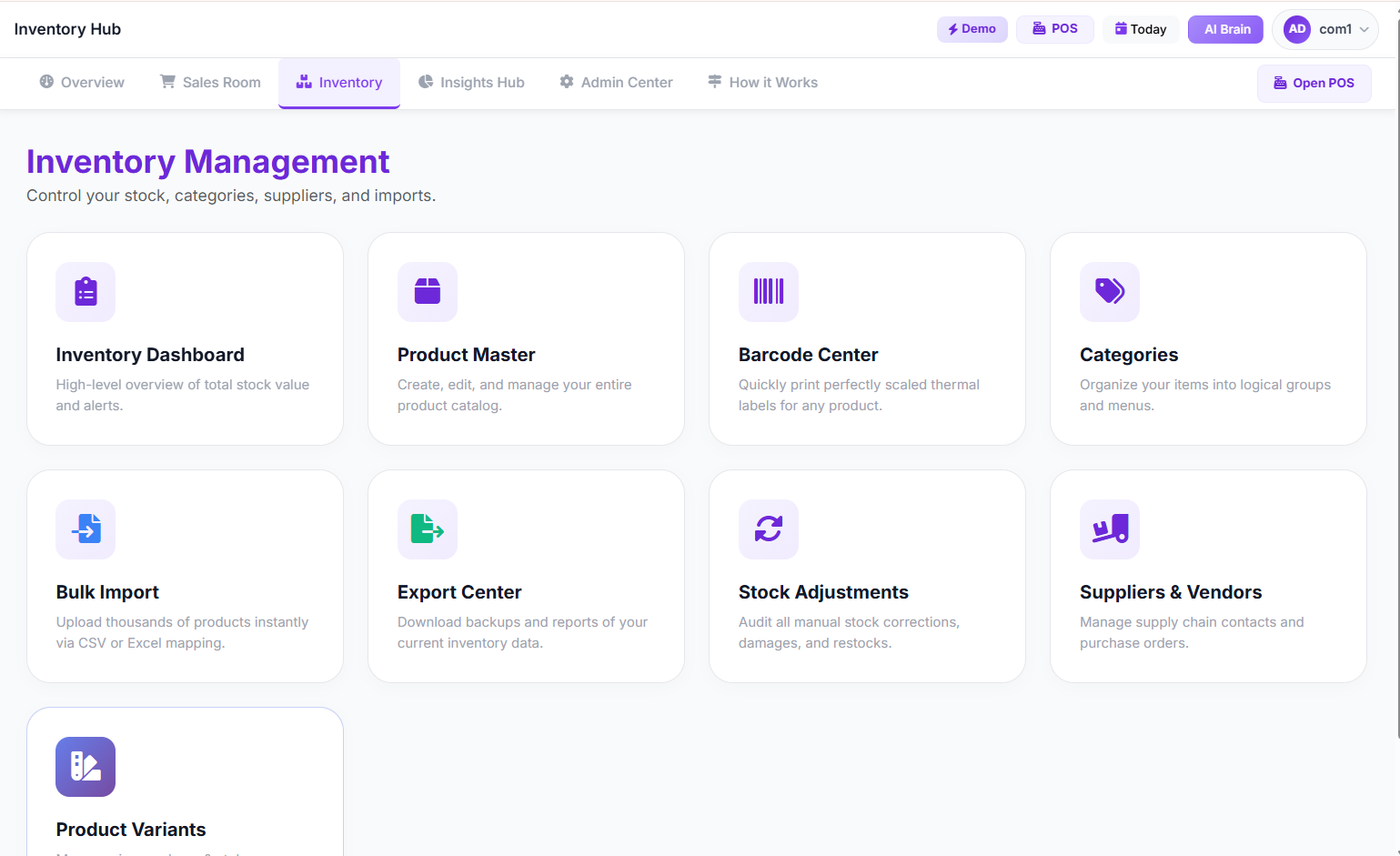 Inventory Hub
Furthermore, SwiftPOS supports bulk product import from spreadsheets, which is invaluable when setting up a large inventory. For businesses with multiple locations or a central warehouse, SwiftPOS allows you to track stock separately across branches and manage unit conversions, which is crucial for wholesalers and distributors.
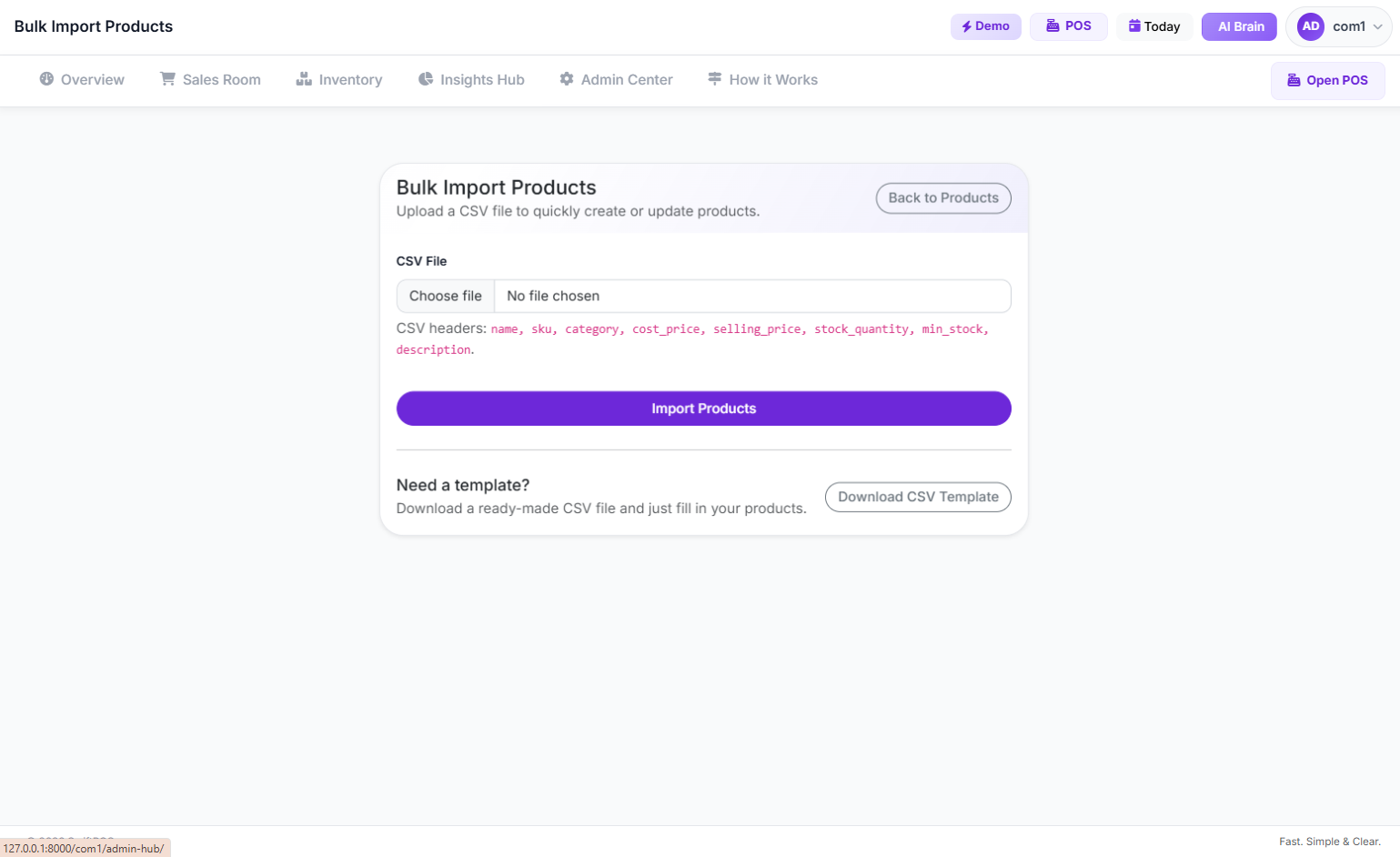 Bulk Products Import Page
This means you can efficiently handle stock adjustments, transfers, and even identify expiring products. The shift from traditional bookkeeping to integrated POS software offers significant advantages, as explored in "Traditional Bookkeeping vs. POS Software: Real Costs for Nigerian Retailers".
Step 6: Marketing and Grand Opening
Getting the word out about your new mini supermarket is crucial.
Allocate ₦50,000 – ₦250,000 for initial marketing efforts. This could include flyers, local newspaper ads, social media campaigns, and a grand opening event with promotions. Building a local presence and attracting initial customers is key to sustained growth. Consider local partnerships or community engagements to boost visibility.
Step 7: Operating Capital (Working Capital)
Even after covering initial setup, you need funds to keep the business running before it becomes self-sustaining. This includes salaries, utility bills, and replenishment stock.
A prudent approach is to have 3-6 months of operating capital. This could range from ₦500,000 – ₦2,000,000 per month for a small store, covering staff salaries (e.g., 2-3 staff earning ₦60,000 – ₦120,000 each), electricity bills (which can be substantial, especially with refrigeration), diesel for generators, and regular stock purchases. Therefore, a safe operating capital buffer would be ₦1,500,000 – ₦12,000,000. Without this buffer, unexpected expenses or slow initial sales can quickly lead to cash flow problems.
Total Estimated Mini Supermarket Startup Cost
Combining these estimates, the total mini supermarket startup cost in Nigeria for 2026 can range significantly:
- Low-End Estimate (Smaller town, basic setup):
- Rent (1 year upfront + fees): ₦350,000
- Equipment & Fixtures: ₦500,000
- Initial Inventory: ₦1,000,000
- Licenses & Registrations: ₦70,000
- Technology (basic hardware + 6 months software): ₦200,000
- Marketing: ₦50,000
- 3 Months Operating Capital: ₦1,500,000 (₦500,000/month)
- Total Low-End: Approximately ₦3,670,000
- High-End Estimate (Lagos/Abuja commercial area, modern setup):
- Rent (2 years upfront + fees): ₦6,000,000
- Equipment & Fixtures: ₦5,000,000
- Initial Inventory: ₦10,000,000
- Licenses & Registrations: ₦250,000
- Technology (advanced hardware + 6 months software): ₦600,000
- Marketing: ₦250,000
- 6 Months Operating Capital: ₦12,000,000 (₦2,000,000/month)
- Total High-End: Approximately ₦34,100,000
Common Mistakes to Avoid
Starting a mini supermarket is exciting, but many common missteps can impact profitability and even lead to failure. Be aware of these pitfalls:
- Underestimating Startup Capital: Many entrepreneurs only budget for rent and initial stock, forgetting crucial operating capital, marketing, and unexpected expenses. This often leads to cash flow crises.
- Poor Location Choice: A cheap rent in a low-traffic area is rarely a bargain. The right location is critical for visibility and customer access.
- Neglecting Inventory Management: Overstocking slow-moving items or frequently running out of popular products can cripple your business. Manual tracking is prone to errors and theft. Dive deeper into this topic with "Nigerian Retailers: Stop Manual Stock Takes & Boost Sales with POS Software".
- Ignoring Technology: Sticking to pen and paper or basic spreadsheets in 2026 is a recipe for inefficiency. Modern POS systems offer insights and automation that manual methods cannot.
- Inadequate Staff Training & Supervision: Untrained staff can lead to poor customer service, errors in sales, and even internal theft. Proper training and monitoring are essential.
- Lack of Financial Tracking: Without diligently tracking sales, expenses, and profits, you won't know if your business is truly making money. Many businesses confuse high sales with high profit.
How to Track and Grow After Launch
Launching your mini supermarket is just the beginning. Continuous monitoring and strategic growth are key to long-term success.
Track Key Performance Indicators (KPIs)
Regularly monitor metrics like:
- Daily Sales Volume: How many items are you selling?
- Average Transaction Value (ATV): How much does a typical customer spend?
- Gross Profit Margin: The profit you make from each product after deducting its cost.
- Inventory Turnover Rate: How quickly your stock is selling and being replaced.
- Customer Retention Rate: How many customers return to your store.
Leverage Technology for Insights
Modern retail management systems offer powerful analytics. For instance, SwiftPOS provides comprehensive sales reporting, profit and loss statements, and business insights that help you understand trends. Its inventory dashboard can forecast when products might run out, helping you make informed restocking decisions and avoid dead stock.
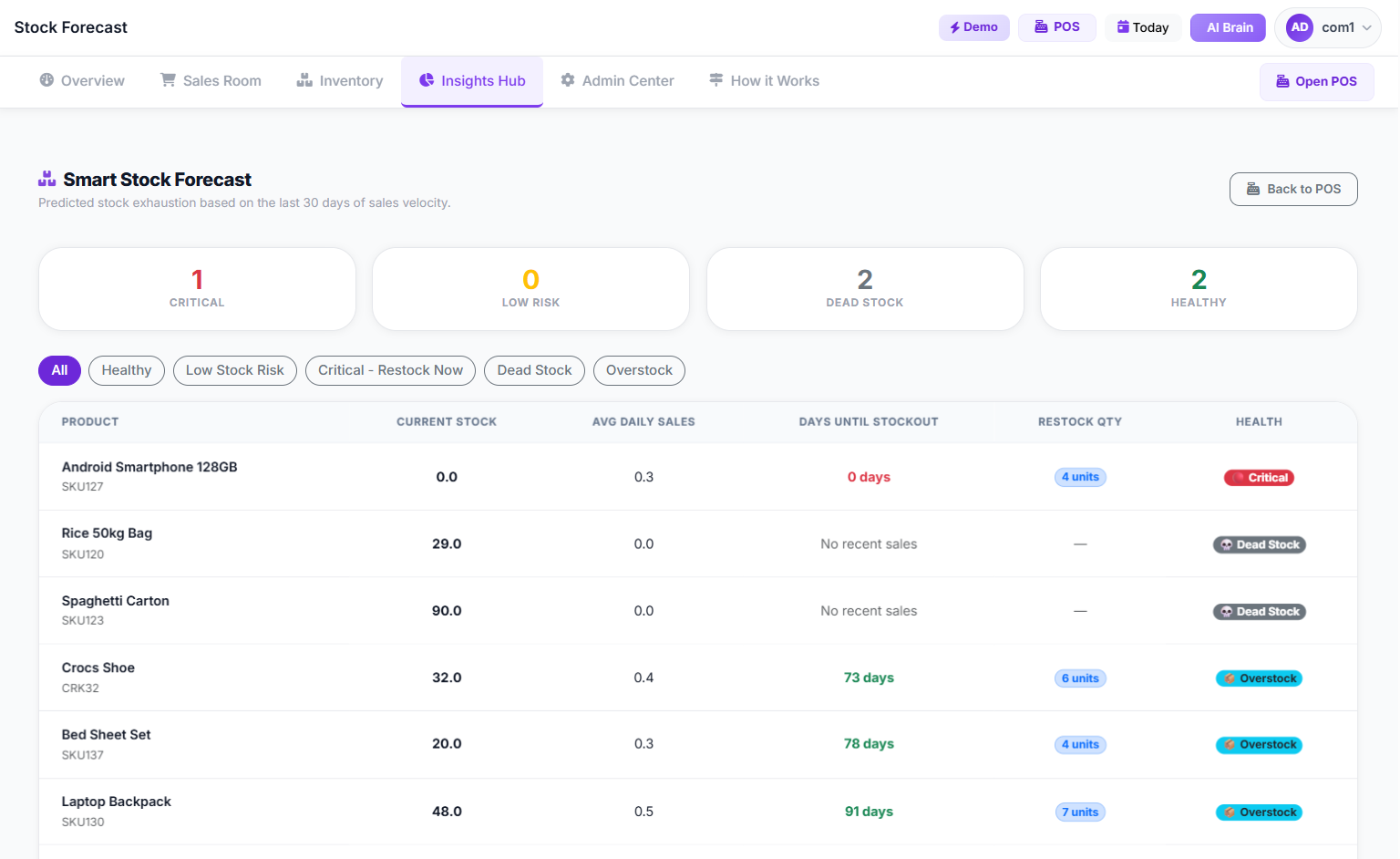 Smart Store Forcast Page
This level of detail helps you identify strong-performing products, pinpoint areas of poor performance, and address inventory problems proactively. The system's ability to track expenses also gives you a clearer picture of true net profit, ensuring you're not just making sales but also retaining earnings.
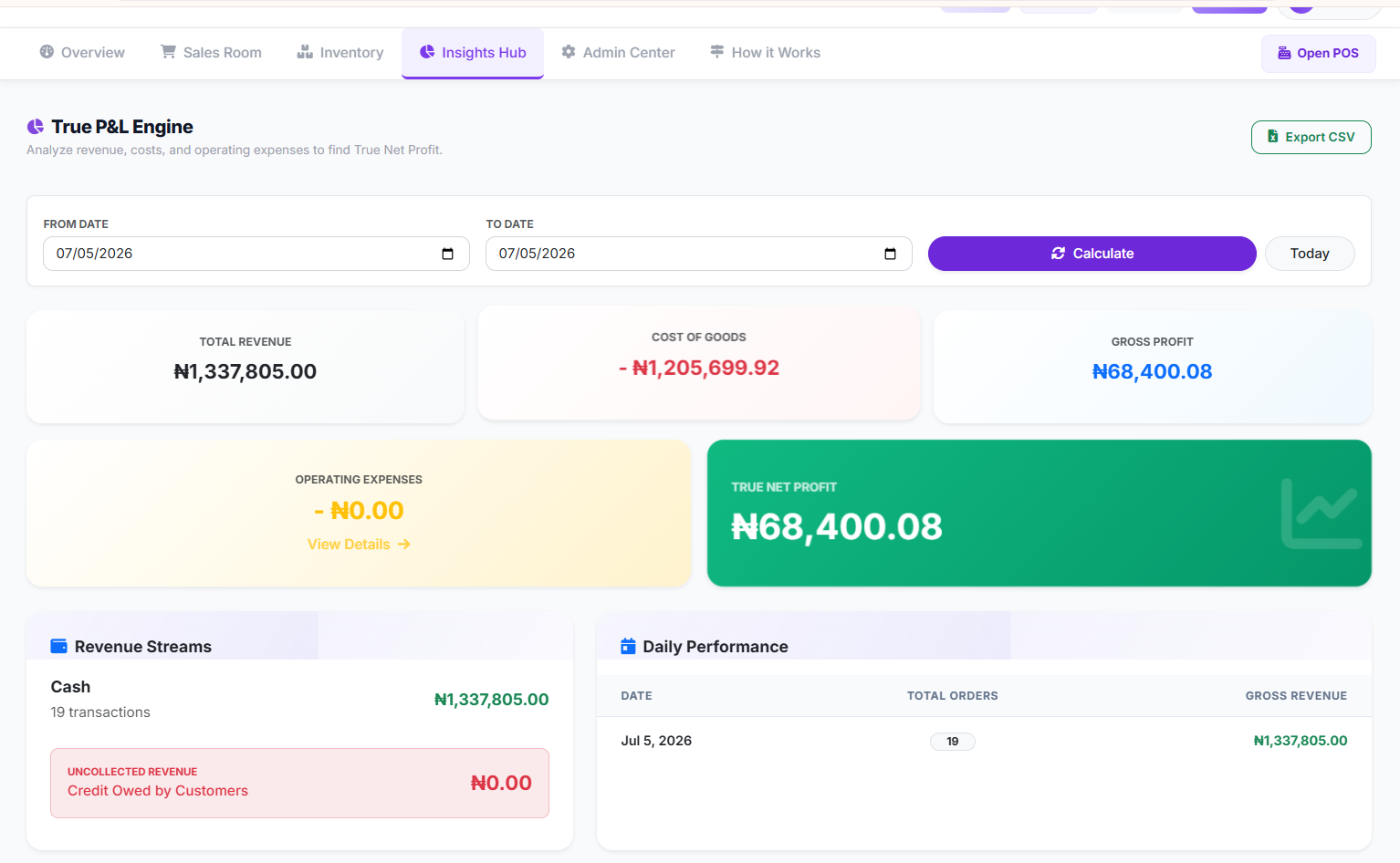 Profit and Loss Page
Implement Growth Tactics
- Customer Loyalty Programs: Reward returning customers to encourage repeat business.
- Targeted Promotions: Use sales data to identify popular products and create attractive deals.
- Expand Product Range: Gradually introduce new products based on customer demand and market trends.
- Improve Customer Service: Exceptional service can differentiate your store from competitors.
- Online Presence: Even a mini supermarket can benefit from a simple social media presence or WhatsApp for business to communicate with customers about new arrivals or promotions. "WhatsApp Automation: Customer Notifications for Nigerian Retail Businesses" offers practical advice.
- Staff Development: Invest in training your staff to improve efficiency and customer interaction.
Frequently Asked Questions
Q1: Is a mini supermarket business profitable in Nigeria?
Yes, a mini supermarket business can be very profitable in Nigeria, especially with proper planning, efficient management, and a good location. Profitability largely depends on controlling costs, managing inventory effectively, and maintaining competitive pricing. Many successful mini supermarkets operate with healthy profit margins, particularly those that embrace technology to streamline operations.
Q2: What are the biggest challenges for a new mini supermarket in Nigeria?
The biggest challenges often include securing adequate startup capital, managing fluctuating inventory, dealing with unreliable power supply, navigating intense competition, and preventing theft (both internal and external). Effective cash flow management and robust security measures are crucial.
Q3: How much staff do I need for a small supermarket?
For a mini supermarket, you might start with 2-4 staff members: a cashier, a store assistant (who can also help with stocking), and potentially a manager or supervisor if you are not always present. As the business grows, you can expand your team. Utilizing a system like SwiftPOS allows you to manage staff roles and permissions, ensuring smooth operations and accountability.
Q4: How can I manage inventory effectively to avoid losses?
Effective inventory management involves tracking all incoming and outgoing stock, monitoring sales trends to predict demand, setting reorder points, and conducting regular stock takes. Manual methods are prone to errors. Implementing an inventory management software like SwiftPOS is highly recommended. It helps track stock by branch, manage expiration dates, and even provides stock forecasting to prevent stockouts or overstocking. For more detailed guidance, read "Retail Inventory Management: Step-by-Step Guide to Efficient Stock Adjustments".
Q5: What is the average monthly overhead for a mini supermarket in Nigeria?
Monthly overheads can vary widely but typically include rent (if paid monthly or amortized), staff salaries (₦60,000 – ₦120,000 per staff member), electricity bills (₦50,000 – ₦250,000+ depending on usage), generator fuel (₦30,000 – ₦150,000+), internet, and other miscellaneous expenses. A realistic range for monthly overhead could be ₦300,000 – ₦1,500,000 for a small operation, excluding stock replenishment costs.
Q6: Do I need a POS system for a small supermarket?
Absolutely. While a basic cash register might handle transactions, a modern POS system is essential for a mini supermarket in 2026. It does more than just record sales; it tracks inventory, manages customer accounts, provides sales analytics, helps with staff management, and streamlines overall operations. This move from basic cash registers to comprehensive POS systems is a game-changer for Nigerian retailers, as highlighted in "Cash Register vs. POS System: Which is Best for Your Nigerian Business?".
Ready to Transform Your Mini Supermarket Business?
Understanding the initial capital required for a mini supermarket is the first step, but continuous, smart management is what truly drives success. Don't let manual processes or lack of insight hinder your growth. Explore the full range of features and benefits that modern retail management solutions offer. Visit our pricing page to see how a comprehensive system can fit your budget and help you manage your mini supermarket business using AI and useful insights, from inventory to sales, and beyond.

How Much Does It Cost to Start a Clothing Business in …
Oct 17, 2026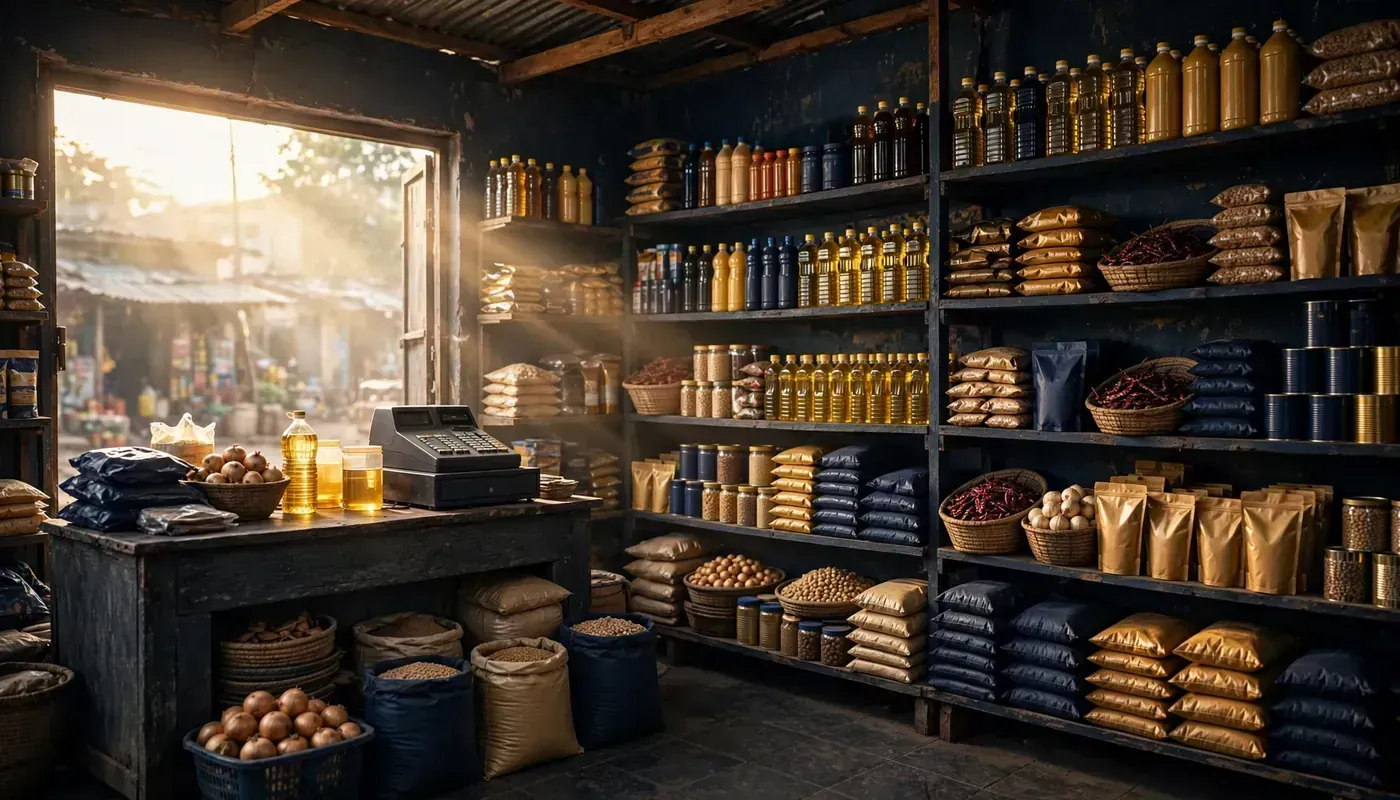
How Much Does It Cost to Open a Cosmetics Shop in Nige…
Oct 17, 2026
How to Start a Cosmetics Business in Nigeria: A Step-b…
Oct 17, 2026