How Much Does it Cost to Open a Supermarket in Nigeria?
SwiftPOS Team
Published September 03, 2026
Dreaming of owning a bustling supermarket in Nigeria, but the thought of initial costs feels like a mountain? You're not alone. Many aspiring entrepreneurs are held back by uncertainty about the capital required, often underestimating crucial elements beyond just rent and stock.
The Nigerian Retail Landscape in 2026: Opportunities and Challenges
The Nigerian retail sector continues its dynamic growth in 2026, driven by a burgeoning population and increasing urbanization. However, this growth comes with its own set of challenges, particularly for supermarkets and mini-marts. Power instability remains a significant operational hurdle, making reliable backup power solutions non-negotiable. Supply chain complexities, fluctuating prices, and intense competition from both traditional markets and online vendors demand strategic planning. Despite these, the demand for convenient access to a wide range of goods ensures the supermarket model remains highly viable. Understanding the true cost to start a supermarket in Nigeria means looking beyond just the obvious and accounting for these local realities. For a deeper dive into profitability, explore our guide: Is Supermarket Business Profitable in Nigeria? The Real Cost-to-Profit Breakdown for a Mini Supermarket (2026).
What You Need Before You Start
Before you even begin scouting locations, a few critical prerequisites will set the foundation for your supermarket capital and eventual success:
- Detailed Business Plan: This isn't just for investors; it's your roadmap. It should cover market analysis, operational plans, marketing strategies, and a comprehensive financial projection.
- Market Research: Identify your target demographic, their purchasing power, and specific needs. What products are in demand? Who are your competitors?
- Legal & Regulatory Knowledge: Understand the requirements for business registration (CAC), local government permits, health permits, and any specific licenses needed for certain products (e.g., alcohol, pharmaceuticals).
- Funding Strategy: Clearly define how you will finance your supermarket startup cost. Will it be personal savings, family contributions, a bank loan, or a combination?
- Strong Network: Connect with potential suppliers, distributors, and other local business owners. Relationships are key in the Nigerian business environment.
Step-by-Step: How Much Does it Cost to Open a Supermarket in Nigeria?
Breaking down the supermarket startup cost into manageable steps will help you budget effectively and avoid surprises. This comprehensive guide will walk you through each financial component, offering realistic ranges for the Nigerian market in 2026.
Step 1: Secure Your Location – Rent and Deposits
The location of your supermarket is paramount. A high-traffic area, easily accessible to your target customers, will significantly impact your sales. However, prime locations come at a premium.
- Shop Rental (Annual): Expect to pay anywhere from ₦800,000 in a smaller town or suburban area to ₦5,000,000 for a prime commercial spot in cities like Lagos or Abuja. Remember, rent is typically paid annually in Nigeria.
- Security Deposit: Landlords usually require a security deposit, often equivalent to 3 to 6 months' rent. This could range from ₦200,000 to ₦1,500,000, and is usually refundable at the end of your tenancy, provided no damages.
When evaluating locations, consider foot traffic, parking availability, proximity to residential areas, and competitor presence. A well-located but slightly more expensive shop might generate significantly higher revenue than a cheaper, out-of-the-way option.
Step 2: Legalities and Permits – Getting Registered
Operating legally is non-negotiable and involves several registration and permit costs.
- Business Registration & Permits: This includes your Corporate Affairs Commission (CAC) registration, local government levies, environmental permits, and potentially health permits depending on the type of goods you sell. Budget between ₦80,000 and ₦300,000 for these essential documents. It's advisable to factor in potential costs for a lawyer or consultant to navigate the process if you're unfamiliar.
Ensuring all your papers are in order from day one will save you from future headaches and potential fines.
Step 3: Initial Stock – Filling Your Shelves
This is often the largest single expense for any retail business, and especially for a supermarket. Your initial stock purchase dictates the variety and quantity of products you can offer.
- Initial Stock Purchase: For a small neighborhood store, you might start with ₦2,000,000 worth of goods. For a medium-sized supermarket aiming for a wider selection and higher volume, this could easily go up to ₦15,000,000. This figure depends heavily on your store size, product range (groceries, household items, toiletries, etc.), and target market.
- Transportation/Logistics: Don't forget the cost of getting your initial stock from wholesalers and distributors to your shop. This can range from ₦100,000 to ₦500,000, depending on the volume and distance.
Strategically sourcing your initial inventory and building relationships with reliable suppliers can significantly impact your profit margins.
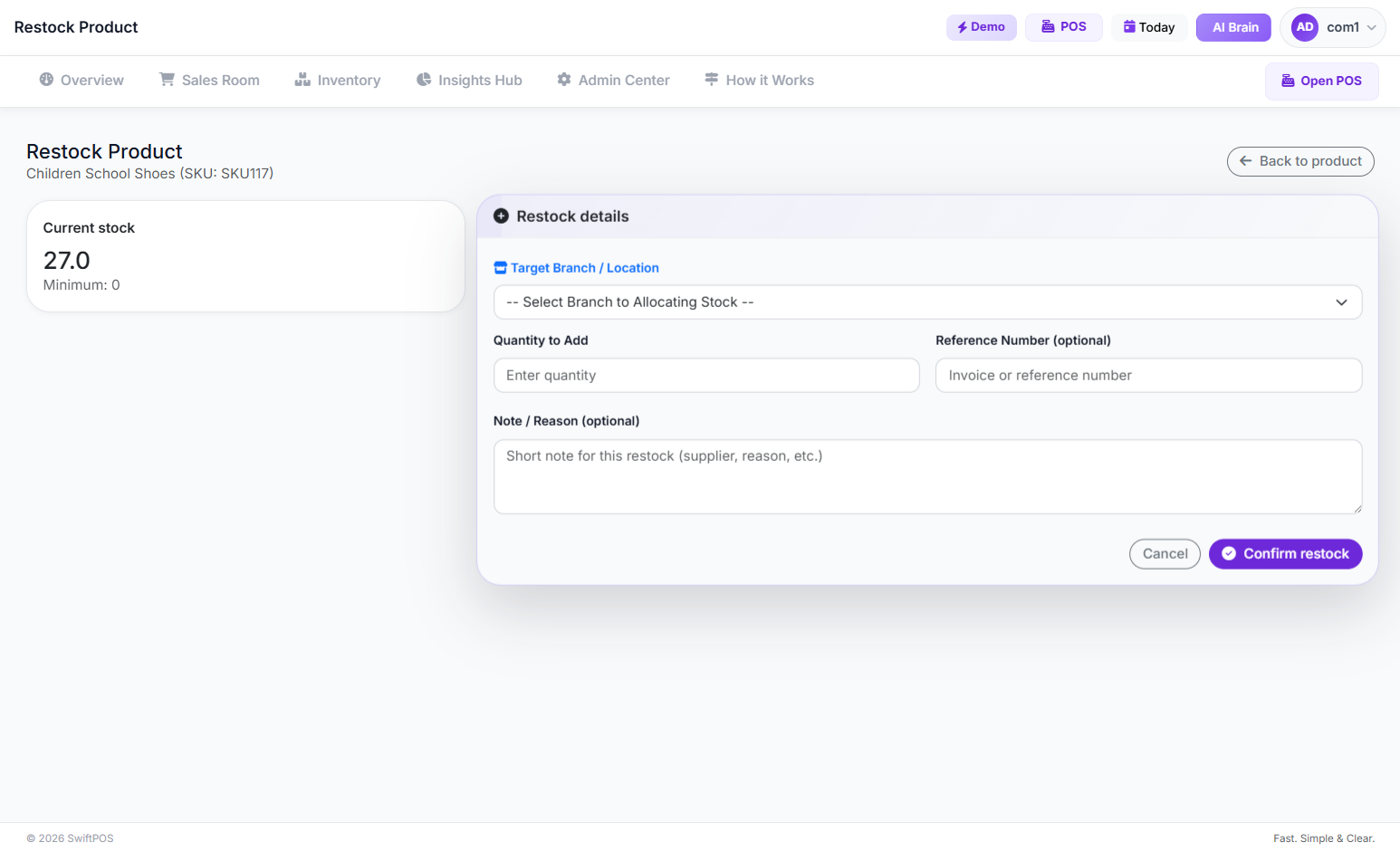
Add product Stock pageStep 4: Shop Fit-out and Equipment – Setting Up Shop
This category covers everything that transforms an empty space into a functional supermarket.
- Shelving & Fixtures: From basic metal shelving units to custom wooden displays, checkout counters, and product stands, this can cost ₦500,000 to ₦3,000,000. The aesthetic and durability of your fixtures can influence customer perception and shopping experience.
- Refrigeration Units (Freezers/Chillers): Essential for drinks, dairy, frozen foods, and fresh produce. Two to three basic units might cost ₦700,000, while a larger supermarket with multiple commercial-grade chillers and freezers could spend up to ₦4,000,000.
- Generator (Diesel/Gas): Given Nigeria's power situation, a reliable generator is a non-negotiable investment. A 5KVA generator suitable for a small store might cost ₦800,000, while a 50KVA industrial generator for a larger supermarket could be up to ₦5,000,000. Factor in ongoing fuel costs.
- Initial Utility Connection (PHCN/Water): Getting connected to electricity and water utilities can incur initial fees, ranging from ₦50,000 to ₦200,000, depending on your location and existing infrastructure.
Step 5: Technology and Operations – Running Efficiently
Modern supermarkets rely heavily on technology to manage sales, inventory, and customer data. This is where investing in the right tools can save you money and headaches in the long run.
- Point-of-Sale (POS) System & Software: A basic standalone POS system might cost ₦150,000, but an integrated system with robust inventory management, sales tracking, and reporting features will be closer to ₦500,000. This investment is crucial for efficiency. A system like SwiftPOS NG offers comprehensive features for managing sales, inventory, staff, and customer data, making it an indispensable tool for modern Nigerian supermarkets. It covers everything from real-time inventory management to detailed sales analytics, ensuring your operation runs smoothly.
- Security Systems: CCTV cameras, alarm systems, and potentially security personnel are vital for protecting your assets. Budget around ₦150,000 to ₦500,000 for basic security installations.
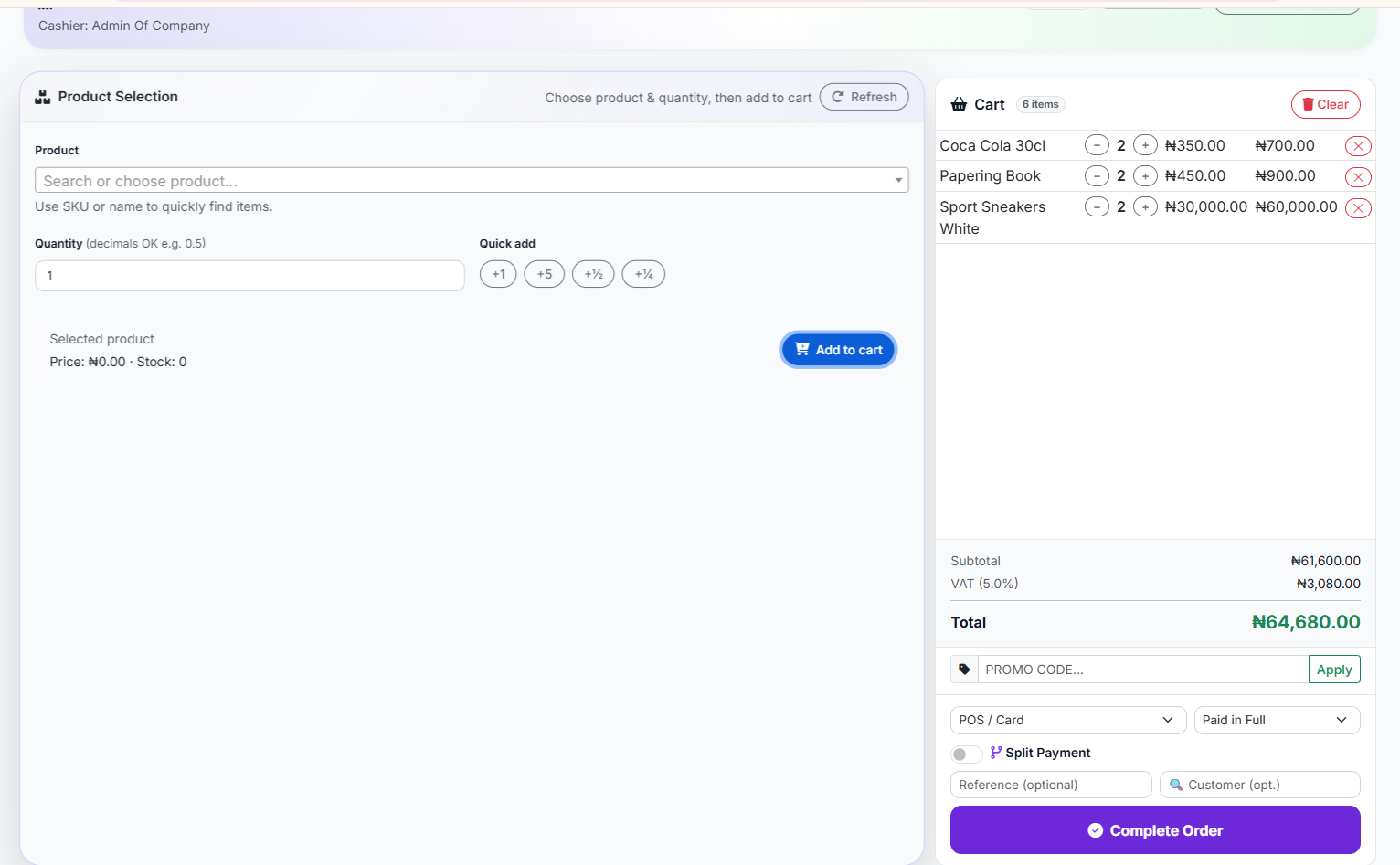 Classic POS Interface (List select)
Step 6: Staffing – Your Team
Your staff are the face of your business. Budget for salaries, and consider training costs.
- Staff Salaries (Monthly, 3-5 staff): For a small to medium supermarket, employing 3-5 staff (sales assistants, cashiers, security) could cost between ₦250,000 and ₦600,000 per month. This depends on their roles, experience, and the cost of living in your location. Remember to factor in initial recruitment costs if using an agency.
Step 7: Marketing and Grand Opening – Announcing Your Presence
You need to let people know you're open for business!
- Marketing & Grand Opening: This can range from ₦100,000 for local flyers and banners to ₦500,000 for social media advertising, a small opening event, and local radio spots. A strong launch can create initial buzz and attract your first customers.
Step 8: Contingency Fund – The Unexpected
This is perhaps the most critical, yet often overlooked, component of your supermarket capital.
- Contingency Fund (3-6 months operating costs): This fund is your safety net for unexpected expenses, slow initial sales, or unforeseen market shifts. It should ideally cover 3 to 6 months of your operational costs (rent, salaries, utilities, minor repairs). This could range from ₦1,500,000 to ₦7,000,000. Without it, a small hiccup can derail your entire business.
Consider this fund as insurance for your initial months, allowing you breathing room to establish your business without constant financial pressure.
 Contingency Fund – The Unexpected
Common Mistakes to Avoid
Starting a supermarket in Nigeria is a significant undertaking. Sidestepping these common pitfalls can save you money and ensure a smoother launch.
- Underestimating Operational Costs: Many entrepreneurs focus solely on startup costs and forget the ongoing expenses like utility bills, staff salaries, generator fuel, and routine maintenance. These can quickly deplete your working capital.
- Ignoring Inventory Management: Poor inventory control leads to dead stock, expired goods, and lost sales from out-of-stock popular items. This is a major revenue leak. Learn more about avoiding these mistakes in Nigerian Retailers: Inventory Management Mistakes Crushing Your Profits.
- Neglecting Market Research: Opening a supermarket without understanding the local demand, competition, and pricing strategies is a recipe for disaster.
- Inadequate Power Solutions: Relying solely on public electricity in Nigeria is risky. Not investing in a robust generator and a backup plan can lead to significant losses, especially for refrigerated goods.
- Lack of Digital Tools: Sticking to manual record-keeping (paper or Excel) for sales and inventory in 2026 is inefficient, prone to errors, and makes scaling almost impossible. Discover why in Nigerian Retailers: Stop Using Spreadsheets & Boost Your Business with POS Software.
- Insufficient Contingency Fund: As highlighted, unexpected expenses are inevitable. Not having a buffer can cause a promising business to collapse at the first challenge.
> "In the bustling markets of Nigeria, success isn't just about what you sell, but how meticulously you manage every Naira and every item on your shelf."
How to Track and Grow After Launch
Once your supermarket is open, the real work of monitoring, adapting, and growing begins. Efficient tracking and data-driven decisions are crucial.
- Key Performance Indicators (KPIs): Regularly monitor sales per square foot, average transaction value, inventory turnover rate, gross profit margin, and customer footfall. These metrics provide a clear picture of your business health. Our guide on 7 Key Retail Metrics Nigerian Businesses Must Track for Profit Growth offers valuable insights.
- Inventory Optimization: Use sales data to identify fast-moving and slow-moving products. Adjust your purchasing strategy to minimize waste and stockouts. Tools that offer stock forecasting can be invaluable here.
- Customer Relationship Management: Build loyalty programs, gather customer feedback, and understand purchasing patterns. Personalized offers can significantly boost repeat business.
- Expense Management: Continuously track all your operational expenses. Look for areas to optimize without compromising quality or service. Identifying hidden costs of manual retail operations can unlock significant savings.
- Technology Leverage: Utilize your POS system's reporting capabilities to gain deep insights into your business. SwiftPOS NG, for instance, provides detailed analytics on sales performance, staff productivity, and profit margins, helping you make informed decisions for growth. You can even track suspicious activity to prevent theft or fraud.
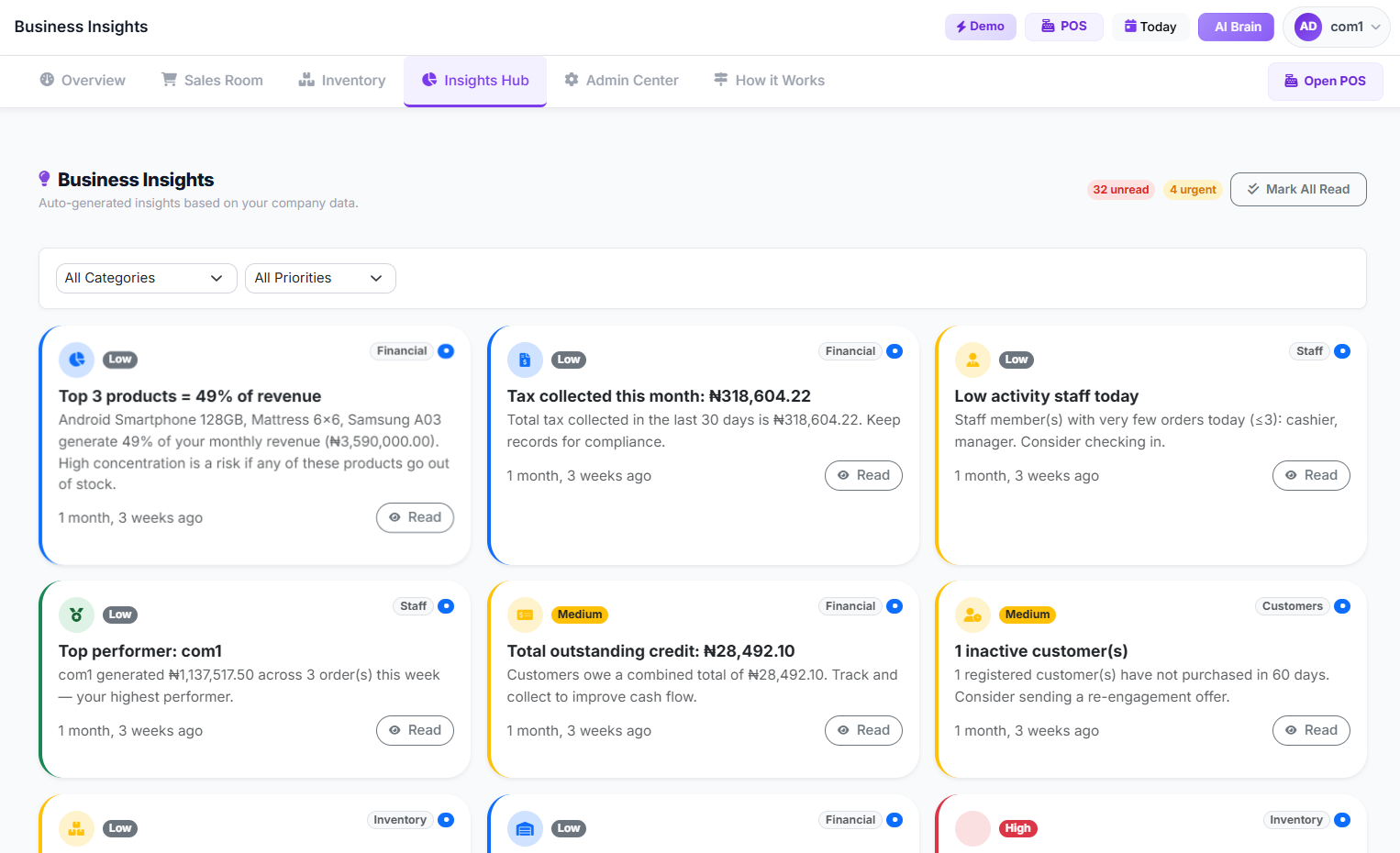 Business Insights Page
Frequently Asked Questions
How much capital do I really need for a mini supermarket?
For a mini supermarket, your supermarket capital could range from ₦4,500,000 for a very basic setup in a smaller town to ₦15,000,000 or more for a well-stocked, strategically located mini-mart in a high-demand urban area. This includes rent, initial stock, basic fixtures, a generator, and a contingency fund. For a detailed breakdown, see our article on How Much Money Do You Need to Open a Mini Supermarket in Nigeria in 2026? (Full Cost Breakdown).
Is the supermarket business profitable in Nigeria?
Yes, the supermarket business can be very profitable in Nigeria, especially with effective management, strategic location, and good customer service. Profitability depends heavily on managing inventory efficiently, controlling operational costs, and maintaining competitive pricing. Understanding your true profit requires diligent tracking of expenses and revenue, not just sales figures.
What are the biggest ongoing costs for a supermarket in Nigeria?
The biggest ongoing costs typically include replenishing stock, staff salaries (₦250,000 - ₦600,000 monthly for 3-5 staff), generator fuel (which can be substantial), rent (paid annually), and utility bills. Effective management of these recurring expenses is crucial for long-term profitability.
How important is a POS system for a small supermarket?
A POS system is incredibly important, even for small supermarkets. It automates sales tracking, manages inventory in real-time, reduces errors, helps track customer credit, and provides valuable business insights. Without it, you risk losing money through poor stock management, inaccurate sales records, and inefficient operations. It's a key investment for efficiency and growth, offering significant benefits beyond just processing transactions.
How can I manage multiple branches if my supermarket grows?
If your supermarket grows to multiple branches, you'll need a system that supports multi-location management. This includes tracking inventory separately for each branch, facilitating stock transfers between locations, centralizing sales data, and managing staff across different outlets. This is a core feature of advanced POS systems, allowing seamless operations and consolidated reporting. You can find more information on multi-branch retail operations.
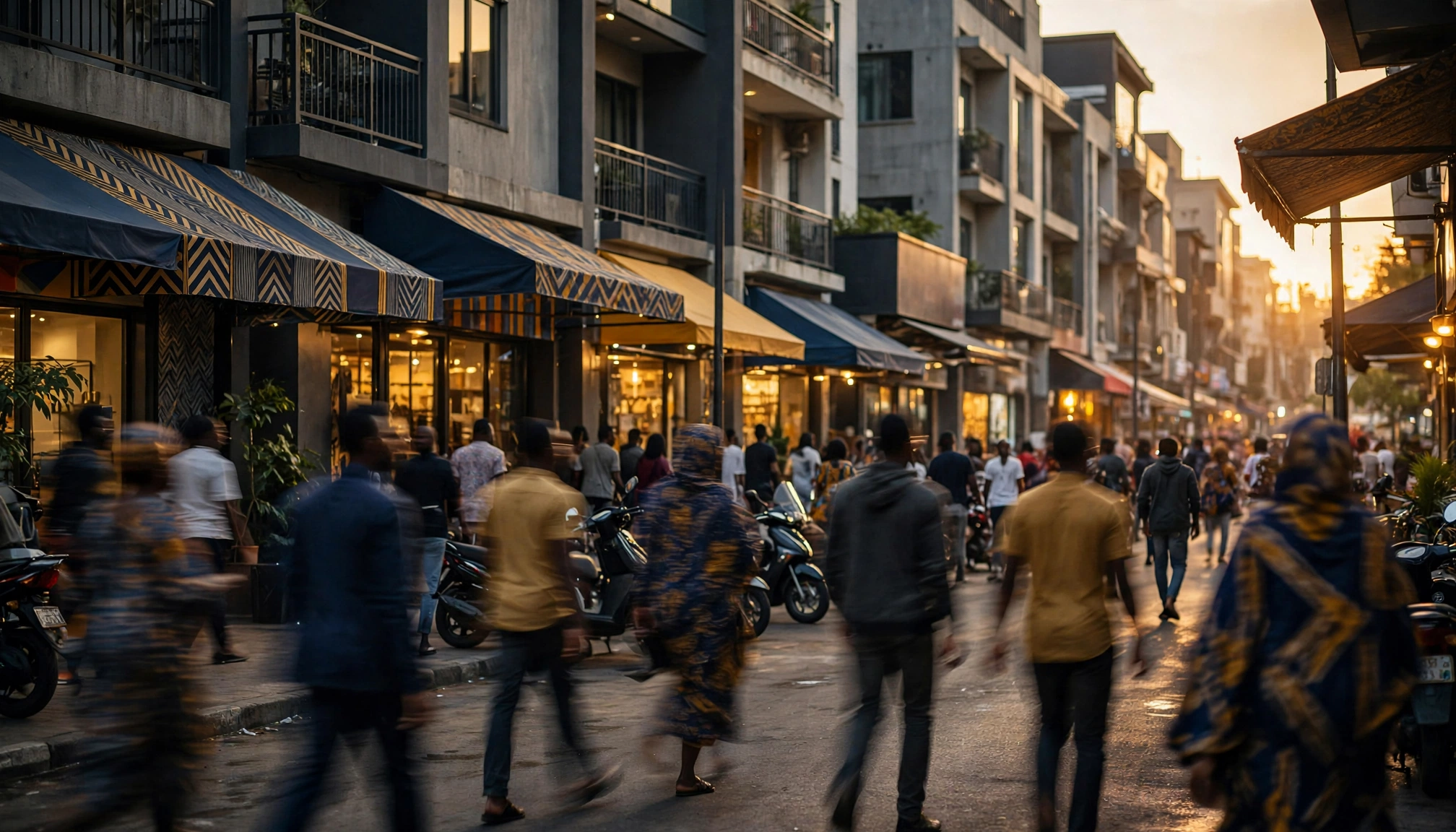
Ready to Open Your Supermarket?
Understanding the cost to start a supermarket in Nigeria is the first critical step. With a solid plan, realistic budgeting, and the right tools, your entrepreneurial dream can become a thriving reality. Don't let the numbers overwhelm you; focus on strategic planning and smart execution. For comprehensive tools and resources to help you manage your supermarket efficiently from day one, explore the SwiftPOS NG platform.

How Much Does It Cost to Start a Clothing Business in …
Oct 17, 2026
How Much Does It Cost to Open a Cosmetics Shop in Nige…
Oct 17, 2026
How to Start a Cosmetics Business in Nigeria: A Step-b…
Oct 17, 2026