How Much Money Do You Need to Open a Mini Supermarket in Nigeria in 2026? (Full Cost Breakdown)
SwiftPOS Team
Published July 25, 2026
Every week, someone messages a friend who runs a shop with the same question: "How much money do I actually need to open a mini supermarket in Nigeria?" The honest answer is — it depends on your location, your shop size, and how disciplined you are with your budget. But most first-time owners underestimate one thing: the cost of not tracking their money properly once the shop opens.
In this guide, we'll break down real, itemized startup costs for a mini supermarket in Nigeria in 2026, show you where most new owners overspend or lose money without realizing it, and explain why choosing the right pos software for supermarket in Nigeria from day one can be the difference between a shop that survives and one that quietly bleeds cash. By the end, you'll have a realistic budget framework you can actually use.

Breaking Down the Real Cost of Opening a Mini Supermarket in Nigeria
Costs vary a lot depending on whether you're opening in Lagos, Abuja, Port Harcourt, or a smaller town, but here's a realistic range for a small-to-mid-sized mini supermarket (roughly 300–800 sq ft):
- Shop rent (1–2 years upfront, common in Nigeria): ₦800,000 – ₦4,000,000, depending on location
- Shop fitting (shelves, chiller, counter, lighting, POP ceiling, paint): ₦500,000 – ₦2,000,000
- Initial stock (provisions, drinks, toiletries, frozen goods, etc.): ₦1,000,000 – ₦3,500,000
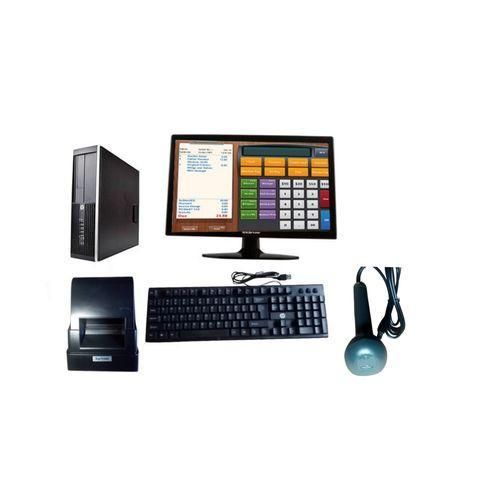
- POS hardware (terminal, barcode scanner, receipt printer, cash drawer): ₦80,000 – ₦350,000
- POS/inventory software subscription: ₦3,000 – ₦12,000 per month
- Staff salaries (1–3 staff to start): ₦150,000 – ₦450,000 per month
- Business registration (CAC) and permits: ₦50,000 – ₦150,000
- Generator/inverter and power backup: ₦150,000 – ₦600,000
- Signage and branding: ₦50,000 – ₦200,000
- Working capital buffer (at least 2–3 months of expenses): ₦500,000 – ₦1,500,000
Add it all up, and a realistic minimum for a genuinely "mini" supermarket sits around ₦3.5 million, while a more comfortable, well-stocked setup in a good location can run ₦8 million to ₦12 million or more. If those numbers feel intimidating, you're not wrong to feel that way — but the good news is that most of that budget goes toward stock and rent, not fancy technology. A solid POS system is one of the cheapest line items on this entire list, and arguably the one that protects everything else.
Where New Supermarket Owners Overspend (Or Quietly Lose Money)
Here's what rarely makes it into the "how much money do you need" conversation: the money lost after opening. Imagine you buy a carton of noodles at ₦8,500 and plan to sell each pack at a price that gives you ₦3,000 profit per carton. If your staff under-charges customers, miscounts change, or stock quietly disappears from the shelf without anyone noticing, that ₦3,000 margin evaporates — and you won't even know it happened until your account balance doesn't match your expectations.
This is the reality for thousands of Nigerian shop owners who rely on manual notebooks or memory to track sales. Common leaks include:
- Stock shrinkage: items going missing between delivery and sale, with no record to catch it
- Manual pricing errors: staff selling at the wrong price during busy periods
- No end-of-day reconciliation: cash collected doesn't match what was actually sold
- Poor reordering: either running out of fast-selling items or over-ordering slow ones
- No visibility into staff performance: unable to tell which staff member's shift consistently has shortages
None of these show up in your opening budget, but over a year, they can quietly cost a small supermarket hundreds of thousands of naira — sometimes more than the entire technology budget would have cost to prevent it.
Step-by-Step: How to Budget and Launch Your Mini Supermarket
- Scout your location first, then budget rent. Foot traffic matters more than shop size. A smaller shop in a busy area often outperforms a bigger shop in a quiet one.
- List your first 100–150 SKUs before you shop for stock. New owners often overspend on variety and underspend on fast-moving essentials like rice, oil, drinks, and toiletries.
- Set up your POS system before opening day, not after. Trying to input products and train staff during your first week of sales creates chaos and missed sales.
- Negotiate supplier terms early. Some suppliers offer credit terms to new shops with a good relationship — this can free up ₦300,000–₦500,000 of your opening capital.
- Keep a working capital buffer separate from your stock budget. Rent, salaries, and restocking still need to happen even in a slow first month.
Why Every Nigerian Supermarket Needs POS Software From Day One
A lot of new shop owners treat POS software as an optional upgrade for "later, once the shop is bigger." In practice, the shops that grow fastest are usually the ones that started tracking everything from day one — because they can see exactly what's working and fix problems before they become expensive habits.
SwiftPOS is built specifically for this stage of a Nigerian retail business. Instead of juggling a notebook, a calculator, and guesswork, everything runs from one system:

- Fast checkout: a grid-based POS terminal or barcode scanning for quick, accurate sales, reducing pricing mistakes at the till.
- Real-time inventory tracking: know exactly what's in stock, what's low, and what needs reordering before you run out.
- End-of-day reconciliation: match your cash to your actual sales every single day, so shortages are caught immediately, not months later.
- Staff management and audit logs: see who processed which sale, track staff performance, and flag suspicious activity automatically.
- Customer credit system: for regulars who "owe small" — track it properly instead of trusting memory.
- P&L and export reports: understand your real profit margins instead of guessing.

You can see the full feature list on the SwiftPOS features page. What makes this practical for a new supermarket owner is the pricing — you don't need the most expensive plan on day one:
- Starter — ₦3,000/month: 100 orders per day, up to 100 customers, POS terminal, inventory management, customer credit system, and basic sales reports. Ideal for a small shop just getting started.
- Standard — ₦6,000/month: 500 orders per day, barcode POS, bulk product import, full P&L reports, audit logs, and data export. A natural upgrade once your shop gains momentum.
- Pro — ₦12,000/month: unlimited orders, multi-branch support, advanced audit logs, and suspicious activity detection — built for owners planning to expand to a second location.

You also get one month free when you subscribe annually on any plan — worth factoring into your first-year technology budget. You can compare all three plans on the SwiftPOS pricing page.
Pro Tips for First-Time Supermarket Owners in Nigeria
- Don't wait for "bigger" to start tracking properly. Bad habits formed in month one are hard to undo once your shop is busier.
- Review your P&L weekly, not just monthly. Catching a pricing or stock issue after one week is far cheaper than catching it after one month.
- Train your staff on the POS system before opening day, not during your first rush of customers.

Frequently Asked Questions
What is a good profit margin for a mini supermarket in Nigeria?
Margins vary by product category, but most fast-moving consumer goods (provisions, drinks, toiletries) sit between 10% and 25%, while fresh or perishable items can be higher but carry more risk of loss.
How much stock do I need to open a mini supermarket?
Most new owners start with ₦1,000,000–₦3,500,000 in initial stock, prioritizing fast-moving essentials over a wide variety of slow-selling items.
Does SwiftPOS help with tracking money and stock in a new supermarket?
Yes. SwiftPOS combines POS sales processing, inventory tracking, staff audit logs, and P&L reporting in one system, so new owners can see exactly where money is going from day one.
Can I manage multiple branches with SwiftPOS as my supermarket grows?
Yes, the Pro plan supports multi-branch management, letting you track sales, stock, and staff performance across locations from a single dashboard.
Is SwiftPOS affordable for a small shop just starting out?
Yes. Plans start at ₦3,000/month, making it accessible even for shops still building up their customer base.
Conclusion
Opening a mini supermarket in Nigeria in 2026 realistically costs anywhere from ₦3.5 million to ₦12 million depending on location and scale — but the number that matters most isn't just what you spend to open. It's how much of your profit you actually keep once the doors are open. Getting your POS software set up from day one is one of the smallest costs on your list, and one of the few that protects every other naira you've invested.
If you're still working through your full business plan, you may also find our guides on how to start a supermarket business in Nigeria and whether the supermarket business is truly profitable in Nigeria useful.
Ready to manage your shop more efficiently?
SwiftPOS helps businesses track sales, inventory, staff activities, and customer credit in one system.
Check the pricing plans at swiftpos.ng/pricing or message SwiftPOS on WhatsApp at +2349164601810 to get started.
Remember: you get 1 month free when you subscribe annually on any plan.