How to Start a Restaurant in Nigeria: A Step-by-Step Guide
SwiftPOS Team
Published October 16, 2026
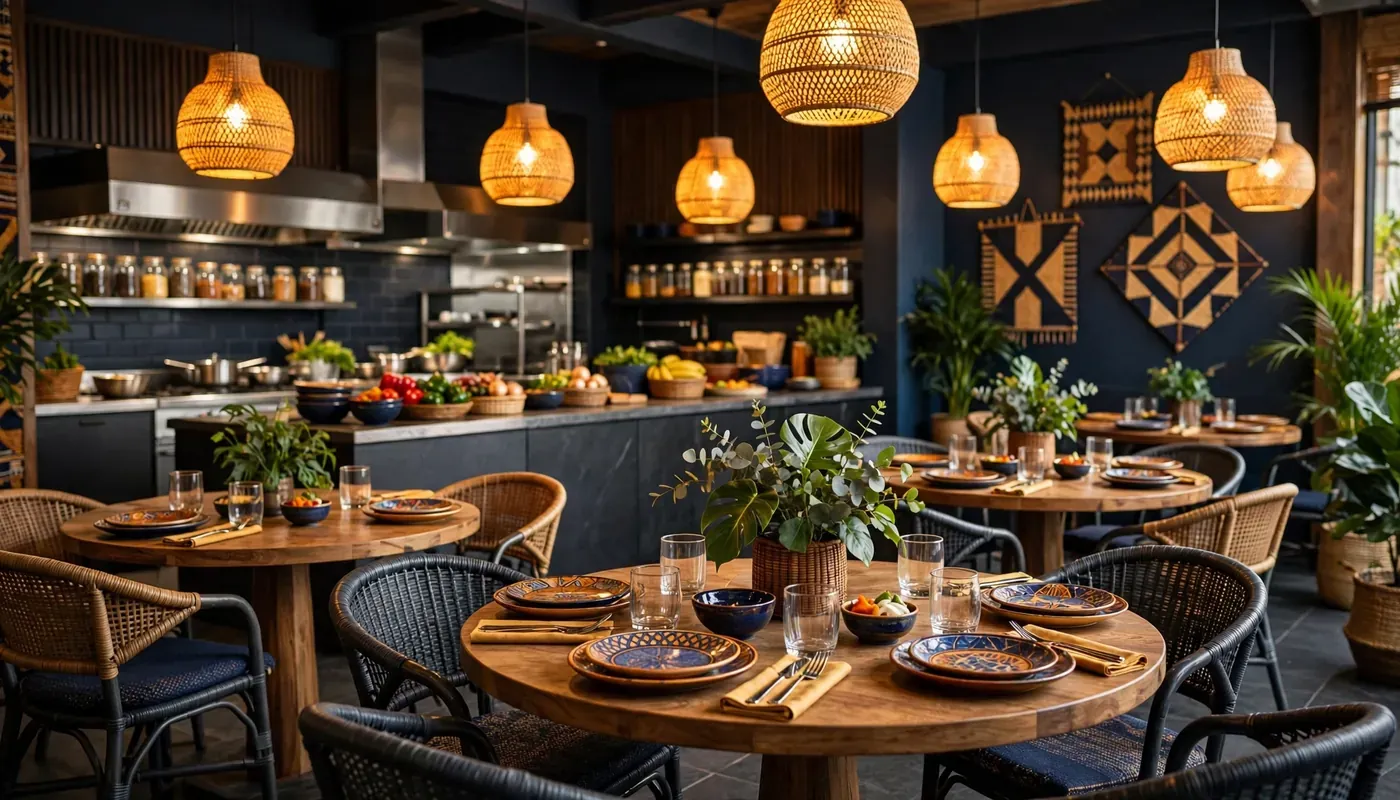
Everyone will tell you the first thing you need to start a restaurant in Nigeria is a fantastic chef, a prime location, or maybe even a huge capital injection. They'll say, "Just cook great food, and customers will come!" And while good food is essential, that's not the first thing you need, and honestly, it's a dangerous oversimplification that has led many aspiring food business owners to early failure.
Chef preparing a delicious nigerian meal in aThe real truth about how to start a restaurant in Nigeria: it's not just about the jollof rice or the pounded yam. It's about knowing your numbers, managing your operations, and understanding that a great menu alone won't keep your doors open in 2026's tough economic climate. You need a solid restaurant business plan and a clear understanding of the restaurant startup cost.
The Reality Check: What Nobody Tells You About Starting a Food Business
Let's be honest about this: the Nigerian food industry is a high-reward, high-risk game. Many people dive in because "everyone eats," right? But they forget that everyone also has options, and their hard-earned naira is precious. The biggest misconception? That passion for cooking equals business success. It doesn't. Not on its own.
I've seen it countless times. Someone opens a buka, their food is delicious, the word spreads, and they get busy. But then, they can't track ingredients, they don't know their actual profit margin per plate, and staff issues become a nightmare. Before they know it, they're working 18 hours a day, making plenty of sales, but seeing little profit in their bank account. This is the part most people don't expect.
Think about it: a small eatery in Surulere might be pulling in ₦500,000 a month in sales, but if they're losing 10% of their stock to spoilage, 5% to 'shrinkage' (that's industry talk for theft), and another 15% because they don't know how to negotiate with suppliers, that's a significant chunk of change gone. That's why understanding the hidden costs of manual retail operations is so important.
The average Nigerian earns between ₦50,000 and ₦150,000 per month. They are discerning, and they want value for their money. Your food business needs to be efficient to offer that value and still make a profit. Many guides will tell you to focus on branding first. That's the wrong way to think about it. Branding comes after you've built a sustainable operational model. You need to know your numbers inside out, or you'll just be guessing in the dark.
What You Actually Need to Get Started
Before you even think about buying a stove, let's break down the actual necessities. We're talking about non-negotiables and the 'nice-to-haves' that quickly become essential.
Non-Negotiables (Don't Skip These!)
- A Clear Concept and Business Plan: This is your roadmap. What kind of food? Who is your target customer? Where will you be located? How will you source ingredients? What's your pricing strategy? A well-thought-out restaurant business plan isn't just for investors; it's for you. It helps you foresee challenges and plan for growth.
- Adequate Capital: This is where many dreams die. You need enough money not just to open, but to operate for at least 3-6 months without breaking even. The restaurant startup cost in Nigeria is significant.
- Business Registration (CAC): Expect to spend ₦25,000 - ₦70,000. Don't operate unregistered. It limits your growth and credibility.
- Shop/Space Rent (Annual): This varies wildly. A small kiosk in a local market could be ₦150,000 annually, while a prime spot in Lagos Island or Abuja could hit ₦3,000,000. Budget realistically for your chosen location.
- Kitchen Equipment: This is a big one. Stoves, ovens, refrigerators, freezers, blenders, pots, pans, utensils. You're looking at ₦300,000 for a very basic, local setup, up to ₦2,500,000 for a well-equipped, medium-sized kitchen. Don't skimp on quality here; breakdowns are costly.
- Initial Stock/Ingredients: Depending on your menu and scale, budget ₦50,000 for a small buka to ₦500,000 for a medium-sized restaurant with a diverse menu. This needs to be fresh and consistent.
- Food Handler's Certificate/Health Permit: Essential for legitimacy and customer trust. This will cost you ₦10,000 - ₦50,000, depending on your local government and state health department.
- Generator: In Nigeria, this isn't optional. A small, reliable generator will set you back ₦150,000 - ₦500,000. Factor in fuel costs too.
- Marketing/Signage (One-time): A simple banner and flyers could be ₦30,000. A professional signboard and initial online presence? Up to ₦200,000.
- Reliable Staff: You can't do it all yourself. A good cook is gold. A reliable server is equally important.
- Cook (Monthly Salary): ₦40,000 (small town) - ₦100,000 (experienced city cook).
- Waiter/Server (Monthly Salary): ₦30,000 (entry-level) - ₦60,000 (experienced).
- A System for Operations: This is the most overlooked part. How will you track sales? How will you manage inventory? Who owes you money? What are your daily expenses? Relying on pen and paper or scattered Excel sheets will cripple you faster than you can say "shawarma." You need a system that helps you manage your retail store using AI and useful insights.
Nice-to-Haves (But They Become Essential Fast)
- Dining Furniture: If you're not just a takeaway spot. Used plastic sets can be ₦100,000, while new, modest wooden sets might go up to ₦800,000.
- POS Machine/Payment Gateway Setup: In 2026, cash is no longer king. Customers expect card and transfer options. A basic mobile POS costs ₦15,000, but an integrated system could be ₦50,000. This is crucial for smooth transactions and tracking.
- Strong Online Presence: Instagram, WhatsApp Business. People find food visually.
The Complete Step-by-Step Breakdown
Starting a restaurant is a marathon, not a sprint. Take it one step at a time, build a strong foundation, and you'll increase your chances of success significantly.
Step 1: Refine Your Concept and Create Your Business Plan
Don't just say "I want to sell food." What kind of food? Is it traditional Nigerian, continental, a fusion? What's your unique selling proposition? Are you offering affordability, speed, gourmet quality, or a unique dining experience? Your concept will dictate everything else, from your menu to your decor.
Once you have a clear vision, put it on paper. A detailed restaurant business plan should cover your market analysis (who are your competitors, who are your customers?), your marketing strategy, operational plan, and, most importantly, your financial projections. This isn't just a document; it's your blueprint for the food business.
Step 2: Secure Your Location and Handle Legalities
Choosing the right location is paramount. Is there enough foot traffic? Is it accessible? Is there parking? Think about your target audience. A fine dining restaurant won't thrive next to a busy motor park, just as a small buka might struggle in an upscale, quiet residential area. Negotiate your annual rent carefully – remember, it can range from ₦150,000 to ₦3,000,000.
Next, get your legal ducks in a row. Register your business with the Corporate Affairs Commission (CAC). This could be a sole proprietorship or a limited company, costing ₦25,000 - ₦70,000. Apply for your Food Handler's Certificate and Health Permit from your local government and state health department (₦10,000 - ₦50,000). Don't forget local council permits and signage approvals; these small things can cause big headaches if ignored.
Step 3: Source Equipment and Initial Inventory
This is where your vision starts to take shape. Prioritize essential kitchen equipment: industrial-grade stoves, deep fryers, sufficient refrigeration and freezer space, prep tables, and robust cooking utensils. Don't forget serving dishes and cutlery if you're offering dine-in. For a basic setup, you're looking at ₦300,000 to ₦2,500,000.
For your initial stock, establish relationships with reliable suppliers. Visit local markets like Balogun, Alaba, or Onitsha Main Market to understand pricing and quality. Negotiate bulk discounts. Plan for monthly ingredient restock costs, which can range from ₦100,000 to ₦1,000,000+ depending on your volume and menu complexity. Always factor in potential spoilage and waste.
Step 4: Hire and Train Your Team
Your staff can make or break your restaurant. Hire for skill, attitude, and reliability. Your cook is central, but your servers are the face of your business. Invest in training them not just on the menu, but on customer service, hygiene, and efficient order taking. A cook's monthly salary could be ₦40,000 - ₦100,000, and a server's ₦30,000 - ₦60,000.
Clearly define roles and responsibilities. Ensure everyone understands food safety protocols. A well-trained team reduces errors, improves customer satisfaction, and ultimately, boosts your bottom line.
Step 5: Implement Your Operational System
This is where the rubber meets the road. How will you manage sales, track inventory, and understand your profit margins? Manual methods are prone to errors and theft. Imagine a busy lunch rush: how do you ensure every order is accounted for, every ingredient used is tracked, and every payment is recorded accurately?
This is precisely why a robust Point-of-Sale (POS) system is non-negotiable for any serious food business today. A system like SwiftPOS NG allows you to:
- Process sales quickly: Whether it's a Classic POS for fast product searching or a Smart Grid POS for visual menu selection (perfect for a restaurant).
- Manage your menu and inventory: Track ingredients, set prices, manage product variants (e.g., different sizes of drinks or portions).
- Record all payment types: Cash, POS/card payments, bank transfer, mobile money – and even split payments.
- Track expenses: Beyond just ingredients, you can log utility bills (₦20,000 - ₦150,000 monthly) and other operational costs to get a true picture of your net profit.
Using a system like SwiftPOS NG helps you connect sales, inventory, customers, staff, expenses, and profit into one coherent system. It's more than just a cash register; it's a business management platform. It can even handle kitchen or collection tickets for a smoother workflow.
Step 6: Marketing and Grand Opening
Once everything is set up, it's time to tell the world. Start with local marketing: flyers, banners, social media campaigns targeting your immediate vicinity. Offer opening discounts or special promotions to attract initial customers. Word-of-mouth is powerful in Nigeria, so focus on excellent food and service from day one.
Consider a soft launch first – invite friends and family to give you feedback before a full grand opening. This helps you iron out any kinks in your operations.
5 Mistakes That Cost Nigerian Business Owners the Most
Starting a food business is tough, and it's easy to make missteps. Here are five common mistakes that drain profits and lead to early closures:
- Ignoring Inventory Management: This is a silent killer. Not knowing what you have, what's expiring, or what's selling means wasted money. I once consulted for a small buka in Ibadan where they were losing ₦40,000-₦60,000 worth of produce every month because they didn't track usage or expiration dates. That's someone's salary! You need to know how to predict when products will run out of stock.
- Poor Cash Flow Management: Many business owners focus on sales, but not on cash flow. You can be making sales, but if your expenses are higher or payments are delayed, you'll run out of cash. Always keep a close eye on your ins and outs.
- Underpricing: Trying to be the cheapest often leads to being the poorest. You need to price your food to cover all your costs (ingredients, staff, rent, utilities, marketing, your salary) and still make a profit. Don't be afraid to charge what you're worth.
- Lack of Staff Oversight: Trust is good, but control is better. Without clear roles, permissions, and a way to track staff activity, you're vulnerable to theft and inefficiency. A cashier might be giving unauthorized discounts or voiding sales without management approval. This is why having a system that flags suspicious activity is so important.
- No Digital Footprint: In 2026, if you're not online, you're invisible. Even a simple WhatsApp Business profile for orders and an Instagram page for showcasing your food can make a huge difference. People discover new eateries through their phones now.
How to Know If You're on Track (Success Metrics)
So, you've opened your restaurant. How do you know if you're actually succeeding, beyond just seeing people in your seats? You need to track key metrics.
- Daily Sales Figures: Are you hitting your targets? Is revenue growing week-on-week or month-on-month?
- Average Order Value (AOV): How much is each customer spending on average? Can you encourage them to buy more?
- Food Cost Percentage: This is critical for a food business. It's the cost of your ingredients divided by the revenue they generate. Aim for 25-35%. If it's higher, you might be over-portioning, experiencing waste, or paying too much for ingredients.
- Customer Retention Rate: Are customers coming back? Loyal customers are your most valuable asset.
- Net Profit Margin: After all expenses (rent, salaries, utilities, supplies), what percentage of your revenue are you actually keeping? This is the ultimate measure of your business's health. You can use a system like SwiftPOS NG to record operating expenses and get a clear picture of your profit and loss.
Tracking these numbers helps you make informed decisions. It tells you if that new menu item is actually profitable or if you need to renegotiate with your vegetable supplier. The right tools can turn raw data into actionable insights for profit growth.
Real Questions People Ask (FAQ)
How much money do I need to open a small restaurant in Nigeria?
Based on 2026 figures, for a small-to-medium restaurant or a well-equipped buka, you're looking at a minimum of ₦1,000,000 to ₦5,000,000 for initial setup, covering rent, equipment, permits, and initial stock. This doesn't include 3-6 months of operating capital, which you absolutely need. For a more detailed breakdown, check out our guide on how much money you need to open a mini supermarket in Nigeria, as many cost principles apply.
Is a restaurant business profitable in Nigeria?
Yes, absolutely, but it requires smart management. Typical profit margins for well-run food businesses in Nigeria can range from 15% to 35% after all operational costs. However, without proper inventory control, expense tracking, and sales management, that margin can quickly shrink to nothing, or even a loss. It's not about how much you sell, but how much you keep.
What are the key licenses and permits for a food business in Nigeria?
You'll need business registration from the Corporate Affairs Commission (CAC), a Food Handler's Certificate and Health Permit from your local government and state health department, and potentially local council permits for signage and waste disposal. Always check with your specific local and state authorities, as requirements can vary slightly.
How important is a POS system for a small restaurant?
In 2026, a POS system is not just important; it's essential. Even for a small buka, it helps you track every sale, manage ingredients, control stock, and understand your true profit. Relying on manual methods for your food business means you're leaving money on the table, vulnerable to errors, and making decisions based on guesses. It's how you stop losing money in your retail shop.
How can I manage staff effectively in my restaurant?
Beyond hiring good people, you need clear systems. Define roles, provide training, and set up clear permissions. Using a system that allows you to track staff activity, assign specific roles, and require manager approval for sensitive actions (like discounts or voids) can drastically reduce issues and improve accountability. This is critical for preventing revenue leaks.
Your Next Move
Starting a restaurant in Nigeria is a challenging but rewarding venture. It demands more than just good cooking; it requires astute business management. If you're serious about building a profitable food business, you need to manage your sales, inventory, staff, and finances with precision.
Ready to take control of your restaurant's operations and ensure you're not leaving money on the table? Explore how SwiftPOS NG can help you manage your business efficiently, from tracking every ingredient to understanding your true profit margins. Start your 14-day free trial today at Main SwiftPOS App For Companies and build a foundation for lasting success.
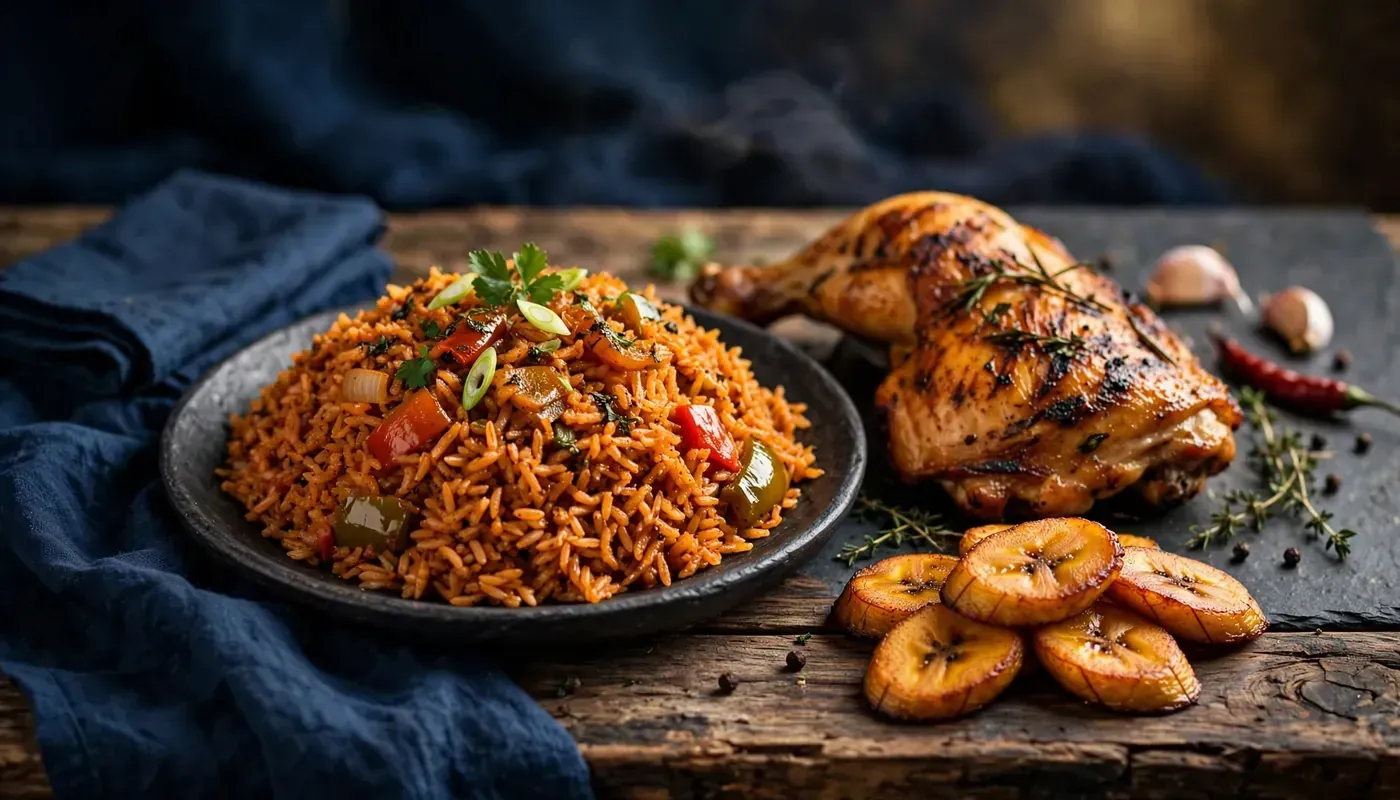
Restaurant Startup Cost in Nigeria: Your Complete Guide
Oct 16, 2026
How Much Profit Do Restaurants Make in Nigeria? (2024 …
Oct 16, 2026
How to Manage Multiple Cashiers in a Single Store: A C…
Oct 16, 2026