Restaurant Startup Cost in Nigeria: Your Complete Guide
SwiftPOS Team
Published October 16, 2026
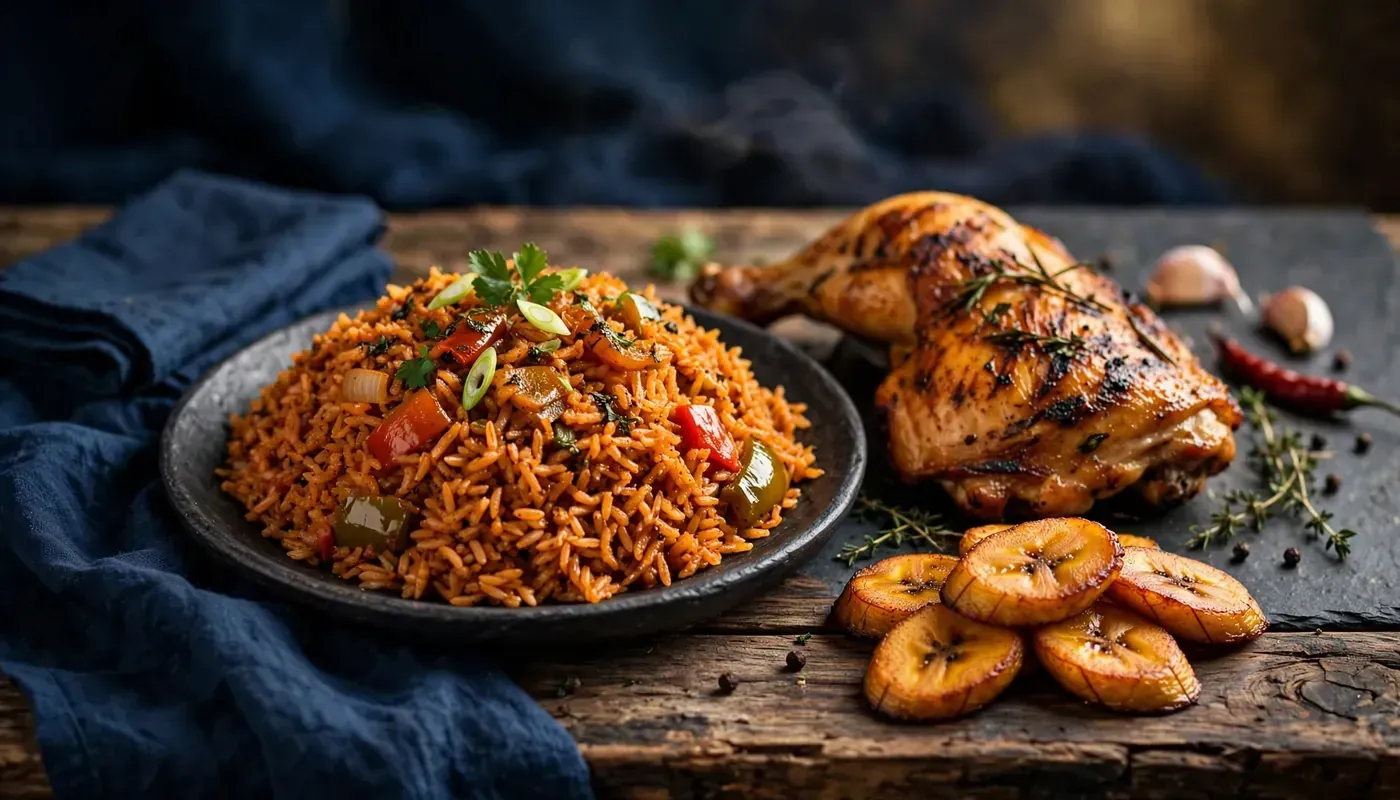
Everyone tells you to "start small" when you're thinking about a food business in Nigeria. "Just get a small space, sell a few things, and grow from there," they say. It sounds like solid advice, right? But here's the honest truth: that advice, while well-intentioned, often sets you up for failure if you don't understand the true costs involved. Starting a restaurant isn't just about the cooking; it's a financial marathon, not a sprint. This guide isn't about telling you what you want to hear; it's about giving you the raw, unvarnished truth about the restaurant startup cost in Nigeria for 2026, so you can plan properly and actually succeed.
Chef preparing a meal in a busy nigerianThe Reality Check: What Nobody Tells You About Starting a Food Business
You see that bustling buka down the street, always packed, and you think, "Ah, easy money!" But what you don't see are the sleepless nights, the hidden expenses, and the constant battle with rising food prices and inconsistent power supply. Many aspiring restaurateurs get caught up in the dream of serving delicious meals and forget the hard numbers. The biggest misconception? That you can just "manage" with very little. While resourcefulness is key in Nigeria, undercapitalization is a death sentence for any food business.
Let's break down some common blind spots. Most people budget for rent and initial stock, but they completely forget about essential things like a reliable generator, which in 2026 is non-negotiable. If your food business relies on refrigeration, a power outage means spoiled inventory and lost profit. I once watched a promising new restaurant in Ikeja close its doors in less than six months because they skimped on a proper generator. Every time NEPA struck, their entire stock of frozen meats and fish went bad. Imagine losing ₦150,000 worth of ingredients in one go, repeatedly. That's not just a loss; it's a business killer.
Then there's the cost of permits and licenses. These aren't just one-off payments; many are annual renewals. You might pay a health permit fee of ₦75,000 in Lagos, but then you'll need to renew it next year. And let's not even start on local government levies that pop up unexpectedly. These aren't glamorous expenses, but they’re mandatory. Ignoring them leads to fines, shutdowns, and a very stressful business journey.
What You Actually Need to Get Started
Before we even talk about money, let's talk about what you truly need. This isn't just a list of items; it's a foundation.
Non-Negotiables (Without these, don't even bother):
- A Solid Business Plan (on paper!): I know, I know, "plan, plan, plan." But seriously, if you can't articulate your concept, your target market, and your financial projections in a document, how do you expect to build it in real life? This isn't just a formality; it's your roadmap.
- Passion for Food & Service: This sounds cliché, but when you're sweating over a hot stove and dealing with a difficult customer, passion is what keeps you going. If you just want "to make money," the restaurant business will chew you up and spit you out.
- Resilience and Patience: Things will go wrong. Staff will disappoint you. Equipment will break. Power will go out. Customers will complain. You need a thick skin and the ability to find solutions, not just problems.
Nice-to-Haves (These make life easier, but you can start without them and add later):
- Prior Experience in Food Service: If you've worked in a restaurant before, even as a waiter, you'll have a better grasp of operations.
- A Strong Network: Knowing suppliers, chefs, or even other restaurant owners can provide invaluable advice and support.
- Marketing Budget: While word-of-mouth is powerful, a dedicated budget for social media ads or local flyers can give you a faster start.
Here's a realistic breakdown for your restaurant capital in 2026:
- Business Registration (CAC): ₦25,000 (for a simple business name) - ₦70,000 (for a Limited Liability Company). This is your first step to being legitimate.
- Shop Renovation/Fit-out: ₦300,000 (basic paint, tiling, counter) - ₦8,000,000 (for a modern, fully equipped restaurant with custom designs). This depends heavily on your vision.
- Kitchen Equipment (Stoves, Fridges, Freezers, etc.): ₦500,000 (for a small buka with basic burners and a chest freezer) - ₦10,000,000 (for a mid-sized restaurant with industrial-grade equipment). Don't cheap out here; reliable equipment saves you money in the long run.
- Dining Furniture (Tables, Chairs): ₦150,000 (plastic chairs and tables from a market like Alaba) - ₦2,500,000 (for quality wooden or upholstered furniture for a more upscale spot).
- Initial Food Stock: ₦100,000 (for a small food stall with limited menu) - ₦1,500,000 (for a medium-sized restaurant with diverse menu items). This is what you buy to start cooking.
- Generator (2.5KVA - 10KVA): ₦180,000 - ₦1,200,000. Absolutely essential for power stability. Factor in fuel costs too!
- Staff Salaries (Cook, Waitstaff - per month): ₦45,000 - ₦120,000 per staff. You'll need at least 2-3 people to start. This is a recurring cost.
- Marketing/Signage: ₦50,000 (simple banner) - ₦500,000 (professional branding, menu design, and initial social media ads).
- Utensils/Crockery: ₦80,000 (basic melamine plates, plastic cutlery) - ₦800,000 (durable ceramic plates, quality cutlery, glassware).
- Water Supply (Borehole/Tank & Pump): ₦150,000 - ₦700,000. If your location doesn't have reliable water, this is a must.
- Waste Management (Monthly): ₦5,000 - ₦30,000. You produce a lot of waste; you need a plan for it.
- Licenses & Permits (Local Govt, Health, Food Safety - Annual): ₦50,000 - ₦300,000. These vary by state and local council.
- Working Capital (3-6 months operating costs): ₦500,000 - ₦5,000,000. This is your survival fund for salaries, utilities, and restocking until you break even.
The Complete Step-by-Step Breakdown
Starting a restaurant is like building a house; you need a solid foundation before you put on the roof. Here’s how to do it right.
Step 1: Refine Your Concept and Business Plan
This is where you decide what kind of food business you want. Is it a fast-food joint, a sit-down restaurant, a casual buka, or a specialty cafe? Your concept dictates everything else – from your menu to your decor and your target customers. Spend time researching similar successful businesses in Nigeria. What makes them tick? What gaps can you fill?
Once you have a clear concept, write it down. Your business plan should detail your menu, pricing strategy, target audience, marketing plan, operational procedures, and critically, your financial projections. How much do you expect to sell daily? What are your profit margins on each dish? This plan will be your compass.
Step 2: Secure Your Location
Location, location, location! For a food business, this is paramount. You need foot traffic, visibility, and accessibility. Consider your target market: where do they live, work, and eat? A prime spot in a busy market like Balogun or near a university campus will naturally attract customers, but it will also cost more.
When scouting locations, also consider practicalities: water supply, electricity stability, waste disposal access, and parking. A beautiful spot with no water is a non-starter. Negotiate your rent fiercely, and always clarify what the rent covers (e.g., service charges, security). Get everything in writing.
Step 3: Legalize Your Business
This is not optional. Register your business name or company with the Corporate Affairs Commission (CAC). This gives you legal standing. Then, you'll need to obtain various permits and licenses from your local government and state agencies. These include:
- Food Handler's Certificate for all staff.
- Health Permit from the Ministry of Health.
- Food Safety License from NAFDAC (if you're processing packaged foods).
- Environmental Sanitation Permit.
- Fire Safety Certificate.
Step 4: Fit-Out and Equip Your Kitchen & Dining Area
This is where your vision starts to take physical form. Your kitchen layout should be efficient, allowing for smooth workflow from food prep to cooking to plating. Invest in good quality, durable equipment. Don't buy a used freezer that will break down in two months. Think long-term.
For the dining area, focus on creating an inviting ambiance that matches your concept. Comfort, cleanliness, and aesthetics are key. Remember, customers eat with their eyes first. If your budget is tight, prioritize functional equipment and a clean, presentable dining space over fancy decor. You can always upgrade later.
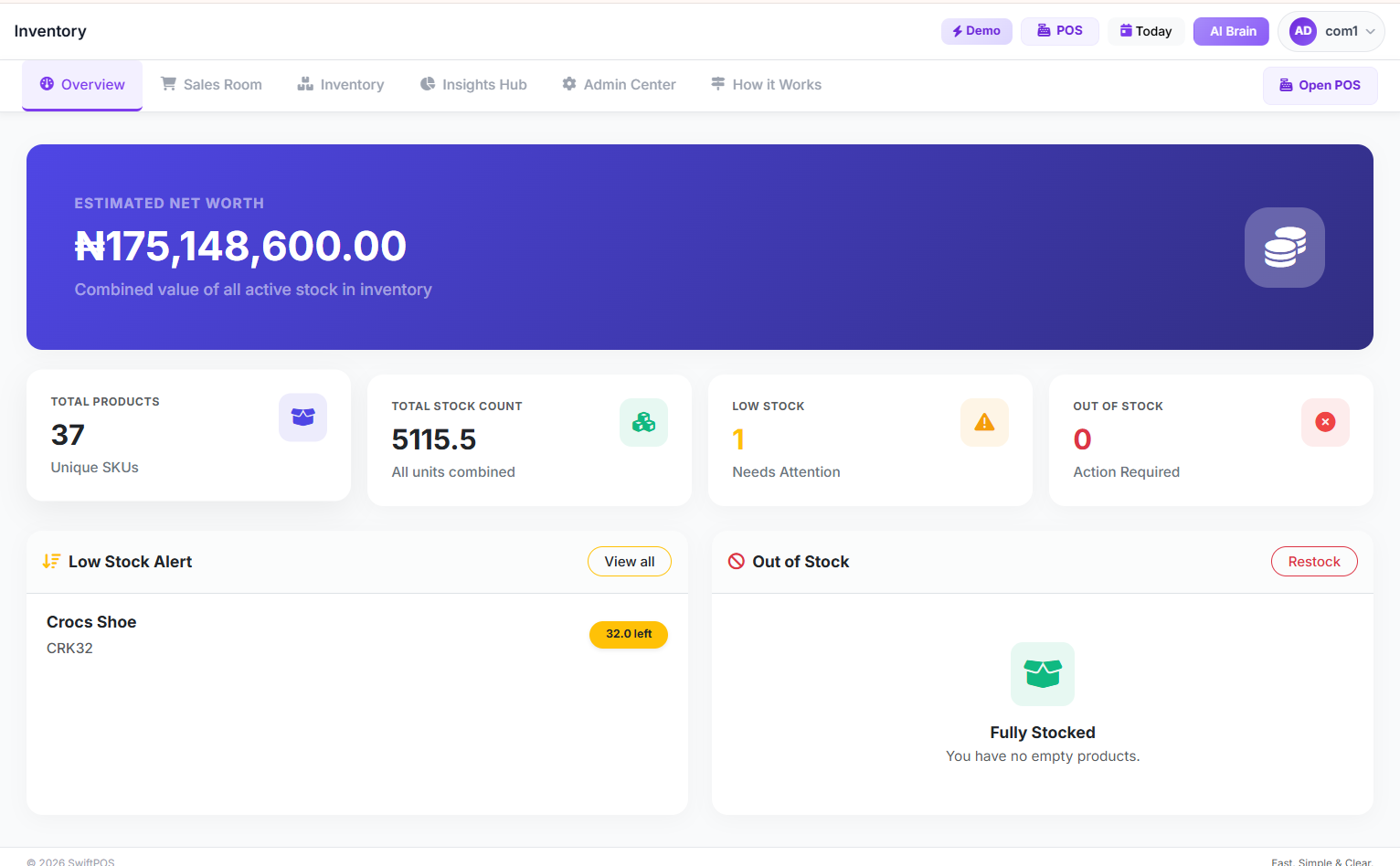 SwiftPOS Inventory Dashboard
This is also the stage where you set up your operational backbone. While many new businesses start with manual systems, this is a huge mistake that costs money and time in the long run. From day one, you need a system to track sales, manage inventory, and understand your finances. A tool like SwiftPOS NG can handle your sales, stock, staff, and customer management all in one place. It helps you track exactly what's selling, what's expiring, and how much profit you're truly making, right from the start.
Step 5: Source Your Suppliers and Stock Your Kitchen
Finding reliable suppliers is crucial. You need consistent quality, competitive pricing, and timely delivery. Visit markets like Mile 12 for fresh produce, or contact wholesalers for bulk dry goods, meats, and poultry. Build relationships with several suppliers so you're not solely dependent on one.
Once you have your suppliers, order your initial stock. Don't overstock perishable items initially; start with enough for a few days and adjust as you learn your sales patterns. Always check expiry dates and quality upon delivery.
Step 6: Hire and Train Your Team
Your staff are the backbone of your restaurant. Hire for attitude as much as skill. A good cook can be taught new recipes, but a bad attitude can ruin your customer experience. You’ll need cooks, waitstaff, and possibly a cleaner or dishwasher.
Train them thoroughly on your menu, service standards, hygiene protocols, and how to use your POS system. Teach them about customer service – a smile and a polite attitude go a long way in Nigeria. Empower them, but also set clear expectations and rules. Regular training and feedback are essential for maintaining high standards.
Step 7: Marketing and Grand Opening
Don't just open your doors and expect people to rush in. You need to create some buzz! Start with signage that clearly announces your presence. Use social media platforms like Instagram and Facebook to showcase your dishes and share your opening date. Offer a special discount or a free drink for the first week to attract initial customers.
Word-of-mouth is your most powerful marketing tool, so ensure every customer has a great experience. Encourage reviews and feedback. Your grand opening is just the beginning; consistent marketing efforts are needed to keep the momentum going.
5 Mistakes That Cost Nigerian Business Owners the Most
I've seen so many good ideas crash and burn because of these common pitfalls. Don't be one of them.
- Undercapitalization: This is number one for a reason. Thinking you can start a serious food business with just ₦500,000 in Lagos is setting yourself up for failure. When unexpected costs hit (and they will hit), you'll be scrambling, cutting corners, or worse, shutting down. Always add a 20-30% buffer to your total estimated startup costs for emergencies.
- Ignoring Inventory Management: Many restaurant owners just buy ingredients when they run out. No tracking, no first-in-first-out (FIFO) system. This leads to spoilage, waste, and theft. Imagine ₦80,000 worth of chicken expiring because you didn't track it. Or a staff member taking home ingredients unnoticed. This is a silent profit killer. Use a system that helps you track your stock, like the detailed inventory features in SwiftPOS NG, to prevent these losses.
- Poor Staff Management: Hiring friends or family without clear roles and expectations, not training staff properly, or tolerating bad behavior will destroy your business from the inside. A single rude waiter can drive away dozens of customers. Unmotivated staff lead to poor service, food wastage, and even pilferage.
- Neglecting Customer Feedback: Nigerians are vocal. If they like something, they'll tell you. If they don't, they'll tell everyone else. Don't dismiss complaints; see them as opportunities to improve. A customer who feels heard is more likely to return, even if there was an initial issue.
- Lack of Financial Tracking: Many business owners know how much money comes in, but they have no idea how much goes out, or what their actual profit is. They mix personal and business funds. This is a recipe for disaster. You need to know your daily sales, your cost of goods sold, your operating expenses, and your net profit. Without this data, you're driving blind.
How to Know If You're on Track (Success Metrics)
Opening is just the first step. To ensure your food business is healthy and growing, you need to track key performance indicators (KPIs).
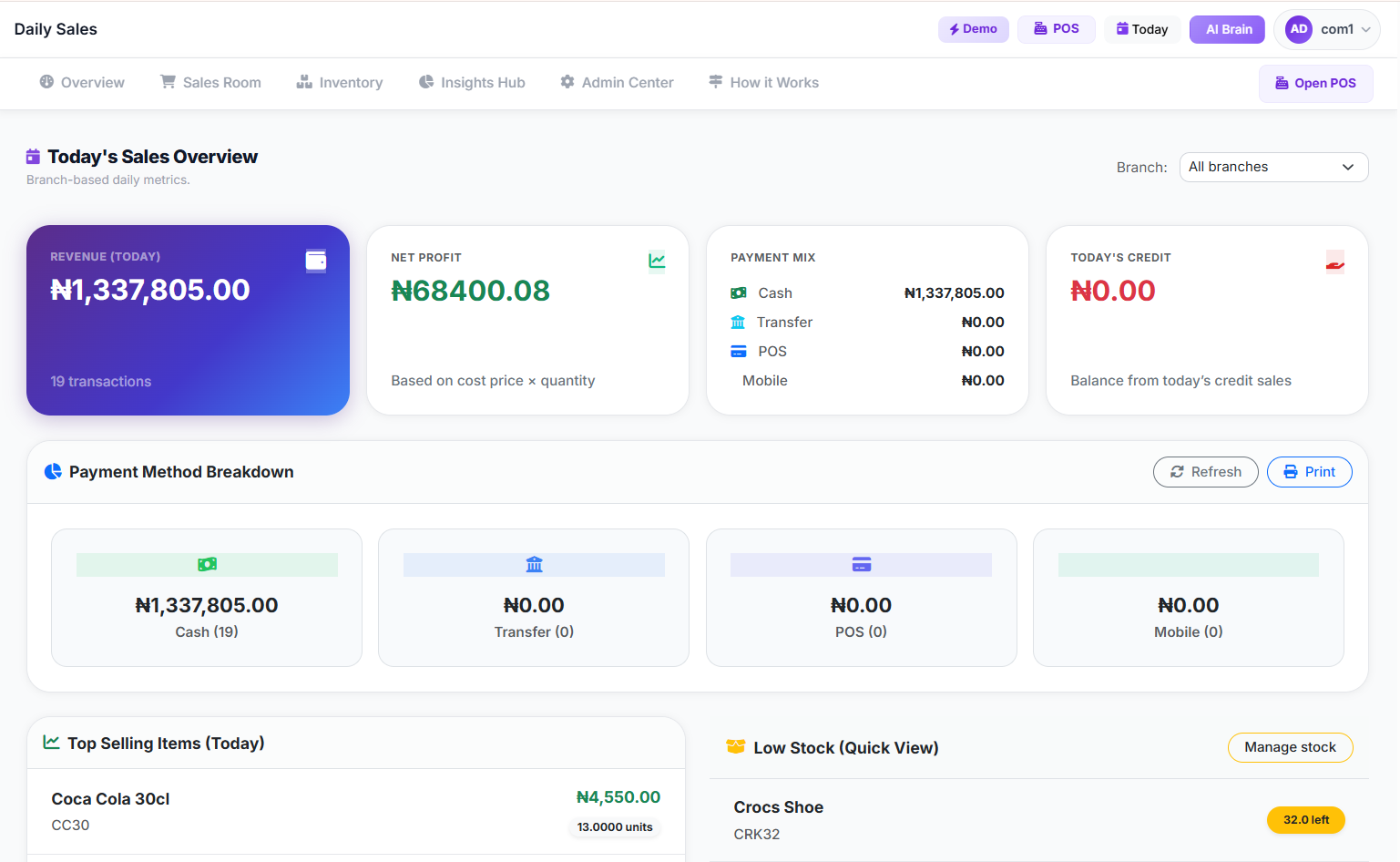
- Daily Sales Figures: Are you hitting your daily targets? Track this consistently. If sales are dipping, you need to understand why.
- Average Customer Spend: How much does each customer spend on average? Can you upsell or cross-sell to increase this?
- Food Cost Percentage: This is critical for a restaurant. Calculate the cost of ingredients for each dish and compare it to its selling price. A general rule of thumb is to aim for a food cost percentage between 25-35%. If yours is higher, your profit margins are eroding.
- Customer Retention Rate: How many customers come back? Repeat customers are often more profitable than new ones. Excellent service and great food drive retention.
- Employee Turnover Rate: High staff turnover indicates problems – poor management, low pay, or a toxic work environment. It's expensive to constantly hire and train new people.
- Net Profit Margin: After all expenses (food, rent, salaries, utilities, marketing), what percentage of your revenue is profit? This is the ultimate measure of your business's financial health.
 daily performance
Real Questions People Ask (FAQ)
Q1: Can I start a restaurant in Nigeria with ₦1,000,000?
A: It's extremely challenging, but possible if you start very, very small. Think a mobile food cart, a very basic food stall in a low-rent area, or a home-based catering business. You definitely cannot open a full-service restaurant with that capital in 2026. You'll be cutting corners on essential equipment, marketing, and working capital, significantly increasing your risk of failure.
Q2: What are the most profitable food businesses in Nigeria right now?
A: Fast-food joints (especially those selling local staples like jollof rice, pounded yam, or shawarma), buka-style restaurants offering affordable local dishes, and niche cafes (e.g., healthy food, specialty coffee) in urban centers tend to do very well. The key is often high volume, good pricing, and consistent quality.
Q3: How long does it take for a new restaurant to break even in Nigeria?
A: This varies wildly, but typically, most new restaurants take anywhere from 6 months to 2 years to break even and start making a consistent profit. Your break-even point depends on your startup costs, operating expenses, pricing, and sales volume. Having sufficient working capital is crucial during this period.
Q4: What's the biggest challenge for a food business in Nigeria?
A: Honestly, it's a toss-up between inconsistent power supply and the rising cost of ingredients. Both directly impact your operational costs and profit margins. Other significant challenges include staff management, competition, and maintaining hygiene standards.
Q5: Do I really need a POS system for a small food business?
A: Yes, absolutely. Even if you're a small buka, a POS system like SwiftPOS NG helps you track every sale, manage your inventory (so you know what ingredients you have and what you need to buy), reduce theft, and understand your actual profit. Relying on manual records is inefficient, prone to errors, and makes it impossible to scale or understand your true financial health. It's an investment that pays for itself by preventing losses and giving you insights. You can read more about why Nigerian retailers should stop using spreadsheets and embrace technology.
Your Next Move
Starting a restaurant in Nigeria is tough, but it's also incredibly rewarding if done right. The key is thorough planning, realistic budgeting, and smart execution. Don't rush in. Take your time, do your research, and prepare for the journey ahead. If you're ready to build a food business that not only survives but thrives, start by getting your numbers right and implementing the right tools from day one.
Ready to manage your restaurant like a pro from day one? Explore SwiftPOS NG features and see how it can help you track sales, manage inventory, and understand your profits.
How Much Profit Do Restaurants Make in Nigeria? (2024 …
Oct 16, 2026
How to Manage Multiple Cashiers in a Single Store: A C…
Oct 16, 2026
How to Start a Restaurant in Nigeria: A Step-by-Step G…
Oct 16, 2026