How Much Profit Do Restaurants Make in Nigeria? (2024 Data)
SwiftPOS Team
Published October 16, 2026

They tell you the secret to a profitable restaurant business in Nigeria is all about the food. "Just cook delicious jollof, make great egusi, and customers will flock!" you hear, right? Well, let me tell you, that's only half the story, and honestly, it's the less important half if you don't get the other things right. Focusing solely on the menu while ignoring the numbers is why so many promising food businesses, from the cozy buka to the fancy Lagos bistro, struggle to answer the crucial question: How Much Profit Do Restaurants Make in Nigeria? (2024 Data) The truth is, many are barely breaking even, or worse, losing money without even knowing it.
A busy nigerian restaurant kitchen with chefs preparingThe Silent Killer: Uncontrolled Food Costs and Inventory Leaks
You've poured your heart into that signature dish. Customers love it. They come back for more. Your cash register is ringing, and you feel like business is booming. But when you sit down at the end of the month, the bank account doesn't quite reflect the hustle. Sound familiar? This is the painful reality for many Nigerian restaurant owners, and often, the culprit is hidden in plain sight: uncontrolled food costs and inventory leaks.
Think about it. You buy a bag of rice for ₦35,000. You use it to make portions of jollof. But do you actually know how many portions you get from that bag, and exactly how much each portion costs you in raw materials? Most people don't. They estimate. And those estimates, my friend, are where your profit slowly bleeds out.
A study from a few years back showed that the average food cost percentage for restaurants in Nigeria ranges from 30% to 45%. Now, 45% might not sound like much, but if your average meal price is, say, ₦2,500, and your food cost is ₦1,125 per plate, you're already giving away almost half your revenue before you even consider rent, staff, or electricity. Imagine you sell 100 plates a day. That's ₦112,500 just for ingredients. And this is assuming everything is accounted for.
What about that yam that spoiled because it wasn't stored properly? Or the carton of drinks that mysteriously went missing from the back room? Or the extra oil a cook used because "it makes the food taste better"? These small, seemingly insignificant losses add up faster than you can say "Pepper soup." A restaurant owner in Surulere, running a popular local spot, confided in me last year that she discovered nearly ₦87,500 worth of ingredients were either wasted or unaccounted for monthly. That's money directly out of her pocket, money that could have been profit. This is why understanding your restaurant profit margin goes way beyond just looking at daily sales. It's about knowing where every single naira goes.
Why the Usual Advice Doesn't Work
"Just track everything in a notebook!" That's the common refrain, isn't it? Or "Use Excel, it's free!" While these methods might seem like a good starting point, especially for a small food business, they quickly become bottlenecks and sources of errors, not solutions.
Here's the thing: notebooks are easily misplaced, pages get torn, and calculations are prone to human error. One misplaced decimal point can throw off your entire week's inventory. And Excel? Oh, Excel is a powerful tool, no doubt. But it demands meticulous, consistent, and often repetitive manual entry. Who has the time to manually update stock levels for every single ingredient after every sale? Who wants to spend hours at night cross-referencing purchase receipts with sales data? Most business owners I know are already stretched thin, juggling cooking, managing staff, and dealing with suppliers. They end up doing it inconsistently, leading to outdated information and decisions based on guesswork.
This manual approach also makes it incredibly difficult to spot trends or identify specific problem areas. Is it the rice that's too expensive, or are your cooks over-portioning? Is Monday always slow, or is there a specific dish that just isn't selling? When you're buried under stacks of paper or rows of spreadsheets, these insights remain hidden, and your restaurant profit Nigeria continues to suffer. You need real-time data, not data from last week or last month.
The Better Way: Embracing Data-Driven Operations for Your Food Business
So, if notebooks and basic Excel aren't cutting it, what's the solution? The better way, the only sustainable way for a food business looking to truly thrive in 2026, is to embrace data-driven operations. This means moving beyond guesswork and into a system that gives you clear, actionable insights into every aspect of your business.
It’s about having a structured approach to manage not just sales, but also your inventory, your staff, and your expenses. This isn't just for big, fancy restaurants in Victoria Island; it's for the local mama put in Ojodu Berger too, if she wants to grow.
Here’s how you can start:
- Standardize Your Recipes and Portions: This is foundational. Every dish should have a clear, written recipe with exact measurements. Train your staff to stick to these. This helps you calculate precise food cost percentages for each item. If a plate of pounded yam and egusi costs you ₦1,500 to make, and you sell it for ₦3,500, you know your gross profit per plate. Without this, you're just guessing.
- Implement Strict Inventory Control from Day One: Every ingredient that comes into your restaurant, from a bag of flour to a crate of tomatoes, must be recorded. And every ingredient used must be accounted for. This isn't about being overly strict; it's about protecting your investment. You need to know what you have, where it is, and when it expires. For perishable goods, this is absolutely critical to minimize waste.
- Track Every Sale, Every Time: Whether it's a takeaway plate or a dine-in meal, every transaction needs to be recorded accurately. This provides the raw data for understanding your revenue. You need to know which dishes are popular, which times of day are busiest, and which payment methods your customers prefer.
- Monitor Staff Performance and Activity: Your staff are your greatest asset, but also a potential source of loss if not managed properly. Tracking sales by staff member, monitoring discounts given, and understanding voids can highlight training needs or even suspicious activity.
- Categorize and Track All Expenses: Beyond ingredients, what are your other costs? Rent, utilities, staff salaries, marketing, generator fuel, repairs. Every single expense needs to be recorded and categorized. This is how you move from gross profit to true net profit. You can’t control what you don’t measure.
How SwiftPOS NG Fits Into This
This is where a dedicated system makes all the difference. Imagine having a tool that automatically tracks your inventory as sales happen, gives you a clear picture of your best-selling dishes, and even forecasts when you'll run out of stock. That's the power of a modern Point-of-Sale (POS) and business management system like SwiftPOS NG.
With SwiftPOS NG, you can easily input your ingredients and their costs. When a customer orders a meal, the system automatically deducts the ingredients from your inventory. This means you know your real-time stock levels without manual counting. It helps you manage your food business more efficiently, ensuring you always have what you need while minimizing waste.
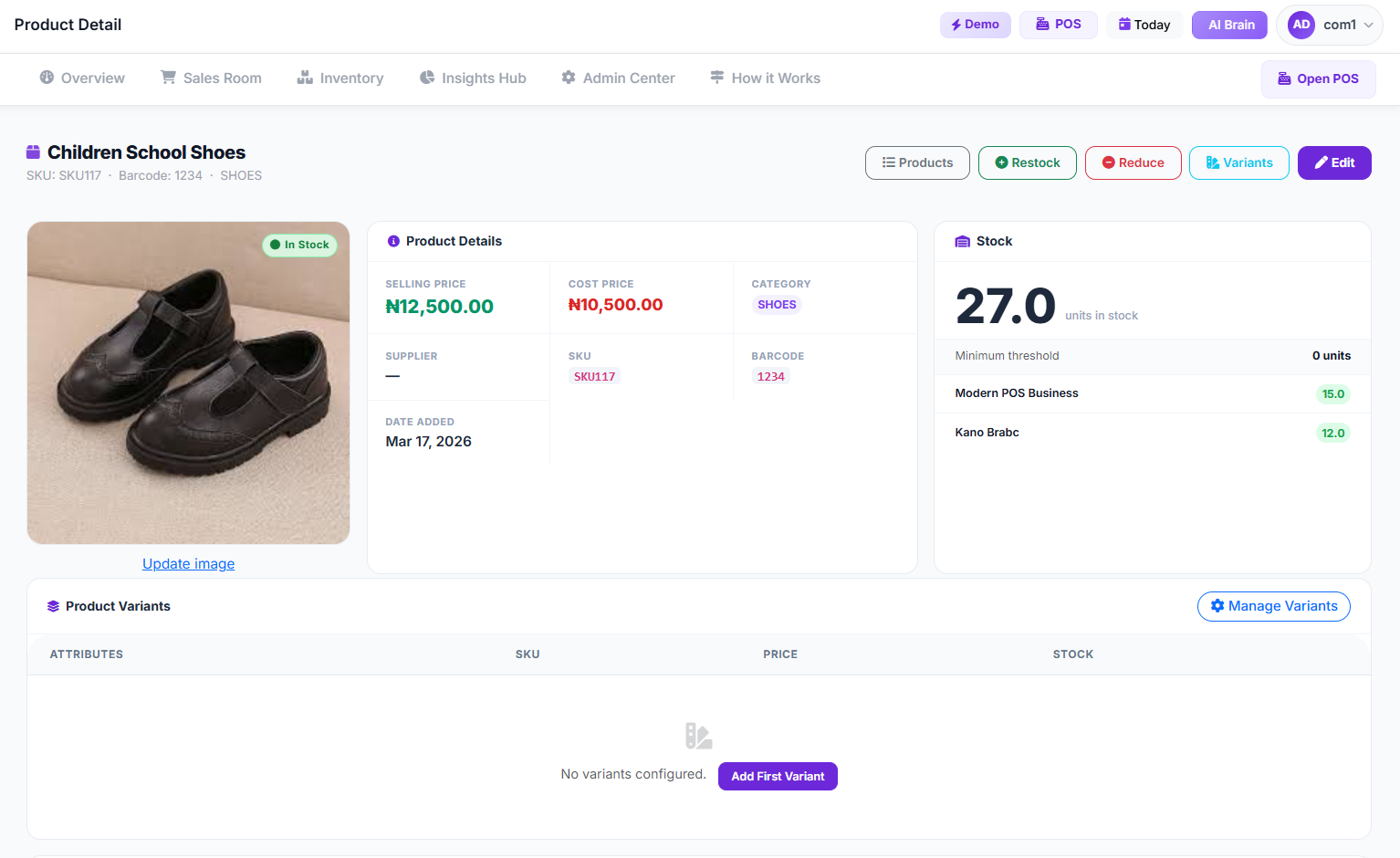 Product Detail Page
Beyond just sales, SwiftPOS NG provides a comprehensive view of your entire operation. You can:
- Track your monthly profit margins by seeing your gross and net profit after all expenses.
- Manage suppliers and purchases, ensuring you get the best deals and never run out of critical ingredients.
- Monitor staff activity, giving you control over discounts, voids, and overall performance.
- Access detailed sales reports, showing you peak hours, popular items, and overall revenue trends.
Side-by-Side: Old Way vs. New Way
Let's put it simply.
| Feature | Traditional Approach (Notebooks/Excel) | Modern Approach (SwiftPOS NG) |
|---|---|---|
| Inventory Tracking | Manual counting, guesswork, prone to errors, slow updates, high waste. | Automatic deduction with every sale, real-time stock levels, expiry date alerts, less waste. |
| Sales Reporting | Daily tallying, basic totals, hard to spot trends, no breakdown by item. | Detailed reports by item, staff, time, payment method; identifies best sellers & slow movers. |
| Food Costing | Rough estimates, difficult to calculate per-dish cost, inconsistent. | Precise per-dish cost calculation, helps optimize pricing and portion control. |
| Expense Management | Scattered receipts, manual entry, hard to categorize, delayed insights. | Centralized expense tracking, categorization, clear view of all operating costs. |
| Staff Management | Trust-based, limited oversight, manual time tracking. | Sales by staff, permission control, manager approvals, suspicious activity flagging. |
| Profit Calculation | Gross revenue minus estimated costs, often inaccurate, delayed. | Clear gross and net profit, real-time financial health, data-driven decisions. |
| Business Insights | Pure guesswork, reactive to problems, missed opportunities. | Stock forecasting, performance trends, low-stock warnings, proactive business growth. |
The Numbers: What This Actually Means for Your Business
Let's talk real money. Let's say you run a mid-sized restaurant in Ikeja.
Initial Investment (Approximate Ranges):
- Shop Rent (Annual): ₦800,000 - ₦2,500,000. Let's use ₦1,500,000 for our example.
- Kitchen Equipment: ₦1,500,000 - ₦5,000,000. Let's say ₦2,500,000.
- Furniture & Fittings: ₦500,000 - ₦2,000,000. Let's go with ₦750,000.
- Initial Stock/Ingredients: ₦300,000 - ₦1,000,000. We'll use ₦500,000.
- Business Registration: ₦25,000 - ₦70,000. Let's say ₦40,000.
- Total Startup: Roughly ₦5,290,000.
- Staff Salary (Cooks x 2): ₦90,000 - ₦240,000 (2 x ₦45,000 to ₦120,000). Let's say ₦150,000 (2 cooks at ₦75,000 each).
- Staff Salary (Waiters x 3): ₦90,000 - ₦210,000 (3 x ₦30,000 to ₦70,000). Let's say ₦150,000 (3 waiters at ₦50,000 each).
- Monthly Ingredient Procurement: ₦800,000 - ₦3,000,000. Let's use ₦1,500,000.
- Utilities (Electricity, Water, Gas): ₦100,000 - ₦300,000. Let's say ₦180,000.
- Marketing/Advertising: ₦10,000 - ₦150,000. Let's allocate ₦50,000 for social media and local ads.
- Monthly Rent Equivalent: ₦1,500,000 / 12 = ₦125,000.
- Total Monthly Operating Costs: Approximately ₦2,155,000.
The Profit Calculation:
- Gross Revenue: ₦4,500,000
- Cost of Goods Sold (COGS - Ingredients): Let's assume a 35% food cost percentage, which is efficient. So, 35% of ₦4,500,000 = ₦1,575,000.
- Gross Profit: ₦4,500,000 - ₦1,575,000 = ₦2,925,000.
- Total Monthly Operating Costs (excluding COGS): ₦2,155,000.
- Net Profit: ₦2,925,000 - ₦2,155,000 = ₦770,000.
But here's the catch: that 35% food cost? That efficient percentage is only achievable with tight inventory control, accurate portioning, and minimal waste. If your food cost creeps up to 45% due to inefficiencies, your COGS becomes ₦2,025,000.
- New Gross Profit: ₦4,500,000 - ₦2,025,000 = ₦2,475,000.
- New Net Profit: ₦2,475,000 - ₦2,155,000 = ₦320,000.
<blockquote style="background-color: #f0f0f0; padding: 20px; border-left: 5px solid #007bff; margin: 15px 0;">
"Profit isn't what's left over; it's what's designed into your business model from the start. Without clear visibility into every cost, you're not running a business, you're running a very expensive hobby."
</blockquote>
FAQ: Questions Nigerian Business Owners Actually Ask
Q1: How much capital do I need to start a small restaurant in Nigeria?
A1: Starting a small buka or local eatery in a less prime location might require ₦800,000 to ₦2,000,000 for rent, basic equipment, and initial stock. If you're looking at a slightly more modern setup in a city, you could easily be looking at ₦3,000,000 to ₦7,000,000 or more, especially for kitchen equipment and furnishing. Remember, location and scale are huge factors. You can learn more about managing your business finances by checking out articles on
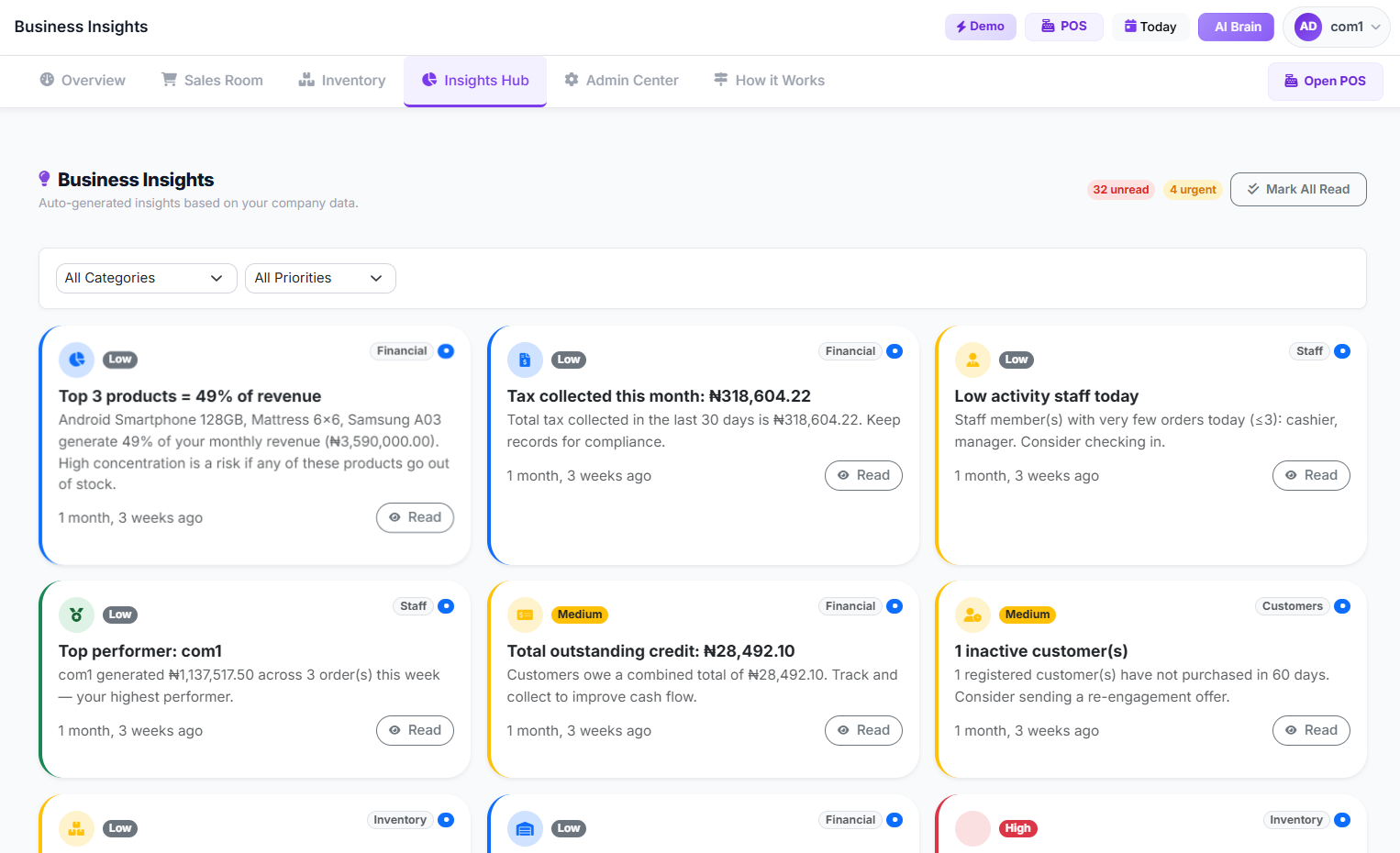 business insights
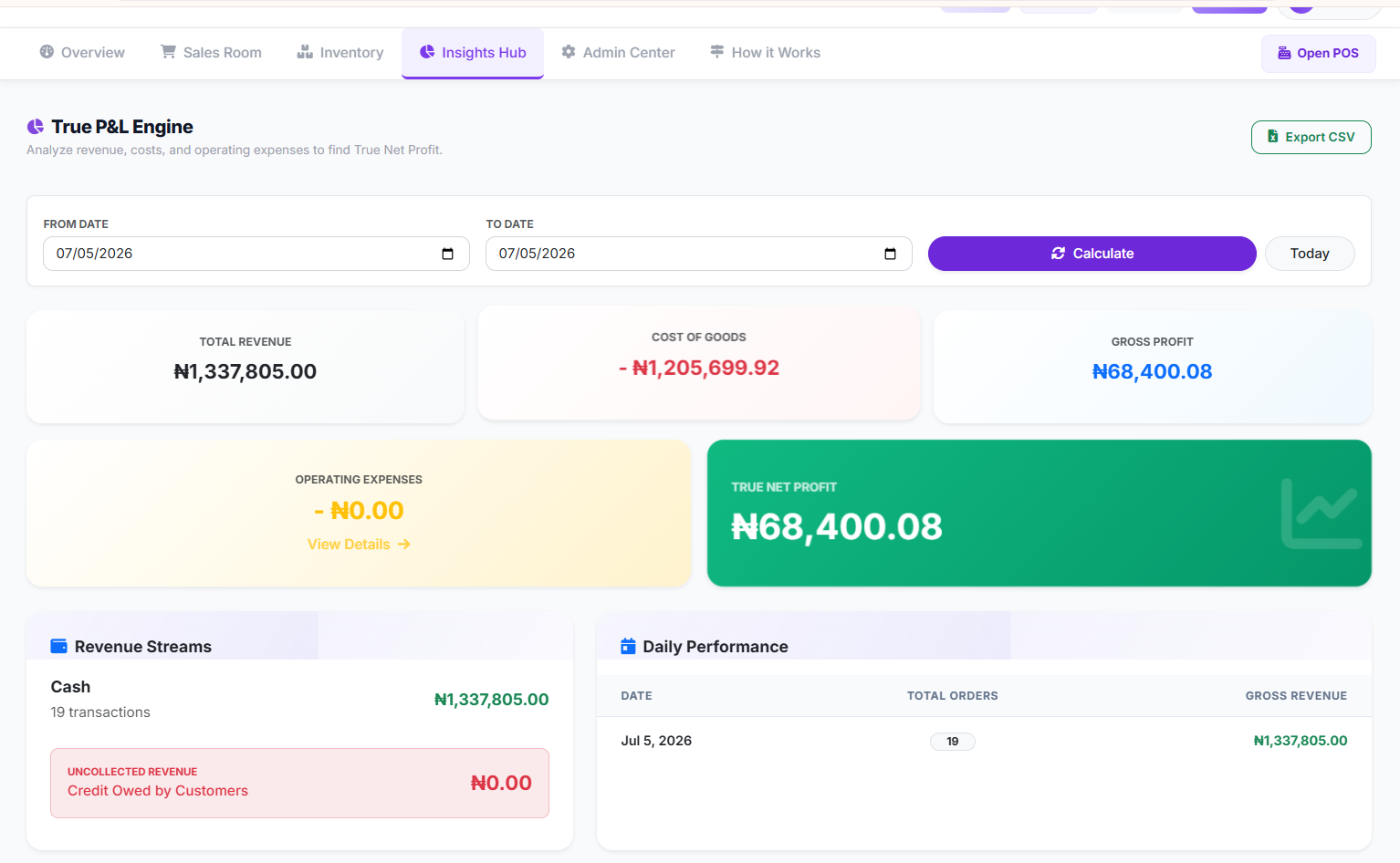 profit and loss
Q2: What is a good profit margin for a restaurant in Nigeria?
A2: A healthy restaurant profit margin typically falls between 10% and 25% net profit. Anything below 10% means you're working too hard for too little, and anything consistently above 25% often indicates exceptional management or a very unique market position. Many businesses aim for 15-20%.
Q3: How can I reduce food waste in my restaurant?
A3: Reducing food waste starts with accurate inventory tracking, proper storage, portion control, and careful forecasting. Using a system that monitors stock levels and alerts you to expiring items, like SwiftPOS NG, can drastically cut down on spoilage. Also, implementing standard recipes helps ensure consistency and prevents over-portioning. Check out our guide on Nigerian Retailers: Inventory Management Mistakes Crushing Your Profits for more tips.
Q4: Is it better to buy ingredients in bulk or small quantities?
A4: Generally, buying in bulk can lead to lower unit costs, improving your food cost percentage. However, for perishable items, bulk buying can lead to more waste if you don't use them quickly enough. It's a balance. A good inventory management system helps you forecast demand accurately, so you can buy the right quantities at the right time, minimizing both waste and stockouts.
Q5: How can I track my restaurant's performance without complicated accounting software?
A5: You don't need complex accounting software. A good POS and business management system like SwiftPOS NG integrates sales, inventory, and expense tracking into one user-friendly platform. It provides clear dashboards and reports on sales, profit, and costs, giving you the insights you need without being an accountant. For more on this, consider reading about the 7 Key Retail Metrics Nigerian Businesses Must Track for Profit Growth.
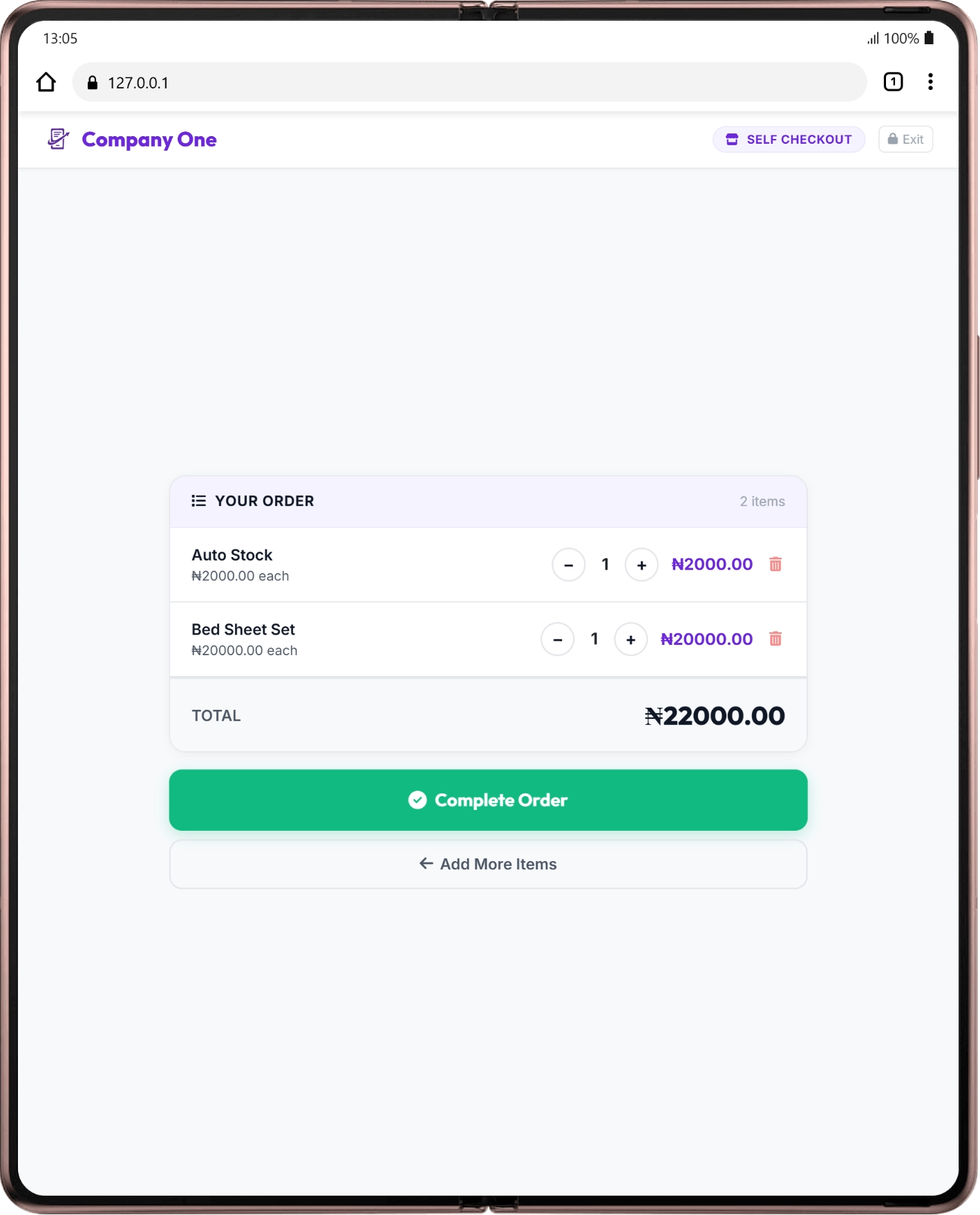 Self Checkout Customer Section - Step 4 - Complete the order
Take the First Step
Understanding how much profit do restaurants make in Nigeria (2024 data) isn't just about knowing the numbers; it's about having the tools to influence those numbers positively. You've worked hard to build your food business. Don't let your profits slip through the cracks due to outdated methods.
It's 2026, and the digital tools available to Nigerian SMEs are more powerful and accessible than ever before. If you're serious about increasing your restaurant business profit, it's time to upgrade your operations. Explore how a system designed for Nigerian businesses can help you gain control, reduce waste, and truly understand your bottom line.
Ready to transform your restaurant's profitability? Start your free 14-day trial with SwiftPOS NG today.

Restaurant Startup Cost in Nigeria: Your Complete Guide
Oct 16, 2026
How to Manage Multiple Cashiers in a Single Store: A C…
Oct 16, 2026
How to Start a Restaurant in Nigeria: A Step-by-Step G…
Oct 16, 2026