Why Nigerian Businesses Are Switching to Digital POS Systems in 2026
SwiftPOS Team
Published June 21, 2026
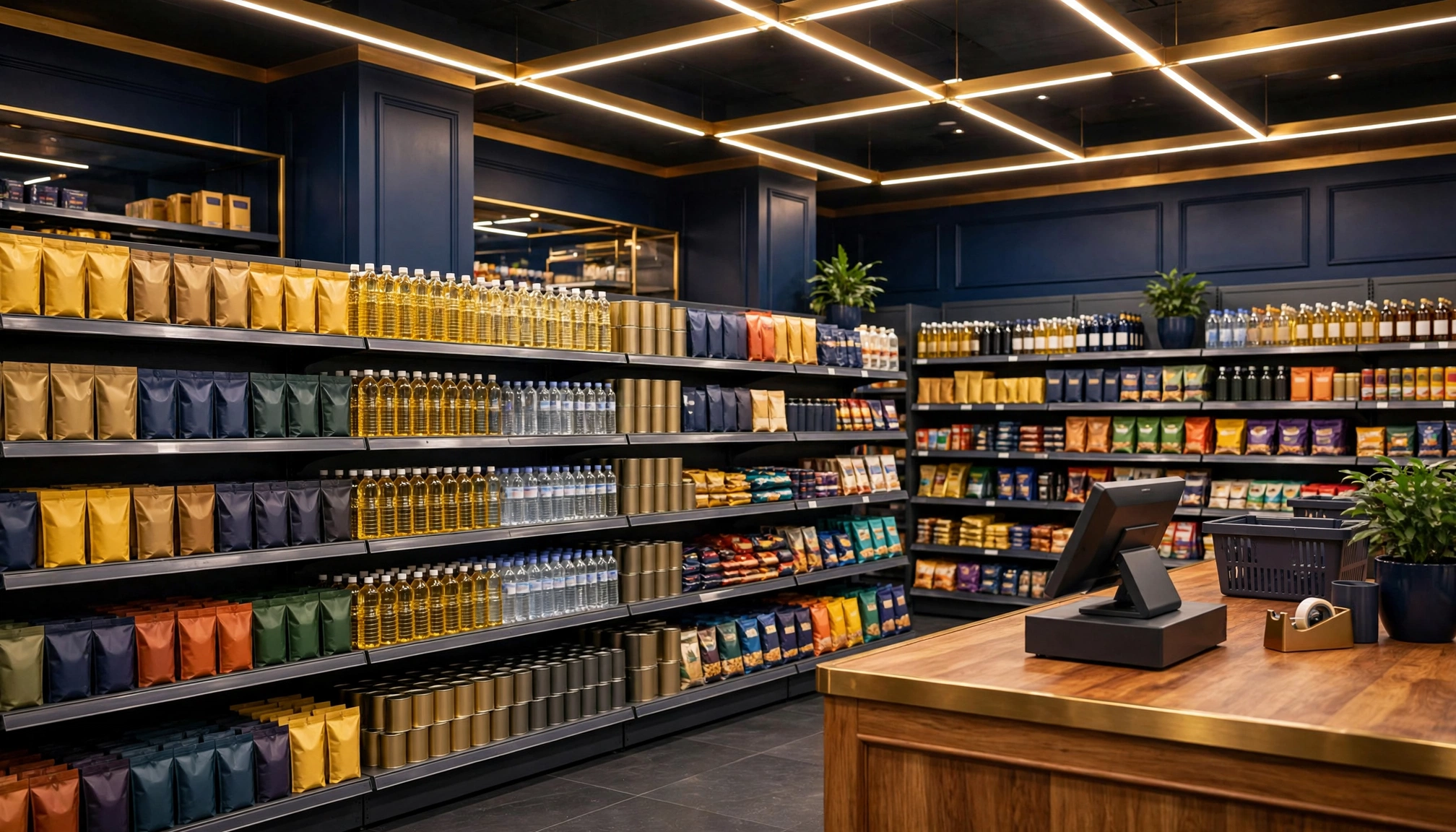
Walk into any busy supermarket, pharmacy, or provision store in Lagos, Abuja, or Port Harcourt today, and there's a good chance you'll spot a tablet or POS terminal at the counter instead of a dusty exercise book and a calculator. That shift isn't a coincidence — it's a quiet revolution. A growing number of Nigerian retail owners are adopting a digital POS system in Nigeria to replace manual sales tracking, and the reasons go far beyond convenience.
In this guide, you'll learn exactly why this shift is happening, what it's costing businesses that haven't made the switch yet, and how a tool like SwiftPOS is helping shop owners take back control of their sales, stock, and staff.
Why Sticking to Manual Sales Records Is Costing Nigerian Shops Money
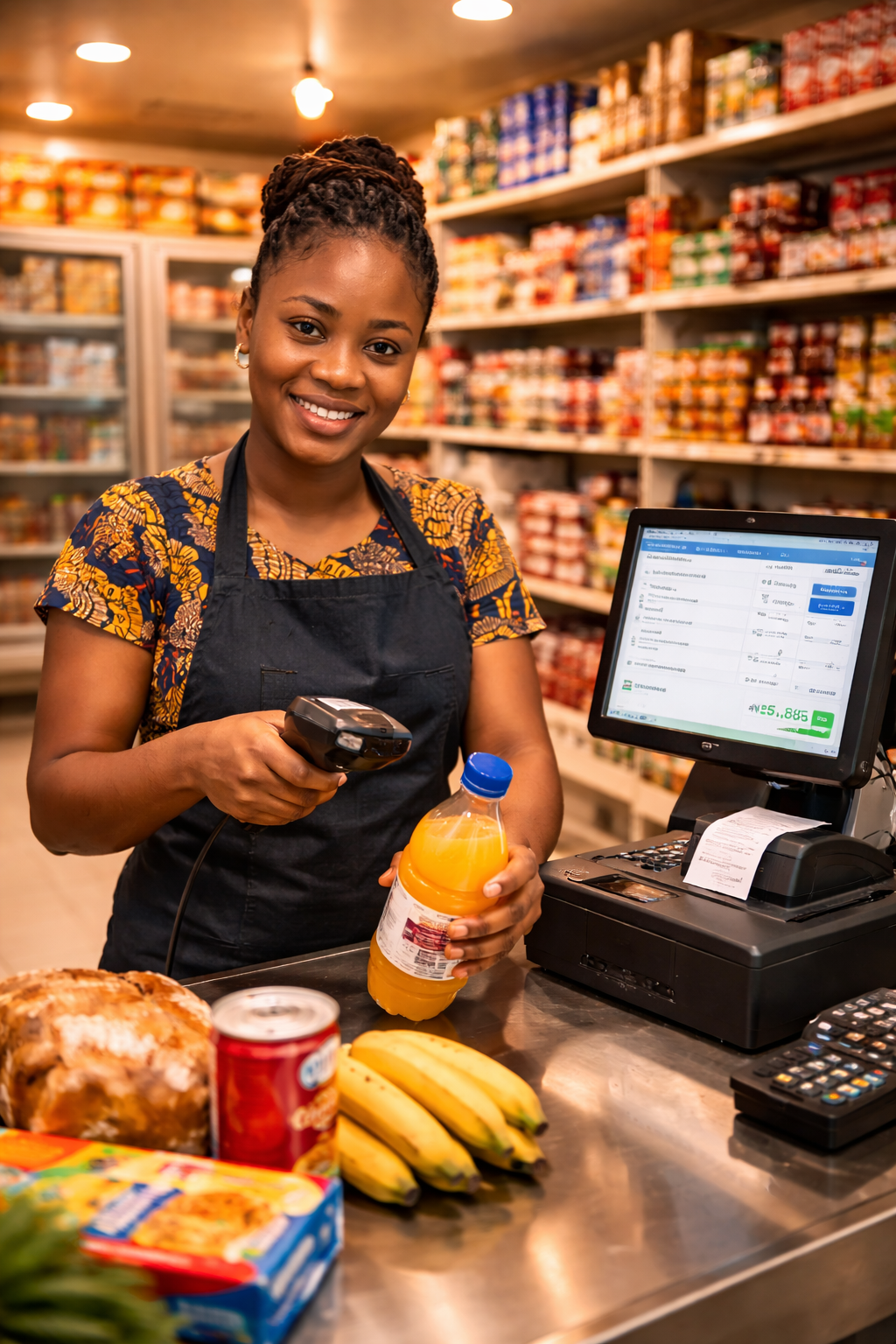
Many retail businesses in Nigeria still rely on notebooks, WhatsApp messages, or memory to track daily sales. The problem is that this approach quietly bleeds money in ways owners rarely notice until it's too late.
Consider a provision store that buys cartons of indomie at ₦4,500 and sells at ₦5,200. If even one staff member underprices a few items per day, or "forgets" to record a handful of sales, that's potentially ₦20,000–₦50,000 in monthly leakage — money that simply vanishes without a paper trail to investigate.
Beyond theft and human error, manual systems make it nearly impossible to know which products are running low until shelves are empty, or which staff member closed a register with a shortfall. Add Nigeria's unpredictable internet and power supply into the mix, and many owners assumed digital tools simply weren't practical for their shop — until offline-capable POS software changed that.
How Nigerian Shop Owners Are Solving This With Digital POS
Switching to a digital point-of-sale system doesn't have to be complicated. Here's how most Nigerian businesses approach the transition:
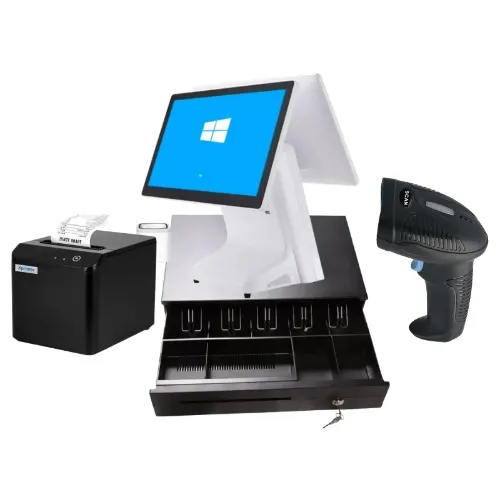
- Start with the POS terminal. Replace manual sales entries with a tablet or phone-based POS that records every transaction instantly, whether through a visual grid interface or barcode scanning.
- Digitize the product list. Instead of guessing stock levels, owners upload their full product catalog — often in bulk — so the system can track quantities automatically as sales happen.
- Set up staff accounts with permissions. Each staff member gets their own login, so every sale, refund, or price change is tied to a specific person.
- Turn on low-stock alerts. The system flags products before they run out, instead of owners discovering empty shelves from a frustrated customer.
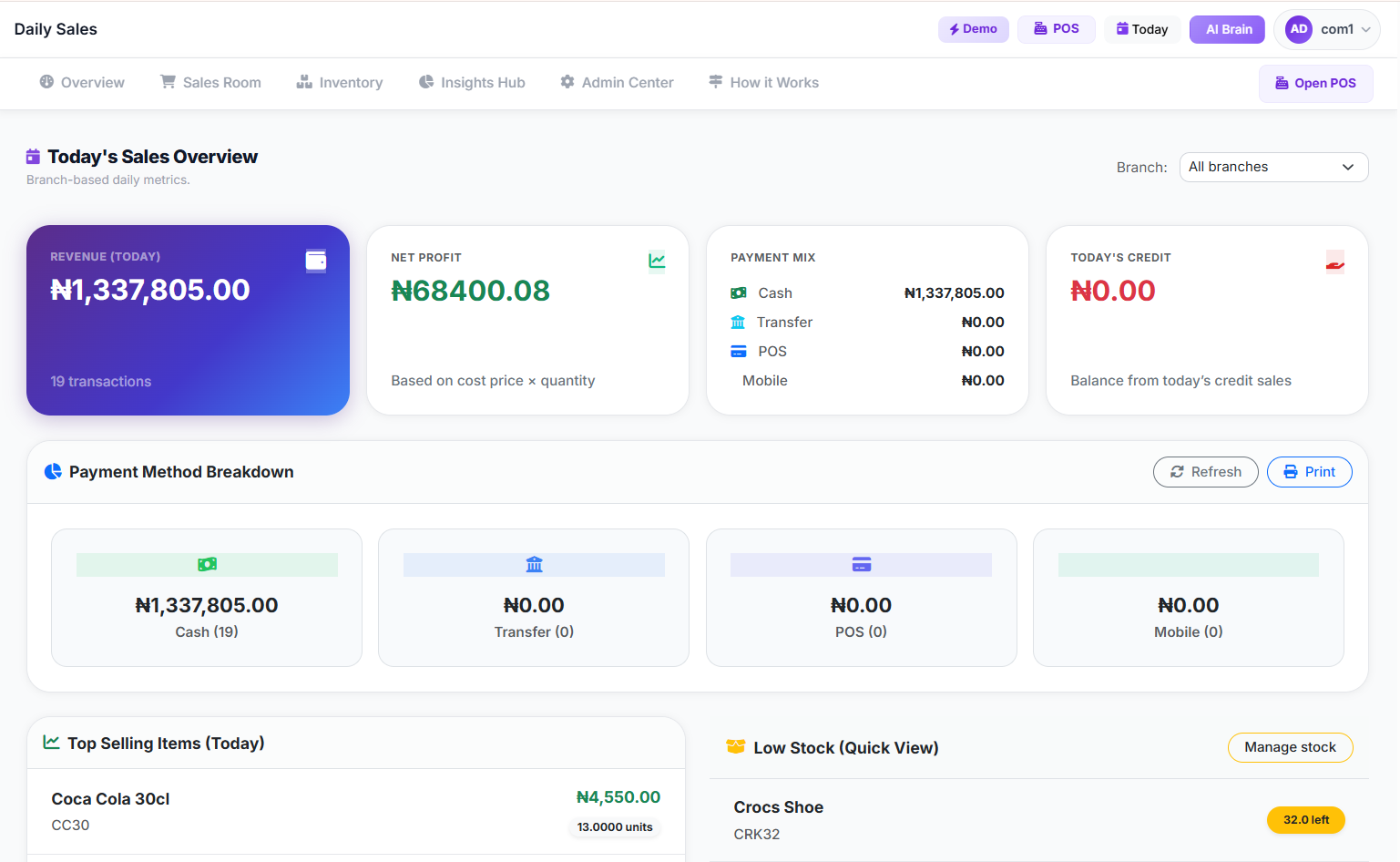
- Review daily reports. A quick look at the day's dashboard replaces hours of manually adding up receipts at closing time.
For example, imagine you run a supermarket in Lagos with three attendants across two shifts. With a digital POS, you can see — in real time — exactly who sold what, when stock is running low on bottled water, and whether yesterday's revenue matches what was banked.
How SwiftPOS Makes the Switch to Digital POS Effortless
This is exactly the gap SwiftPOS was built to close for Nigerian retail businesses. Rather than forcing owners to adapt to complicated international software, SwiftPOS is designed around the realities of running a shop in Nigeria — including patchy internet, staff management challenges, and the need for affordable pricing.
Here's how SwiftPOS maps directly to the pain points above:
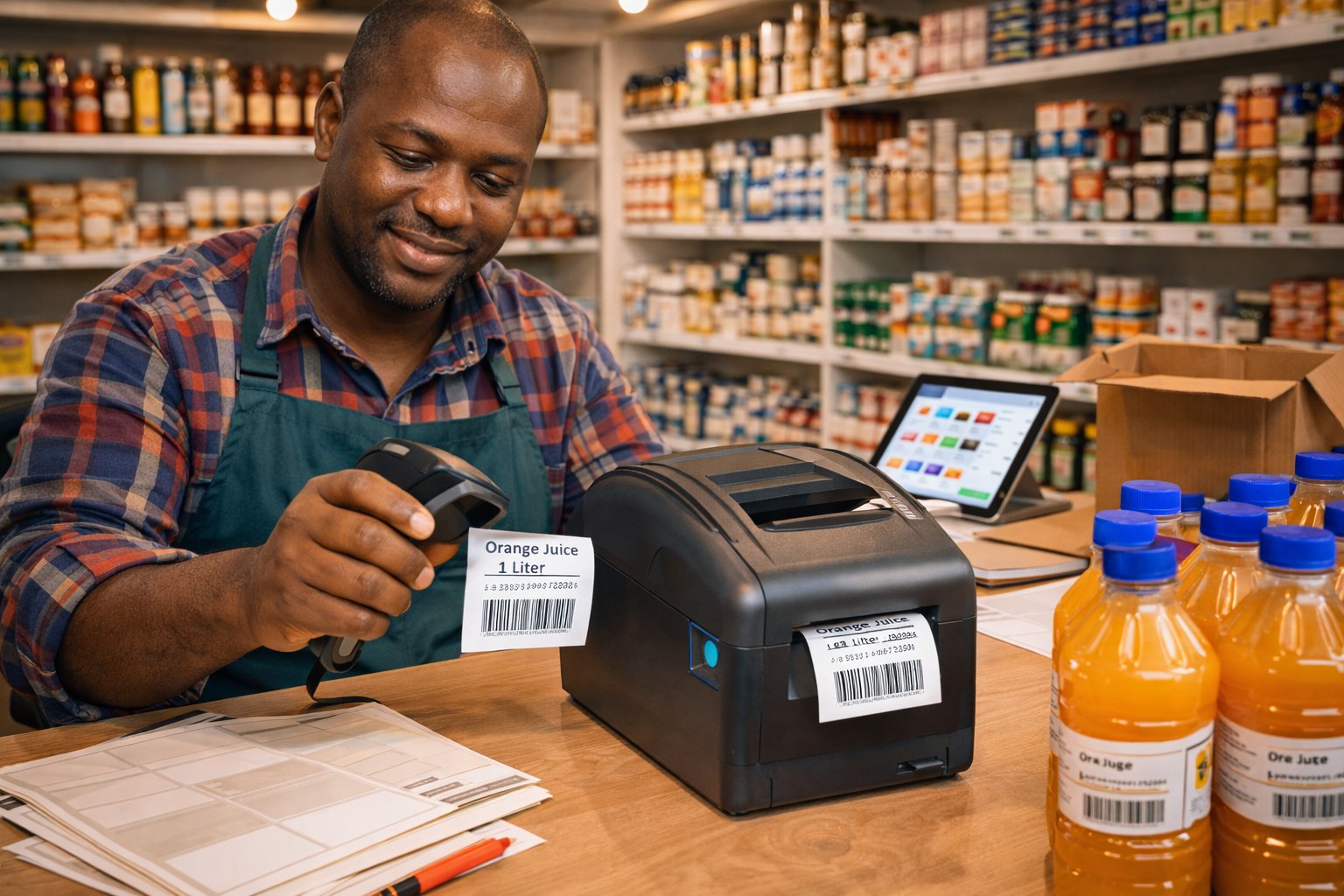
- Fast, flexible checkout — choose between a visual grid POS terminal for quick selection or a barcode scanner setup for high-volume checkout.
- Real-time inventory tracking — stock levels update automatically with every sale, and low-stock alerts warn you before products run out.
- Staff accountability — every staff member has their own login, so sales, edits, and till activity are always traceable to a specific person.
- Audit logs and suspicious activity detection — unusual actions, like repeated discounts or voided sales, are flagged automatically.
- Customer credit tracking — keep a clear digital record of who owes what, instead of relying on memory or a notebook.
- P&L and exportable reports — see real profit and loss numbers instantly, and export data whenever you need it.
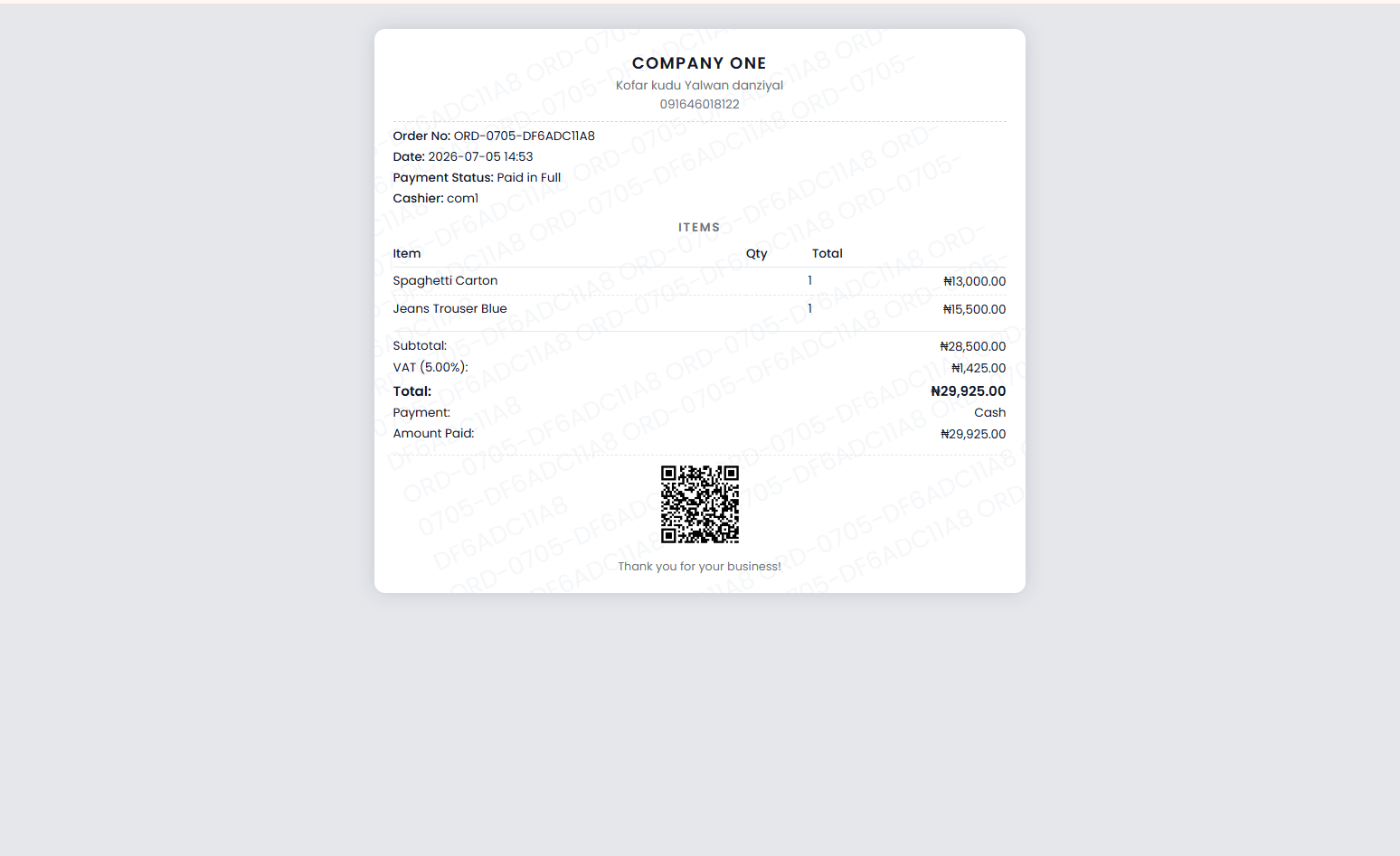
You can explore the full feature set on the SwiftPOS features page, and if you're running multiple locations, SwiftPOS also supports multi-branch management from a single dashboard.
Pro Tips for Nigerian Business Owners Making the Switch
If you're considering moving from manual records to a digital POS system, keep these tips in mind:
- Don't switch everything overnight. Start with the POS terminal and inventory first, then add staff permissions and reporting once your team is comfortable.
- Train staff with real transactions, not theory. Walk attendants through actual sales scenarios during a quiet hour rather than just explaining the screen.
- Check your numbers daily for the first month. Comparing your digital reports to physical cash helps you catch discrepancies early and build trust in the system.
Frequently Asked Questions
What is a digital POS system?
A digital POS (point-of-sale) system is software that records sales, tracks inventory, and manages business operations electronically, replacing manual notebooks or basic cash registers.
Does a digital POS system work without internet in Nigeria?
Many modern POS platforms, including SwiftPOS, support offline order capture so sales aren't lost during connectivity issues, syncing automatically once internet is restored.
Does SwiftPOS help with staff theft and accountability?
Yes. SwiftPOS assigns each staff member their own login, logs every action, and flags suspicious activity like repeated discounts or voided transactions.
Can I manage multiple shop branches with SwiftPOS?
Yes, SwiftPOS supports multi-branch management on the Pro plan, letting you monitor sales, stock, and staff performance across locations from one dashboard.
Is SwiftPOS affordable for small shops in Nigeria?
SwiftPOS plans start at ₦3,000 per month for small shops, with Standard and Pro plans available as your business grows. You also get one month free when you subscribe annually.
Conclusion
The move toward digital POS systems in Nigeria isn't just a trend — it's a direct response to the real losses manual sales tracking causes every day. From reducing staff-related losses to preventing stockouts and giving owners a clear view of profit and loss, digital POS tools are helping Nigerian retailers run tighter, more profitable businesses.
If you want to see how this works in practice, you may also enjoy reading about how SwiftPOS works or the true cost of manual bookkeeping.
Ready to manage your shop more efficiently?
SwiftPOS helps businesses track sales, inventory, staff activities, and customer credit in one system.
Check the pricing plans at swiftpos.ng/pricing or message SwiftPOS on WhatsApp at +2349164601810 to get started.
Remember: you get 1 month free when you subscribe annually on any plan.

How to Know If Your Business Is Actually Profitable: A…
Oct 08, 2026
How to Stop Cash Leakage in Your Business: A Comprehen…
Oct 04, 2026
How to Start a Food Business with Low Capital: A Step-…
Oct 01, 2026