How to Start a Cosmetics Business in Nigeria: A Step-by-Step Guide
SwiftPOS Team
Published October 17, 2026

A staggering ₦187,500 is the minimum capital you’ll need just for initial stock if you’re looking to start a small, home-based cosmetics business in Nigeria today, in 2026. That’s not even counting registration, rent, or a single marketing ad! It's a number that often catches aspiring entrepreneurs off guard, especially when they dream of diving into the vibrant world of beauty products. But don't let that initial figure scare you. With the right strategy and a clear understanding of the landscape, you can absolutely build a thriving enterprise. This guide will walk you through exactly how to start a cosmetics business in Nigeria, step by step, cutting through the noise and giving you the real talk you need.
A young nigerian woman confidently showcasing her homemadeThe Reality Check: What Nobody Tells You About the Cosmetics Business
Everyone sees the glam, the glowing skin, the beautiful packaging, and the endless stream of influencers. What they don't often see is the grind, the regulations, and the capital required to even get off the ground. Most guides will tell you to "just start selling," but that's a recipe for headaches and potential legal trouble down the line. Here's the thing though — does that actually work sustainably? Not really.
First, let's talk about NAFDAC. If you're producing anything locally, even small batches of organic soap or body butter, NAFDAC registration is non-negotiable. This isn't some optional fee; it’s a critical step that ensures product safety and builds consumer trust. The cost for NAFDAC product registration can range from ₦60,000 for small-scale local production to well over ₦250,000 for more complex formulations or imported items. Many people try to bypass this, thinking they can fly under the radar, but one customer complaint or a random inspection can shut you down faster than you can say "shea butter."
Then there's the market itself. Nigeria's cosmetics market is booming, yes, but it's also incredibly competitive. You're not just up against local artisans; you're competing with global brands with massive marketing budgets. Standing out requires more than just a good product; it demands a solid brand, consistent quality, and smart business operations. I've seen countless promising beauty businesses fizzle out because they underestimated the complexity of the market or failed to properly budget for critical aspects beyond just ingredients. You need to understand your true costs, not just your sales figures, if you want to grow. This is where tools that offer a clear picture of your
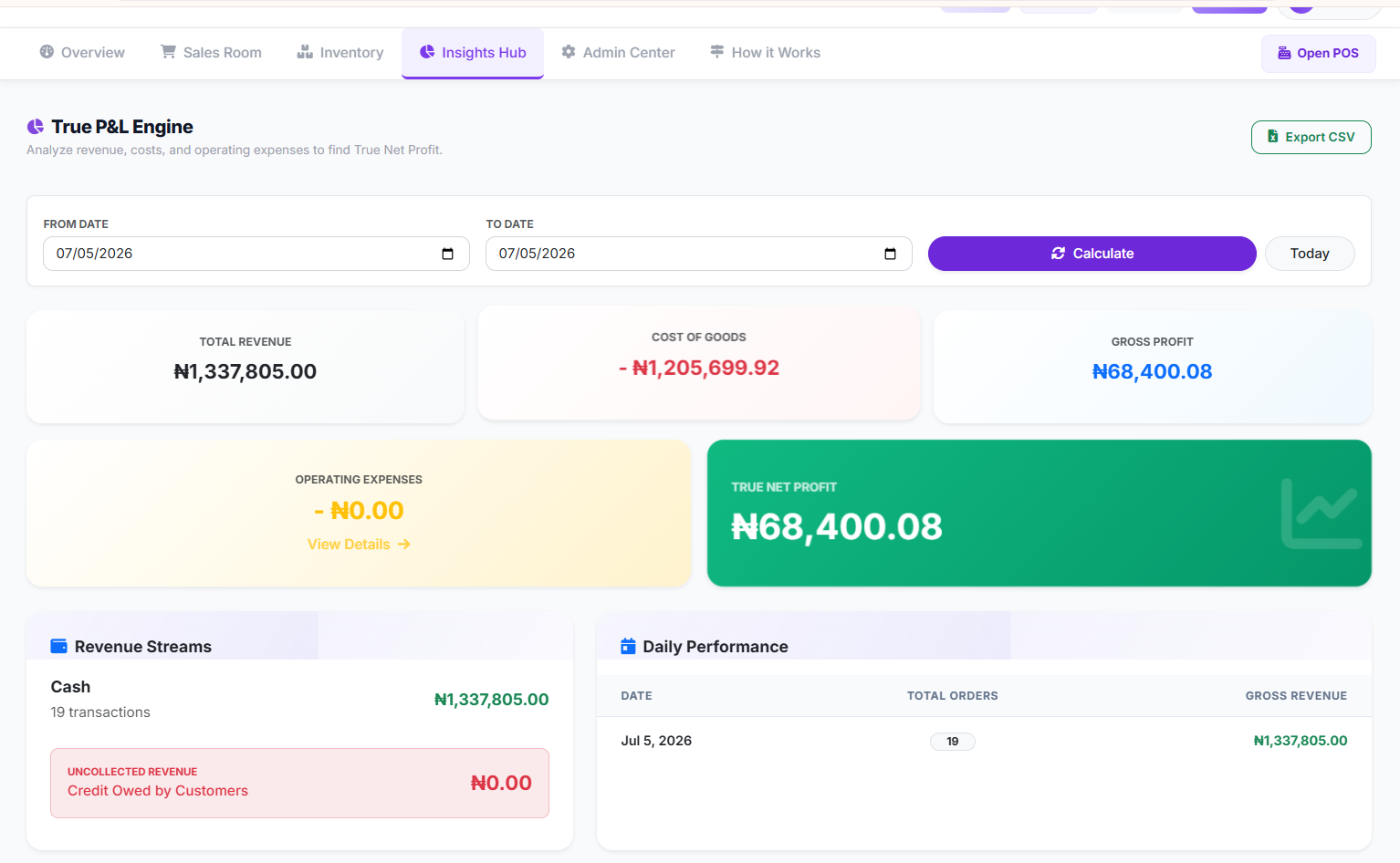 true profit and loss
What You Actually Need to Get Started
Forget the fairy tales of starting with zero capital. While you can begin very lean, a realistic budget is crucial. I've watched too many promising ventures crash because they ran out of cash before they even found their footing.
Non-Negotiables (Budget for these first)
- Business Registration (CAC): Even if you're starting small, register your business. A sole proprietorship can cost you around ₦15,000, while a limited company might set you back ₦50,000. It legitimizes your operations and opens doors to funding and partnerships.
- NAFDAC Product Registration: As I mentioned, if you're formulating your own products, this is a must. Budget ₦60,000 - ₦250,000 per product line. This isn't just about compliance; it's about consumer confidence.
- Initial Stock Purchase: This is where a significant chunk of your capital will go.
- Local Sourcing: For a small, home-based reseller, expect to spend ₦100,000 - ₦350,000 on raw materials or finished goods. If you're looking at a well-stocked small shop in, say, Ibadan, you might need up to ₦1,500,000.
- Imported Brands: If you're planning to import, even small quantities, your initial stock could be between ₦500,000 - ₦1,500,000. Imagine importing popular Korean skincare products; the numbers add up quickly.
- Packaging Materials: Don't skimp here. Good packaging protects your product and attracts customers. Custom branding for 100 units can cost ₦15,000 - ₦70,000, depending on whether you need simple labels or bespoke jars and boxes.
- Working Capital (3-6 months operating expenses): This is your lifeline. Think about covering salaries, utilities, and unexpected costs. I always tell my clients to have at least ₦300,000 - ₦1,000,000 set aside. Without it, one slow month can sink you.
Nice-to-Haves (Invest as you grow)
- Shop Rent (Annual): If you're planning a physical store, rent can be brutal. A small stall in a rural town might be ₦80,000 annually, but a prime Lagos Island boutique could easily demand ₦2,500,000. Start small, maybe even online, before committing to high rent.
- Shop Fittings/Shelving: Basic wooden shelves can cost ₦50,000, but custom-built display units for a modern cosmetics shop can go up to ₦700,000.
- Generator (Small, 2.5KVA): Power is a constant challenge. A reliable small generator (₦120,000 - ₦250,000) is almost an essential for consistent operations, especially if you have sensitive equipment or need to keep your shop lit.
- Staff Salary (Sales Assistant, per month): If you hire help, an entry-level sales assistant in a smaller town might earn ₦40,000, while an experienced one in a major city like Abuja could command ₦80,000.
- Marketing/Social Media Ads (Monthly): You need to get the word out. Basic boosted posts on Instagram might start at ₦20,000, but targeted campaigns with influencer engagement could easily hit ₦200,000.
- Website/E-commerce Setup: A basic template site with payment gateway integration can be ₦50,000 - ₦150,000. A custom-designed platform with advanced features? Up to ₦300,000.
The Complete Step-by-Step Breakdown: How to Start a Cosmetics Business in Nigeria
Starting a beauty business in Nigeria isn't just about passion; it's about methodical execution. Let's break it down into actionable steps.
Step 1: Market Research and Niche Identification
Before you buy a single ingredient or product, you need to understand who you're selling to and what they need. The Nigerian beauty market is vast, from natural hair care to elaborate makeup. What gap can you fill?
Go to Balogun Market, visit local beauty stores, scroll through Instagram pages of Nigerian beauty brands. What are people buying? What are they complaining about? Are there specific skin concerns (e.g., hyperpigmentation, acne for oily skin) that aren't being adequately addressed? Maybe you want to focus on affordable, high-quality makeup for students, or perhaps luxury organic skincare for working professionals in Ikoyi. Your niche defines your product, your pricing, and your marketing.
- Actionable Tip: Conduct small surveys (even on WhatsApp or Instagram stories) asking potential customers about their beauty routines, pain points, and spending habits. Visit popular markets like Alaba International or Onitsha Main Market to gauge product trends and pricing.
Step 2: Business Planning and Legalities
This is the foundation. Without a solid plan and proper registration, your business is a house built on sand. Your business plan doesn't have to be a 50-page document for investors, but it should clearly outline your vision, target market, products, marketing strategy, operational plan, and financial projections.
After planning, handle the legal side. Register your business with the Corporate Affairs Commission (CAC). This is straightforward and can be done online. Then, if you're manufacturing, get NAFDAC approval for each product. This process can be lengthy and requires strict adherence to guidelines, including product formulation, labeling, and facility inspection. Don't rush it; quality and safety are paramount.
- Actionable Tip: Engage a legal professional or a business consultant to guide you through CAC and NAFDAC registration. It might cost a little more upfront (say, ₦20,000 - ₦50,000), but it saves you from costly mistakes later.
Step 3: Product Sourcing or Formulation
This is the heart of your cosmetics business. Are you buying finished products to resell, or are you creating your own?
If reselling, identify reliable suppliers. For imported goods, look for reputable distributors or consider direct importation if you have the capital and logistics in place. For local products, explore wholesale markets or connect directly with local manufacturers in places like Aba or Kano. Always prioritize quality and consistency.
If formulating, this is where your creativity shines, but also where scientific rigor is needed. Research ingredients, understand their benefits and potential side effects, and develop stable, effective formulations. Start with small batches, test them thoroughly, and gather feedback before scaling up. Remember, NAFDAC will scrutinize your ingredients and processes.
- Actionable Tip: For those formulating, consider taking a short course on cosmetic chemistry or natural product formulation. This boosts your credibility and ensures your products are safe and effective.
Step 4: Branding and Packaging
Your brand is more than just a logo; it's the entire experience your customer has with your product. What story do you want to tell? Is it about natural ingredients, luxury, affordability, or solving a specific problem? Your brand identity should resonate with your target audience.
Packaging is equally vital, especially in cosmetics. It's the first physical interaction a customer has with your product. It needs to be attractive, functional, and clearly communicate what your product is and what it does. Think about durability for shipping, ease of use, and eco-friendliness.
- Actionable Tip: Invest in professional graphic design for your logo and packaging. A good designer can create a cohesive brand identity that stands out on crowded shelves. This could be ₦25,000 for a basic logo package up to ₦150,000 for full branding guidelines.
Step 5: Setting Up Your Sales Channels
Where will you sell your products? This could be online, through a physical store, or a combination of both.
- Online: An e-commerce website is a powerful tool. You can also leverage social media platforms like Instagram and Facebook for direct sales. Marketplaces like Jumia or Konga can give you wider reach.
- Physical Store: If you opt for a brick-and-mortar shop, choose a location with good foot traffic, aligned with your target demographic. A small boutique in Surulere for trendy makeup might perform better than one tucked away in a residential estate.
- Hybrid Model: Many successful businesses start online and then open a physical store once they have a loyal customer base and sufficient capital.
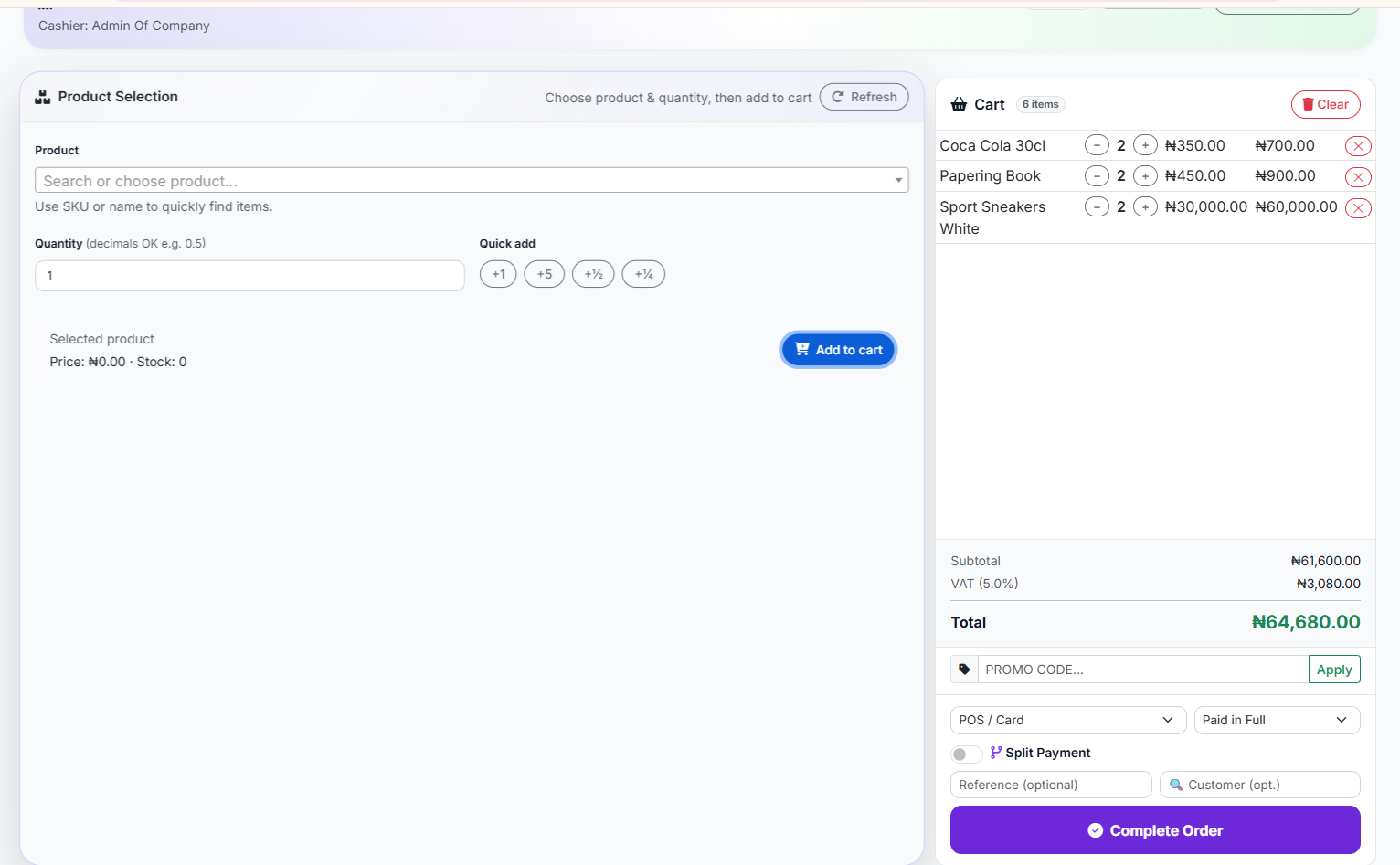 manage sales quickly
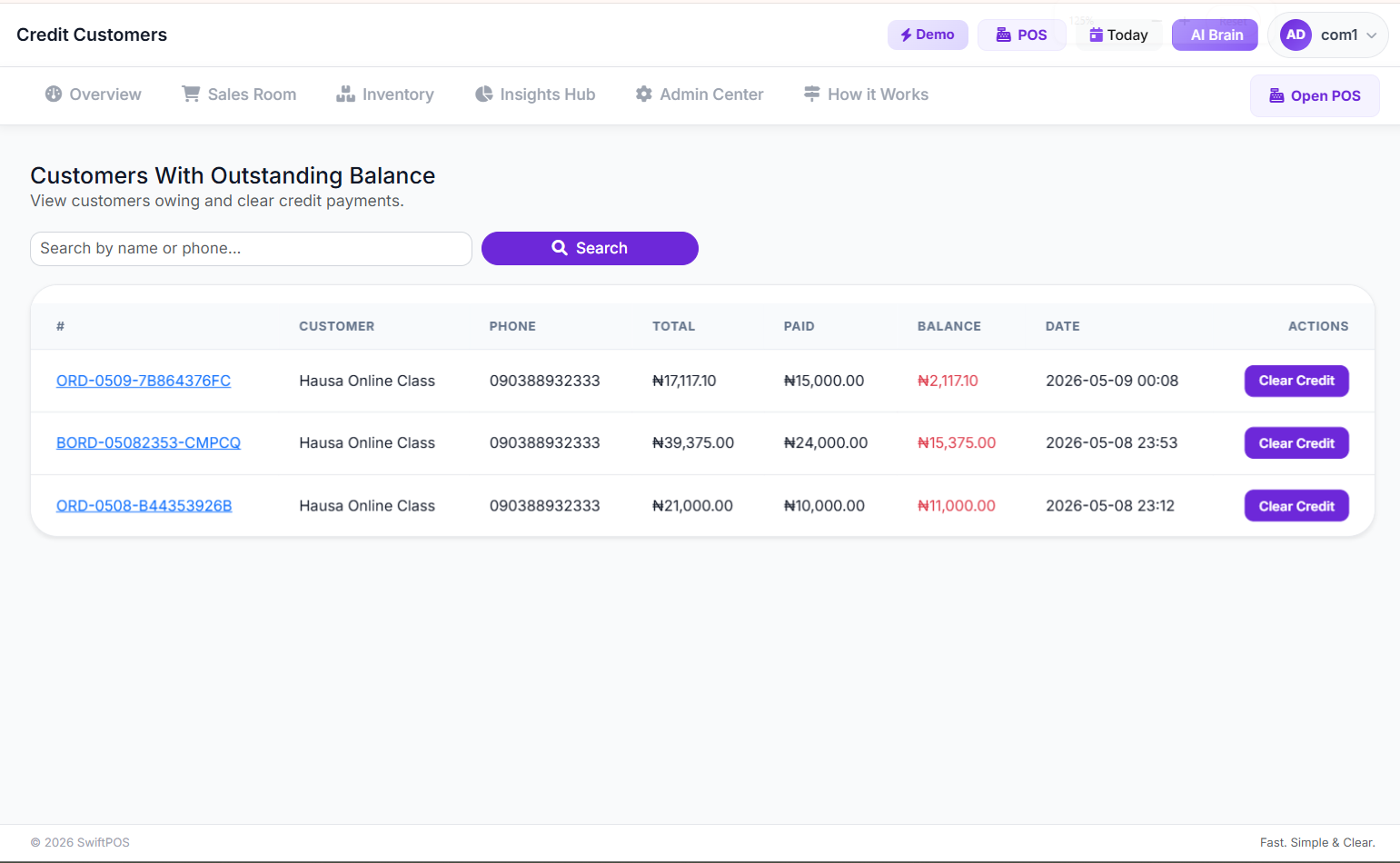 manage customer debts
- Actionable Tip: Start with one or two channels you can manage effectively. Don't try to be everywhere at once. If you're selling online, ensure your payment gateway is reliable and your delivery logistics are sorted.
Step 6: Marketing and Sales Strategy
How will people find out about your amazing products? This is where your marketing budget comes in.
Social media marketing is king in Nigeria's beauty industry. High-quality product photography, engaging video content (tutorials, reviews), and collaborations with beauty influencers can generate significant buzz. Consider running targeted ads on Instagram and Facebook. Word-of-mouth is also incredibly powerful, so encourage customer reviews and testimonials.
For physical stores, local advertising, opening promotions, and excellent in-store customer service are key. Offer samples, host beauty workshops, or partner with local salons.
- Actionable Tip: Create a content calendar for your social media. Post consistently. Engage with your audience. Run a monthly giveaway to build brand awareness and capture leads.
Step 7: Operations and Management
This is the day-to-day running of your business. It includes managing inventory, handling customer service, processing orders, and tracking your finances. This is the least glamorous part, but arguably the most important for long-term success.
You need a clear system for managing your stock. When do you reorder? How do you track expiry dates, especially for cosmetics? What's your process for receiving new inventory and updating quantities? Without proper inventory management, you risk stockouts of popular items or holding onto expired products, both of which cost you money.
This is where a solution like SwiftPOS becomes a game-changer. It's a complete business management and POS system designed for Nigerian retailers. It helps you sell products, collect payments, control stock, manage customers and staff, track expenses and profit, and even manage multiple branches from one system. You can easily
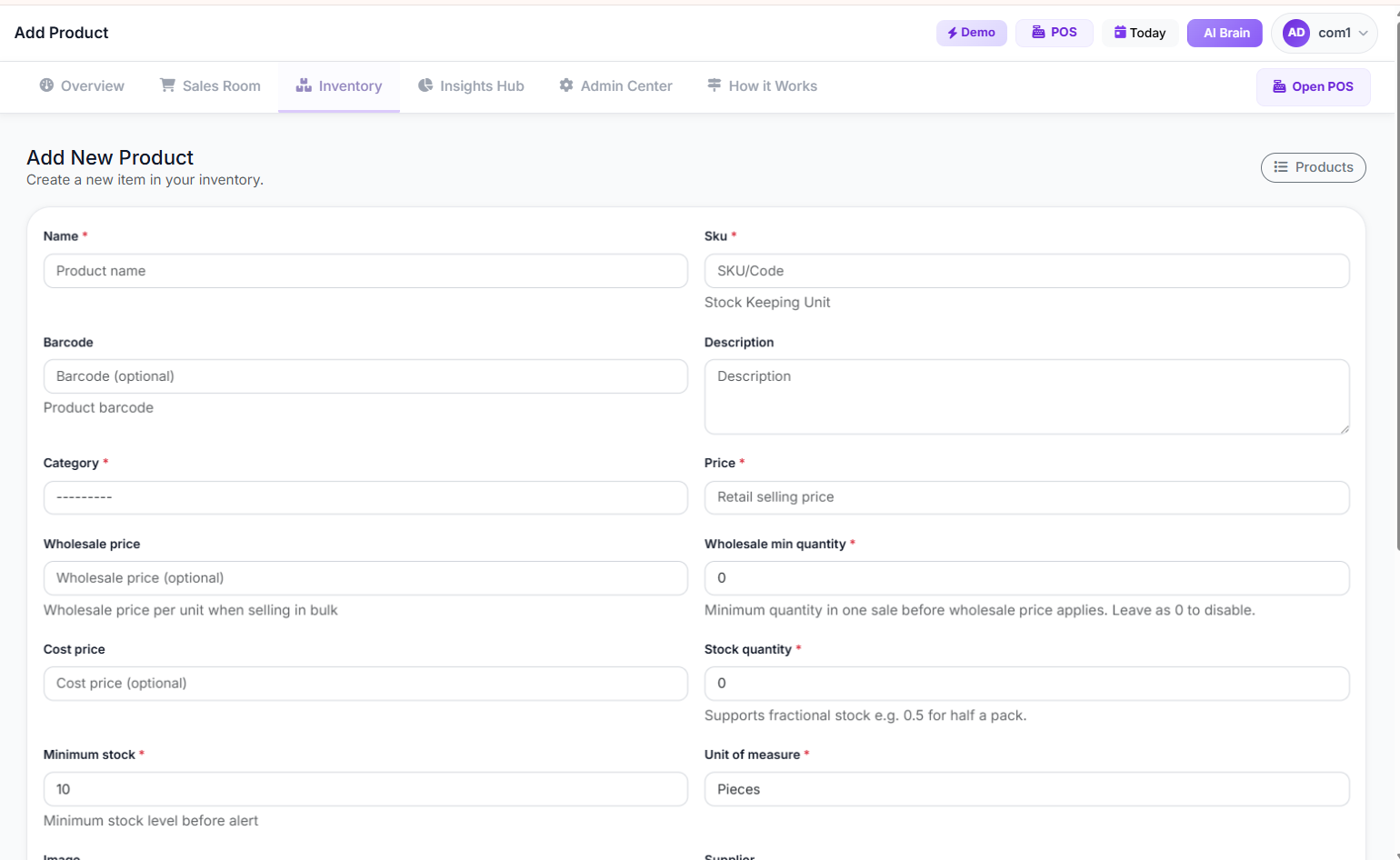 add and edit products
- Actionable Tip: Implement a clear inventory management system from day one. Whether it's a simple spreadsheet initially or a dedicated POS system, know what you have, where it is, and when it expires. Read up on inventory management mistakes crushing profits.
Step 8: Customer Service and Retention
In the beauty business, repeat customers are your goldmine. Excellent customer service builds loyalty. Respond promptly to inquiries, resolve complaints gracefully, and go the extra mile to make customers feel valued.
Consider loyalty programs, exclusive discounts for returning customers, or personalized recommendations based on their purchase history. A happy customer is your best marketer.
- Actionable Tip: Send personalized thank-you notes with orders. Offer a small free sample with purchases over a certain amount. Collect customer feedback and actively use it to improve your products and services.
5 Mistakes That Cost Nigerian Business Owners the Most
I've seen these errors repeat themselves across various sectors, and cosmetics is no exception. Avoid them at all costs.
- Ignoring NAFDAC and CAC: This isn't just about fines; it's about trust. A business operating illegally can't build a sustainable brand. One customer report, and your entire investment could be gone. It's a risk not worth taking, especially when you consider the health implications of unregistered cosmetics.
- Underpricing or Overpricing: Many new entrepreneurs either price too low, thinking it will attract customers (and then struggle to cover costs), or too high, alienating their target market. You need to understand your true cost of goods, overheads, and market perception. Pricing strategy is an art and a science; get it wrong, and your profits suffer. This is why accurately calculating gross and net profit is so critical.
- Poor Inventory Management: This is a silent killer. Overstocking leads to expired products and tied-up capital. Understocking means lost sales and frustrated customers. Not tracking expiry dates in cosmetics is particularly dangerous. I once advised a small beauty shop in Festac Town that lost nearly ₦200,000 worth of products because they didn't rotate stock and many items expired unnoticed.
- Neglecting Customer Feedback: Your customers are telling you what they want, what they like, and what they don't. Listen to them! Ignoring feedback leads to products that don't sell, services that disappoint, and ultimately, a dwindling customer base.
- No Digital Presence: In 2026, if your business isn't online, it barely exists. Even a simple Instagram page is better than nothing. The world has moved digital, and your customers are searching for products and reviews online. Not having a presence means missing out on a massive market.
How to Know If You're on Track (Success Metrics)
So, how do you measure if all your hard work is actually paying off? Focusing on the right metrics helps you make informed decisions and pivot when necessary.
- Sales Revenue Growth: Are your sales increasing month-over-month or quarter-over-quarter? This is the most basic indicator of demand for your products. Keep an eye on your .
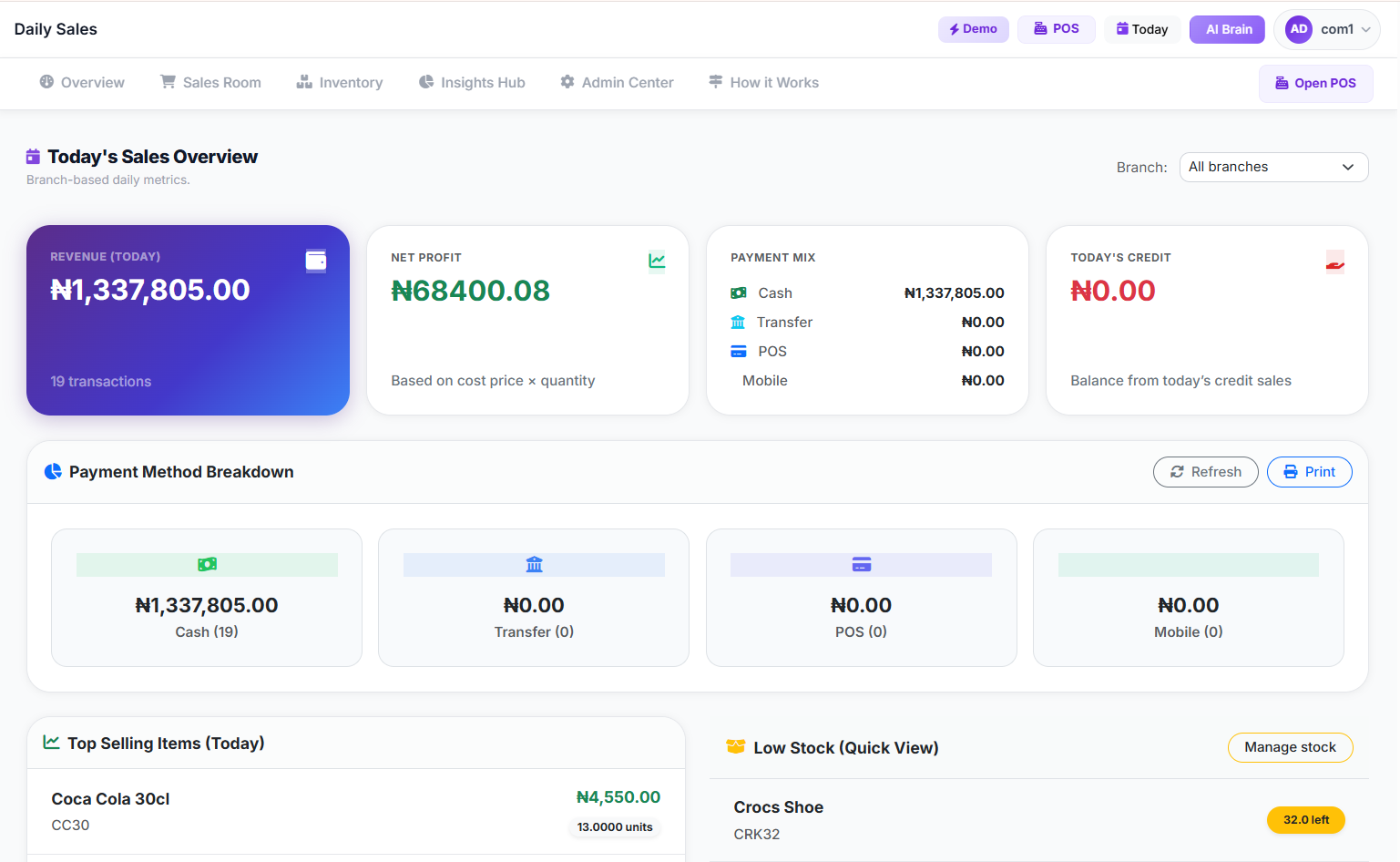 daily sales performance
 - Customer Acquisition Cost (CAC) vs. Customer Lifetime Value (CLV): How much does it cost you to get a new customer, and how much revenue does that customer generate over their time with your business? Ideally, your CLV should be significantly higher than your CAC.
- Inventory Turnover Rate: How quickly are you selling your stock? A high turnover rate means efficient sales and less capital tied up in inventory. For cosmetics, this is crucial due to expiry dates.
- Gross Profit Margin: This tells you how much profit you make from each sale after deducting the direct costs of the products. If your margins are too low, you might need to re-evaluate your pricing or sourcing. A good POS system can help you after all expenses.understand your true net profit
- Customer Retention Rate: How many customers return to buy again? A high retention rate indicates customer satisfaction and brand loyalty, which is far more cost-effective than constantly acquiring new customers.
- Website Traffic & Engagement (if online): Are people visiting your online store or social media pages? Are they engaging with your content? This indicates brand visibility and interest.
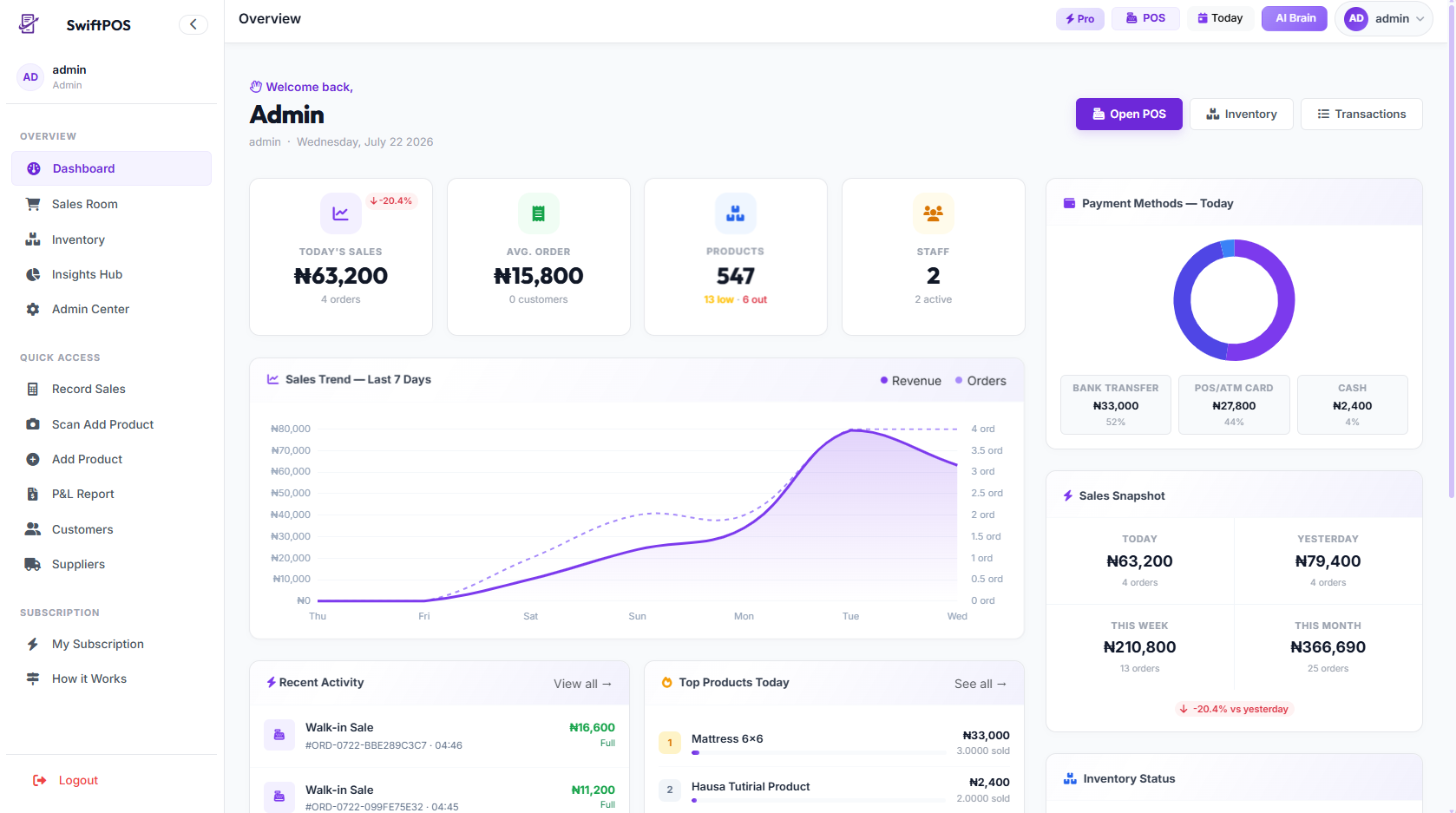 dashboard overview
 A sleek modern pos system displaying sales data
Real Questions People Ask
Q1: How much capital do I really need to start a cosmetics business in Nigeria?
The capital needed varies widely depending on your scale and whether you're producing or reselling. For a very lean, home-based reseller focusing on locally sourced products, you might start with ₦150,000 - ₦300,000 for initial stock and registration. However, if you're looking to open a small physical shop with NAFDAC-approved homemade products and some marketing, budget anywhere from ₦700,000 to ₦2,000,000. This covers registration, initial stock, packaging, basic shop fittings, and some working capital.
Q2: Is the cosmetics business profitable in Nigeria?
Yes, it can be highly profitable! The Nigerian beauty market is one of the fastest-growing globally. Profitability depends on several factors: your niche, product quality, pricing strategy, marketing effectiveness, and operational efficiency. Many small businesses achieve gross profit margins of 30-60%, but your net profit will depend on controlling your overheads and expenses.
Q3: Do I need NAFDAC approval for every single product?
If you are manufacturing or repackaging cosmetics in Nigeria, yes, NAFDAC approval is mandatory for each product line. If you are simply reselling imported products that are already NAFDAC registered by the primary importer/distributor, you might not need to register each individual SKU yourself, but you must ensure your supplier has the necessary certifications. Always verify this.
Q4: How do I compete with bigger brands in Nigeria?
Focus on your unique selling proposition (USP). This could be:
- Niche Focus: Target a specific segment (e.g., organic skincare for sensitive skin, makeup for deeper skin tones).
- Personalized Service: Offer exceptional customer service, consultations, or loyalty programs.
- Storytelling: Share the story behind your brand, your ingredients, and your values. Nigerians connect with authenticity.
- Community Building: Create a community around your brand on social media.
- Pricing: Find a sweet spot that offers value without compromising quality.
Small businesses often thrive by being agile and building stronger customer relationships than large corporations can.
Q5: What are the biggest risks in this business?
Beyond financial mismanagement, key risks include:
- Regulatory Non-Compliance: Operating without proper registration can lead to penalties or shutdowns.
- Product Quality Issues: Bad batches or ineffective products can quickly ruin your reputation.
- Inventory Loss: Theft, damage, or expiry can eat into your profits. This is why robust retail inventory management is so important.
- Intense Competition: The market is crowded, requiring constant innovation and effective marketing.
- Economic Volatility: Fluctuations in exchange rates affect the cost of imported raw materials or finished goods.
Your Next Move
Starting a cosmetics business in Nigeria in 2026 is an exciting venture, full of potential. It demands diligence, strategic planning, and the right tools. Don't just dream about it; plan it, execute it, and manage it smartly.
If you're ready to take control of your sales, stock, and overall business operations, consider exploring a powerful solution designed for Nigerian retailers. Learn more about SwiftPOS NG and how it can help you grow your cosmetics business.

How Much Does It Cost to Start a Clothing Business in …
Oct 17, 2026
How Much Does It Cost to Open a Cosmetics Shop in Nige…
Oct 17, 2026
Restaurant Startup Cost in Nigeria: Your Complete Guide
Oct 16, 2026