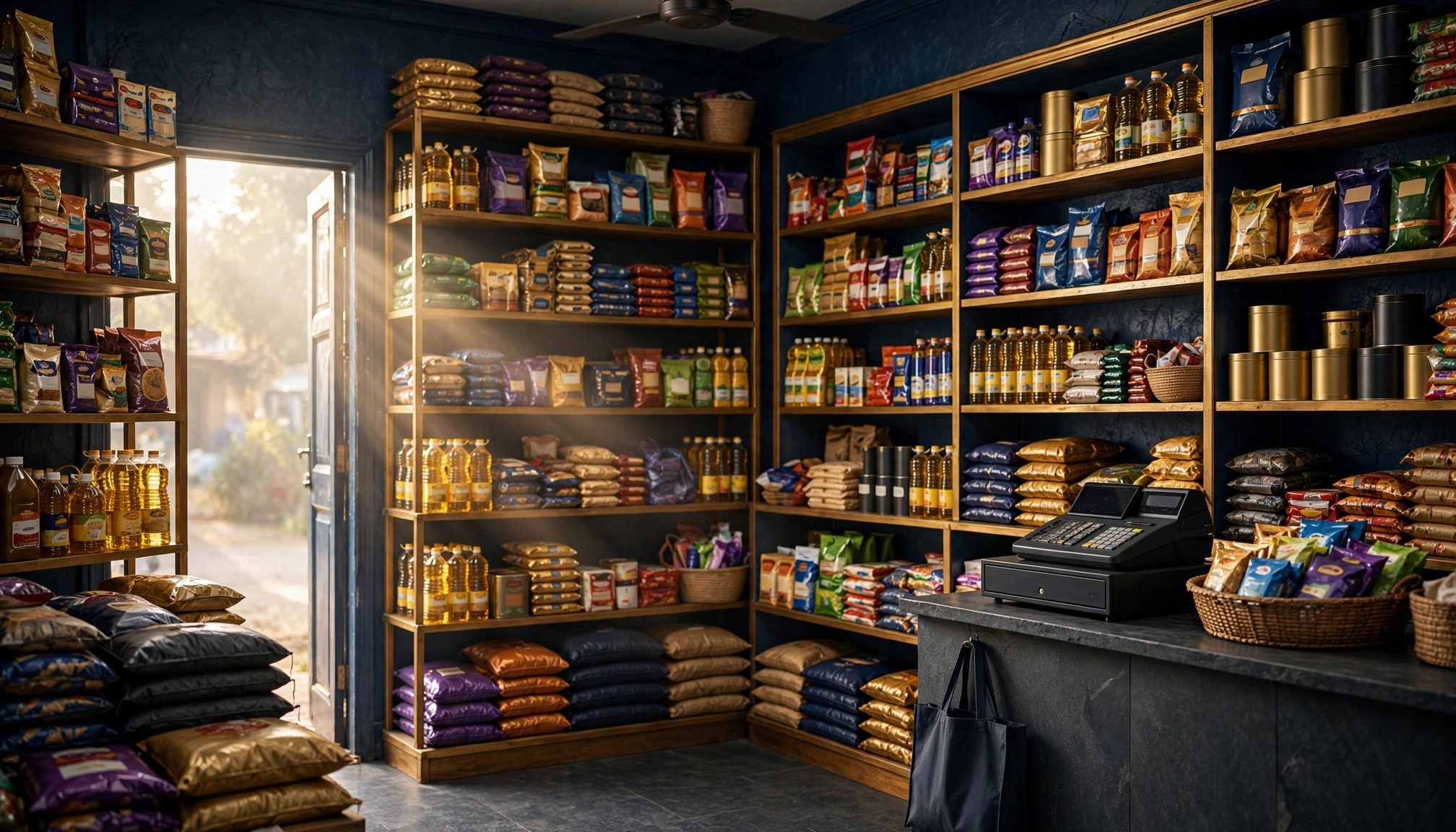
Is Supermarket Business Profitable in Nigeria? The Real Cost-to-Profit Breakdown for a Mini Supermarket (2026)
SwiftPOS Team
Published August 04, 2026
Every week, someone in Lagos, Abuja, or Port Harcourt asks the same question before they commit their savings: is supermarket business profitable in Nigeria? It's a fair question. Rent is climbing, diesel is expensive, and FX volatility keeps changing what a "small" stock budget actually buys. But the honest answer is yes — supermarkets remain one of the most resilient businesses in Nigeria, because people never stop needing rice, detergent, and toiletries, regardless of the economy. The real question isn't whether the business is profitable. It's whether your supermarket will be — and that depends almost entirely on how much you spend to open it, what margin you actually keep, and how tightly you control stock and cash once the doors are open. This guide breaks down real 2026 numbers so you can plan with your eyes open. By the end, you'll know exactly what to budget, what margin to expect, and how to protect that margin once trading starts. If you want to see how shop owners are already doing this, you can start your free SwiftPOS trial →.
Is Supermarket Business Profitable in Nigeria? What the Data Actually Shows
Nigeria's fast-moving consumer goods (FMCG) sector has been getting more profitable, not less. An analysis of ten listed Nigerian consumer goods companies found their combined profit margin rose to 17.32% in early 2026, up from 13.15% the year before, even though revenue barely moved — the gains came from pricing discipline and cost control, not just higher sales volume. That's the manufacturer and distributor side of the chain. At retail level, where a mini supermarket sits, global grocery industry benchmarks put gross margin around 21–22% and net margin in the 3–4% range once rent, staff, and overheads are subtracted.
In plain terms: a supermarket that buys a carton of goods for ₦50,000 and sells it out for ₦61,000–₦62,000 is performing roughly in line with the industry. That 20% gross margin sounds thin, but FMCG businesses make it work through volume and turnover — selling the same stock repeatedly, fast, rather than sitting on it. This is exactly why inventory speed (how quickly stock moves off your shelf) matters more in a supermarket than in almost any other retail business.
Supermarkets are also considered relatively recession-resistant in Nigeria because they sell daily essentials — food and household goods people cannot postpone buying, even when the economy tightens. That's part of why so many first-time entrepreneurs are drawn to the business. The catch is that "resilient" doesn't mean "automatically profitable." Two supermarkets on the same street, selling the same products at similar prices, can post very different year-end numbers — and the difference is almost always in how tightly the owner tracks stock, pricing, and cash.
How Much Money Do You Actually Need to Open a Mini Supermarket in Nigeria?
Before you can talk profit, you need a realistic capital number. Based on current 2026 setup costs across Lagos, Abuja, and mid-tier cities, here's a category-by-category breakdown for a mini mart / convenience store format (roughly 200–500 sqft):
- Rent & renovation: ₦800,000 – ₦2,500,000/year depending on location. A busy estate corner in Lagos or Abuja sits at the higher end.
- Shelving, freezers & fittings: ₦400,000 – ₦1,200,000 for basic shelving, a chest freezer, and a counter.
- Opening stock: ₦1,500,000 – ₦4,000,000. This is usually the single biggest line item — and the one most first-timers underestimate.
- Power backup: ₦250,000 – ₦800,000 for a generator or inverter setup, since unreliable electricity is a real operating cost, not an afterthought.
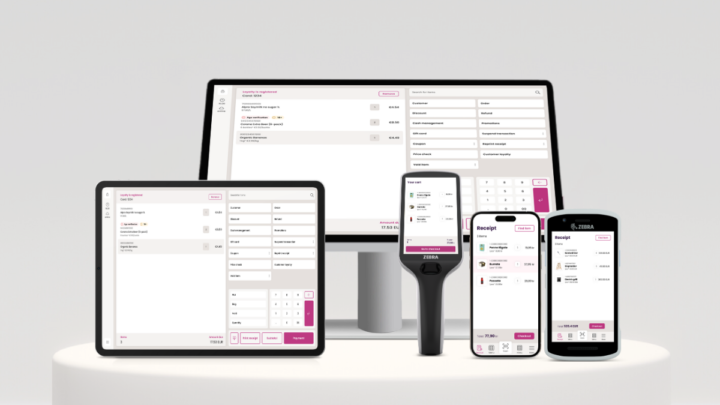
- POS, barcode scanner & sales system: ₦150,000 – ₦400,000 for hardware, plus a monthly software subscription (SwiftPOS plans start from ₦3,000/month).
- CAC registration & permits: ₦20,000 – ₦80,000 depending on your state and local government.
- Staff wages: ₦40,000 – ₦150,000 per staff member per month, higher in Lagos and Abuja.
- Working capital buffer: Most experienced operators recommend keeping 15–25% of your total setup budget aside, untouched, to cover the first 3 months before cash flow stabilises.
Add it up and a realistic, honest range for opening a proper mini supermarket in Nigeria in 2026 is ₦3 million to ₦11 million, depending on location, size, and finish quality. You can go leaner — some neighbourhood provision stores upgrade into a mini mart for as little as ₦2 million — but you'll be trading some shelf capacity and stock variety to do it. We covered the full line-by-line breakdown, including how to phase your spending, in our detailed guide on how much money you need to open a mini supermarket in Nigeria.
Where the Profit Actually Comes From
Here's a scenario to make the margin real. Imagine you run a mini mart in Ibadan and you buy a case of cooking oil at ₦18,000 wholesale. You retail individual bottles for a combined ₦22,500. That's a gross margin of roughly 20% — right in line with the industry average. Now multiply that across 300–800 product lines moving daily, and you start to see why turnover speed matters more than the margin on any single item.
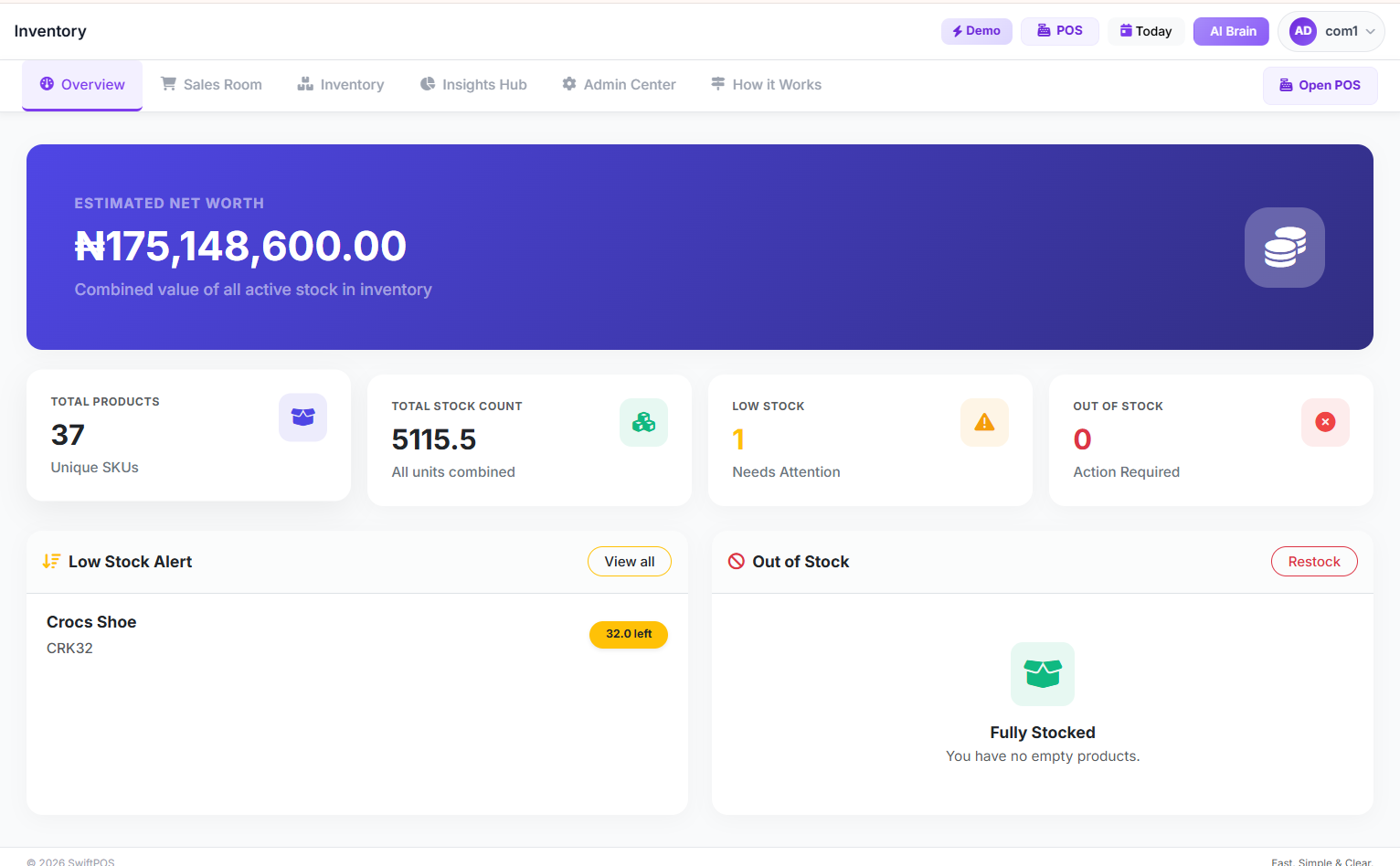
The products that quietly protect your profit are the fast-moving, high-frequency items — rice, seasoning, soft drinks, sachet water, toiletries. The products that quietly kill it are the slow-moving ones sitting on your shelf for months, tying up capital while losing value to expiry, dust damage, or falling demand. This is why serious operators track sales-by-item reports weekly, not just total daily takings. A shop that only checks "how much did we make today" without checking "what actually sold" is flying blind on the one number that determines long-term profitability: inventory turnover.
Why Some Mini Supermarkets in Nigeria Never Become Profitable
The business model works. The failure usually isn't the market — it's operations. The most common profit-killers we see among Nigerian retail owners are:
- Manual stock records. When stock counts live in a notebook, shrinkage (theft, spoilage, miscounts) becomes almost impossible to catch until it's already cost you money.
- Uncontrolled customer credit. Giving "small small" credit to regulars feels like good customer service, until unrecorded debts quietly eat into your working capital.
- Guessing at reorder points. Restocking by memory means either running out of your best-sellers (lost sales) or over-ordering slow movers (dead stock).
- No visibility into staff sales activity. With multiple attendants on shift, it's genuinely hard to know who sold what, and where discrepancies are coming from, without a system tracking it.
- Pricing without knowing true cost. Some owners price by instinct rather than calculating landed cost plus target margin, which slowly erodes profit without them noticing until year-end.
None of these are fixed by working harder. They're fixed by better visibility — which is exactly what a proper POS and inventory system gives you.
How SwiftPOS Makes Your Supermarket Profitable From Day One
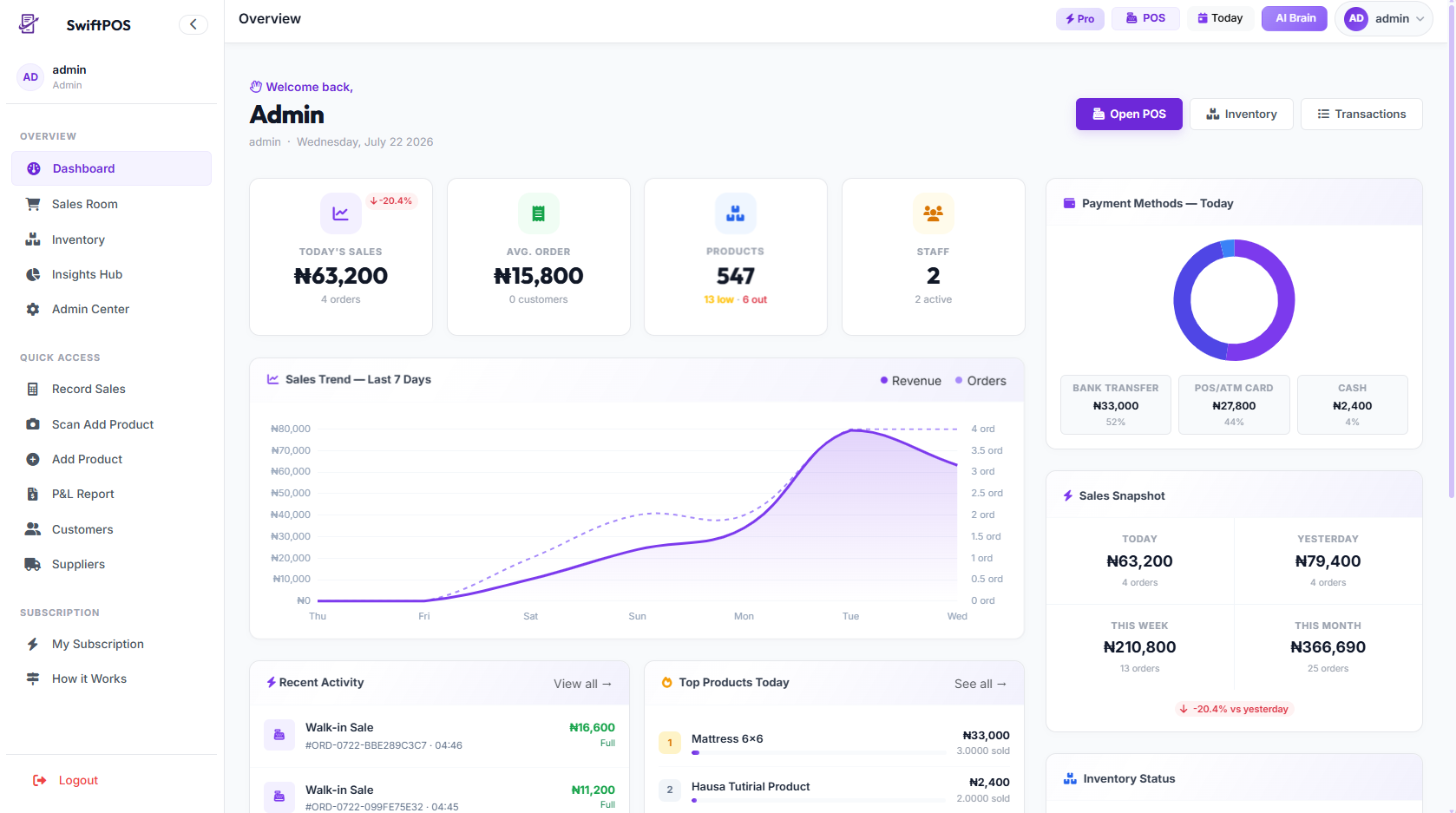
SwiftPOS is a cloud-based POS and retail management system built for businesses like yours — supermarkets, mini marts, pharmacies, and provision stores across Nigeria. Instead of guessing your numbers at the end of the month, you see them in real time. Here's how the platform maps directly to the profit-killers above, and you can see the full feature list on the SwiftPOS features page:
- Real-time inventory tracking with low-stock alerts, so you reorder fast movers before they run out and stop over-ordering slow ones.
- Customer credit system that records every naira owed, by customer, so credit sales stop disappearing into memory.
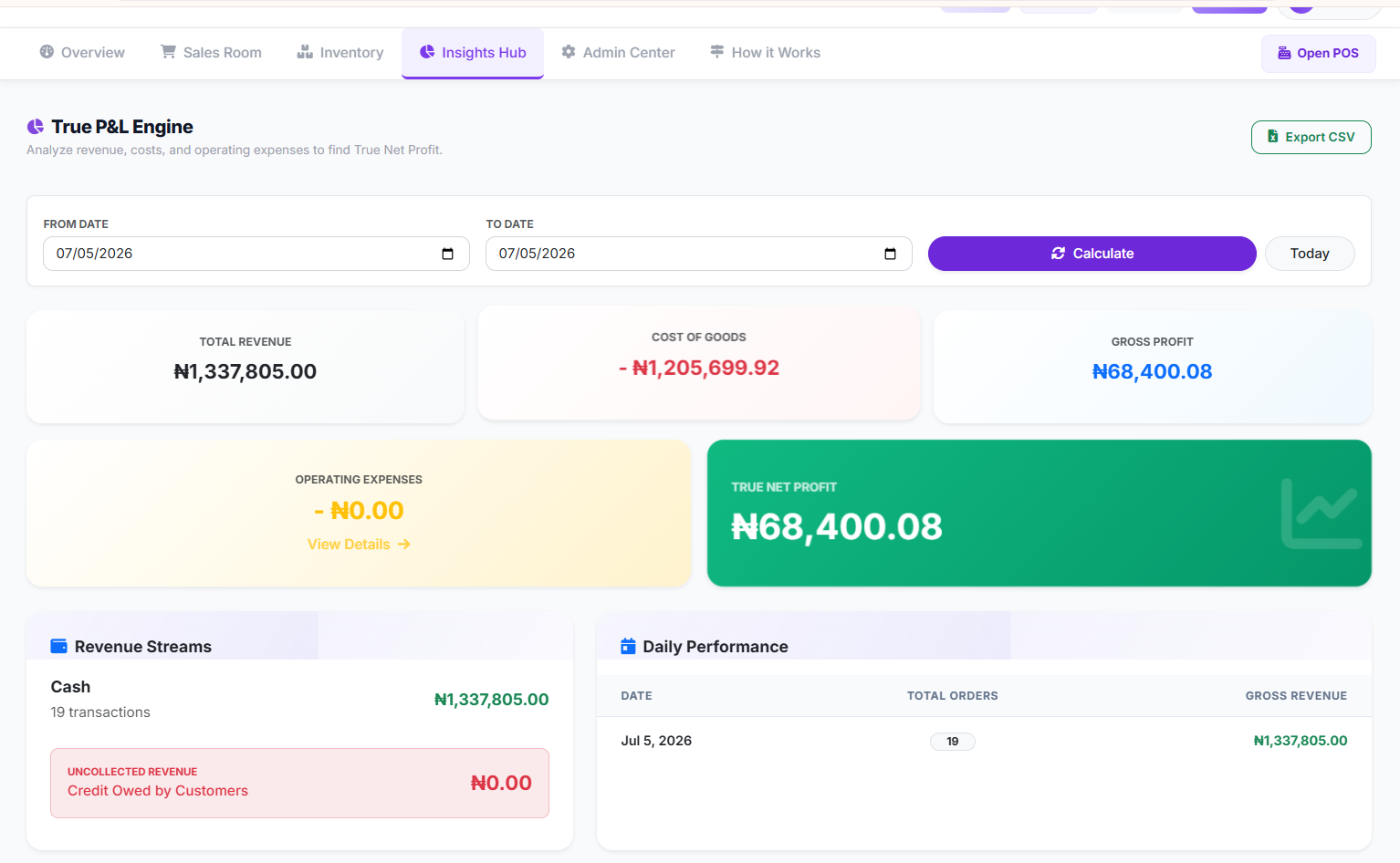
- True Profit & Loss reports that show your real margin after cost of goods, not just gross daily sales.
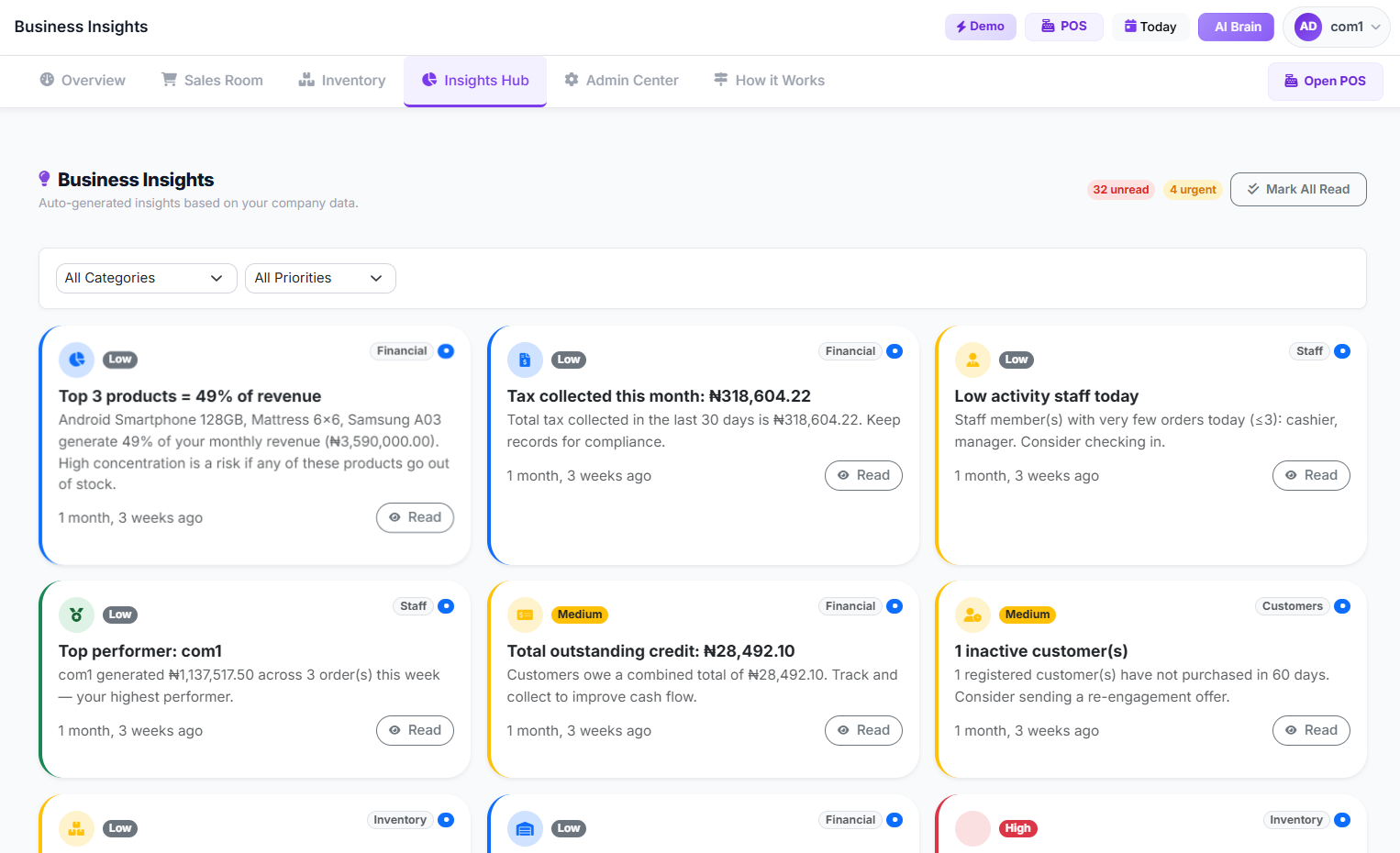
- Staff performance tracking and audit logs, so you can see exactly who processed which sale, and spot suspicious activity early.
- Barcode POS support for faster, more accurate checkout with fewer pricing errors at the till.
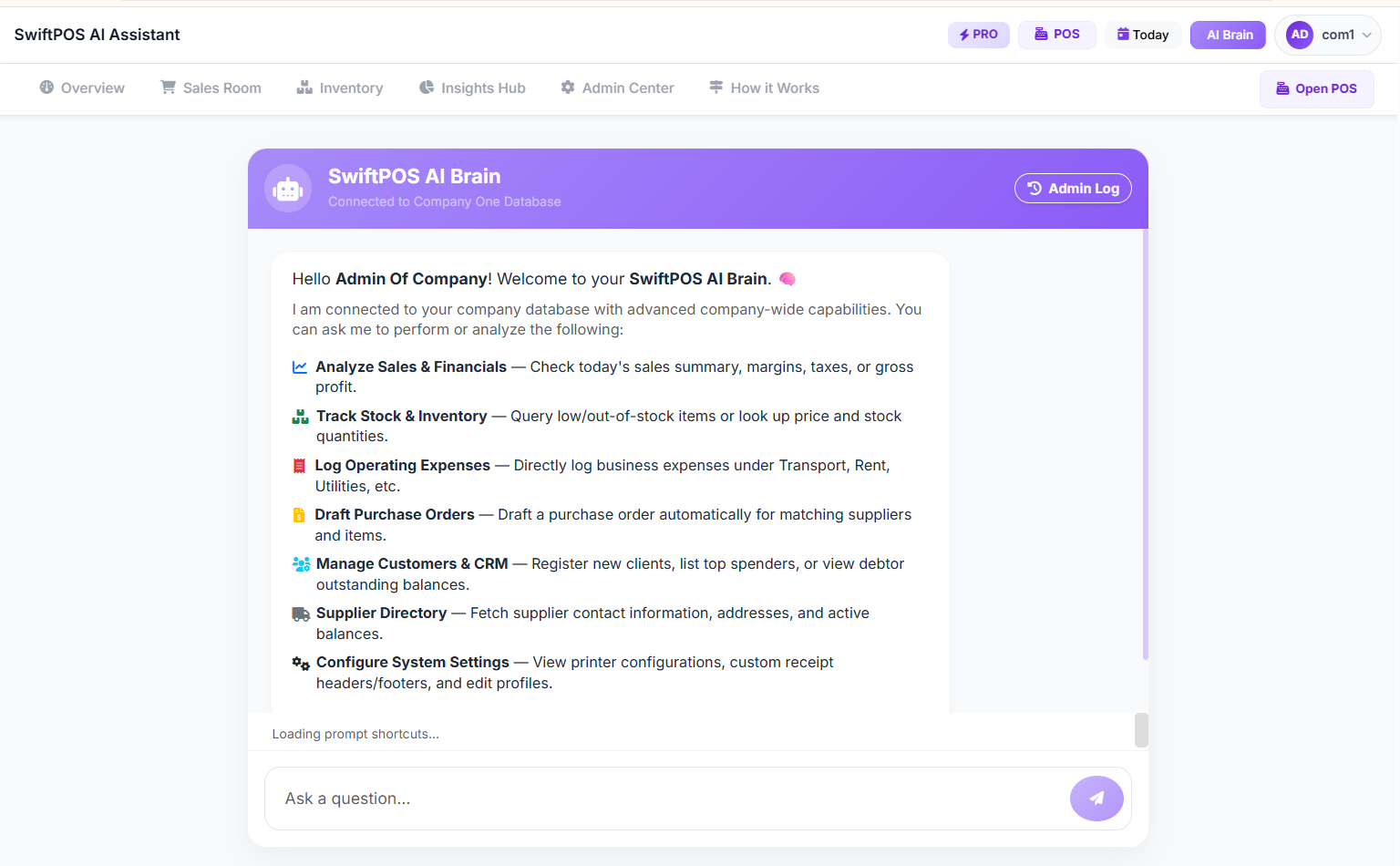
You can also ask the built-in SwiftPOS AI Assistant to pull your revenue, check today's report, or add a customer, directly by chatting with it — no digging through menus required.
Plans start at just ₦3,000/month on the Starter tier, which is realistic for a small mini mart, up to the Pro plan at ₦12,000/month for multi-branch supermarkets that need unlimited orders and advanced audit protection. Every plan comes with 1 month free when you subscribe annually. Try SwiftPOS free for 14 days →
Pro Tips for Nigerian Supermarket Owners in 2026
- Price by landed cost, not gut feeling. Factor in transport, wastage, and a target margin before you set a shelf price — not after.
- Review your sales-by-item report weekly. Your top 20% of products likely generate the majority of your profit. Know which ones they are, and never let them go out of stock.
- Do a real stock take monthly, not "when you remember." Shrinkage caught early is a manageable cost. Shrinkage caught at year-end is a loss you can't recover.
Frequently Asked Questions
Is supermarket business profitable in Nigeria in 2026?
Yes. Supermarkets sell daily essentials that people buy regardless of the economy, and Nigeria's FMCG sector has seen profit margins expand in recent years. Profitability at the individual shop level, however, depends heavily on how well you control stock, pricing, and credit.
What is a good retail profit margin in Nigeria?
Most mini supermarkets and grocery retailers work with a gross margin around 18–22%, in line with global grocery industry benchmarks. Net margin, after rent, staff, and overheads, is typically much lower — often 3–5% — which is why controlling costs matters as much as controlling pricing.
How much money do I need to open a mini supermarket in Nigeria?
A realistic 2026 budget is between ₦3 million and ₦11 million, depending on location, store size, and finish quality. A lean mini mart in a mid-tier city can launch on the lower end of that range.
Does SwiftPOS help with supermarket profitability?
Yes. SwiftPOS gives you real-time inventory tracking, true profit-and-loss reporting, customer credit management, and staff activity logs, so you can see exactly where your money is going and catch problems before they eat into your margin.
Is SwiftPOS affordable for small shops in Nigeria?
Yes. Plans start at ₦3,000/month for the Starter tier, which covers inventory management, a customer credit system, and basic sales reports, scaling up to the Pro plan for multi-branch supermarkets.
The Bottom Line
Supermarket business in Nigeria is profitable — the data backs it up, and the daily-essentials nature of the products makes it one of the more stable retail categories to build. But margin is thin by design in this industry, which means the businesses that win are the ones that track every naira, not the ones that simply sell the most. Budget realistically, price by true cost, and put a proper POS system behind your counter from day one. For a deeper look at the numbers behind this, read our related guide on is supermarket business profitable in Nigeria: the data-backed answer.
Ready to manage your shop more efficiently?
SwiftPOS helps businesses track sales, inventory, staff activities, and customer credit in one system.
Check the pricing plans at swiftpos.ng/pricing or message SwiftPOS on WhatsApp at +2349164601810 to get started. Remember: you get 1 month free when you subscribe annually on any plan.

Why Your Business Makes Sales But Has No Cash (Profita…
Sep 17, 2026
How to Calculate Your Retail Shop's True Profit (A Ste…
Sep 16, 2026
How to Calculate Supermarket Profitability in Nigeria:…
Sep 15, 2026