How to Start a Profitable Provision Store in Nigeria: A Step-by-Step Guide
SwiftPOS Team
Published September 05, 2026
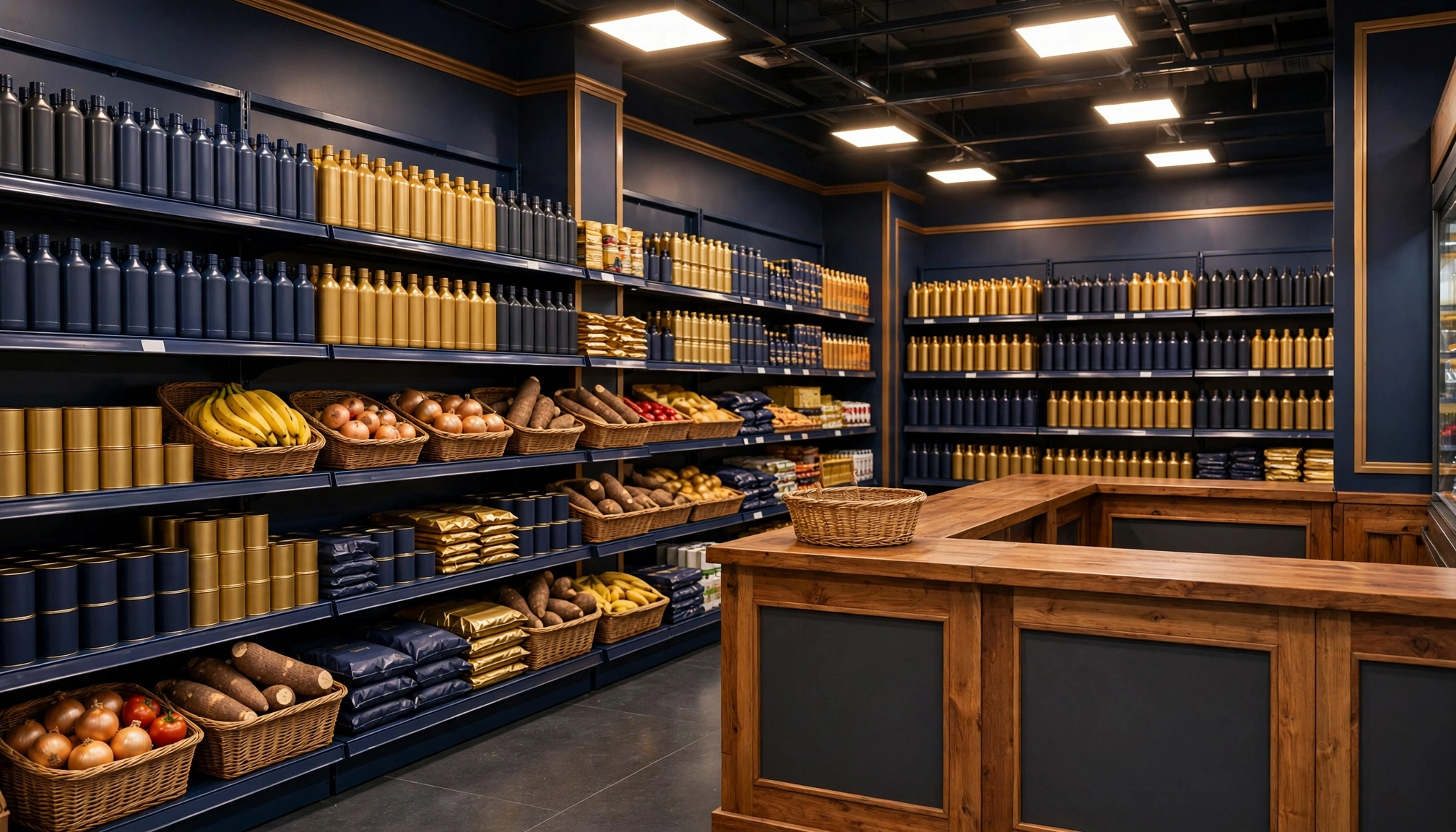
The dream of owning a thriving provision store in Nigeria is achievable, yet many aspiring entrepreneurs get stuck before they even begin. With economic shifts and increasing competition, simply stocking shelves isn't enough to guarantee success in 2026. This comprehensive guide will walk you through every critical step, from initial capital to daily operations, ensuring your provision store business doesn't just survive, but thrives.
A busy nigerian market stall with various provisionsThe Evolving Landscape for Provision Stores in Nigeria
The provision store business remains a cornerstone of Nigerian commerce, serving daily needs from household items to groceries. However, the market in 2026 is far more dynamic than it was a decade ago. Customers are savvier, demanding better prices, variety, and convenience. Power supply remains a significant operational challenge, making generators a non-negotiable investment for most businesses. Furthermore, rising inflation impacts both the cost of goods and consumer purchasing power, necessitating smart inventory management and pricing strategies.
According to recent market analyses, the retail sector in Nigeria is projected to continue its steady growth, driven by a young population and increasing urbanization. However, profitability hinges on efficiency. Manual record-keeping, common in many small businesses, leads to significant losses through stock discrepancies, untracked expenses, and missed sales opportunities. Understanding these underlying currents is crucial before you even consider opening your doors. For a deeper dive into the profitability of similar ventures, explore our guide on Is Supermarket Business Profitable in Nigeria? The Real Cost-to-Profit Breakdown for a Mini Supermarket (2026).
What You Need Before You Start
Starting any retail business, especially a provision store, requires careful planning and a clear understanding of the foundational elements. Here’s a quick checklist of prerequisites:
- Capital: A realistic budget covering rent, initial stock, fittings, and operational expenses.
- Business Plan: A written roadmap detailing your market, products, operations, and financial projections.
- Location Strategy: Research into high-traffic areas with suitable demographics and minimal direct competition.
- Supplier Network: Identifying reliable wholesalers and distributors for your products.
- Basic Business Knowledge: Understanding of sales, inventory, and customer service.
- Legal Registration: Completing necessary government registrations.
Step-by-Step: How to Start a Profitable Provision Store in Nigeria
Launching a successful provision store business is a journey best tackled in structured steps. Following this guide will help you navigate the complexities and build a solid foundation.
Step 1: Develop Your Business Plan and Secure Funding
Every successful business begins with a robust plan. For your provision store, this means outlining your vision, mission, target market, product offerings, marketing strategies, operational procedures, and financial projections. Detail your startup costs, projected revenue, and break-even point. This plan will not only guide you but also be essential if you seek external funding.
For capital, you'll need to consider:
- Shop Rent (Annual): Expect to pay between ₦80,000 (rural/small town) and ₦2,500,000 (prime Lagos Island location) annually.
- Initial Stock Purchase: Budget ₦150,000 for a small kiosk up to ₦1,000,000 for a well-stocked medium store.
- Shop Fittings (Shelves, Counter): This can range from ₦50,000 for basic wooden shelves to ₦300,000 for metal racks and glass displays.
- Business Registration (CAC): ₦20,000 to ₦50,000, depending on whether you register as a sole proprietorship or a limited company.
- Generator (Small, 2.5KVA): An essential investment, costing between ₦120,000 and ₦250,000.
- Refrigerator/Freezer (Used/New): If you plan to sell cold drinks or dairy, allocate ₦80,000 (used) to ₦400,000 (new, large capacity).
Step 2: Choose Your Location Wisely
Location is paramount for a provision store. Look for areas with high foot traffic, visibility, and easy accessibility. Consider residential areas, busy streets, or markets where daily needs are met. Proximity to schools, offices, or bus stops can also be advantageous. Analyze your potential customer base – what are their income levels, and what products do they typically buy? Scout for locations with minimal direct competition selling the exact same range of products.
Factors to consider:
- Visibility: Can customers easily see your shop?
- Accessibility: Is there parking available? Is it easy to walk to?
- Demographics: Does the local population match your target customers?
- Competition: How many similar stores are nearby, and what are their strengths?
- Security: Is the area safe for business operations and customer traffic?
Step 3: Register Your Business and Obtain Permits
Formalizing your provision store business adds credibility and opens doors to various opportunities. The Corporate Affairs Commission (CAC) is where you’ll register your business name. Depending on your state and local government, you might also need local government permits, health certificates (especially if you handle food items), and environmental permits. Consult with local business development agencies or experienced entrepreneurs to understand all the required documentation in your specific area.
Step 4: Set Up Your Shop and Acquire Initial Stock
Once you have your location, it's time to set up the physical space. This involves:
- Renovation and Branding: A fresh coat of paint, clear signage, and a clean, organized layout are crucial.
- Fittings: Install shelves, display units, a sturdy counter, and secure storage.
- Essential Utilities: Ensure reliable electricity (with generator backup), water, and proper lighting.
- Initial Stock: Purchase a diverse range of high-demand products. Start with essential groceries (rice, beans, garri, oil), toiletries, cleaning supplies, beverages, and snacks. Build relationships with wholesalers to get competitive prices. Always negotiate for better deals and consider bulk purchases where feasible to improve your profit margins.
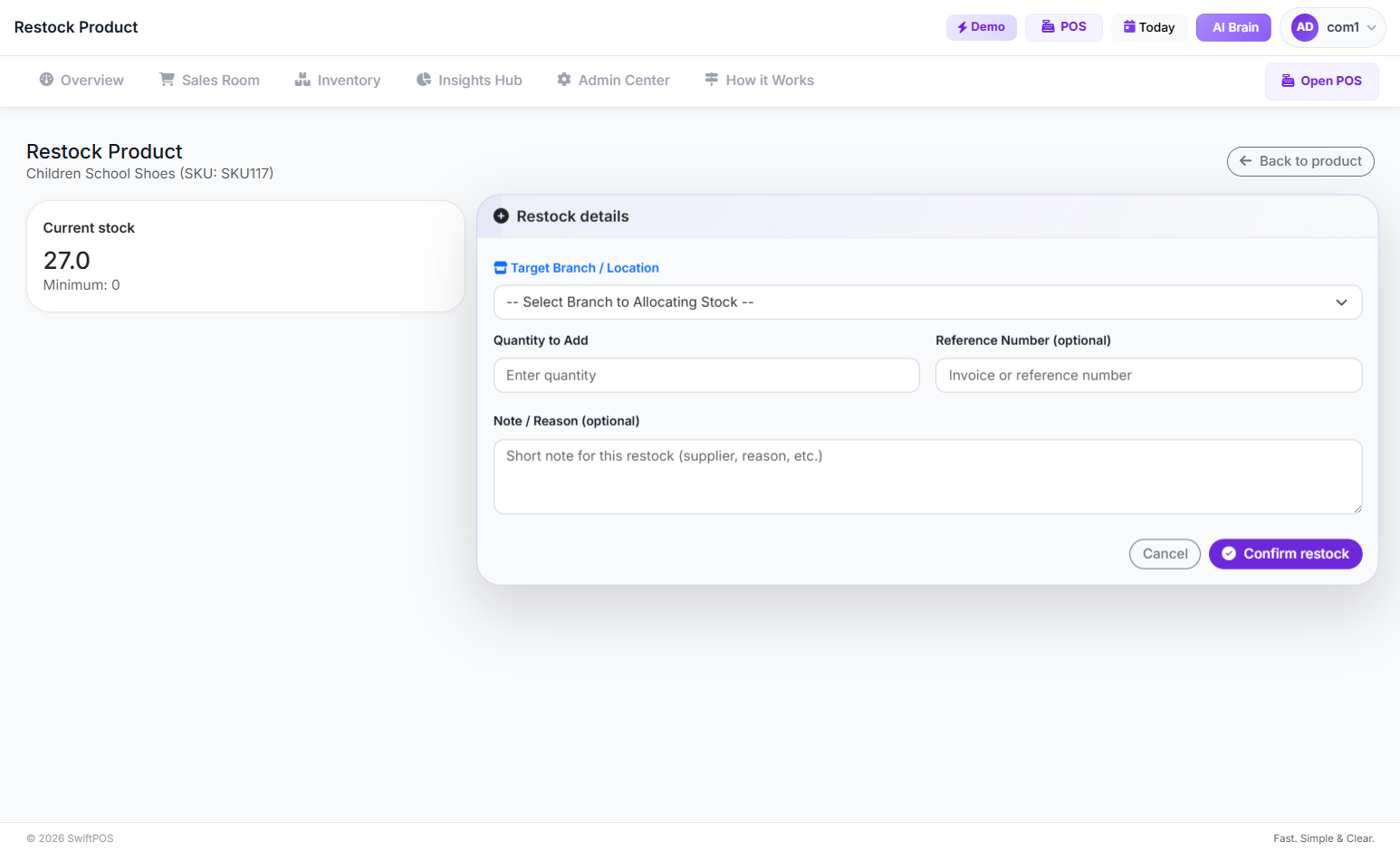 Add product Stock page
Step 5: Implement a Modern Management System
Gone are the days when a notebook and pen were sufficient for managing a retail business. In 2026, efficient operation of a provision store business demands technology. A robust Point-of-Sale (POS) system is no longer a luxury but a necessity. It helps you track sales, manage inventory, monitor expenses, and understand your profit margins in real-time. For Nigerian retailers, a system like SwiftPOS NG offers comprehensive features tailored to local market needs. It helps you:
- Track Inventory: Know exactly what you have in stock, what's selling fast, and what's nearing expiration.
- Process Sales: Quickly and accurately process customer purchases with various payment options.
- Manage Customers: Keep records of loyal customers and manage credit sales.
- Monitor Expenses: Track all your operational costs, from generator fuel to staff salaries.
- Generate Reports: Get insights into your business performance, identifying profitable products and areas for improvement.
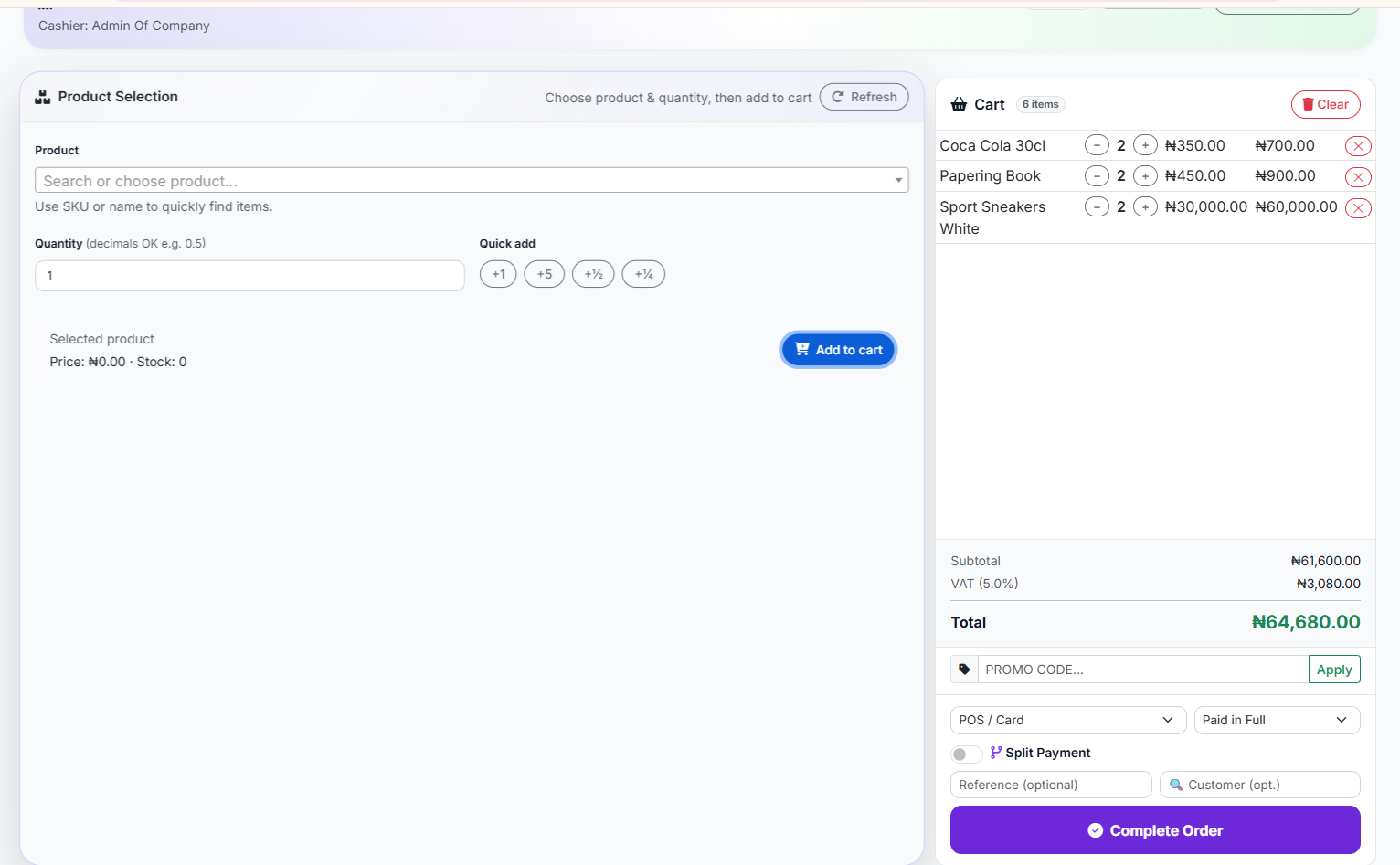 Classic POS Interface (List select)
Step 6: Hire and Train Staff (If Needed)
As your provision store business grows, you might need to hire staff. For a small to medium store, one or two reliable shop assistants can make a huge difference. Look for individuals who are trustworthy, have good customer service skills, and are quick learners.
- Monthly Staff Salary (1 Assistant): Expect to pay between ₦40,000 (entry-level, local area) and ₦80,000 (more experienced, city).
- Training: Train your staff on product knowledge, customer service best practices, handling money, and how to operate your POS system. Clear guidelines on shop policies, opening/closing procedures, and security are also essential. Delegating responsibilities effectively allows you to focus on strategic growth.
Step 7: Market Your Provision Store
Even a small provision store needs marketing. Start with local marketing efforts:
- Grand Opening: Announce your opening with special discounts or promotions.
- Signage: Clear, attractive signage that highlights your store name and key offerings.
- Word-of-Mouth: Encourage satisfied customers to spread the word. Excellent customer service is your best marketing tool.
- Loyalty Programs: Offer small incentives for repeat customers.
- Community Engagement: Participate in local events or offer small sponsorships.
- WhatsApp Marketing: Create a business WhatsApp account to share daily deals or new arrivals with local customers. For more ideas, check out How to Increase Sales in Your Retail Shop in Nigeria: 10 Strategies That Actually Work in 2026.
Common Mistakes to Avoid
Starting a provision store in Nigeria comes with its unique set of challenges. Being aware of common pitfalls can save you significant time and money.
- Underestimating Startup Capital: Many new owners miscalculate the true cost of setting up, leading to cash flow problems early on. Always have a contingency fund.
- Poor Inventory Management: Overstocking leads to tied-up capital and expired goods, while understocking means lost sales. Track your inventory diligently. This is a common issue for Nigerian Retailers: Inventory Management Mistakes Crushing Your Profits.
- Ignoring Competition: Assume every competitor has something to teach you. Understand their pricing, product range, and customer service to find your unique selling proposition.
- Neglecting Customer Service: Rude staff, unkempt stores, or consistent stockouts will drive customers away. Your customers are your lifeline.
- Lack of Proper Record-Keeping: Relying on memory or paper records is a recipe for disaster. You won't know your true profit or loss, making it impossible to make informed decisions. This is one of the Hidden Costs of Manual Retail Operations in Nigeria: What You're Missing Beyond POS.
- Inconsistent Pricing: Changing prices frequently or having different prices for the same item erodes customer trust.
- Ignoring Operational Costs: Beyond rent and stock, monthly expenses like generator fuel (₦25,000 - ₦80,000), transportation for stocking (₦10,000 - ₦40,000), and miscellaneous items (₦5,000 - ₦15,000) can eat into profits if not managed.
How to Track and Grow After Launch
Launching is just the beginning. To ensure your provision store business remains profitable and grows, consistent monitoring and strategic planning are essential.
- Monitor Key Performance Indicators (KPIs): Track daily sales, average transaction value, popular products, and profit margins.
- Expected Monthly Revenue: A small local shop might see ₦250,000, while a busy urban store could reach ₦1,500,000.
- Gross Profit Margin: A healthy margin typically ranges from 10% to 25%, depending on your product mix and supplier deals.
- Analyze Sales Data: Understand purchasing patterns. Are certain products more popular on weekends? Do you sell more beverages during specific hours? This data informs your stocking and marketing efforts.
- Manage Inventory Proactively: Use sales data to forecast demand. Implement a reorder point system to ensure you never run out of popular items but also avoid overstocking slow-moving goods. Tools like SwiftPOS NG offer smart stock forecasting to help you identify healthy stock, low-stock risks, and even dead stock.
- Control Expenses: Regularly review your operational costs. Can you find more affordable suppliers for bags, or negotiate better prices on generator fuel? Every naira saved contributes to your bottom line.
- Seek Customer Feedback: Actively ask customers what they like, what they'd like to see stocked, and how you can improve their shopping experience.
- Expand Product Range Strategically: Based on customer feedback and sales data, gradually introduce new products that complement your existing offerings.
- Consider Diversification: Once established, you might consider offering value-added services like mobile money agent services or small-scale delivery to local customers.
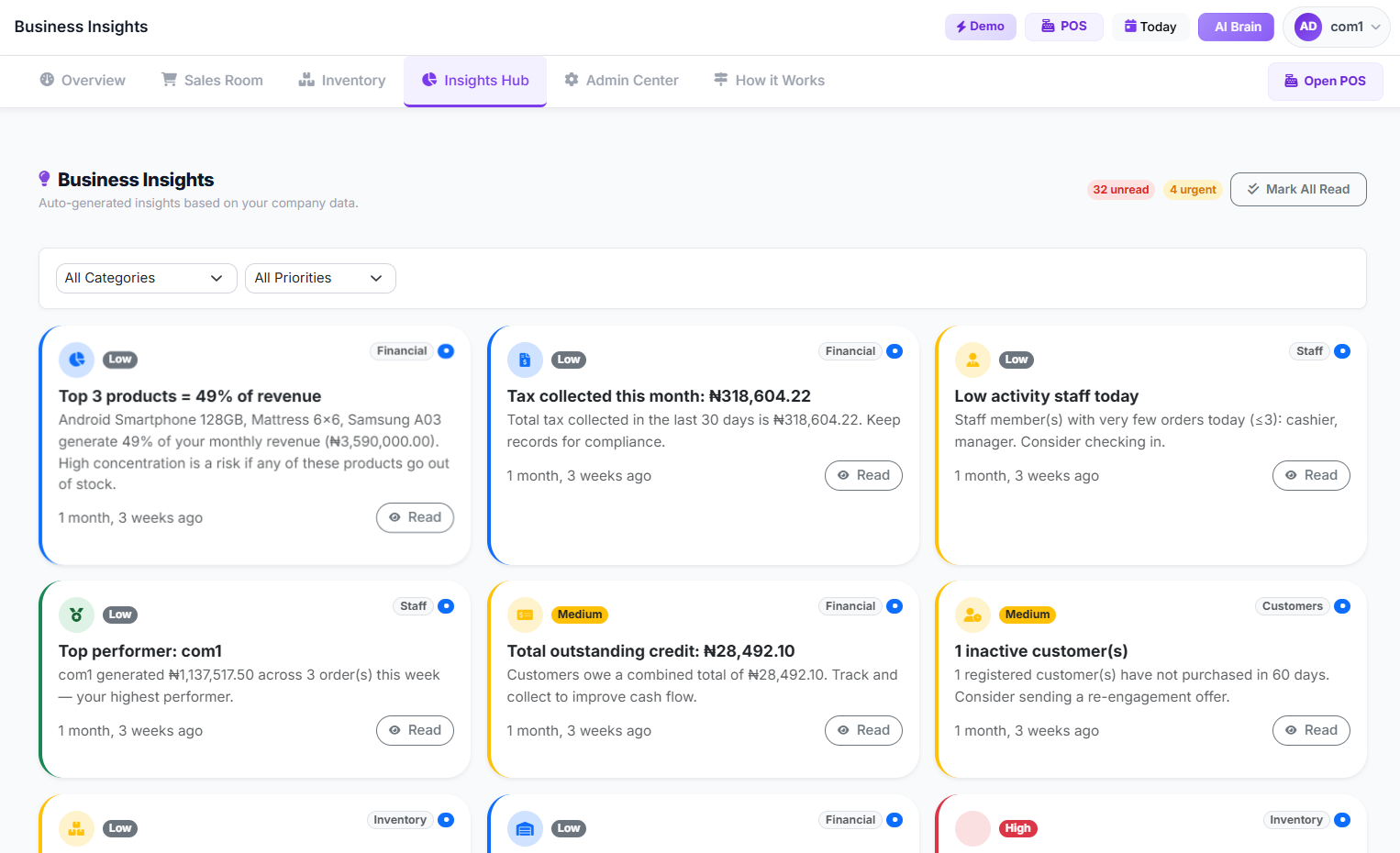 Business Insights Page
"In the Nigerian retail landscape, what you don't track, you can't improve. Data is not just for big businesses; it's the lifeline for every thriving provision store owner."
Frequently Asked Questions
What is the minimum capital required to start a provision store in Nigeria?
The minimum capital for a very small provision store in a rural or less commercial area could be as low as ₦300,000 – ₦500,000, covering basic rent, initial stock, and minimal fittings. However, for a well-stocked store in a more urban or commercial area, you should budget between ₦1,000,000 and ₦2,500,000 to cover rent, a wider range of stock, better fittings, and essential equipment like a generator and refrigerator.
Is the provision store business profitable in Nigeria?
Yes, the provision store business can be very profitable in Nigeria, given its role in meeting daily household needs. Profitability largely depends on location, effective inventory management, competitive pricing, good customer service, and efficient expense control. Gross profit margins typically range from 10% to 25%, with successful stores achieving monthly revenues of ₦500,000 to ₦1,500,000 or more.
How do I find reliable suppliers for my provision store?
Start by visiting major wholesale markets in your city (e.g., Balogun Market in Lagos, Main Market in Onitsha). Look for distributors for specific brands you want to stock. Network with other provision store owners for recommendations. Always compare prices, delivery terms, and product quality before committing to a supplier. Building strong relationships with a few reliable suppliers is key.
What are the essential items to stock in a new provision store?
Begin with high-demand essentials: staple foods (rice, beans, garri, yam flour, palm oil, groundnut oil), beverages (sodas, bottled water, milk), toiletries (soap, toothpaste, tissue paper), cleaning supplies (detergents, disinfectants), snacks (biscuits, sweets), and common household items (matches, candles, batteries). Gradually expand your inventory based on customer demand and feedback.
How can I manage customer credit effectively?
Managing customer credit requires discipline. Establish clear credit limits and repayment terms. Keep meticulous records of all credit sales and payments. A robust POS system like SwiftPOS NG can help you track customer debts, record partial payments, and manage credit settlements efficiently, reducing disputes and losses. Avoid extending credit to unknown customers.
Ready to Transform Your Provision Store Business?
Starting a provision store in Nigeria is a rewarding venture when approached with the right strategy and tools. By following these steps, you're well on your way to building a profitable and sustainable retail business. To streamline your operations, gain valuable insights, and ensure your provision store thrives in 2026 and beyond, consider a modern management solution. Explore the features and benefits SwiftPOS NG offers for Nigerian retailers on our features page and start your journey towards smarter retail today.

How Much Does It Cost to Start a Clothing Business in …
Oct 17, 2026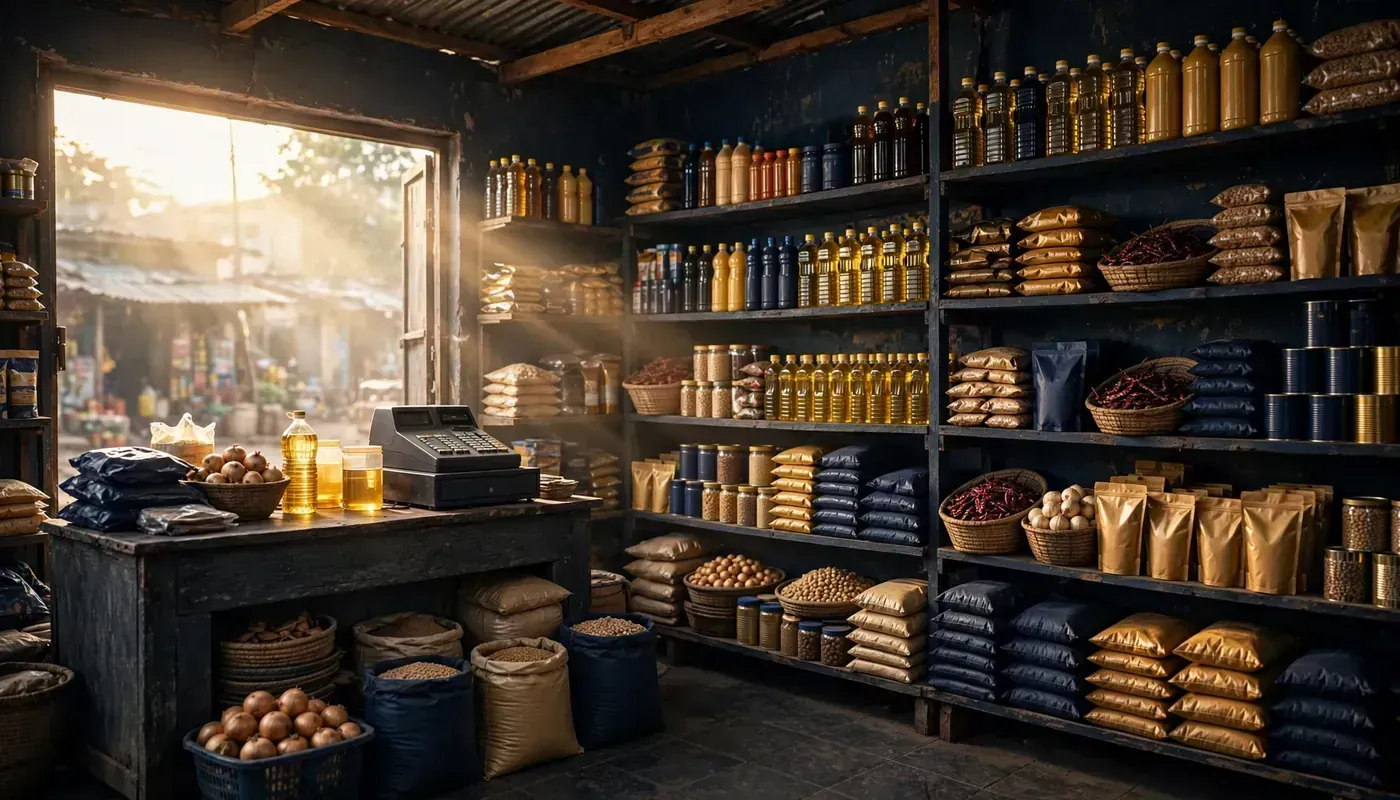
How Much Does It Cost to Open a Cosmetics Shop in Nige…
Oct 17, 2026
How to Start a Cosmetics Business in Nigeria: A Step-b…
Oct 17, 2026