Supermarket vs. Provision Store: Which Business Is More Profitable?
SwiftPOS Team
Published September 09, 2026
 Swiftpos inventory dashboard
Supermarket vs. Provision Store: Which Business Is More Profitable?
Are you weighing your options for starting a retail business in Nigeria, caught between the allure of a bustling supermarket and the steady promise of a local provision store? Many aspiring entrepreneurs find themselves in this exact dilemma, struggling to understand the true financial implications and daily operational differences between these two common retail models. The choice you make now can significantly impact your startup costs, daily operations, and ultimately, your profitability in the competitive Nigerian market.
Choosing between a supermarket and a provision store isn't just about the size of the shop; it's about understanding the entire ecosystem of costs, potential revenues, and operational complexities. Without a clear picture, you risk overinvesting in a model that doesn't suit your capital or market, or underestimating the demands of a seemingly simpler business. This guesswork can lead to significant financial strain, eroding potential profits before your doors even fully open.
For instance, consider the investment in initial stock. A small provision store might start with ₦200,000 to ₦800,000 worth of goods. In contrast, a medium-sized supermarket could require a staggering ₦5,000,000 to ₦30,000,000 just for initial inventory. This massive difference dictates everything from your loan requirements to your inventory management strategy. Similarly, annual rent for a provision store could range from ₦80,000 in a rural town to ₦500,000 on a busy street, while a supermarket in a prime Lagos or Abuja commercial district might demand ₦1,500,000 to ₦10,000,000 annually. These figures are not just numbers; they represent capital tied up, risks taken, and the daily pressure to generate enough sales to cover overhead.
Many Nigerian retailers, especially those relying on manual ledgers or basic spreadsheets, often miss the subtle but crucial differences in operational efficiency and profit margins between these two business types. They might fail to account for the higher electricity costs of running multiple freezers in a supermarket (₦150,000 - ₦800,000 monthly) compared to a provision store (₦15,000 - ₦50,000 monthly). Staffing needs also vary wildly, with provision stores typically needing 1-2 attendants (₦40,000 - ₦70,000 per staff monthly), while supermarkets require a larger team of cashiers, stockers, and security personnel (₦50,000 - ₦120,000 per staff monthly). Overlooking these details can lead to unexpected cash flow problems and a struggling business. You can learn more about avoiding common pitfalls in our guide on Nigerian Retailers: Inventory Management Mistakes Crushing Your Profits.
Supermarket vs. Provision Store: A Detailed Breakdown
Let's dissect the core differences and their implications for your profitability in 2026. Understanding these distinctions is paramount to making an informed decision for your retail business in Nigeria.
The Provision Store Model: Community Hub, Steady Returns
Provision stores are the backbone of many Nigerian communities. They are typically smaller, neighborhood-focused shops offering daily essentials.
- Target Market: Local residents, often within walking distance. Customers value convenience and familiarity.
- Product Range: Limited to fast-moving consumer goods (FMCGs) like food items, beverages, toiletries, basic household supplies, and sometimes provisions for cooking.
- Startup Costs (Estimated 2026):
- Stock: ₦200,000 - ₦800,000 (depending on location and variety).
- Annual Rent: ₦80,000 - ₦500,000.
- Shelving/Fixtures: ₦100,000 - ₦400,000.
- Small Generator (one-time): ₦150,000 - ₦400,000.
- Operational Costs (Estimated Monthly 2026):
- Electricity (PHCN/Generator): ₦15,000 - ₦50,000.
- Staff Salary (1-2 attendants): ₦40,000 - ₦70,000 per staff.
- Daily Sales Potential: ₦15,000 - ₦80,000.
- Average Profit Margin: 10% - 20%. While sales volume might be lower than a supermarket, the profit margin per item can be higher, especially for niche or convenience-driven purchases.
- Advantages: Lower startup capital, less complex management, strong community ties, resilience in local economies.
- Disadvantages: Limited growth potential without expansion, sensitive to local competition, lower overall revenue ceiling.
The Supermarket Model: Volume, Variety, and Higher Stakes
Supermarkets are larger retail outlets offering a wider array of products, often catering to a broader customer base and weekly shopping needs.
- Target Market: Broader demographics, including families, working professionals, and bulk buyers. Customers seek variety, competitive pricing, and a comprehensive shopping experience.
- Product Range: Extensive – groceries, fresh produce, meat, dairy, baked goods, household items, electronics, cosmetics, and more. Often includes multiple brands for each product type.
- Startup Costs (Estimated 2026):
- Stock: ₦5,000,000 - ₦30,000,000.
- Annual Rent: ₦1,500,000 - ₦10,000,000.
- Shelving/Fixtures (more elaborate): ₦500,000 - ₦2,000,000.
- POS System (one-time): ₦80,000 - ₦250,000.
- Larger Generator/Inverter (one-time): ₦800,000 - ₦3,000,000+.
- Operational Costs (Estimated Monthly 2026):
- Electricity (PHCN/Generator): ₦150,000 - ₦800,000 (due to refrigeration, AC, lighting).
- Staff Salary (multiple roles): ₦50,000 - ₦120,000 per staff.
- Daily Sales Potential: ₦200,000 - ₦1,500,000.
- Average Profit Margin: 8% - 15%. While individual item margins might be lower due to bulk sales and competitive pricing, the sheer volume of sales can lead to significantly higher overall profits.
- Advantages: High revenue potential, economies of scale, broader customer reach, potential for brand building and multiple branches.
- Disadvantages: High startup capital, complex inventory and staff management, intense competition, higher operational overheads, greater risk.
For a deeper dive into supermarket profitability, read our article: Is Supermarket Business Profitable in Nigeria? The Real Cost-to-Profit Breakdown for a Mini Supermarket (2026).
The Smarter Approach: Data-Driven Retail Management
Regardless of whether you choose a provision store or a supermarket, the key to profitability in 2026 lies not just in your initial choice but in how you manage your operations. Relying on manual record-keeping or simple spreadsheets is a recipe for missed opportunities and revenue leaks. The modern Nigerian retail landscape demands a data-driven approach to:
- Precise Inventory Control: Knowing exactly what you have, what's selling, and what's about to expire is critical for both small and large stores. Overstocking ties up capital, while understocking leads to lost sales.
- Sales Performance Analysis: Understanding peak hours, best-selling products, and customer buying patterns allows for better stocking decisions, targeted promotions, and optimized staff scheduling.
- Expense Tracking & Profit Calculation: Many businesses focus only on sales, neglecting to accurately track expenses like electricity, staff salaries, and rent. Without a clear picture of your true net profit, you can't make informed growth decisions.
- Staff Accountability: In any retail setting, staff management is crucial. Tracking individual sales, voids, and discounts helps prevent losses and improves overall team performance.
- Customer Relationship Management: For provision stores, customer loyalty is vital. For supermarkets, understanding buying habits can drive personalized offers. Tracking customer credit, especially for loyal patrons, needs to be precise.
> "In the retail game, what you don't track, you can't improve. And what you can't improve, will eventually cost you."
This comprehensive approach moves beyond simply ringing up sales to actively using business intelligence to drive growth and profitability. This is especially true for businesses looking to scale, as outlined in our guide on How To Scale Your Retail Business With Technology In Nigeria (2026 Guide).
How SwiftPOS NG Empowers Your Retail Business
Whether you're running a neighborhood provision store or a sprawling supermarket, a robust Point-of-Sale (POS) and business management system can be the difference between merely surviving and thriving. SwiftPOS NG is designed specifically for the Nigerian market, providing a comprehensive platform that addresses the unique challenges and opportunities of retail here.
For a provision store, SwiftPOS NG simplifies daily operations. Imagine easily tracking your limited stock, managing customer credit accounts with precision, and understanding which items are your biggest money-makers. Its intuitive interface means your attendants can quickly process sales, whether through the
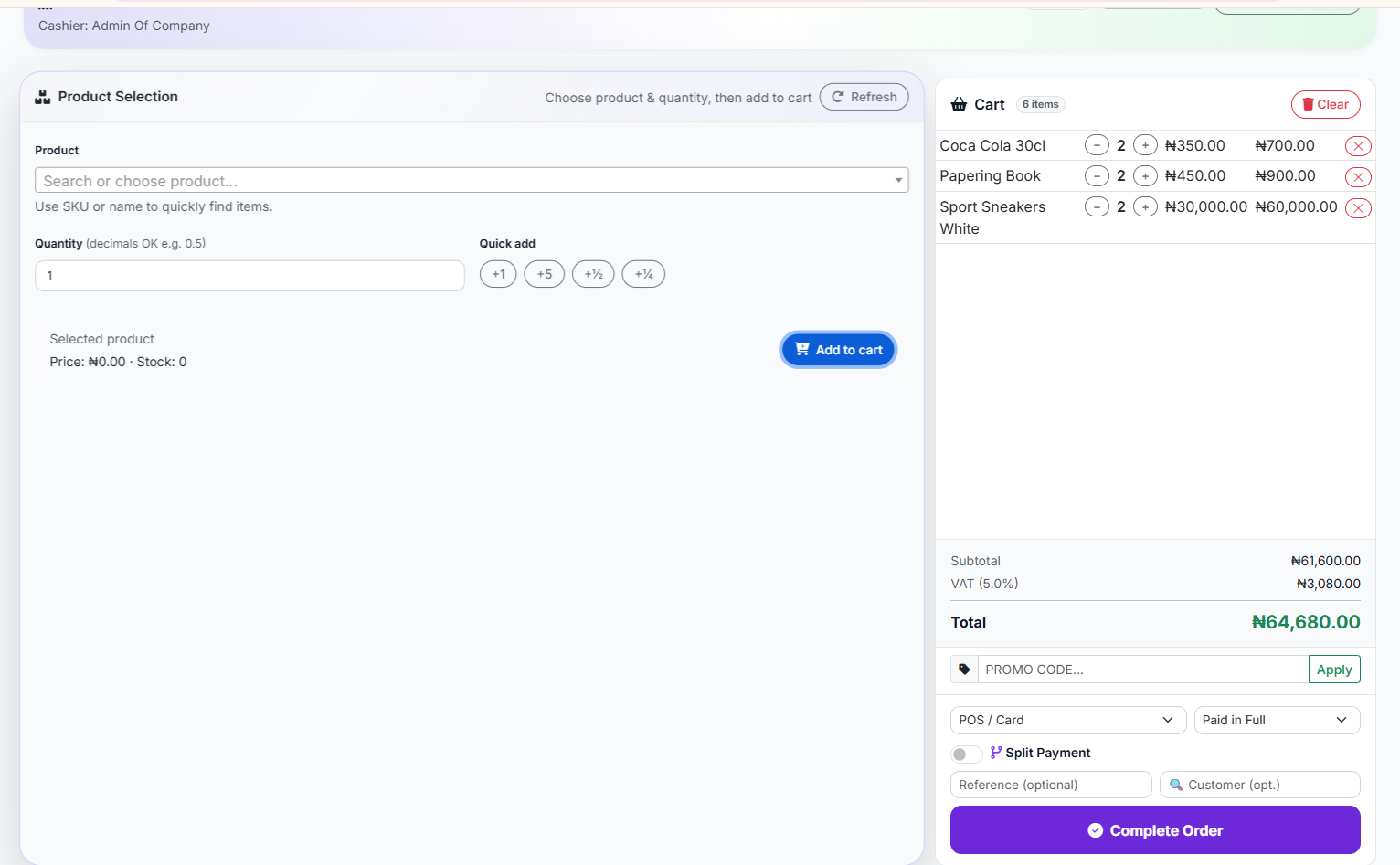 Classic POS Interface (List select)
for quick lookups or the
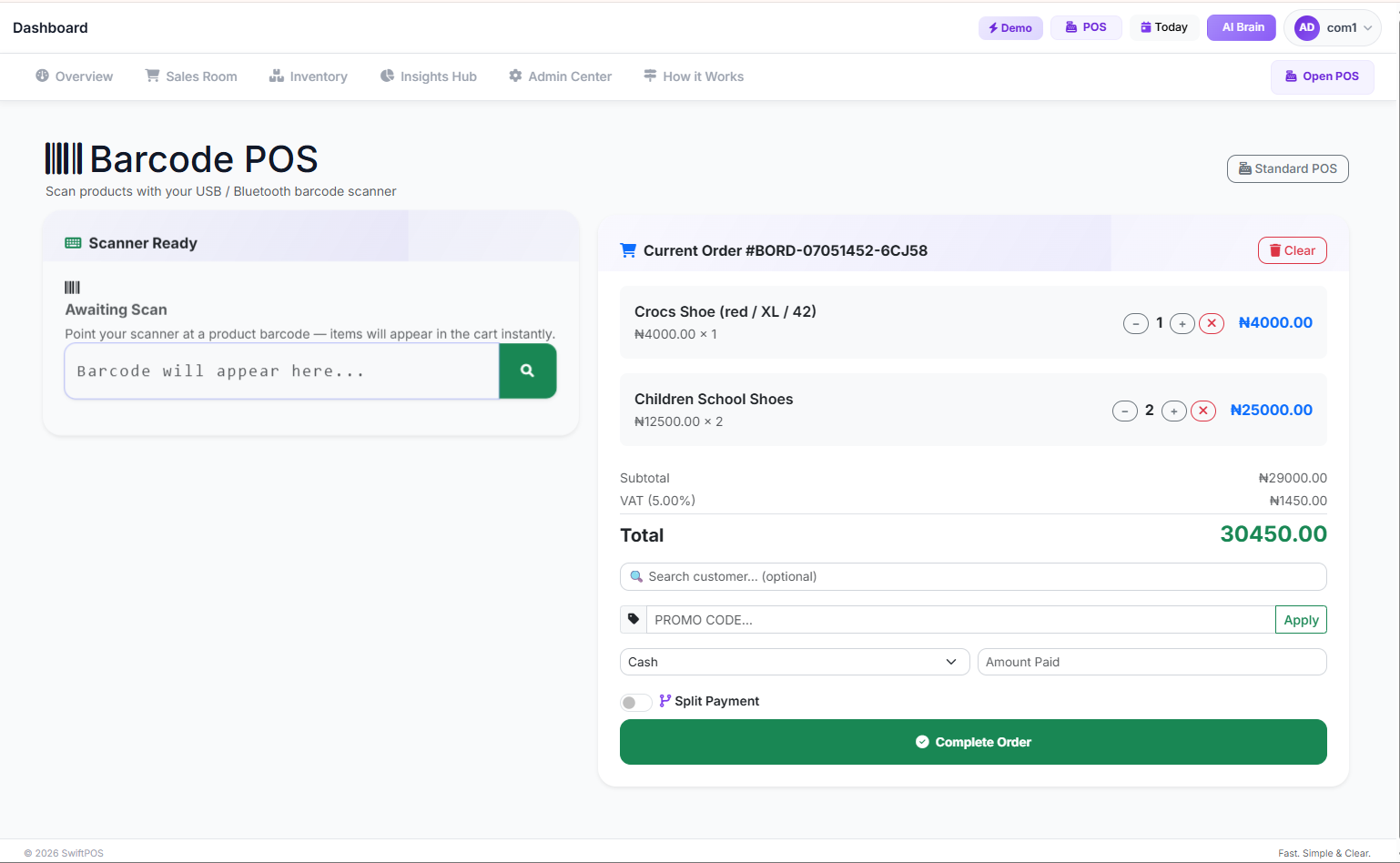 Barcode POS Interface
if you decide to implement barcodes. This frees you up to focus on customer service and sourcing, rather than getting bogged down in manual calculations. Even basic necessities like managing product expiration dates become effortless with features like expiry tracking, vital for food items and medicines.
For supermarkets with their larger scale and complexity, SwiftPOS NG becomes an indispensable central nervous system. It handles vast product catalogs, supports
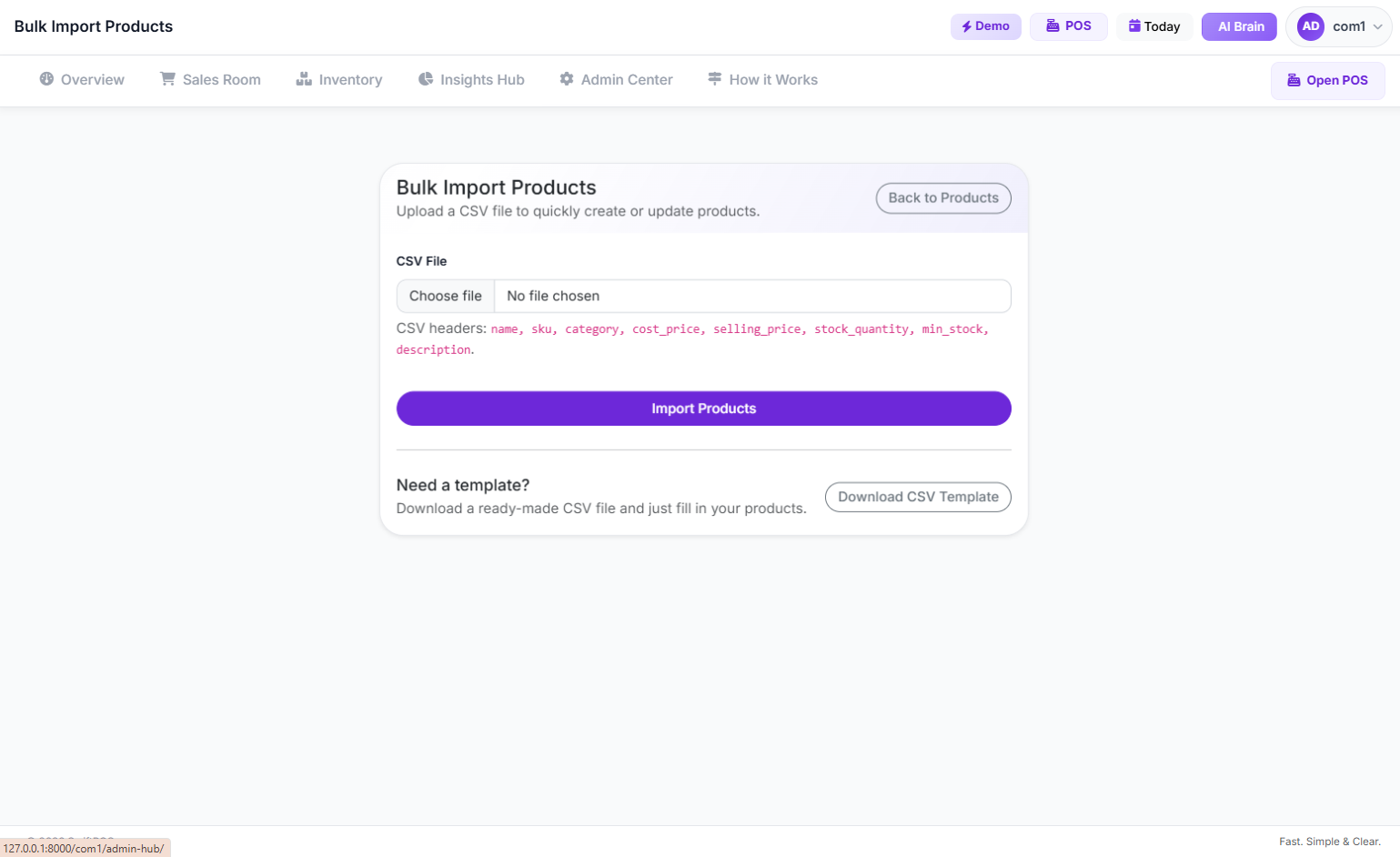 bulk product import
to save time, and allows for
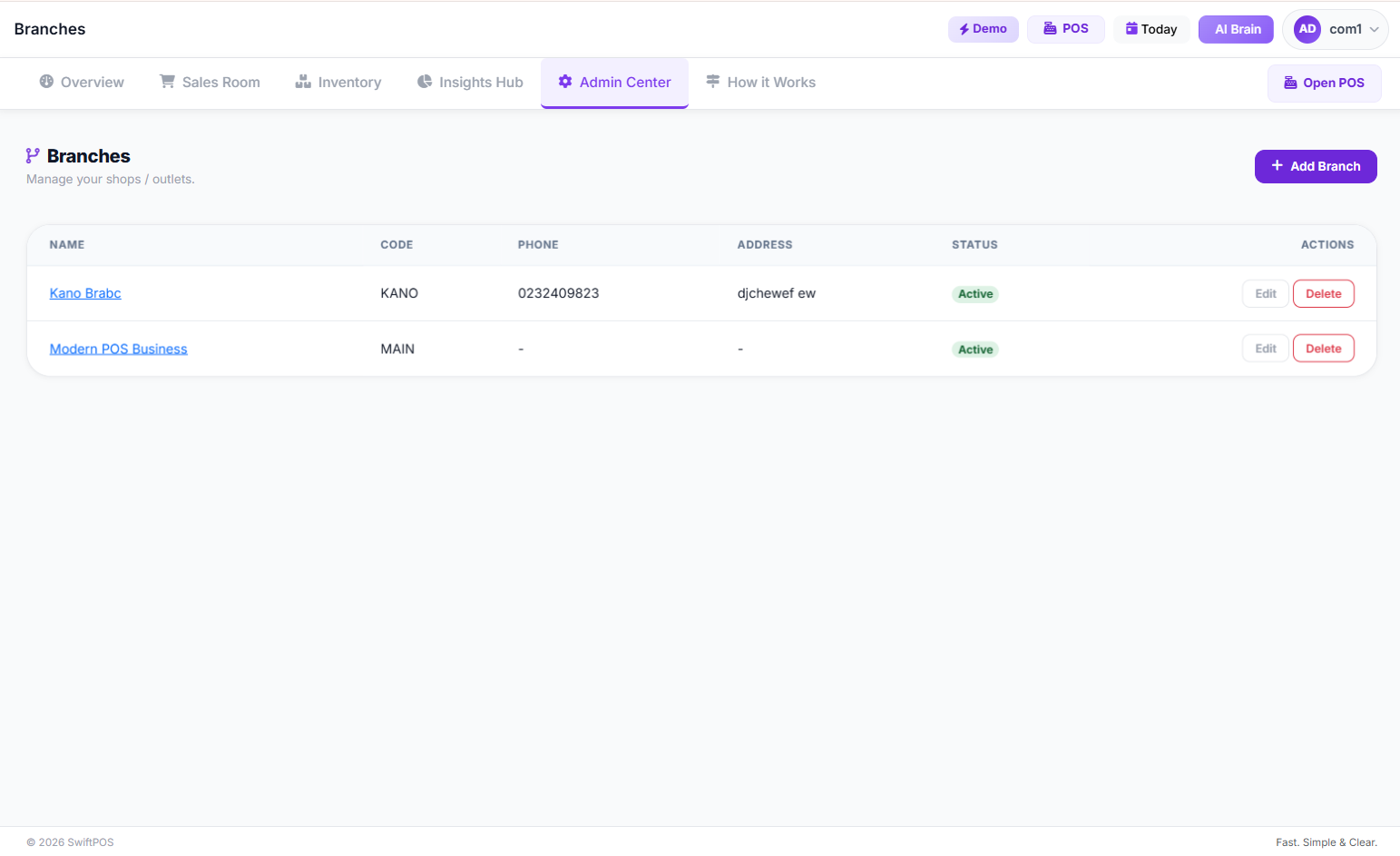 stock management by branch
if you operate multiple locations or a central warehouse. The system provides real-time insights into sales, inventory, and even staff performance, allowing managers to make quick, informed decisions. Features like
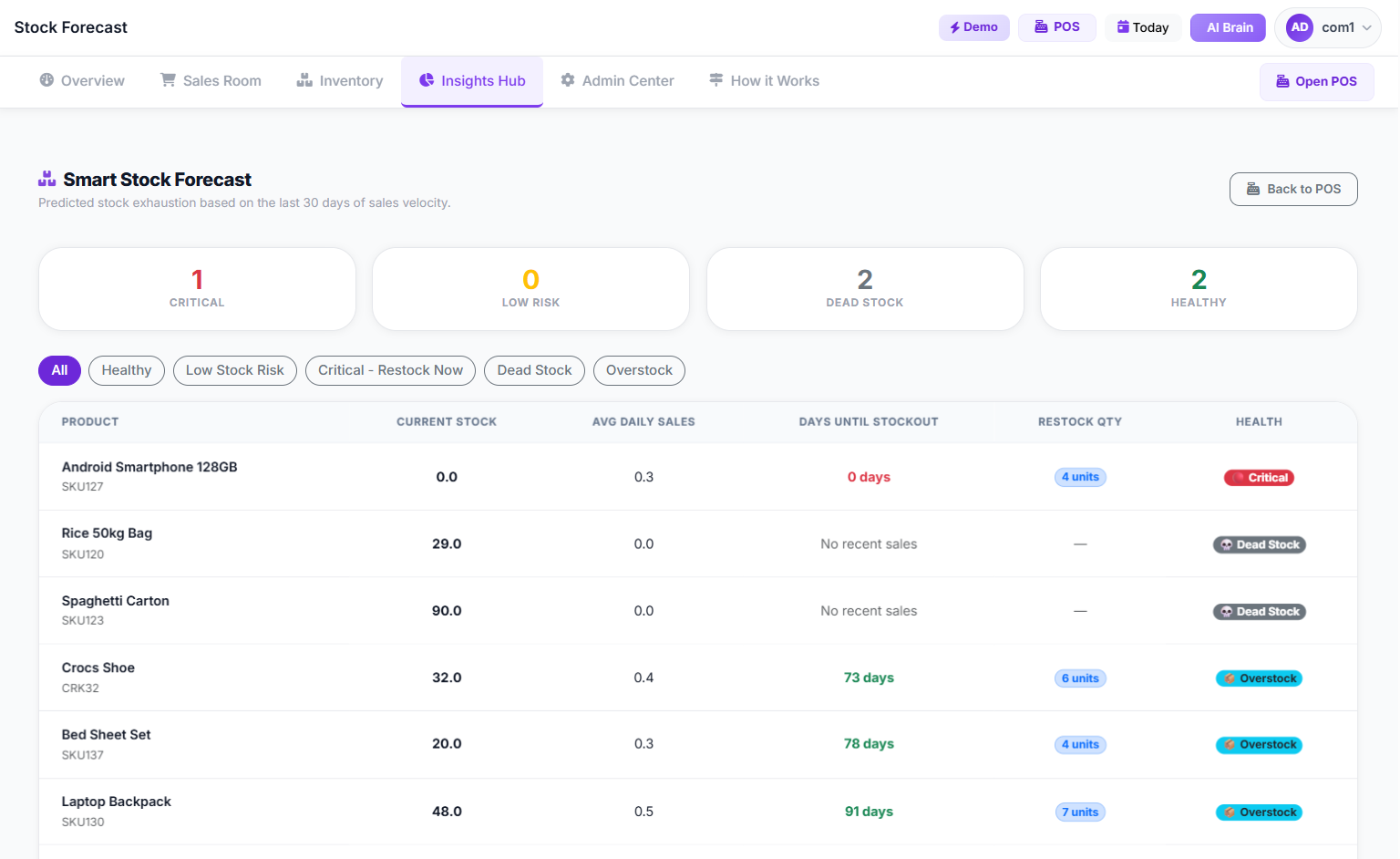 Smart Store Forecasts
can predict when popular items will run out, ensuring you restock proactively and avoid lost sales. Crucially, it helps calculate your
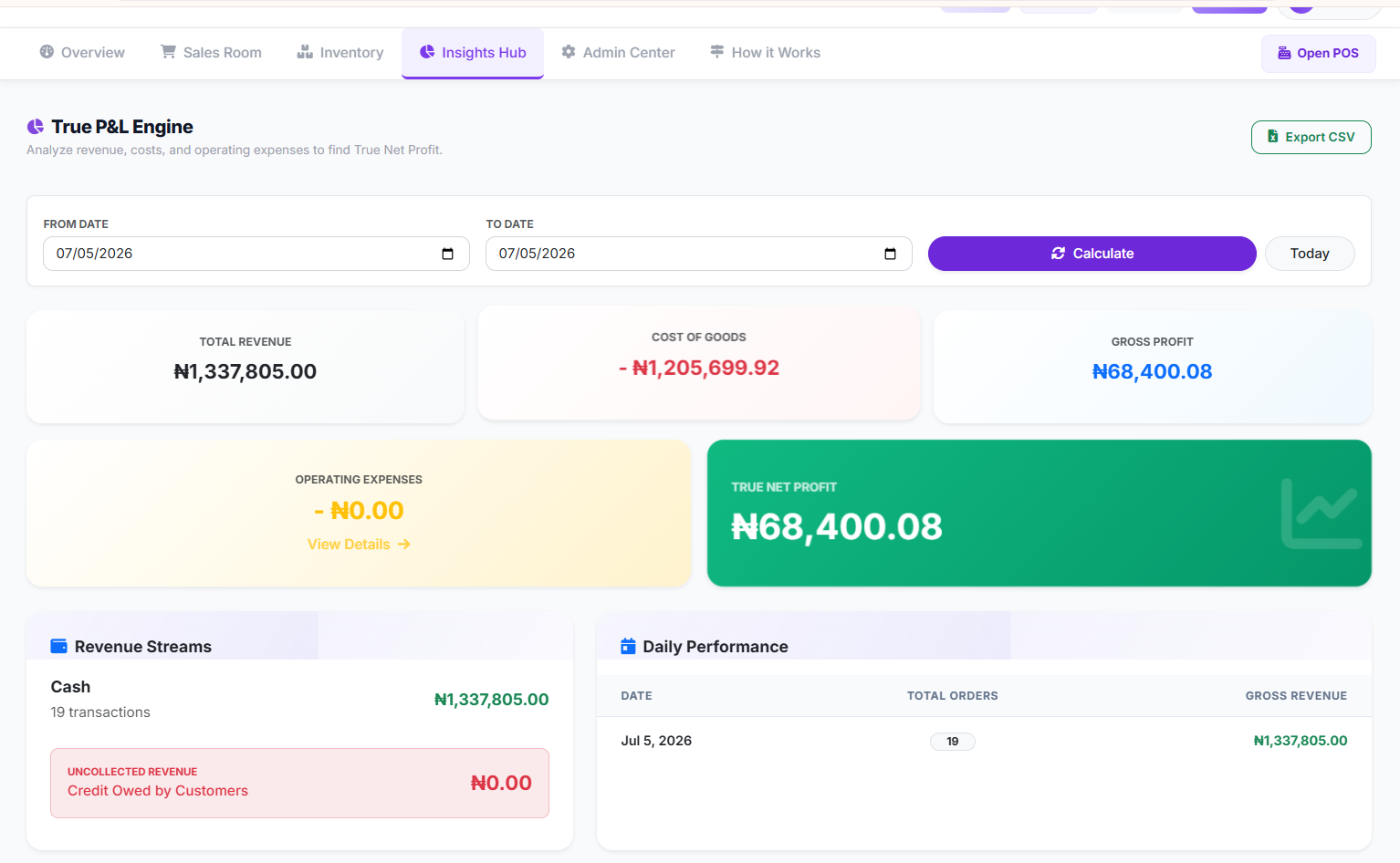 true net profit
by tracking both sales and expenses, giving you a clear financial picture. Explore the full range of capabilities on our features page.
Proof: Side-by-Side Comparison
| Feature/Aspect | Traditional Manual Methods (Paper/Basic Excel) | Modern POS System (e.g., SwiftPOS NG) `