How to Stock a Small Grocery Store on a Budget: A Step-by-Step Guide
SwiftPOS Team
Published September 08, 2026

Starting a provision store in Nigeria in 2026 can feel like walking a tightrope – one wrong step with your initial stock, and your limited capital vanishes. Many aspiring entrepreneurs underestimate the precision required for initial inventory, leading to stagnant goods, wasted funds, and ultimately, a premature business closure. The key to success isn't just having products, but having the right products, in the right quantities, at the right time, especially when every naira counts.
Nigerian market stall with various provision itemsThe Reality of Stocking a Provision Store in Nigeria in 2026
The Nigerian retail landscape is dynamic and competitive. With inflation and fluctuating supply chains, strategic stocking is no longer an option but a necessity. Small grocery stores, often called provision stores or mini-marts, thrive on their ability to meet immediate local needs. This means a careful balance between popular staples and unique items that differentiate you. In 2026, consumers are more discerning, and efficient inventory management directly impacts profitability. For instance, while a small store might expect monthly revenue between ₦250,000 and ₦700,000, achieving this depends heavily on smart stocking and avoiding common pitfalls like expired goods or stockouts. Understanding these market realities is crucial before you even consider your first purchase. For more insights into the profitability of this sector, check out our detailed guide: Is Supermarket Business Profitable in Nigeria? The Real Cost-to-Profit Breakdown for a Mini Supermarket (2026).
What You Need Before You Start
Before you even think about buying your first carton of noodles or bag of rice, ensure you have these foundational elements in place:
- Business Plan: A clear roadmap outlining your target customers, niche, pricing strategy, and financial projections.
- Capital: Realistic initial investment covering rent, basic equipment, and your first stock purchase. Remember, initial stock for dry goods can range from ₦300,000 - ₦800,000, and perishables require a weekly budget of ₦50,000 - ₦150,000.
- Location: A visible spot with good foot traffic, ideally near residential areas, offices, or schools. Annual rent can vary wildly, from ₦80,000 for a small stall in a local market to ₦3,000,000 for a prime spot in Lagos or Abuja.
- Business Registration: Essential for legitimacy and accessing certain suppliers. Expect ₦25,000 - ₦50,000 for CAC registration, depending on your business structure.
- Basic Equipment: Shelving, a counter, a refrigerator/freezer if stocking perishables, and a generator for power stability.
- Supplier Contacts: Begin building relationships with wholesalers or distributors for competitive pricing.
Step-by-Step: How to Stock a Small Grocery Store on a Budget
Stocking a provision store effectively on a limited budget requires a methodical approach. Follow these steps to ensure every naira spent on inventory is an investment, not an expense.
Step 1: Define Your Target Market and Product Niche
Your target market dictates your inventory. Are you serving a student community, a family-centric estate, or a bustling commercial area? This will influence the types of products, price points, and brands you stock. For example, a store near a university might prioritize instant noodles, snacks, and toiletries, while one in a family estate would focus on cooking ingredients, detergents, and children's items.
Start by observing existing shops in your chosen area. What sells well? What's missing? Don't try to be everything to everyone, especially with a small budget. Focus on a core set of high-demand items and a few unique offerings that make your store stand out. This initial focus is critical for managing your provision store stock efficiently.
Step 2: Prioritize High-Demand, Fast-Moving Goods
When capital is limited, focus on items that sell quickly. These are your cash cows. Think about daily necessities: bread, eggs, bottled water, soft drinks, popular brands of detergent, cooking oil, rice, and basic toiletries. These items generate consistent revenue and ensure cash flow, allowing you to reinvest and expand your inventory gradually.
Avoid stocking too many slow-moving or niche items initially, no matter how good the profit margin seems. Dead stock ties up capital and occupies valuable shelf space. Your initial small business inventory should be lean and responsive to immediate customer needs. Consider the typical profit margin per item, which can range from 10% to 30%, and prioritize items that offer a good balance of high turnover and decent margin.
Step 3: Source Smartly – Wholesalers and Direct Suppliers
The cost of your goods directly impacts your profit. Bypass retail markets and go directly to wholesalers or distributors. Buying in bulk almost always yields better prices. Visit major markets like Balogun, Idumota, or Mile 12 (for perishables) to establish relationships. Don't be afraid to negotiate prices, especially if you're committing to regular purchases.
Consider forming a small buying cooperative with other small store owners in your area to meet minimum order quantities for direct factory purchases, if feasible. This can significantly reduce your procurement costs. Always compare prices from at least three suppliers before making a large purchase. Remember, transportation costs for stock can range from ₦5,000 to ₦25,000 per trip, so factor this into your supplier selection.
Step 4: Implement a Lean Inventory Strategy
With a limited budget, overstocking is a death sentence. Implement a "just-in-time" inventory approach where you only buy what you need when you need it. This means frequent, smaller orders rather than large, infrequent ones. While this might mean slightly higher transportation costs per unit, it drastically reduces your capital tied up in inventory and minimizes the risk of spoilage or obsolescence.
For perishables, this is even more critical. Plan your purchases for items like fruits, vegetables, and dairy on a daily or every-other-day basis, buying only what you expect to sell within a short window. Utilize a system to track sales and stock levels to inform your purchasing decisions. You can learn more about avoiding common inventory mistakes in our article: Nigerian Retailers: Inventory Management Mistakes Crushing Your Profits.
Step 5: Set Up Your Inventory Management System
Even with a small store, relying on manual records (notebooks or basic spreadsheets) is a recipe for errors and missed opportunities. You need a reliable system to track what comes in, what goes out, and what's left. This is where modern tools become invaluable.
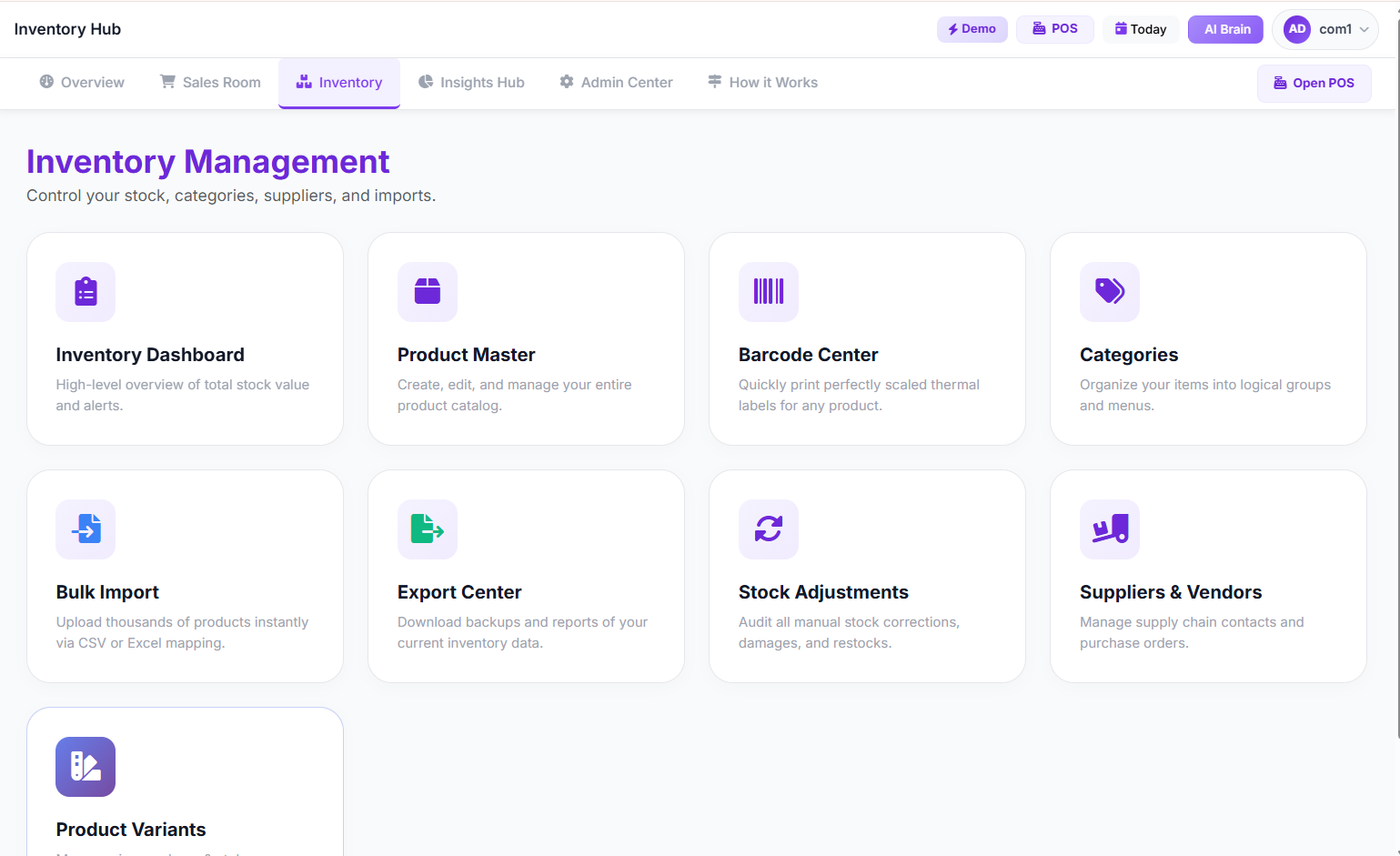 Inventory Hub
A robust Point-of-Sale (POS) and inventory management system can transform how you handle your shop stocking. For instance, SwiftPOS allows you to:
- Add and manage products: Easily input product details, cost prices, selling prices, and stock quantities.
- Track sales in real-time: Every sale automatically updates your inventory, giving you an accurate picture of what's available.
- Monitor expiration dates: Especially crucial for provision stores, the system can alert you to products nearing their expiry.
- Generate purchase orders: Streamline reordering by knowing exactly what you need and when.
Step 6: Optimize Shelf Space and Product Placement
How you display your products can significantly impact sales. Place high-margin items at eye level. Group related items together (e.g., bread near butter, tea near sugar). Ensure your store is well-lit, clean, and organized. Even a small space can feel inviting and efficient with thoughtful arrangement.
Consider using simple, affordable shelving solutions. Used metal shelves can cost ₦70,000, while new, more robust units might go up to ₦250,000. Maximize vertical space to display more products without clutter. A well-organized store not only looks professional but also makes it easier for customers to find what they need and for you to manage your stock.
Step 7: Manage Cash Flow and Reinvestment
Profitability isn't just about sales; it's about managing your cash. Reinvest a portion of your profits back into your provision store stock, gradually expanding your product range or increasing quantities of best-sellers. Avoid pulling too much money out of the business in the early stages.
Keep a close eye on your expenses. Monthly electricity, for instance, can be ₦15,000 - ₦40,000, and local government levies another ₦10,000 - ₦50,000 annually. Every naira saved on operational costs can be reallocated to improving your inventory. Tools that provide
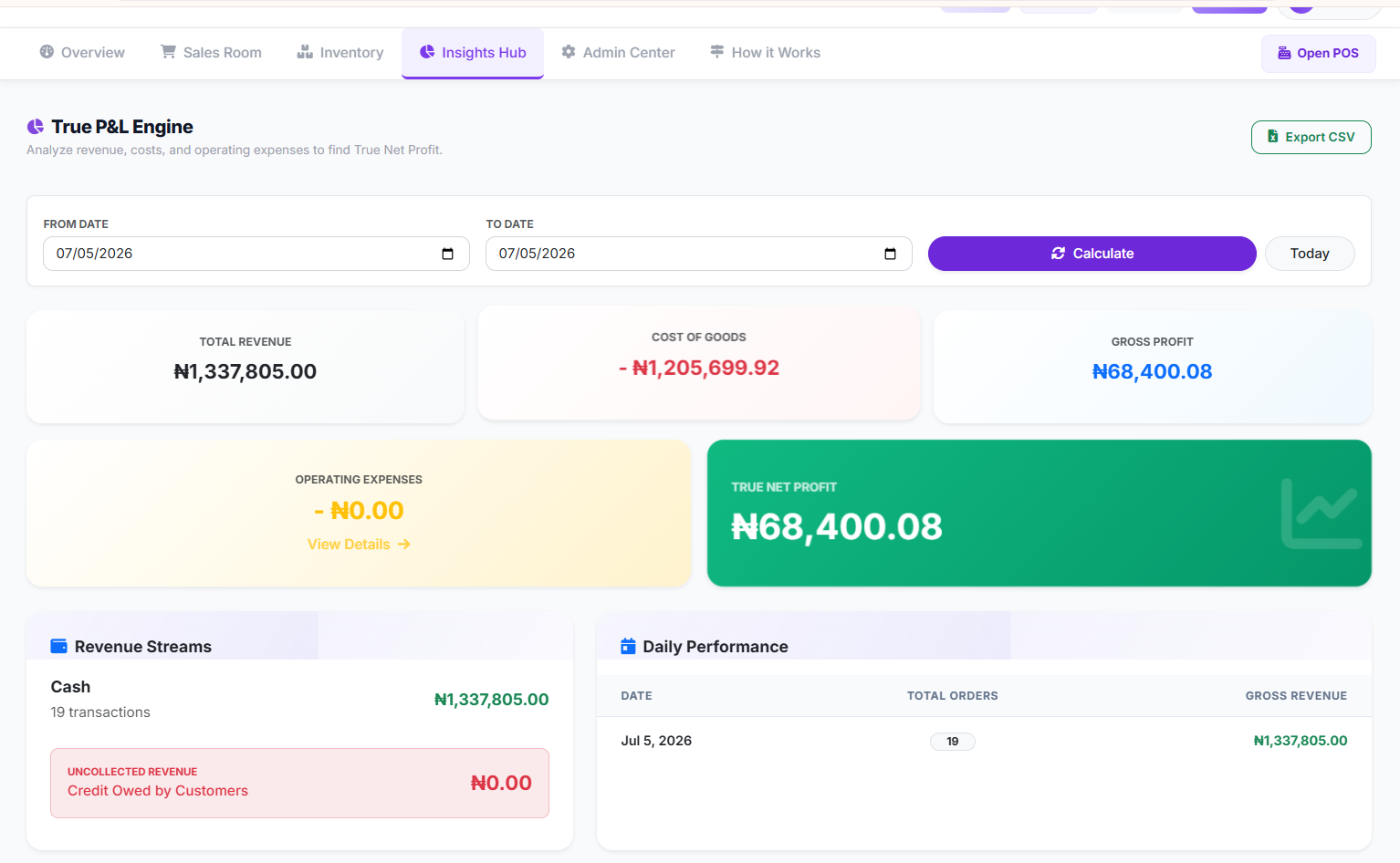 profit and loss statements
Common Mistakes to Avoid
- Over-reliance on "gut feeling": Without data, you're guessing. Track sales to make informed stocking decisions.
- Ignoring expiration dates: This is a major source of loss in provision stores. Implement a first-in, first-out (FIFO) system and actively monitor expiry.
- Stocking too much variety too soon: Diversify gradually as your customer base and capital grow.
- Poor supplier relationships: Neglecting to negotiate or pay on time can lead to higher costs or inconsistent supply.
- Underestimating operational costs: Beyond stock, rent, electricity, and staff salaries (₦40,000 - ₦70,000 per month for an assistant) can quickly drain capital.
- Lack of security: Stock shrinkage due to theft (internal or external) can erode profits. Keep valuable items secure and monitor staff activity.
How to Track and Grow After Launch
Once your provision store is up and running, continuous monitoring and adaptation are key to growth.
- Analyze Sales Data: Regularly review what's selling, what's not, and at what times. This data will inform your reordering and future stocking decisions. Look for trends, peak selling periods, and seasonal demands. Tools that provide are essential.
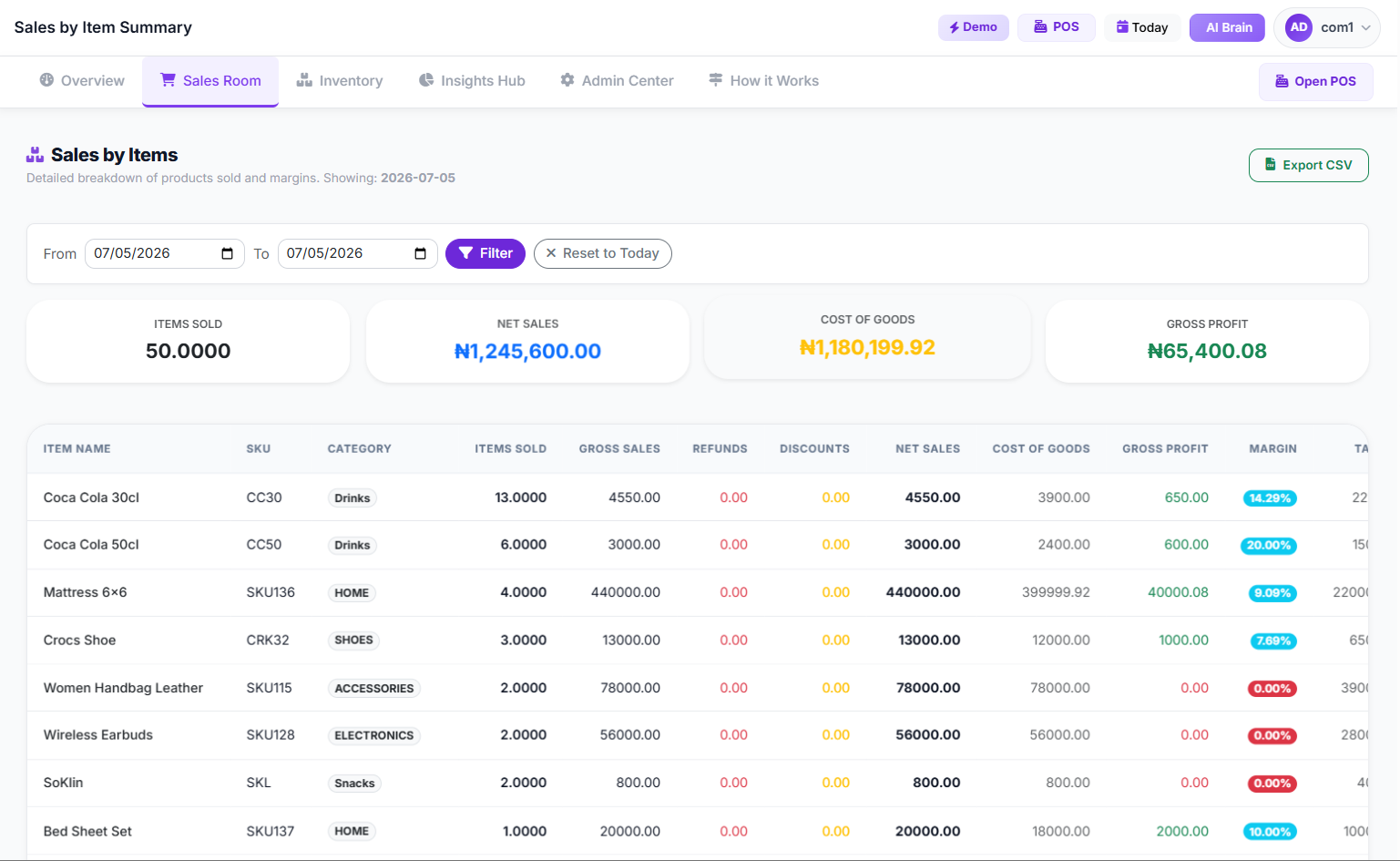 sales by item reports
 - Monitor Inventory Turnover: How quickly are products moving off your shelves? A high turnover rate is good, indicating efficient use of capital.
- Gather Customer Feedback: Ask your customers what they need or wish you stocked. This direct input is invaluable for expanding your provision store stock strategically.
- Forecast Demand: Based on your sales history, try to predict future demand for popular items to avoid stockouts. Advanced systems can offer to help you predict when products will run out of stock.
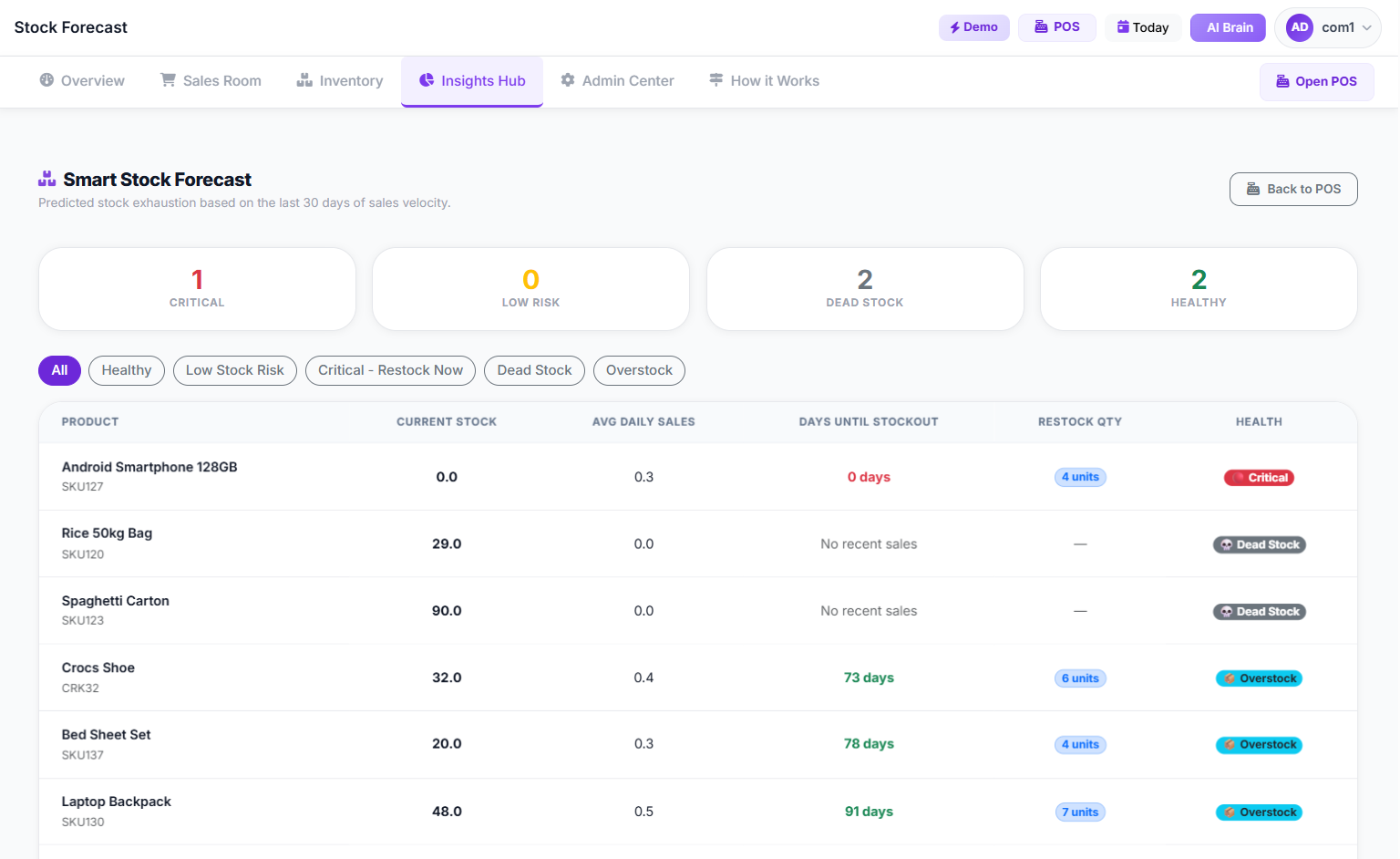 smart stock forecasting
 - Manage Expenses Diligently: Keep a tight rein on all operational costs. Every naira saved is a naira that can be reinvested into growth.
- Explore Value-Added Services: Can you offer mobile money deposits, phone charging, or small delivery services to attract more customers?
- Utilize Technology for Insights: A comprehensive platform like SwiftPOS doesn't just process sales; it provides critical business insights. From detailed to
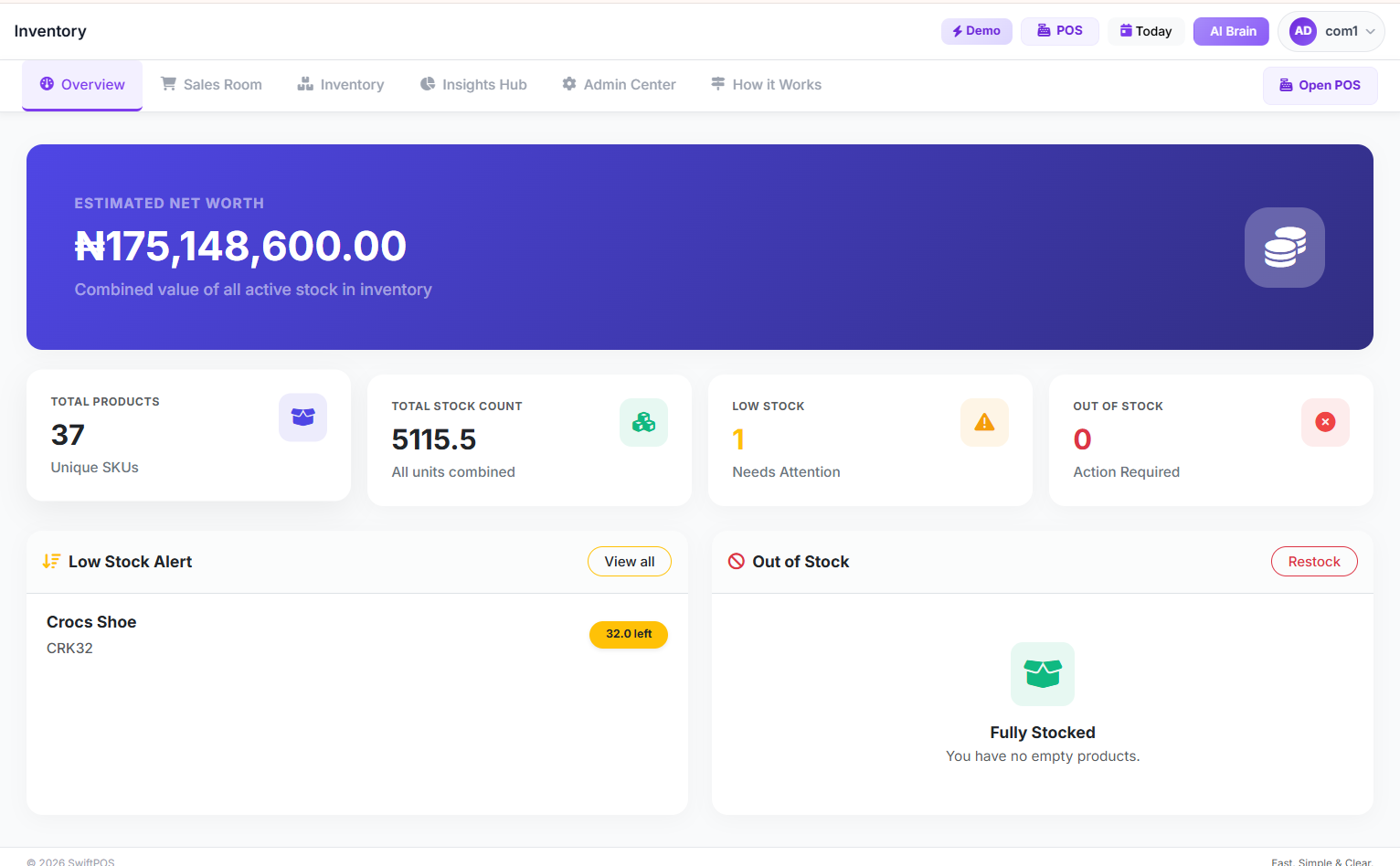 inventory dashboards, it empowers you to make data-driven decisions, helping you scale your retail business with technology in Nigeria.profit and loss statements
 Business owner reviewing sales data on a tablet
Frequently Asked Questions
How much money do I really need to start stocking a provision store in Nigeria?
For initial dry goods and packaged items, you'll need ₦300,000 - ₦800,000. If you plan to include perishables, budget an additional ₦50,000 - ₦150,000 weekly. This doesn't include rent, equipment, or operational costs. A detailed breakdown can be found in our guide: How Much Money Do You Need to Open a Mini Supermarket in Nigeria in 2026? (Full Cost Breakdown).
What are the most important items to stock first on a low budget?
Focus on high-demand, fast-moving consumables like packaged foods (noodles, biscuits), beverages (soft drinks, bottled water), basic household items (detergents, soap), and essential toiletries. These items ensure quick turnover and consistent cash flow, which is vital for a low budget business.
How can I find reliable suppliers with good prices?
Visit major wholesale markets in your city (e.g., Balogun, Idumota, Mile 12). Talk to other small business owners for recommendations. Also, contact direct distributors for major brands. Always compare prices and build relationships for better terms.
Is it better to buy in bulk or smaller quantities when starting?
When starting with a small budget, it's generally better to buy in smaller, more frequent quantities, especially for new products or perishables. This minimizes capital tied up in inventory and reduces risk. As you identify best-sellers, you can gradually increase bulk purchases for those specific items to benefit from wholesale discounts.
How can I prevent stock from expiring or becoming obsolete?
Implement a First-In, First-Out (FIFO) system, placing older stock at the front. Regularly check expiration dates and consider offering discounts on items nearing expiry. A good inventory management system with expiration tracking is invaluable for this.
What's the biggest mistake a new provision store owner makes with inventory?
The biggest mistake is overstocking or stocking too many slow-moving items. This ties up precious capital, leading to cash flow problems and potential losses from expired or unsold goods. Focus on a lean, high-turnover small business inventory.
Ready to Streamline Your Provision Store Stock?
Managing a provision store on a budget in Nigeria requires meticulous planning and smart execution. From defining your niche to employing lean inventory strategies, every step contributes to your profitability. Don't let manual record-keeping hold your business back. Explore how modern tools can help you track sales, manage inventory, and gain critical insights, transforming your shop stocking from a headache into a strategic advantage. Start your journey towards smarter retail management today by visiting the main SwiftPOS app for companies or learn more about its powerful features.