Choosing a Shop Location in Nigeria: A Step-by-Step Guide
SwiftPOS Team
Published November 02, 2026
Everyone tells you the secret to a successful retail business is "location, location, location." You hear it everywhere, from market strategists to the old mama selling provisions down the street. And while it's true a good spot can make or break your shop, what most people don't tell you is that how you choose that shop location in Nigeria is often completely wrong. They tell you to look for foot traffic, but that's just the surface. You need to dig deeper, much deeper, to truly nail your retail location.
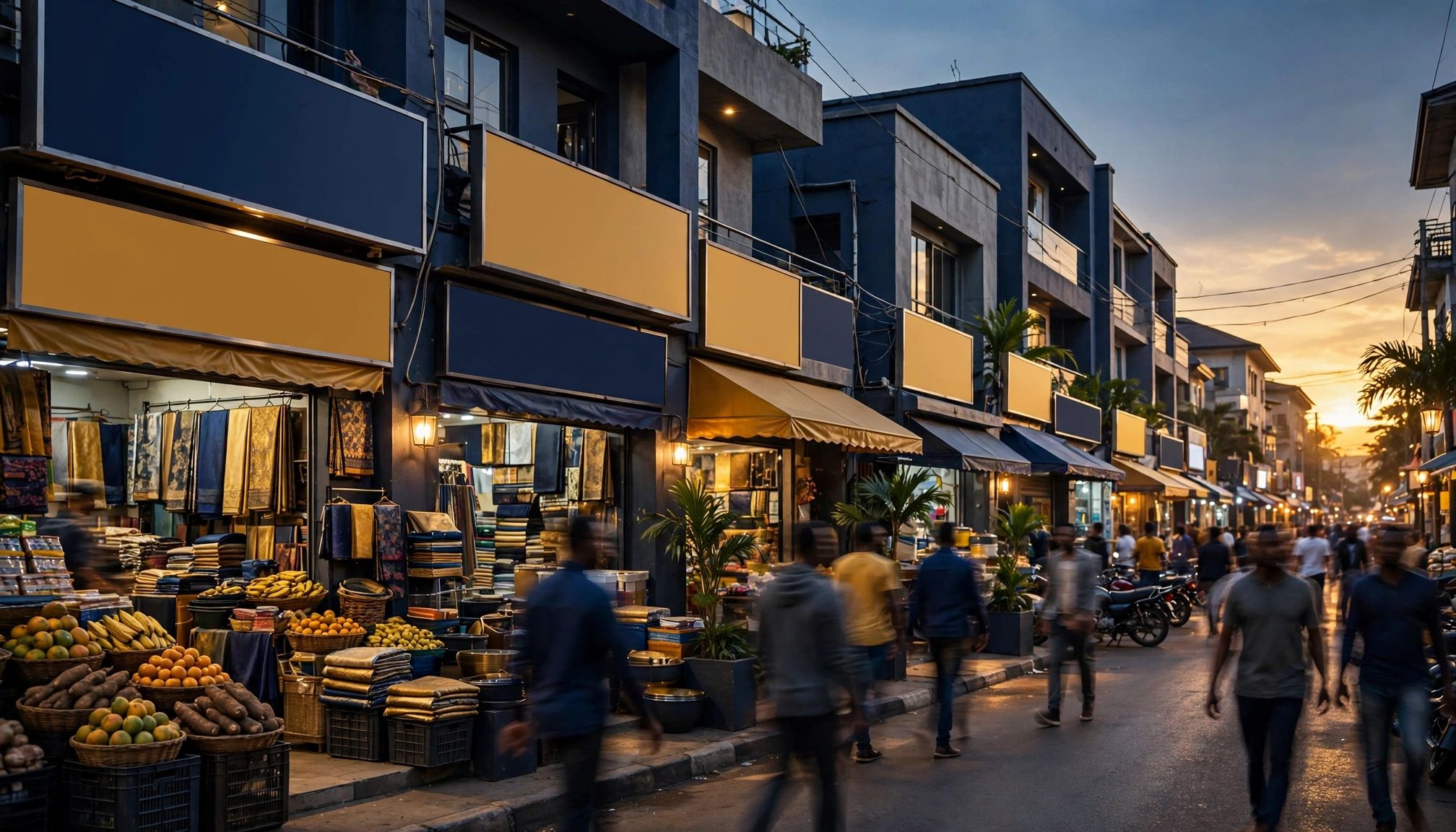
Vibrant street market with diverse shoppersWhy Most People Get This Wrong from Day One
Let's be honest, you're probably thinking about a busy junction, right? Or maybe a spot right next to a popular bank or a major market like Balogun or Alaba. That's the common advice, and it seems logical. More people passing by means more potential customers. Simple economics. But that's where the mistake often begins.
Think about it: A teeming market like Onitsha Main Market or Kano textile market has incredible foot traffic. But what's the cost of that traffic? The rent for a decent stall in such prime locations can be astronomical, sometimes reaching ₦2,000,000 to ₦5,000,000+ annually in a place like Lagos Island or Abuja FCT. Then you add agency fees, which can be another ₦200,000 to ₦500,000. Legal fees for tenancy agreements? Easily ₦50,000 to ₦200,000. Before you even buy your first stock, you've spent a fortune.
Many businesses jump into these high-traffic, high-cost areas without truly understanding their target customer or the quality of that foot traffic. Are those thousands of people actually interested in what you're selling, or are they just passing through? You see a crowd, but you don't always see the purchasing power or the specific need your product addresses. A fashion boutique selling designer wear won't thrive next to a spare parts shop, no matter how many mechanics walk past. You need to understand your customer first, then find where they are, not just where everyone is.
Before You Do Anything: The Foundation Work
Before you start scouting for that perfect retail location, you've got to lay some serious groundwork. This isn't about rushing; it's about building a business that lasts.
- Define Your Ideal Customer (and Their Wallet): Who are you selling to? Be specific. What's their age range, income level, lifestyle? Do they value convenience, luxury, affordability, or quality? For instance, if you're selling high-end electronics, your customers aren't likely to be haggling over every naira in a crowded, dusty market stall. They're looking for comfort, good service, and a reliable warranty. If you're running a provision store, your customers are likely looking for daily essentials, good prices, and proximity to their homes. Your definition will dictate everything about your shop business.
- Know Your Product Inside Out: What are you selling? Is it a daily necessity, a luxury item, a convenience product, or a niche specialty? A pharmacy needs to be accessible and visible, often near residential areas or clinics. A boutique might thrive in a mall or a high-street area known for fashion. Understanding your product helps you understand its natural habitat.
- Calculate Your Realistic Budget (Beyond Just Rent): This is where many people fail. They focus only on the annual rent. But there's so much more!
- Shop Rent (Annual): This is your big one. From ₦80,000 for a small stall in a local market to ₦5,000,000+ for a prime commercial space in Lagos. You need to know your range.
- Agency Fees: Usually 10-20% of annual rent. So, if your rent is ₦1,000,000, expect another ₦100,000 to ₦200,000.
- Legal Fees: ₦5,000 to ₦200,000 for that tenancy agreement. Don't skip this; a proper agreement protects you.
- Caution Deposit: Often 10% of annual rent, though some small stalls waive it. Another ₦100,000 for that ₦1,000,000 rent.
- Renovation/Fitting Out: From a basic paint job and shelves for ₦50,000 to ₦500,000, to a full modern fit-out costing ₦1,000,000 to ₦5,000,000+. This depends heavily on your product and brand image.
- Business Registration (CAC): ₦15,000 to ₦50,000. Get your business properly registered. It's not optional.
- Local Government Levy/Permit (Annual): ₦5,000 to ₦50,000. These are mandatory, and they will find you if you don't pay.
- Generator Purchase: In Nigeria, this is almost non-negotiable. A small to medium generator can cost ₦80,000 to ₦350,000.
- Utility Connection Security Deposit: If you're getting a new electricity meter, budget ₦10,000 to ₦50,000.
- Initial Stock Purchase: This varies wildly. A small provision store might start with ₦100,000 worth of goods, while a boutique could need ₦1,000,000 or more.
<blockquote style="background-color: #f8f8f8; border-left: 5px solid #ffcc00; padding: 15px; margin: 15px 0;">
"Many aspiring retailers in Nigeria mistakenly believe 'good location' simply means 'busy street.' A truly good location is one where your specific target customer, with their specific needs and spending habits, regularly passes by, and where your operational costs allow for a healthy profit margin."
</blockquote>
- Understand Your Competition: Who else is selling what you're selling, and where are they? Are they thriving or struggling? What makes them unique? Don't just copy them; learn from them. If there are five provision stores on one street, opening a sixth one might be tough unless you offer something truly different.
The Step-by-Step Path (What Actually Works) for Choosing a Shop Location in Nigeria
Okay, you've done your homework. Now, let's get into the actual process of finding that perfect retail location. This isn't just about driving around; it's a strategic hunt.
Step 1: Broad Area Identification – Where Do Your Customers Live and Work?
Instead of looking for a specific shop, identify broad areas or neighborhoods where your ideal customers are concentrated. If your customers are young professionals, look at areas with new residential estates or office complexes. If you're selling everyday groceries, focus on densely populated residential zones.
- What to do: Start with a map. Mark out potential zones. Consider proximity to schools, churches, mosques, markets, and public transport hubs if your product benefits from them. For example, a pharmacy does well near a hospital or a bustling residential estate.
- Common shortcut that backfires: Picking an area because a relative lives there or because it's "up and coming" without actual customer data. You need facts, not hunches.
- Action item: List 3-5 potential neighborhoods or zones. For each, write down why you think your target customer is there.
Step 2: Micro-Location Analysis – Zooming In on Specific Streets and Buildings
Once you have your broad areas, it's time to get granular. Walk the streets. Observe. What's the vibe?
- What to do:
- Visibility & Accessibility: Can people easily see your shop? Is there parking nearby? Is it easy to get to by public transport? A shop tucked away in a corner, even if cheap, might be a ghost town.
- Complementary Businesses: Look for businesses that attract your target customers but don't directly compete. A supermarket next to a dry cleaner, or a phone accessories store near a repair shop, can create synergy.
- Security: This is Nigeria. How safe is the area? What's the lighting like at night? Are there security guards around? No one wants to shop in a place where they feel unsafe.
- Infrastructure: Is there reliable electricity? Water? Good roads? These seem minor until you're battling constant power outages or dusty roads that deter customers.
- Why it matters: The difference between a shop on one side of the street and the other can be thousands of naira in sales.
- Common shortcut that backfires: Relying solely on real estate agents. They want to make a sale. You need to do your own due diligence.
- Action item: Spend a full day in your top 2-3 chosen neighborhoods. Walk every relevant street, take notes, and observe patterns during different times of day.
Step 3: Cost-Benefit Analysis – Crunching the Numbers
Now, bring out your calculator. This is where you connect your budget to the reality of potential shop locations.
- What to do: For each promising spot, get specific figures for rent, agency fees, legal fees, caution deposits, and estimated renovation costs. Compare these against your projected revenue for that specific location. Consider the potential for higher sales in a slightly more expensive, but much better, spot. Sometimes, paying ₦200,000 more in annual rent for a location that brings in ₦500,000 extra in sales is a no-brainer.
- Common shortcut that backfires: Choosing the cheapest option without considering its potential for revenue.
- Action item: Create a spreadsheet. For your top 3 locations, plug in all the costs and make a conservative estimate of monthly sales. Calculate your break-even point for each.
Step 4: Legal & Logistical Due Diligence – Dotting Your I's and Crossing Your T's
You've found a spot you love. Don't sign anything yet!
- What to do:
- Verify Ownership: Always confirm the landlord's legitimate ownership of the property. Ask for proof of ownership (e.g., C of O, Deed of Assignment). This prevents future headaches with land grabbers or fraudulent landlords.
- Check Zoning Regulations: Is the property zoned for commercial use? Some residential areas don't allow retail businesses.
- Review Tenancy Agreement: Get a lawyer to review the agreement. Pay attention to clauses on rent increases, renovation rights, termination notices, and who is responsible for repairs.
- Local Government Permits: Confirm what permits and licenses you'll need from the local government and how much they cost. You don't want to open only to be shut down.
- Utility Connections: Verify the status of electricity, water, and waste disposal. Is there a dedicated meter? How often is power available?
- Why it matters: Skipping this can lead to legal battles, unexpected fines, or even losing your investment. I've seen businesses pay huge caution deposits only to find out the landlord wasn't the real owner.
- Common shortcut that backfires: Trusting verbal agreements or signing a tenancy agreement without a lawyer's review. In Nigeria, 'story for the gods' won't save your business.
- Action item: Engage a reputable lawyer for due diligence. Visit the local government office to inquire about permits for your specific type of business.
Step 5: Secure the Location & Set Up Your Operations
Once all due diligence is complete and you're confident, it's time to make it official.
- What to do:
- Negotiate Rent: Don't be afraid to negotiate, especially if you're offering to pay a longer advance (e.g., 2 years instead of 1).
- Sign the Agreement: With your lawyer's final blessing, sign the tenancy agreement and make all necessary payments (rent, agency, legal, caution).
- Renovation & Fit-Out: Begin your shop fitting. This includes painting, installing shelves, counters, lighting, and any branding elements.
- Utility Connections: Get your generator, connect power, and ensure water supply.
- Purchase Initial Stock: Based on your product research, buy your initial inventory.
- Install Your Business Management System: This is where a robust system comes in handy. You need to be able to manage your sales, inventory, and staff from day one. Using something like SwiftPOS NG can really help here. It tracks your stock, manages sales, handles different payment methods, and even gives you insights into your business performance. You'll want to be able to track your monthly profit margins right from the start, and manual methods just won't cut it.
- Hire & Train Staff: Get your team ready. Train them on products, customer service, and how to use your POS system.
- Why it matters: A smooth setup ensures you open on time and hit the ground running, maximizing your initial momentum.
- Common shortcut that backfires: Delaying system setup until after opening. You'll be swamped with sales and customer issues, and trying to implement a new system then will be a nightmare.
- Action item: Create a detailed project plan for your fit-out and launch. Get a demo of SwiftPOS NG to see how it can streamline your operations.
Step 6: Marketing & Grand Opening
You've got the shop, the stock, and the system. Now tell the world!
- What to do:
- Local Marketing: Put up banners, distribute flyers, use local social media groups. Word-of-mouth is king in Nigeria.
- Grand Opening Event: A small opening ceremony, perhaps with some discounts or freebies, can attract initial customers.
- Online Presence: Set up your Google My Business profile, create social media pages, and announce your opening.
- Why it matters: You can have the best shop in the best location, but if no one knows you're there, you won't sell anything.
- Common shortcut that backfires: Assuming customers will just "find" you. They won't. You have to actively draw them in.
- Action item: Plan your marketing activities for the first month before you even open your doors.
The Numbers That Will Make or Break You
Let's talk real money. Beyond the initial setup, your monthly operating costs are what determine your long-term survival. Understanding these figures is critical for any shop business, especially when choosing business location.
Startup Costs (Estimated Ranges):
- Rent (1 year advance): ₦80,000 (small stall) - ₦5,000,000+ (prime Lagos/Abuja)
- Agency Fees: ₦8,000 - ₦500,000
- Legal Fees: ₦5,000 - ₦200,000
- Caution Deposit: ₦0 - ₦500,000
- Shop Renovation/Fitting Out: ₦50,000 - ₦5,000,000+
- Business Registration: ₦15,000 - ₦50,000
- Local Government Permit (Annual): ₦5,000 - ₦50,000
- Generator Purchase: ₦80,000 - ₦350,000
- Initial Stock Purchase: ₦100,000 - ₦1,000,000+ (depending on product)
- Miscellaneous (signage, initial utilities, minor equipment): ₦30,000 - ₦200,000
Monthly Running Costs:
- Salaries: Depending on staff size and roles, ₦50,000 - ₦250,000 per staff member per month.
- Electricity/Generator Fuel: This is a big one. ₦20,000 - ₦150,000+ monthly, depending on power availability and generator usage.
- Restocking Inventory: This will be your largest variable cost, directly tied to sales. Could be ₦100,000 to millions.
- Internet/Communication: ₦5,000 - ₦20,000.
- Security: ₦10,000 - ₦50,000 (if you hire private security).
- Maintenance/Cleaning: ₦5,000 - ₦30,000.
- Marketing: ₦10,000 - ₦100,000.
- Software (like SwiftPOS NG subscription): Starts from a few thousand naira, depending on your plan. This is an investment, not just an expense, as it helps you manage all these other costs and boost profitability.
Honestly, don't expect to make huge profits in your first 3-6 months. The first few months are about building awareness, attracting repeat customers, and refining your operations. Many businesses break even around 6-12 months. True profitability often takes longer, especially if you're reinvesting. This is why having enough capital to cover at least 6 months of operating expenses after your initial setup costs is crucial. You can find more detailed breakdowns in guides like How Much Money Do You Need to Open a Mini Supermarket in Nigeria in 2026? (Full Cost Breakdown).
Growth After Launch: The Next 90 Days
You've opened! Congratulations. But the work doesn't stop. The first 90 days are critical for establishing your rhythm and building customer loyalty.
- Monitor Everything: This is where data becomes your best friend. Track your sales daily, hourly even. Which products are moving? Which ones are gathering dust? Who are your best customers? Where are you losing money? If you're still using paper or basic Excel, you're flying blind. A system like SwiftPOS NG gives you and sales reports that tell you exactly what's happening. You can see
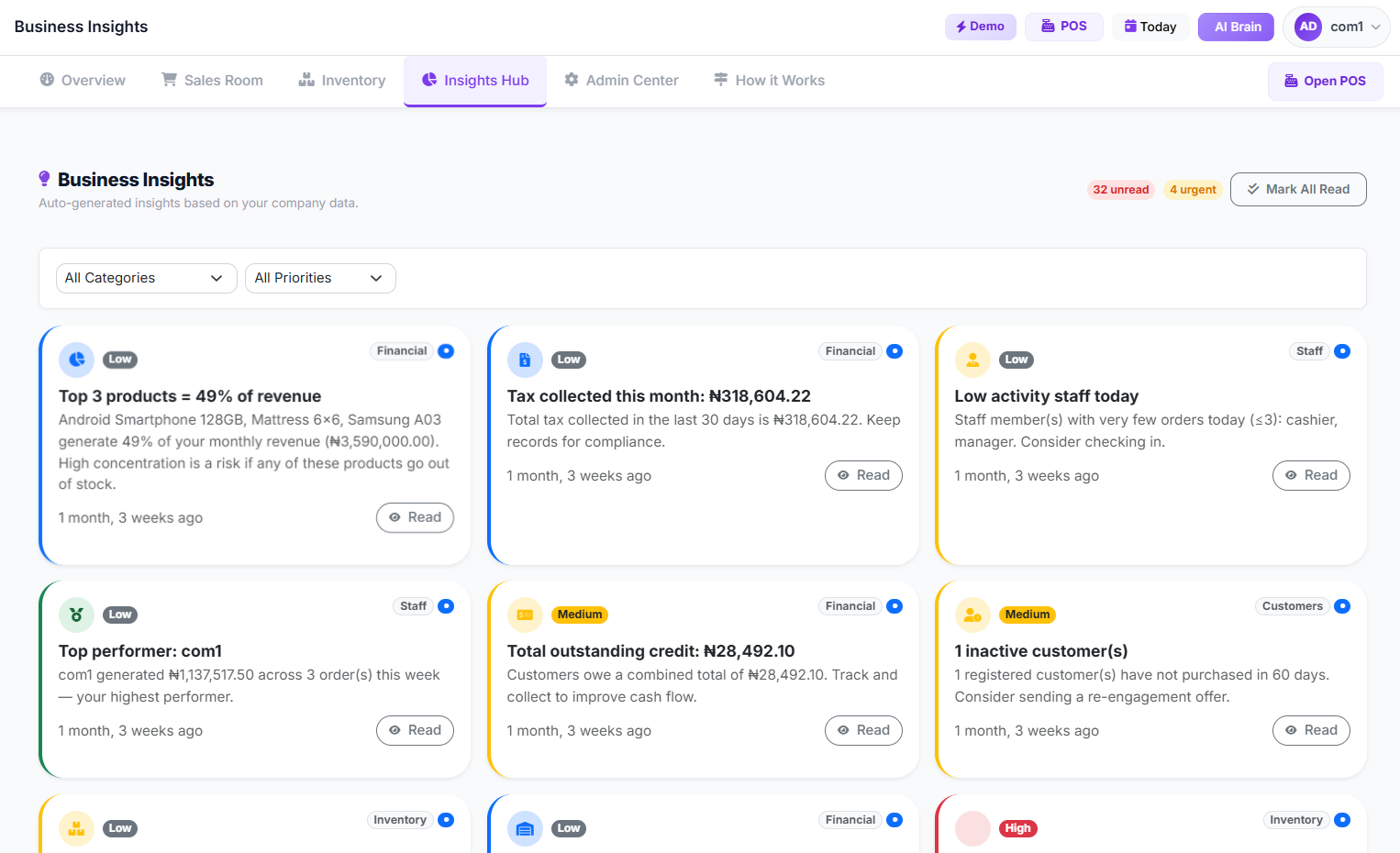 business insights, track
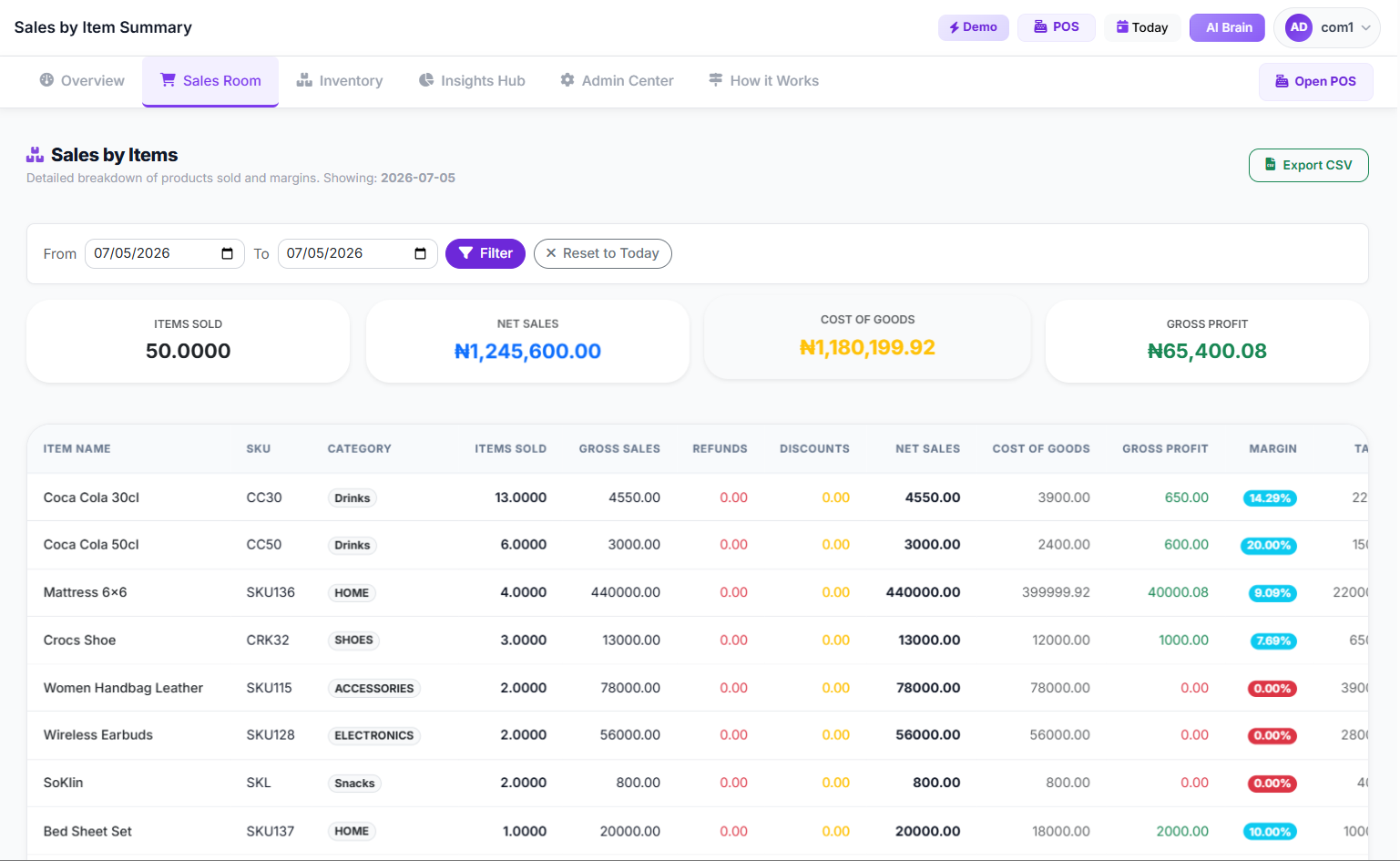 sales by item, and understand your
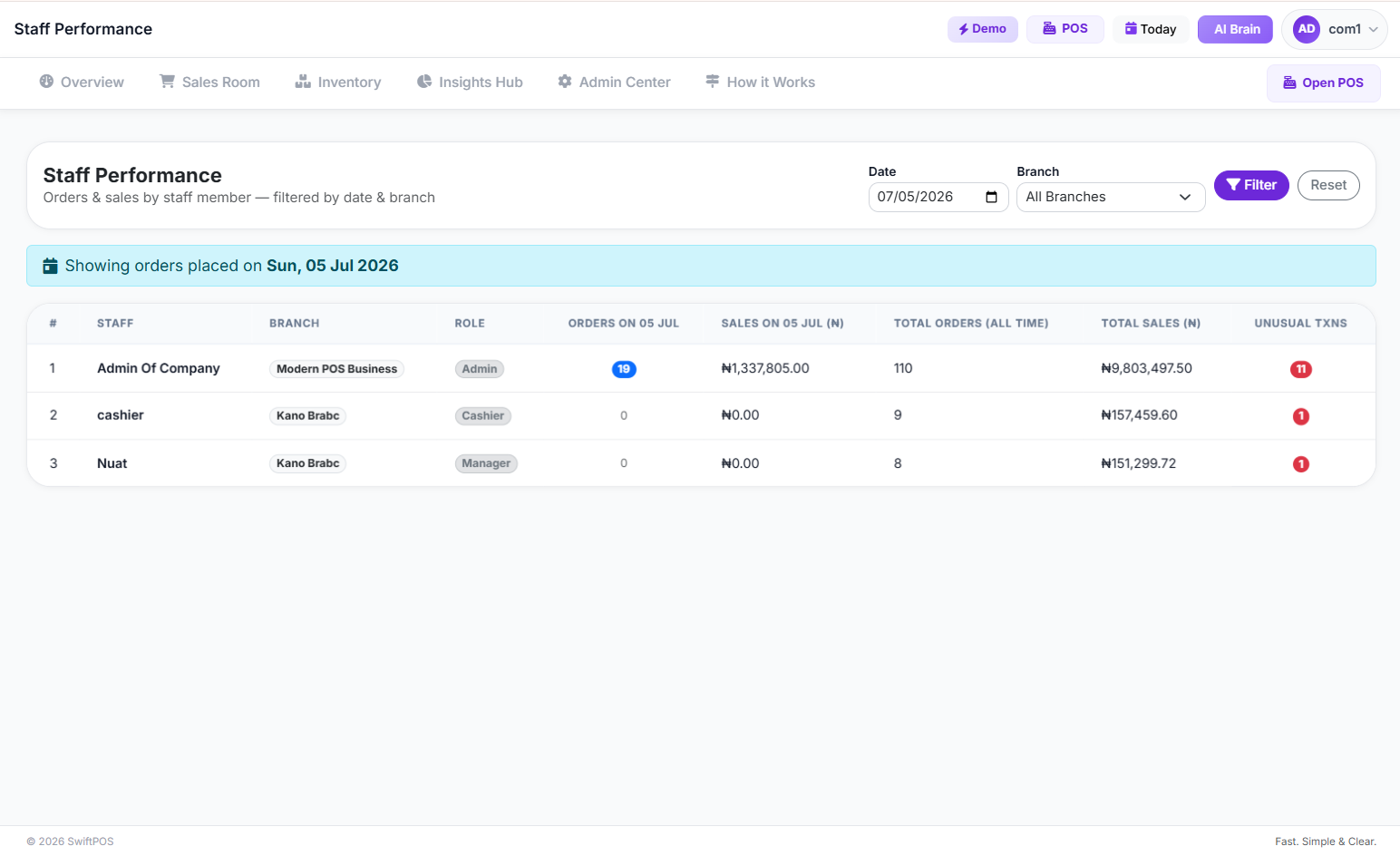 staff performance. This information helps you make quick adjustments.
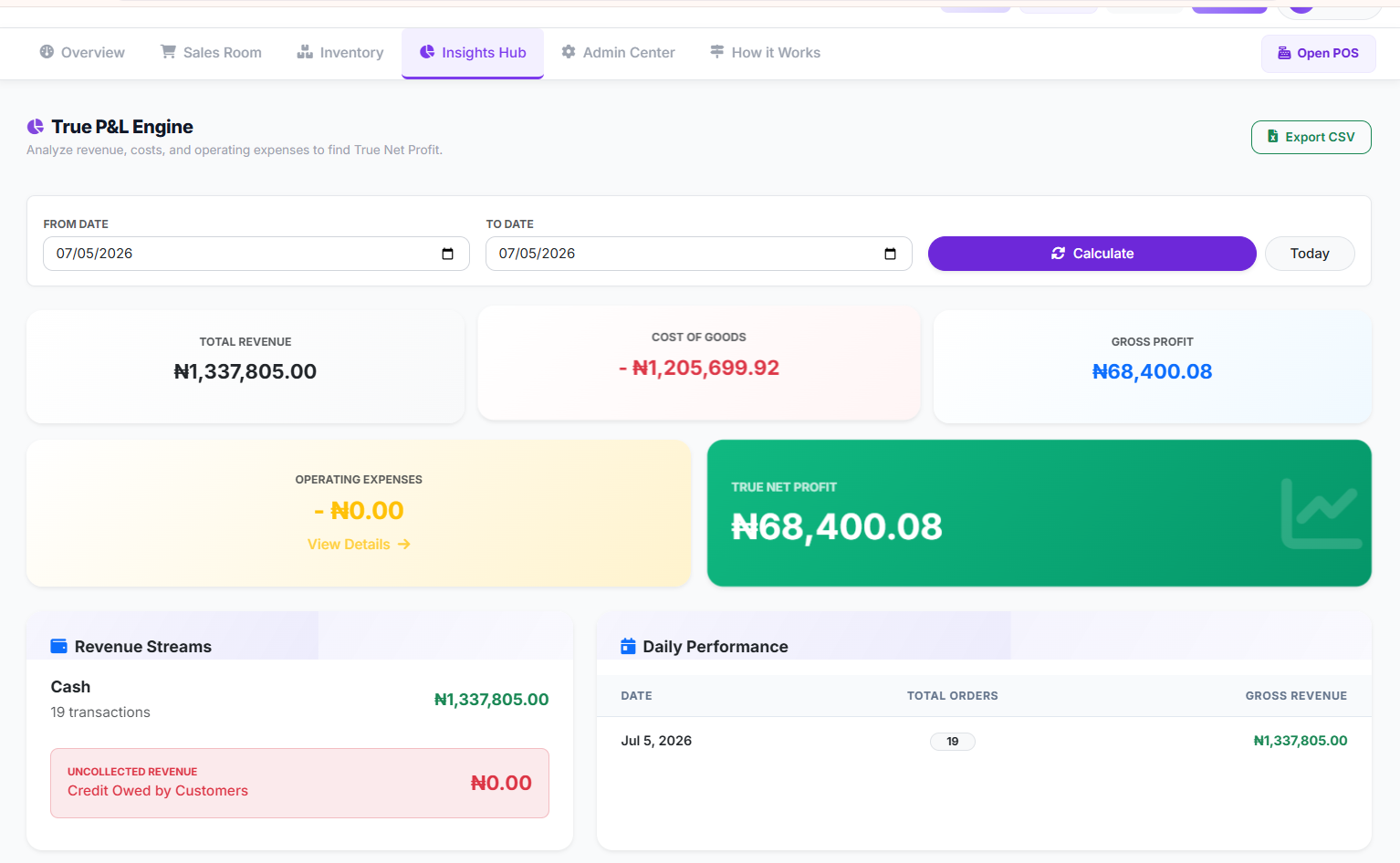 true profit and loss
- Engage with Customers: Talk to people who walk into your shop. Ask them what they like, what they don't like, what they wish you carried. Their feedback is gold. Build a customer base. Offer loyalty programs. Remember, repeat customers are cheaper to acquire than new ones.
- Optimize Inventory: Based on your sales data, adjust your stock. Don't overstock slow-moving items and miss out on popular ones. Use tools that give you to predict when you need to reorder. This prevents losses from expired goods or missed sales opportunities. You can learn more about avoiding inventory management mistakes crushing your profits.
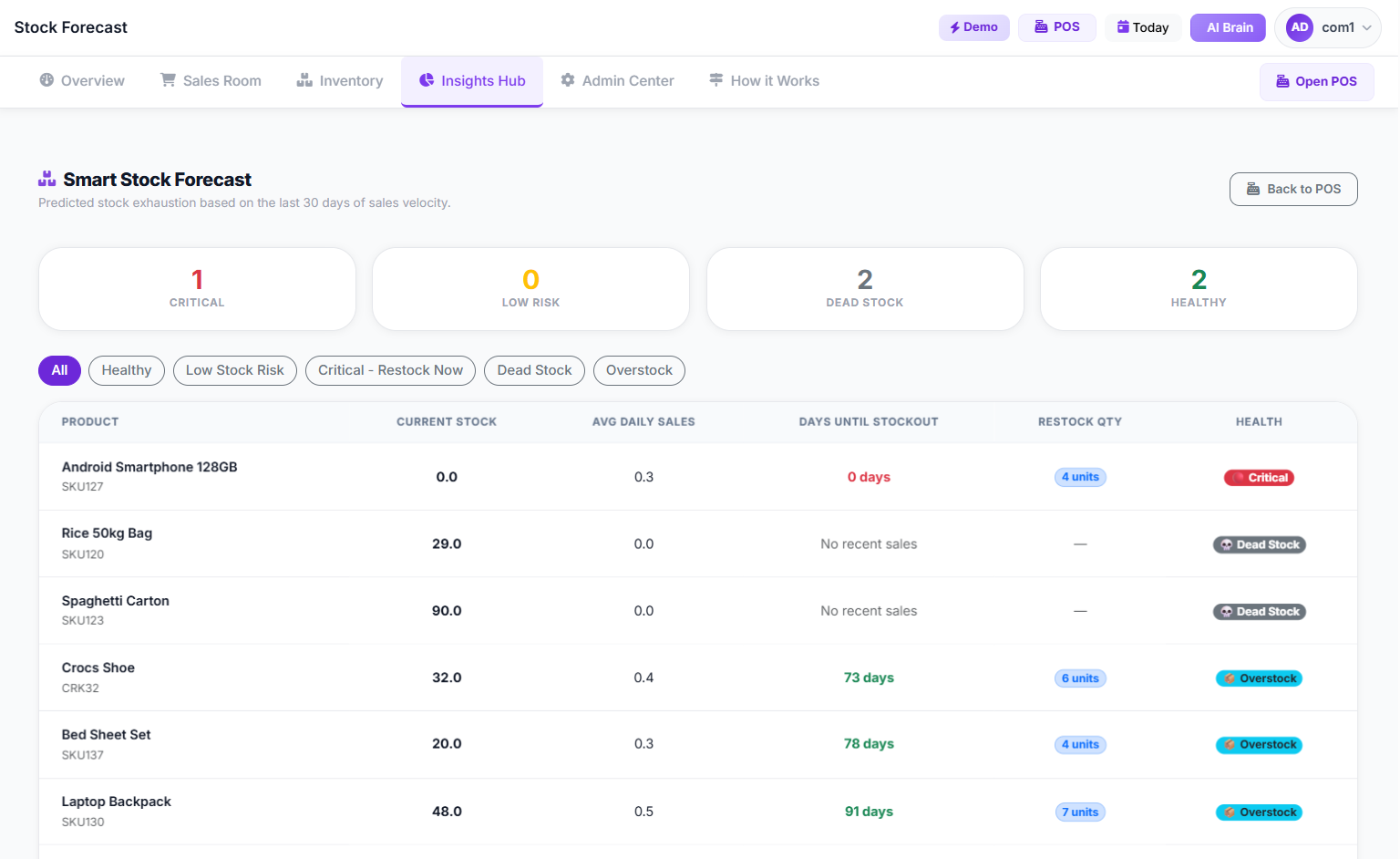 stock forecasts
- Refine Operations: Look for inefficiencies. Is the checkout process too slow? Are staff roles clear? Is your generator consuming too much fuel? Small improvements can lead to significant savings and better customer experience.
- Manage Expenses Diligently: Keep a tight rein on your expenses. Record every single naira spent. Categorize them. This is crucial for understanding your true net profit. SwiftPOS NG's feature helps you track where your money is going, giving you a clearer picture of your financial health.
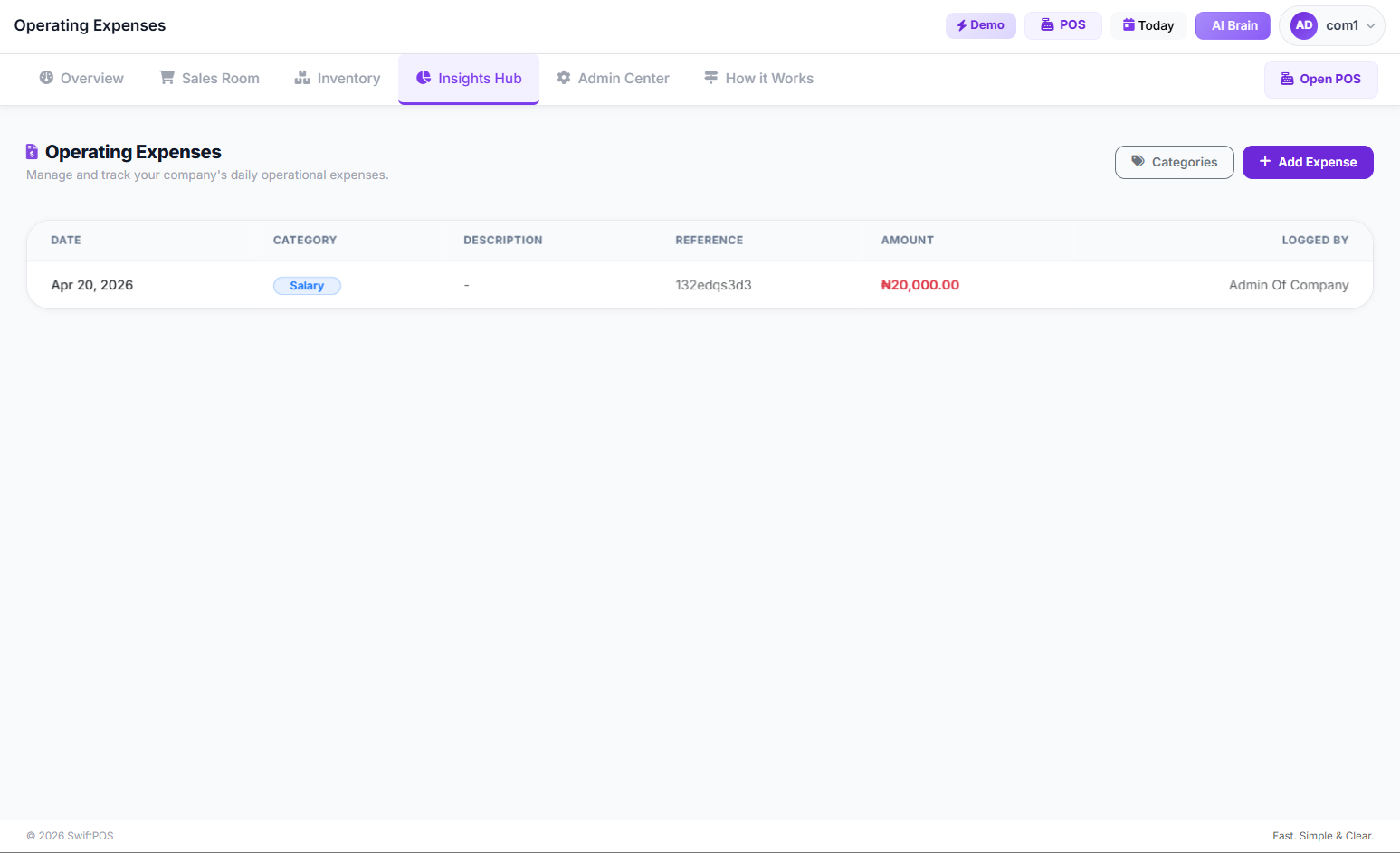 expense management
 A small business owner reviewing sales data on
FAQ: Answers to What You're Actually Googling
Q1: Is it better to choose a location with high foot traffic or lower rent in Nigeria?
It depends entirely on your business model and product. For a provision store or pharmacy selling daily essentials, high foot traffic in a residential area, even with slightly higher rent, often makes sense because you need volume. For a niche boutique selling luxury items, a slightly less busy but more upscale street with lower rent might be better, as your customers are seeking a specific experience and are willing to travel. Never choose a location based on just one factor. Always do a cost-benefit analysis.
Q2: How much should I budget for annual shop rent in a busy city like Lagos or Abuja?
For a mid-tier commercial area in a busy Lagos suburb like Surulere or Ikeja, you're looking at ₦500,000 to ₦1,500,000 annually. If you're eyeing prime commercial spots on Lagos Island (like Victoria Island or Ikoyi) or in the heart of Abuja FCT, annual rent can easily hit ₦2,000,000 to ₦5,000,000+. Remember, this is just the rent. Factor in agency fees, legal fees, and caution deposits, which can add another 20-40% to that initial outlay.
Q3: What permits do I need from the local government for my retail location in Nigeria?
Generally, you'll need a Local Government Business Permit/License. The cost varies by local government area and type of business, ranging from ₦5,000 to ₦50,000 annually. You might also need a Signage Permit if you plan to put up a sign. For food-related businesses, a Health Certificate or Food Handler's Permit from the local health authority is mandatory. Always visit your specific local government office to get the exact requirements for your type of shop business.
Q4: Should I consider a location in a shopping mall or a standalone shop?
Shopping malls offer guaranteed foot traffic, security, and often better infrastructure (power, water, sanitation). However, mall rents are significantly higher, and you're usually bound by strict rules regarding operating hours and signage. A standalone shop gives you more flexibility and control over your brand, operating hours, and often lower rent. But you're solely responsible for attracting traffic, security, and all infrastructure. For small businesses, starting with a standalone shop often provides more control over costs and operations. You can scale to a mall later if your business model proves successful.
Q5: What's the biggest mistake Nigerian retailers make when choosing a shop location?
The biggest mistake is making a decision based on emotion or incomplete information, usually driven by perceived high foot traffic without understanding the quality of that traffic or the true cost of the location. Many also fail to factor in all the hidden costs beyond just rent – agency fees, legal fees, caution deposits, generator, and renovation. This leads to undercapitalization and quick collapse. You need to do your research, crunch all the numbers, and prioritize your target customer above all else when choosing business location.
Ready? Here's Where to Start
Choosing a shop location in Nigeria is a journey, not a sprint. It demands research, patience, and a clear understanding of your business. Don't rush it. Take your time, follow these steps, and you'll dramatically increase your chances of success.
And as you grow, remember that managing your shop efficiently is just as important as where it's located. A good location brings customers in, but smart management keeps them coming back and keeps your profits healthy. If you're ready to move beyond manual record-keeping and get real-time insights into your sales, stock, and expenses, check out SwiftPOS NG. It's built for Nigerian retailers like you, helping you manage everything from a single system. Start your free 14-day trial today and see how easy it is to manage your business with confidence. You can also explore our features and benefits to understand how we can help you thrive.