How Much Rent Can a Shop Afford? Calculating Your Retail Lease Budget
SwiftPOS Team
Published November 02, 2026

₦60,000. That's the lowest annual shop rent you might find for a basic stall in a remote Nigerian town in 2026. On the flip side, some prime retail spaces in Lagos or Abuja demand upwards of ₦5,000,000 annually. That staggering difference highlights why understanding How Much Rent Can a Shop Afford? Calculating Your Retail Lease Budget isn't just a good idea; it's absolutely critical for any Nigerian business owner. Get this wrong, and you're fighting an uphill battle from day one. Your retail expenses, especially your shop rent, can make or break your business, and setting a realistic business rent budget is foundational to long-term profitability.
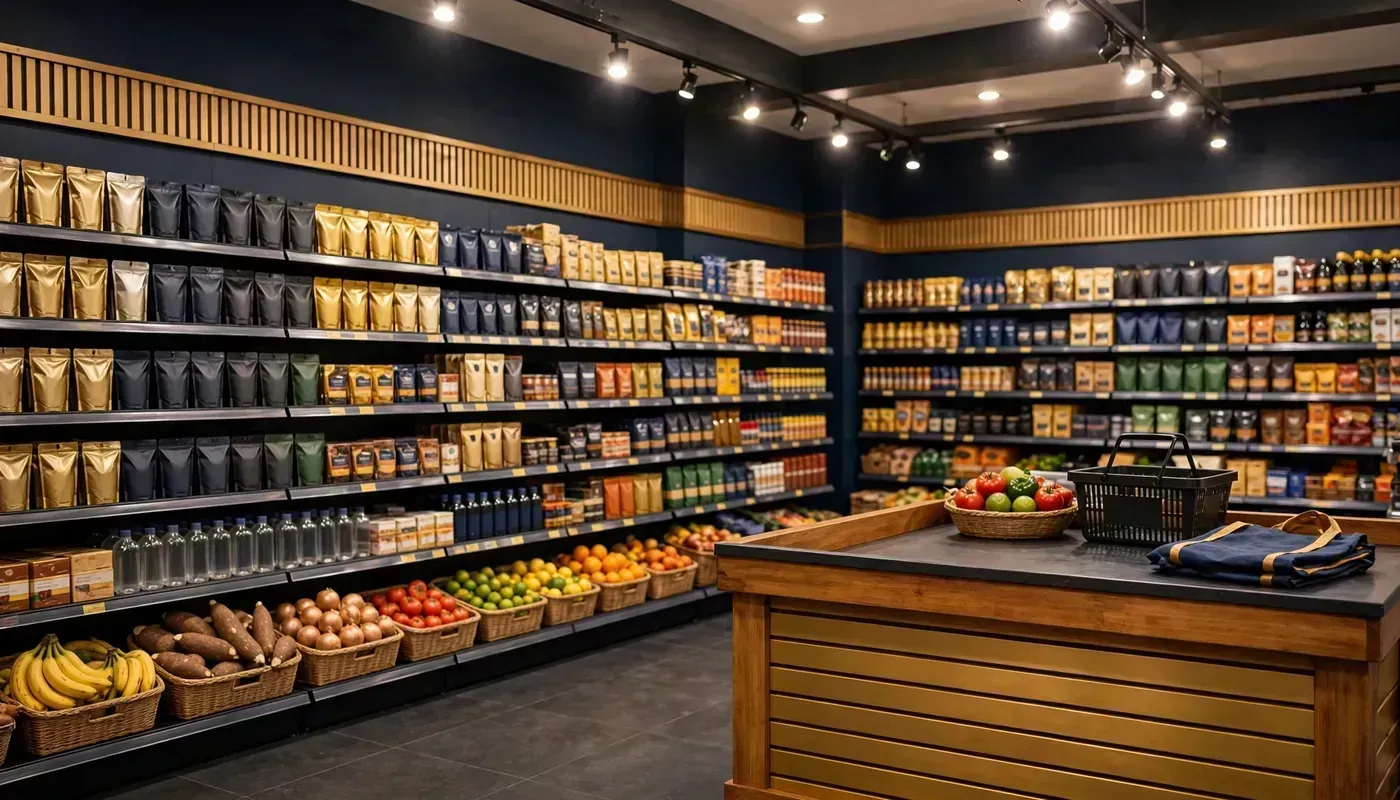
A small bustling provision store in a nigerianThe Honest Breakdown: What This Actually Costs
Let's be honest about this: rent isn't just the sticker price on the landlord's sign. There are layers to this onion, and if you don't peel them back, you'll find yourself crying when the bills start rolling in. When we talk about your shop startup cost, the initial outlay for your retail space can be shocking.
First, you have the annual rent itself. This is what most people focus on, but it's only one piece.
- Annual Shop Rent (Small Town/Rural): Expect to pay anywhere from ₦60,000 to ₦150,000. Think a small kiosk in a local market in Osogbo or a modest provision store in a developing area.
- Annual Shop Rent (Neighborhood/Mid-City): For a decent-sized shop in a busy neighborhood in Ibadan or Port Harcourt, you're looking at ₦250,000 to ₦800,000. This gives you better foot traffic, maybe a bit more space.
- Annual Shop Rent (Prime Urban Location - e.g., Lagos Island, Abuja CBD): This is where it gets serious. ₦1,500,000 to ₦5,000,000+ per year for high visibility in places like Balogun Market or a choice spot in Wuse II. These locations promise traffic, but they also demand a hefty premium.
- Initial Security Deposit: Landlords typically ask for 1 to 2 years' rent upfront as a deposit. So, if your annual rent is ₦500,000, you might need to cough up an additional ₦500,000 to ₦1,000,000 just for the deposit. This isn't an expense, but it's a significant chunk of cash you need readily available. It can range from ₦60,000 to ₦10,000,000 depending on the rent.
- Legal Fees for Lease Agreement: Don't skip the legalities! A proper lease agreement protects you. Budget ₦30,000 to ₦150,000 for this one-time cost. It's an investment in peace of mind.
- Agency Fees: If you used a real estate agent (and let's be real, most of us do), they'll expect their cut. This is usually around 10% of the annual rent, paid once. So, for a ₦800,000 annual rent, prepare to pay an additional ₦80,000. These fees can range from ₦6,000 to ₦500,000.
The Income Side: What You Can Realistically Earn
Now that we've grimaced at the costs, let's talk about how to cover them. Your income is the engine that drives your business, and understanding your potential revenue and profit margins is how you determine your true business rent budget.
- Monthly Revenue (Small Scale): A local market stall or a small town shop might pull in ₦150,000 to ₦400,000 per month. This is your starting point.
- Monthly Revenue (Medium Scale): A busy neighborhood shop or a mid-sized city retail outlet can expect ₦500,000 to ₦1,500,000 in monthly revenue. This is where you start to see real growth.
- Monthly Revenue (High Scale): For those prime locations in Lagos or Abuja, or a specialized retail business, monthly revenue can hit ₦2,000,000 to ₦5,000,000+. That's the dream, right?
So, if your provision store in Surulere makes ₦800,000 in monthly revenue with a 20% gross profit margin, you're looking at ₦160,000 in gross profit. This ₦160,000 is what you have to cover all your operating expenses, including rent.
Timeline to Break Even: This is the golden question. How long until your business starts making more than it costs to run? It heavily depends on your initial startup costs and your monthly profitability. If your total startup cost (including initial rent, deposit, renovation, initial stock) is ₦3,000,000 and you consistently make ₦200,000 in net profit each month, it would take you 15 months just to break even on your initial investment. That's over a year before you actually start seeing "profit" in your pocket. This is why a precise shop rent calculation is non-negotiable.
The Hidden Costs Nobody Mentions
Alright, let's get into the nitty-gritty, the things that quietly eat into your profits and can derail your carefully planned business rent budget. These are the costs that don't always appear on a neat spreadsheet but are very real.
- Generator Fuel (Monthly): In Nigeria, consistent power is a luxury, not a given. Your generator is your lifeline, and that lifeline needs fuel. This can range from ₦20,000 to ₦100,000 monthly, depending on your hours of operation and the generator's size. That's a huge, unavoidable retail expense. I once worked with a pharmacy in Ikeja that nearly went under because they underestimated their diesel consumption during peak dry season.
- Staff Salary (Per Person, Monthly): Even if it's just one sales assistant, that's a fixed cost. Expect to pay ₦40,000 to ₦80,000 per person monthly. If you have two staff, that's already ₦80,000 to ₦160,000 gone before you factor in anything else.
- Utility Costs (Monthly): Electricity bills (even with a generator), water, waste collection – these add up. Budget ₦10,000 to ₦50,000 monthly.
- Miscellaneous Expenses (Monthly): Transportation for stock, minor repairs, cleaning supplies, internet data for your POS, occasional permit renewals. These small costs can easily hit ₦5,000 to ₦25,000 monthly. Don't wave them off; they accumulate.
- Seasonal Fluctuations: Is your business seasonal? A boutique selling festive wear might boom during December but struggle in June. How will you cover your fixed shop rent during the lean months? This requires careful financial planning and a robust cash reserve.
- The Costs of Not Having a System: This is the big one. Manual record-keeping, reliance on paper ledgers, or even basic Excel sheets lead to errors, theft, and lost sales.
- Shrinkage: Without proper inventory tracking, you lose stock to theft (both internal and external) and spoilage. This is a silent killer of profits. I've seen provision stores lose up to 10-15% of their stock value annually due to poor management.
- Expired Goods: Especially for pharmacies and food businesses, selling or holding expired products is a direct loss.
- Lost Sales: If you don't know what's in stock, you can't sell it. Customers walk away, and that's revenue gone.
- Wasted Time: Hours spent manually counting stock, reconciling cash, or hunting for pricing errors are hours you're not spending growing your business. Time is money, especially for a small business owner.
<br>
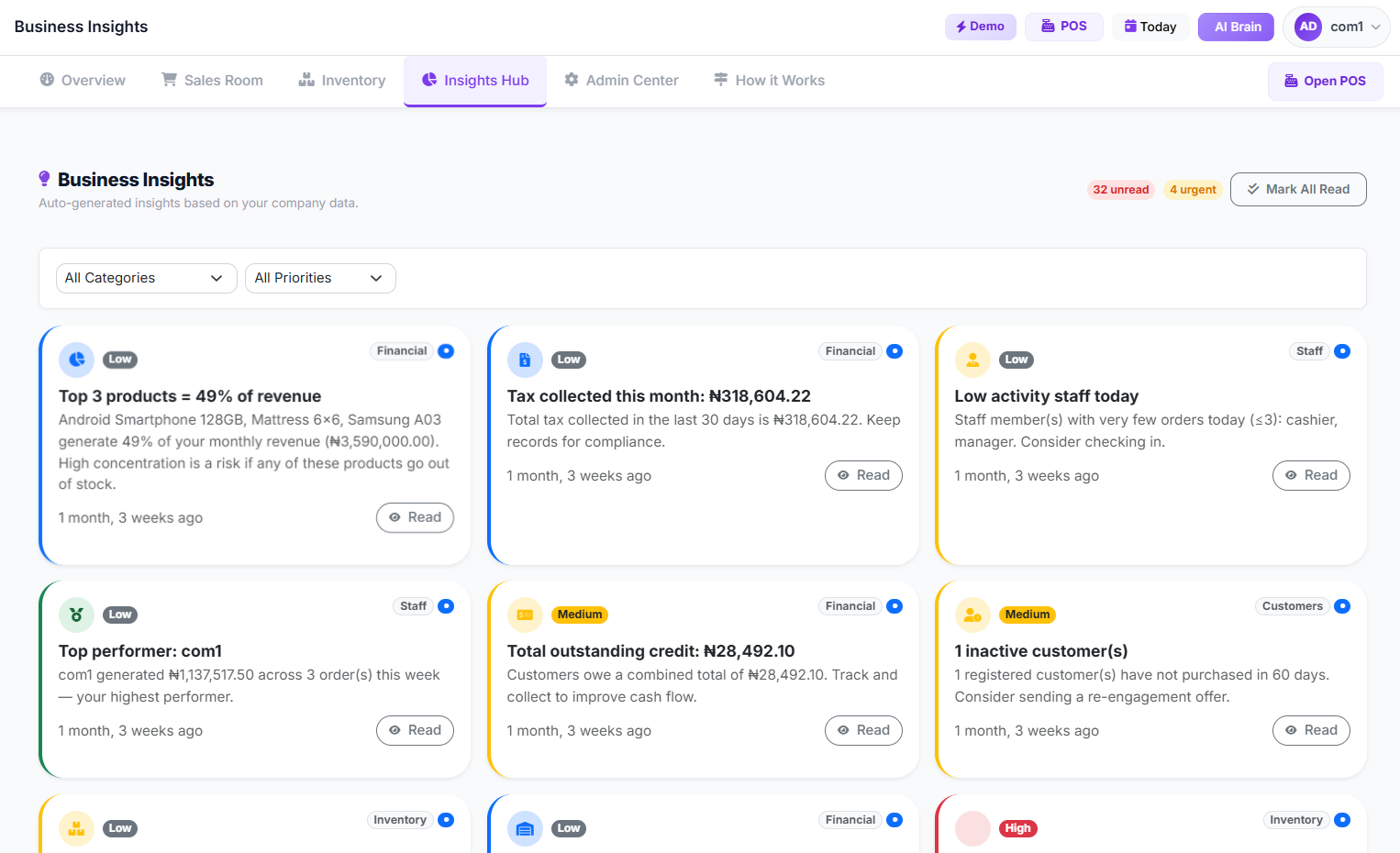 A SwiftPOS dashboard showing sales transactions and profits
<br>
How Successful Nigerian Business Owners Control These Numbers
So, how do you manage all these costs, especially that hefty retail expense called rent? It's not magic, it's strategy and discipline. Successful Nigerian business owners don't just hope for the best; they plan for the worst and optimize for the best.
- Know Your Numbers, Down to the Last Kobo: This isn't optional. You must know your daily sales, your weekly expenses, and your monthly profit margins. Many small business owners shy away from this, preferring to "eye-ball" things. That's a recipe for disaster. You need to track everything, from the smallest expense to your biggest sale.
- Budget Aggressively, Review Frequently: Create a detailed budget for all your retail expenses, including a realistic shop rent figure. Don't just set it and forget it. Review it weekly, especially in the first year. Are you overspending on generator fuel? Are staff salaries disproportionate to your sales? Adjust as needed. This constant review is crucial.
- Optimize Inventory Management: This is a huge one for profitability.
- Reduce Dead Stock: Those items sitting on your shelves for months? They're tying up your capital and costing you money. Use a system to identify slow-moving items and clear them out, even at a discount.
- Prevent Stockouts: Running out of popular items means lost sales. Forecast demand accurately.
- Minimize Shrinkage: Implement strict inventory controls. Every item in and out should be recorded.
- Negotiate Your Lease Smartly: Don't just accept the first rent figure. Negotiate! Especially if you're willing to sign a longer lease or pay a larger deposit upfront. Ask about escalation clauses – how much will the rent increase each year? Try to cap it. Also, inquire about service charges and who is responsible for major repairs. A good negotiation can save you hundreds of thousands over the life of your lease.
- Focus on Sales Growth and Customer Retention: More sales mean more revenue to cover your fixed costs. How can you increase sales? Offer promotions, improve customer service, expand your product range. And don't forget your existing customers. It's cheaper to retain an old customer than to acquire a new one. A system that helps you is invaluable here.
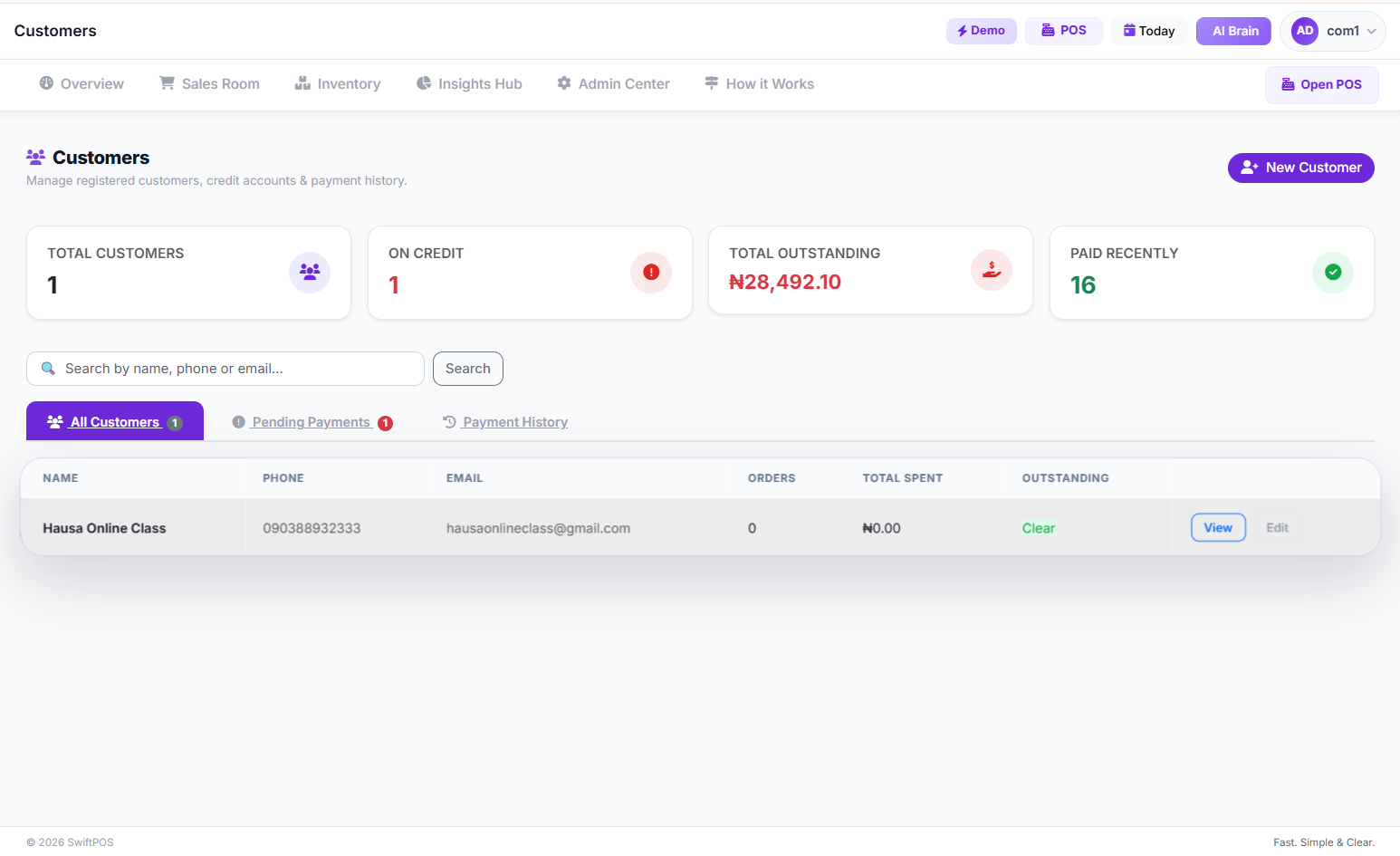 track customers and customer debts
- Leverage Technology for Efficiency: Manual operations are slow, error-prone, and costly. Think about the time a cashier spends manually writing out receipts or a storekeeper counting stock with pen and paper. That's inefficient. A robust POS system does all this automatically, freeing up your time and reducing errors. It helps you track your monthly profit margins and identify 7 revenue leaks costing Nigerian retailers thousands.
<br>
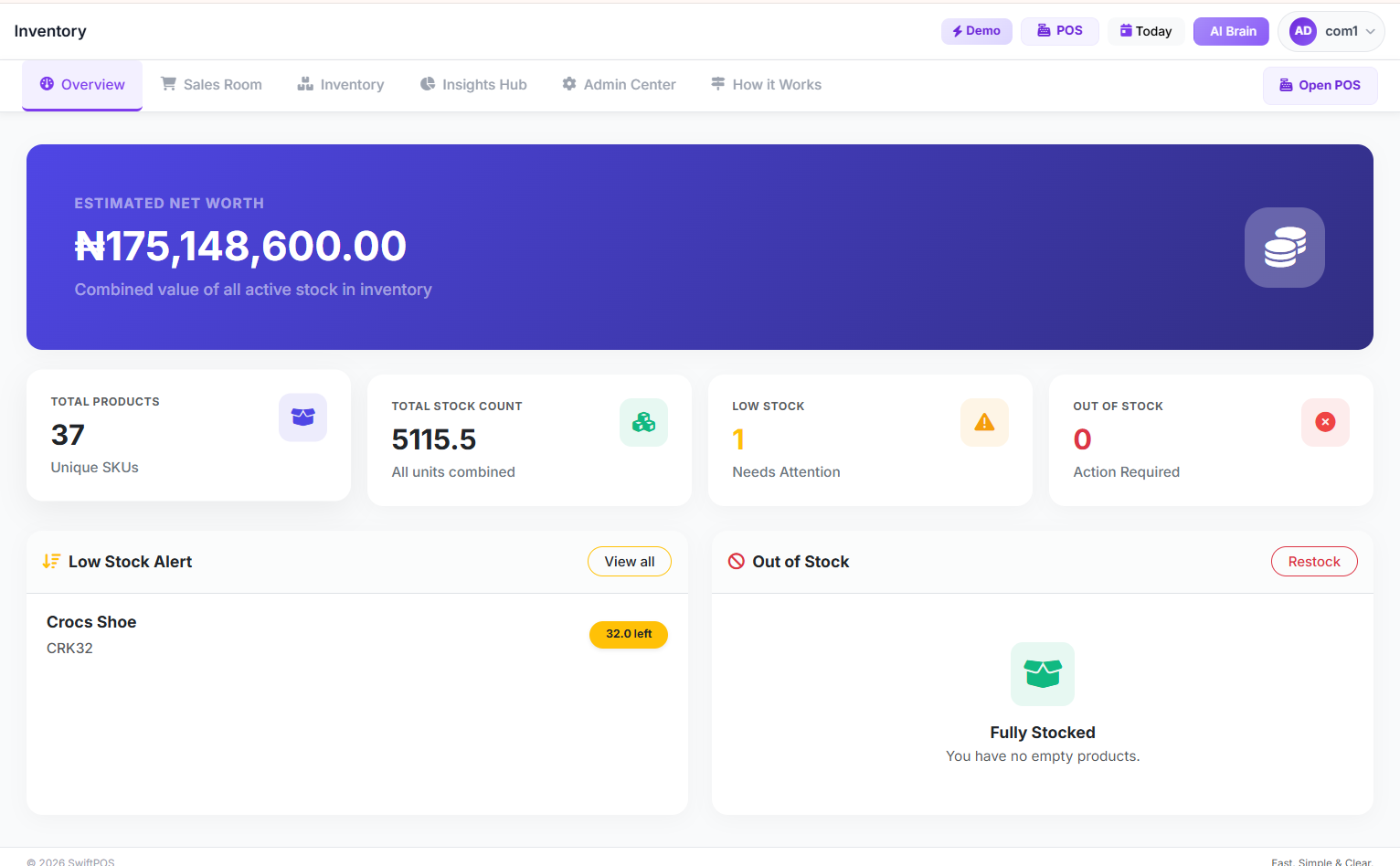 A SwiftPOS dashboard showing inventory management and stock levels
<br>
Real Comparison: Manual vs. Systemized Operations
Let's put this into perspective. Imagine two identical provision stores in a busy Lagos neighborhood, both with an annual rent of ₦700,000. One runs on manual ledgers and guesswork, the other uses a system like SwiftPOS NG.
| Cost/Benefit Item (Monthly) | Manual Operations (Estimated Impact) | Systemized Operations (Estimated Impact with SwiftPOS) |
|---|---|---|
| Revenue | ₦800,000 | ₦950,000 (15% increase from better stock, less loss) |
| Cost of Goods Sold | ₦600,000 (25% gross margin) | ₦665,000 (30% gross margin due to smart purchasing) |
| Gross Profit | ₦200,000 | ₦285,000 |
| Rent (Monthly) | ₦58,333 | ₦58,333 |
| Staff Salaries (2) | ₦120,000 | ₦120,000 |
| Generator Fuel | ₦60,000 | ₦50,000 (Better power management) |
| Utilities | ₦25,000 | ₦20,000 |
| Miscellaneous | ₦15,000 | ₦10,000 (Reduced errors, better tracking) |
| Hidden Losses (Shrinkage, expired stock, errors) | ₦40,000 (5% of revenue) | ₦5,000 (Less than 1% of revenue) |
| Time Cost (Owner's time) | ₦50,000 (Valued at ₦2,500/hr, 20 hrs lost) | ₦10,000 (4 hrs lost) |
| Total Expenses | ₦368,333 | ₦273,333 |
| Net Profit (Before Tax) | -₦168,333 (LOSS!) | ₦11,667 (PROFIT!) |
This comparison is eye-opening, isn't it? The manual operation, despite generating decent revenue, is actually losing money every month, largely due to inefficiencies and hidden costs. The systemized store, even with similar fixed costs, turns a profit by optimizing every aspect. This isn't just about having a POS system; it's about having a comprehensive tool that helps you understand your true net profit after operating expenses. You can see how SwiftPOS helps businesses track their expenses and calculate profit and loss
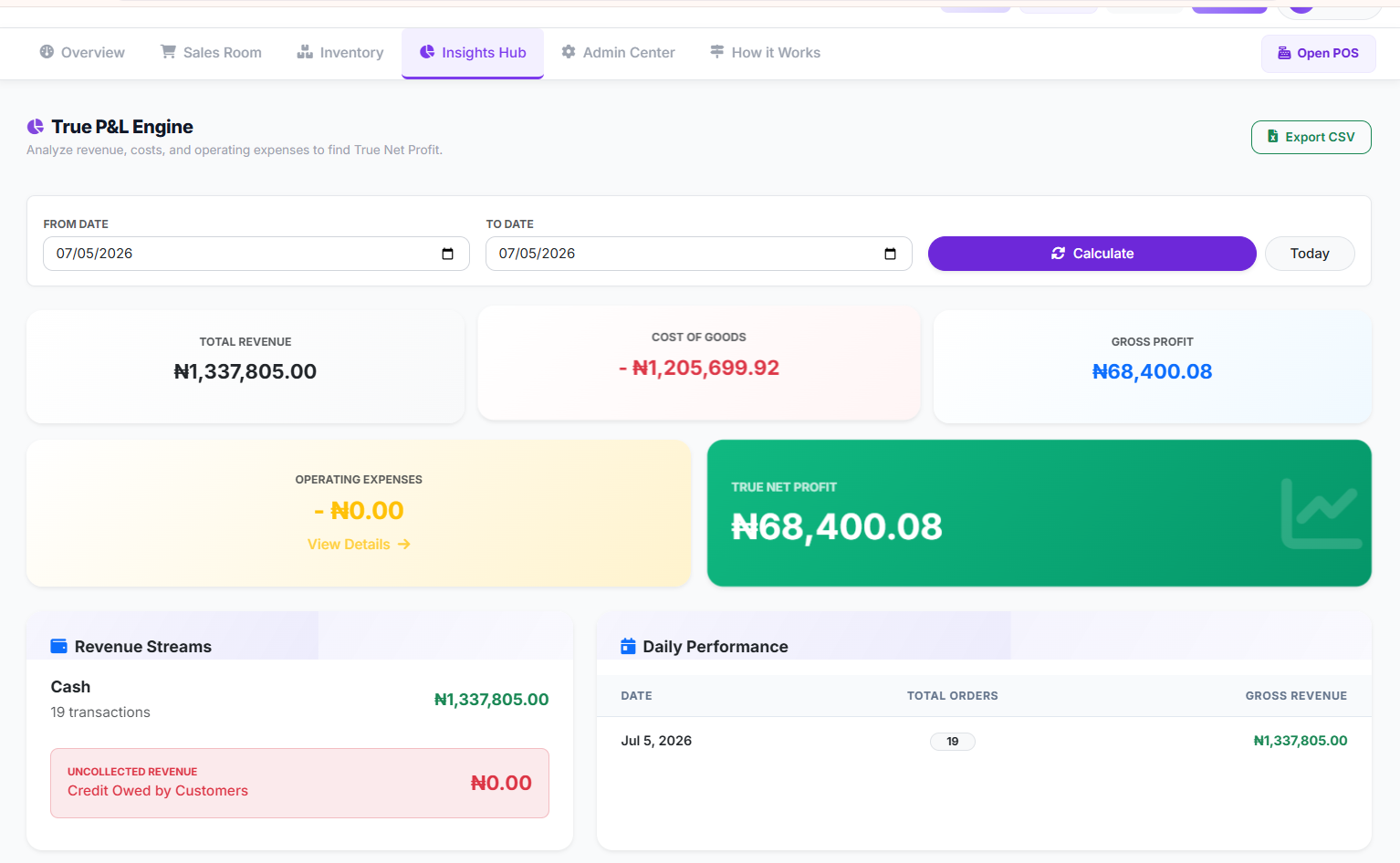 here
Frequently Asked Financial Questions
Navigating the financial landscape of retail in Nigeria can be tricky. Here are some common questions I get about managing your retail expenses and setting your business rent budget.
How do I know if my shop rent is too high?
A common rule of thumb is that your rent (including service charges) shouldn't exceed 10-15% of your gross revenue. For a new business, you might stretch this to 20% in the first year, but you need a clear plan to bring it down. If your rent is consistently eating up more than 15-20% of your gross revenue, it's likely too high, or your sales aren't where they should be. Revisit your shop rent calculations and projections immediately.
What if I can't afford a prime location's rent initially?
Start small, grow big. Many successful businesses in Nigeria began in less-than-prime locations, building a customer base and reputation before upgrading. Focus on a location you can comfortably afford within your business rent budget, even if it means slightly less foot traffic. Then, invest in excellent customer service, online presence, and word-of-mouth marketing to draw customers in. Remember, a cheaper rent means more capital to invest in inventory, marketing, or even staff training.
How can I reduce my overall retail expenses, not just rent?
Beyond rent, focus on your biggest variable costs. Can you negotiate better deals with suppliers? Are your utility costs optimized (e.g., energy-efficient appliances, turning off lights when not needed)? Can you reduce generator run-time by leveraging public power more efficiently? Staffing costs are also a big one – ensure your team is productive and efficient. And crucially, reduce losses from theft and waste through better inventory management. Check out our guide on how to increase sales in your retail shop for more ideas.
Should I pay for a full year of rent upfront if I can?
If you have the capital, paying a full year's rent (or even two years if the landlord offers a discount) can sometimes be a smart move. It removes a significant monthly fixed cost, improving your cash flow and giving you peace of mind for a longer period. However, ensure you still have enough working capital left for inventory, salaries, and other operating expenses. Don't drain your reserves just for rent. Always weigh the benefit against your overall cash position.
How does proper financial tracking help with my shop rent affordability?
When you precisely track every naira in and out, you gain an invaluable understanding of your business's true financial health. You can see exactly how much gross profit you're making, what your operating expenses are, and what your net profit is. This clarity allows you to:
- Justify your rent: If you're consistently making good profit, your rent is affordable.
- Identify areas for improvement: If profit is low, you can pinpoint if it's due to high rent, low sales, or other expenses.
- Negotiate better: With concrete financial data, you can approach your landlord with a stronger case if you need to renegotiate terms or ask for a renewal discount.
- Make expansion decisions: Knowing your numbers helps you confidently decide if you can afford a second branch or a larger space.
A comprehensive system that helps you manage expenses and track profit and loss is key. This level of insight is exactly what SwiftPOS NG provides, allowing you to clearly see your financial position and make informed decisions about your shop rent.
Your Next Step to Financial Clarity
Look, I've seen too many brilliant business ideas crash and burn because the owners didn't get their finances right, especially when it came to understanding their retail expenses and setting a realistic business rent budget. Don't let that be you.
Your first, most critical step? Stop guessing. Stop relying on scattered notebooks or confusing spreadsheets. You need a centralized system that gives you a real-time, accurate picture of your business. This isn't about being fancy; it's about survival and growth in the Nigerian market of 2026.
I encourage you to explore tools that can simplify this for you. SwiftPOS NG is designed specifically for Nigerian retailers like you. It helps you track every sale, manage your inventory with precision, monitor all your expenses (including that hefty shop rent), and understand your true profit. It's the kind of clarity that empowers you to make smart decisions, negotiate better, and ultimately, grow your business sustainably.
Ready to take control of your numbers and ensure your shop rent is always an investment, not a burden?
- Learn more about SwiftPOS NG's features
- See our transparent pricing plans
- Start your free trial today and experience the difference true financial clarity makes.