How to Start a Retail Business in Nigeria With ₦500,000 Capital
SwiftPOS Team
Published October 27, 2026

The fluorescent lights of Mama Nkechi's provision store flickered, casting long shadows as she meticulously counted naira notes late into the night. Her head throbbed, the day's sales a blurry mix of credit given, cash received, and generator fuel expenses. She knew she'd worked hard, seen many customers, but the final tally just wasn't adding up. This struggle, this constant guessing game, is the silent killer for many who embark on how to start a retail business in Nigeria with ₦500,000 capital. It doesn't have to be your story.
A small bustling nigerian provision store with aWhy Most People Get This Wrong from Day One
Let's be honest: the Nigerian business landscape is tough. Many aspiring entrepreneurs jump in with passion and a decent sum like ₦500,000, only to discover that passion alone doesn't pay the bills. Why do so many stumble right at the starting line? It often boils down to a few critical misconceptions.
First, there's the "it's just a small shop" mentality. People think a small retail startup doesn't need proper planning, formal registration, or even digital tools. They believe that if they just open their doors in Balogun Market or Alaba International, customers will flock in and money will flow. This couldn't be further from the truth. Without a clear understanding of your market, your costs, and your legal obligations, you're building on sand.
Then there's the capital misallocation. You have ₦500,000, which feels like a lot, right? But if you don't budget meticulously, that money can vanish faster than a sachet of pure water in Lagos heat. Most people underestimate the hidden costs – the "small" things that add up. They focus heavily on initial stock, which is important, but neglect critical operational expenses or even basic business registration fees which can range from ₦15,000 to ₦35,000 for a sole proprietorship or small limited company. This oversight often leaves them cash-strapped before they even make their first significant sale.
Lastly, and this is crucial, many operate without any real system. They use exercise books, mental notes, or flimsy spreadsheets to track inventory, sales, and customer debts. "My memory is sharp," they'll tell you. But when you have 50 different items, customers taking goods on credit, and daily expenses for generator fuel or transport, that sharp memory quickly becomes a blunt instrument. This manual approach is a major leak in the bucket, costing Nigerian retailers thousands in lost profits and unrecovered debts. You need to understand the true value of moving beyond traditional bookkeeping vs. POS software.
Before You Do Anything: The Foundation Work
Before you even think about buying your first batch of stock or renting a shop, you need to lay a solid foundation. This isn't just about paperwork; it's about setting yourself up for success in the competitive Nigerian retail space.
- Market Research & Niche Selection (Budget: Minimal, Time: 1-2 weeks):
- Business Registration (Budget: ₦15,000 - ₦35,000, Time: 2-4 weeks):
- Crafting Your Business Plan (Budget: Free - ₦10,000 for templates/guidance, Time: 1-2 weeks):
- Securing Your Location (Budget: ₦80,000 - ₦1,500,000 annually + deposits, Time: 2-6 weeks):
- Local Government Levy/Permits (Budget: ₦5,000 - ₦25,000 annually, Time: 1-2 weeks):
The Step-by-Step Path (What Actually Works)
Alright, foundation laid. Now, let's get into the practical steps to get your retail business up and running effectively, even with a ₦500,000 capital.
Step 1: Stock Your Shelves Smartly
What to do: Purchase your initial inventory. This is usually the biggest single expense after rent. Focus on fast-moving consumer goods (FMCGs) if you're a provision store, or high-demand items if you're in electronics or fashion. Start small, but diverse. Your initial stock purchase could range from ₦150,000 to ₦350,000, depending on what you're selling and where you're sourcing from. A boutique selling ready-to-wear might spend more per item but fewer items, while a provision store needs a wide variety of cheaper goods.
Why it matters: Your inventory is your lifeblood. Without products, you have no business. However, overstocking on slow-moving items ties up your capital, leading to cash flow problems. Understocking means lost sales. It's a delicate balance.
Common shortcut that backfires: Buying too much of one thing because you got a "deal." That "deal" becomes a liability if the products don't sell quickly. Resist the urge to fill your shop to the brim just for appearance.
Action Item: Create a detailed list of essential products. Visit wholesalers in Alaba, Onitsha Main Market, or Kano textile market. Negotiate prices. Aim for a 60-70% stock utilization of your remaining capital after rent and basic setup.
Step 2: Equip Your Shop for Functionality
What to do: Get your basic shop fittings. This includes shelves, a counter, and maybe a display cabinet. Locally fabricated options or second-hand items can save you a lot of money, costing anywhere from ₦40,000 to ₦120,000 for basic fittings. Don't forget a small "I-pass-my-neighbour" generator, which is practically non-negotiable for power stability in Nigeria, costing ₦60,000 - ₦120,000.
Why it matters: A well-organized shop makes it easier for customers to browse and for you to manage your stock. A functional space boosts efficiency and customer experience.
Common shortcut that backfires: Postponing essential equipment like a generator. You'll quickly discover that unreliable power means lost sales, spoiled goods (if applicable), and frustrated customers. It's a false economy to save money here.
Action Item: Source local carpenters or metal fabricators for shelves. Check online marketplaces for second-hand display units. Buy a reliable, small generator that meets your power needs.
Step 3: Set Up Your Sales and Inventory System (This is where you differentiate)
What to do: Ditch the paper and spreadsheets. Seriously. In 2026, relying on manual methods is like trying to drive from Lagos to Abuja with a hand-drawn map. You need a modern, efficient way to track sales, manage inventory, and understand your business performance. This is where a Point-of-Sale (POS) system comes in.
Why it matters: This isn't just about looking modern; it's about survival and growth. A good POS system helps you:
- Track sales accurately: No more guessing how much you sold today.
- Manage inventory in real-time: Know what's in stock, what's selling, and what needs reordering. This is key to avoiding inventory management mistakes crushing your profits.
- Identify best-selling products: Focus your efforts and capital on what makes you money.
- Monitor staff performance: See who's selling what and identify any suspicious activity.
- Manage customer credit: Keep a clear record of who owes you what, and when.
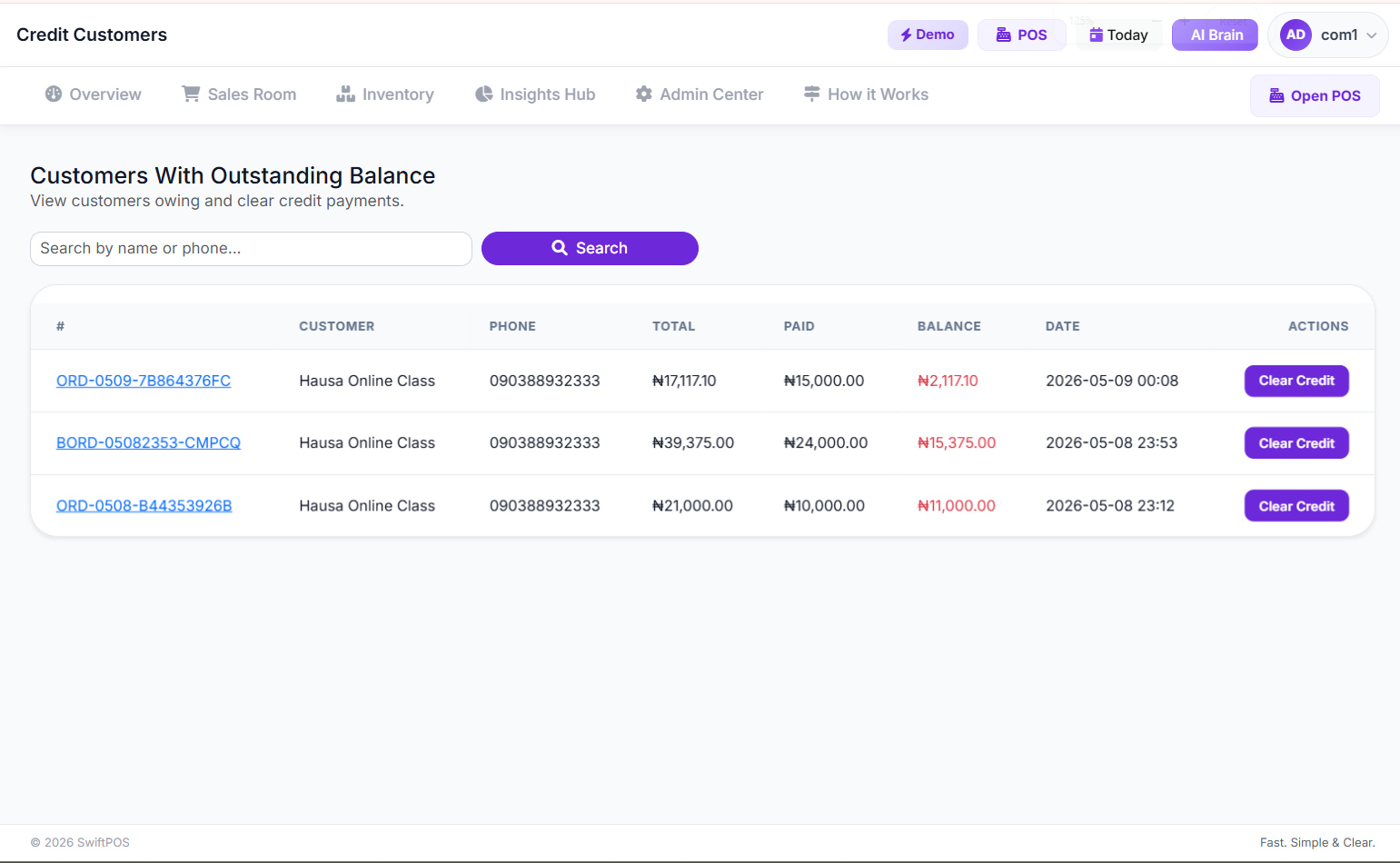 customer credit and debt
Common shortcut that backfires: Sticking to manual records because "it's cheaper." This is a classic example of hidden costs of manual retail operations. The time wasted, errors made, and lost revenue from poor inventory management or uncollected debts will far outweigh the cost of a good system.
Action Item: Invest in a reliable POS system. Many systems offer affordable subscriptions. Explore options like SwiftPOS NG, which provides a 14-day free trial. You'll need a basic POS machine (one-time purchase) for accepting card payments, which typically costs ₦25,000 - ₦50,000.
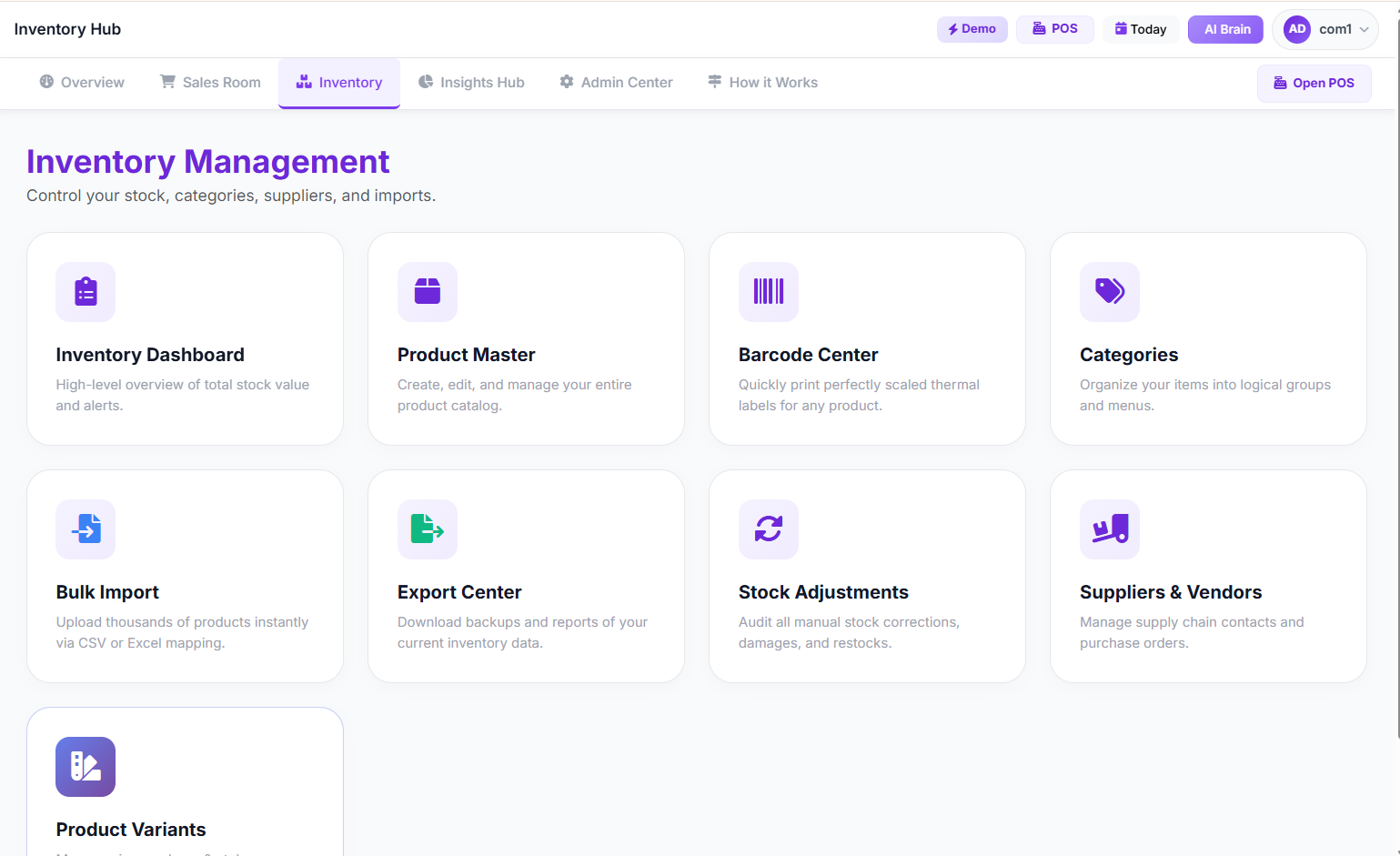 SwiftPOS Inventory Hub showing product management and stock levels
Step 4: Hire Smart (If You Need To)
What to do: If your business requires an extra pair of hands, hire one sales assistant. Be clear about their roles and responsibilities. An entry-level sales assistant might earn between ₦35,000 and ₦60,000 per month, depending on your location (Lagos vs. a smaller town).
Why it matters: Good staff can elevate your customer experience and free up your time to focus on strategic growth. Bad staff can drain your resources and damage your reputation.
Common shortcut that backfires: Hiring friends or family without clear expectations or performance metrics. While supporting loved ones is good, your business needs skilled, accountable individuals.
Action Item: Draft a simple job description. Interview candidates thoroughly. If you use a system like SwiftPOS NG, you can easily set staff access permissions to control what different employees can do, preventing theft or unauthorized actions.
Step 5: Marketing and Grand Opening
What to do: Announce your presence! A simple grand opening, flyers, local radio ads, or even targeted social media posts can generate initial buzz. Start with low-cost, high-impact marketing. Your initial miscellaneous budget (for marketing, bags, small repairs) should be around ₦10,000 - ₦30,000.
Why it matters: People need to know you exist. Even the best products won't sell if no one knows about them.
Common shortcut that backfires: Waiting for customers to "discover" you. In today's competitive market, you need to actively reach out.
Action Item: Leverage free social media platforms. Offer a small opening discount or a free gift with purchase. Engage with your local community.
The Numbers That Will Make or Break You
Let's break down the financial reality of starting a retail business with ₦500,000 in Nigeria as of 2026. This isn't just theory; these are the figures you need to confront.
Estimated Startup Costs (Initial Outlay):
- Business Registration (CAC): ₦15,000 - ₦35,000
- Shop Rent (Annual, Small Stall/Suburban): ₦80,000 - ₦300,000
- Security Deposit/Legal Fees (Rent): ₦20,000 - ₦100,000
- Local Government Levy/Permits (Annual): ₦5,000 - ₦25,000
- Basic Shop Fittings (Shelves, Counter): ₦40,000 - ₦120,000
- Generator (Small "I-pass-my-neighbour"): ₦60,000 - ₦120,000
- Initial Stock Purchase: ₦150,000 - ₦350,000
- POS Machine (One-time purchase): ₦25,000 - ₦50,000
- Miscellaneous (Initial marketing, bags, small repairs): ₦10,000 - ₦30,000
- CAC: ₦15,000
- Rent: ₦80,000
- Deposit: ₦20,000
- Levies: ₦5,000
- Fittings: ₦40,000
- Generator: ₦60,000
- Stock: ₦150,000
- POS Machine: ₦25,000
- Misc: ₦10,000
- Total Low-End Startup: ₦405,000
Now, a mid-range scenario for a slightly larger shop in a moderately busy area:
- CAC: ₦25,000
- Rent: ₦300,000
- Deposit: ₦60,000
- Levies: ₦15,000
- Fittings: ₦80,000
- Generator: ₦90,000
- Stock: ₦250,000
- POS Machine: ₦35,000
- Misc: ₦20,000
- Total Mid-Range Startup: ₦875,000
Estimated Monthly Running Costs (After Launch):
- Staff Salary (1 assistant): ₦35,000 - ₦60,000
- Monthly Electricity (Generator Fuel/PHCN): ₦15,000 - ₦40,000
- Replenishing Stock: This varies wildly, but budget at least ₦50,000 - ₦150,000 initially, growing as sales increase.
- Internet/Data: ₦5,000 - ₦10,000 (essential for cloud POS systems and communication)
- POS Software Subscription: ₦5,000 - ₦15,000 (monthly for a good system like SwiftPOS NG, depending on features)
- Miscellaneous/Buffer: ₦10,000 - ₦30,000
You need to have enough capital to cover at least 3-6 months of these running costs without relying solely on immediate sales. This means from your initial ₦500,000, after the ₦405,000 low-end startup costs, you have about ₦95,000 left. This covers less than one month of low-end running costs if you factor in stock replenishment. This is the part most people don't expect: you'll need rapid sales and quick stock turnover to survive.
Expected Revenue Timelines:
Don't expect to be profitable in month one. Most small businesses take 6-12 months to break even. Your initial sales will largely go towards covering your monthly operating costs and replenishing your fast-moving stock. Focus on consistent sales, managing your expenses tightly, and tracking every naira. This is why having a system that helps you
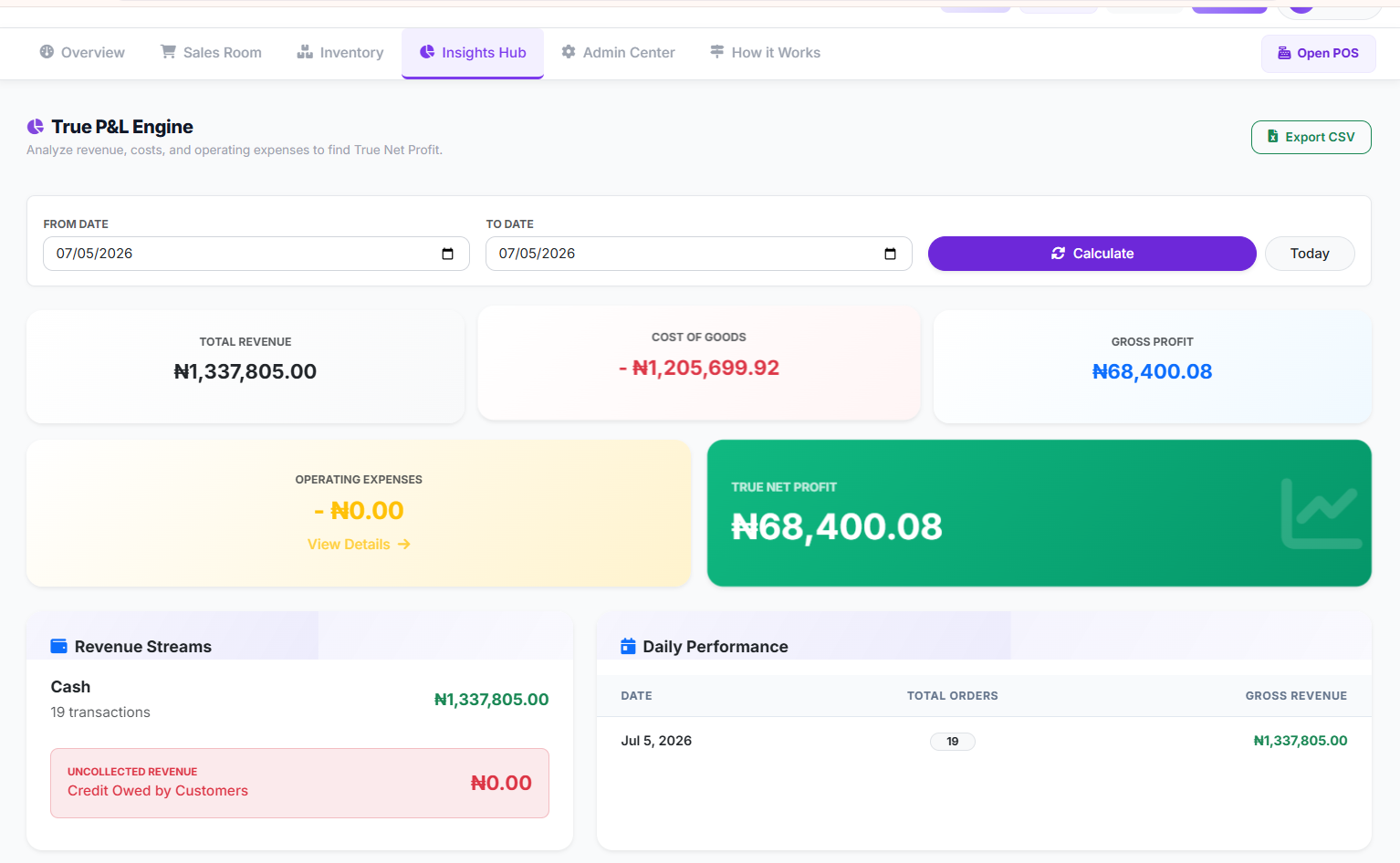 calculate gross profit and true net profit
Blockquote:
> "In Nigeria, every kobo counts. If you don't track it, you can't manage it. If you can't manage it, you'll lose it."
Growth After Launch: The Next 90 Days
The first 90 days after launching your retail business are critical. This isn't a time to relax; it's a time to observe, adapt, and grow.
- Monitor Your Sales Data Religiously: Your POS system is a goldmine of information. Look at what's selling, what's not, and at what times. Are there peak hours? Are certain products moving faster than others? This data will guide your restocking decisions and even your marketing efforts. SwiftPOS NG provides and business insights to help you understand these trends easily.
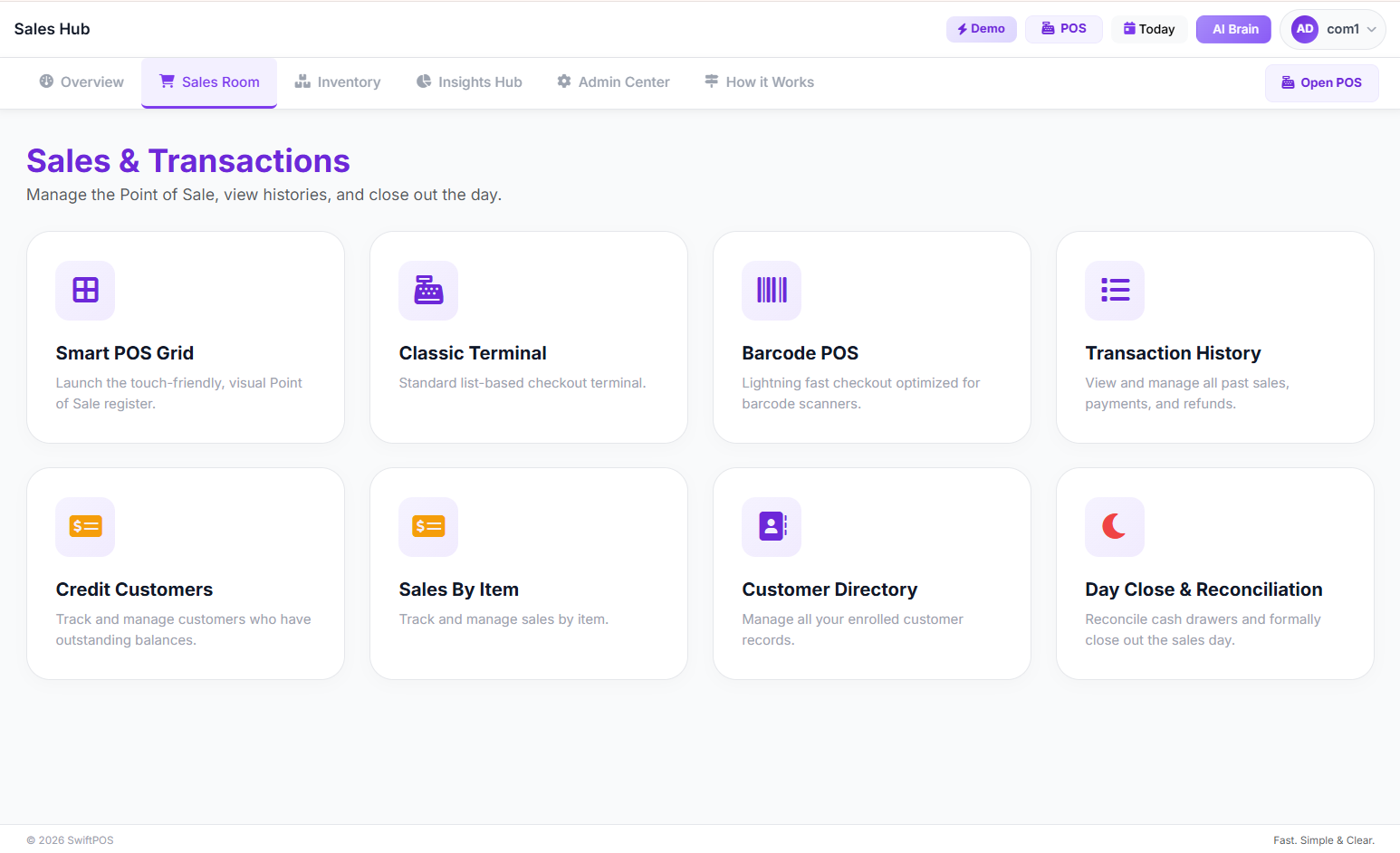 sales reporting
- Optimize Your Inventory: Based on your sales data, refine your stock. Reduce orders for slow-moving items and increase quantities for popular ones. This improves your cash flow and reduces waste. You can even use features like to predict when products might run out, ensuring you never miss a sale.
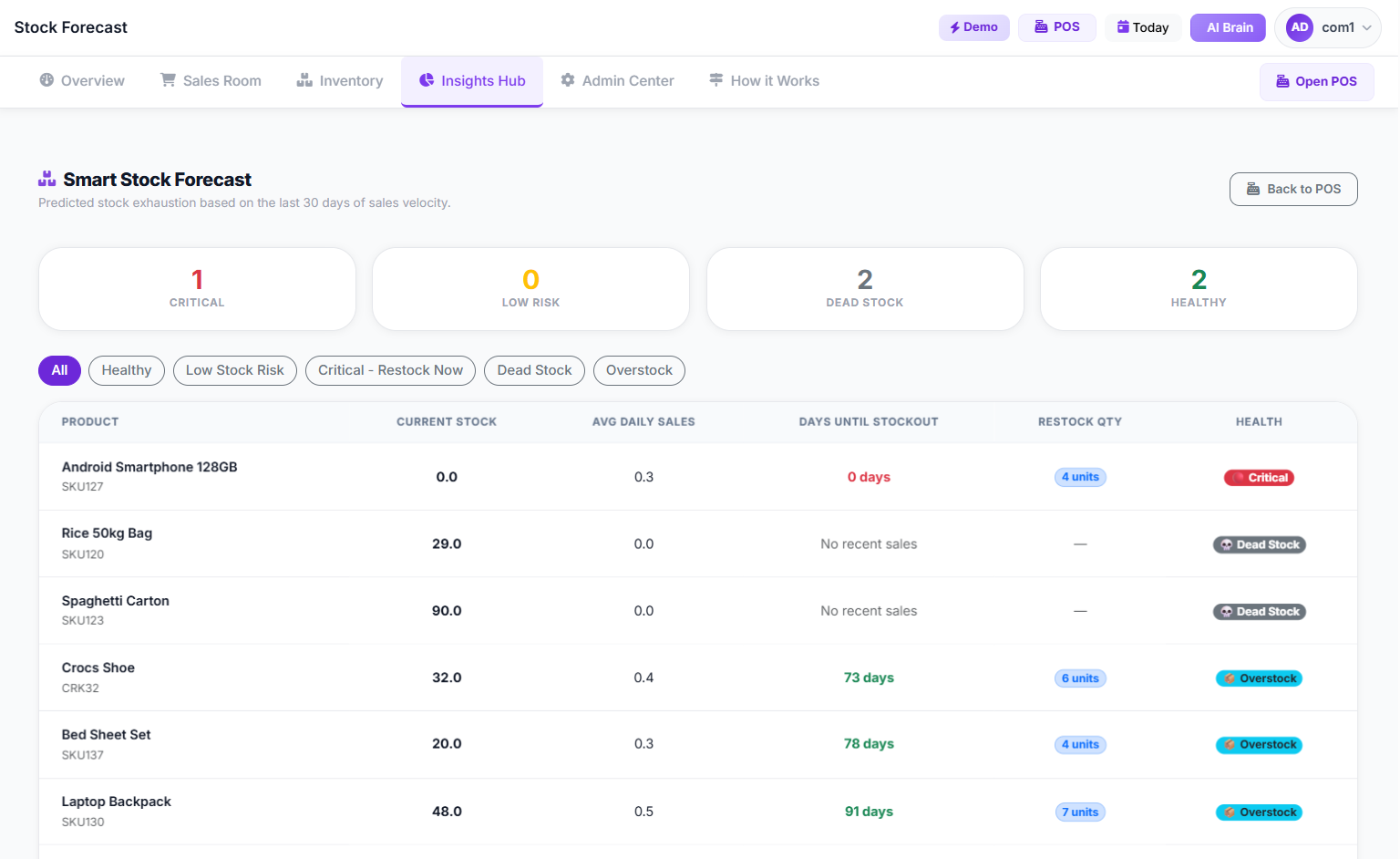 stock forecasting
- Engage with Customers: Ask for feedback. What do they like? What would they like to see? Word-of-mouth is powerful in Nigeria. A happy customer in Ojuelegba will tell five others. You can use simple tools like WhatsApp for customer notifications or just good old-fashioned conversation.
- Manage Your Expenses Tightly: Review your monthly expenses. Can you negotiate better deals with suppliers? Are your electricity costs too high? Every naira saved is a naira earned. SwiftPOS NG helps you and categorize them, giving you a clear picture of where your money is going.
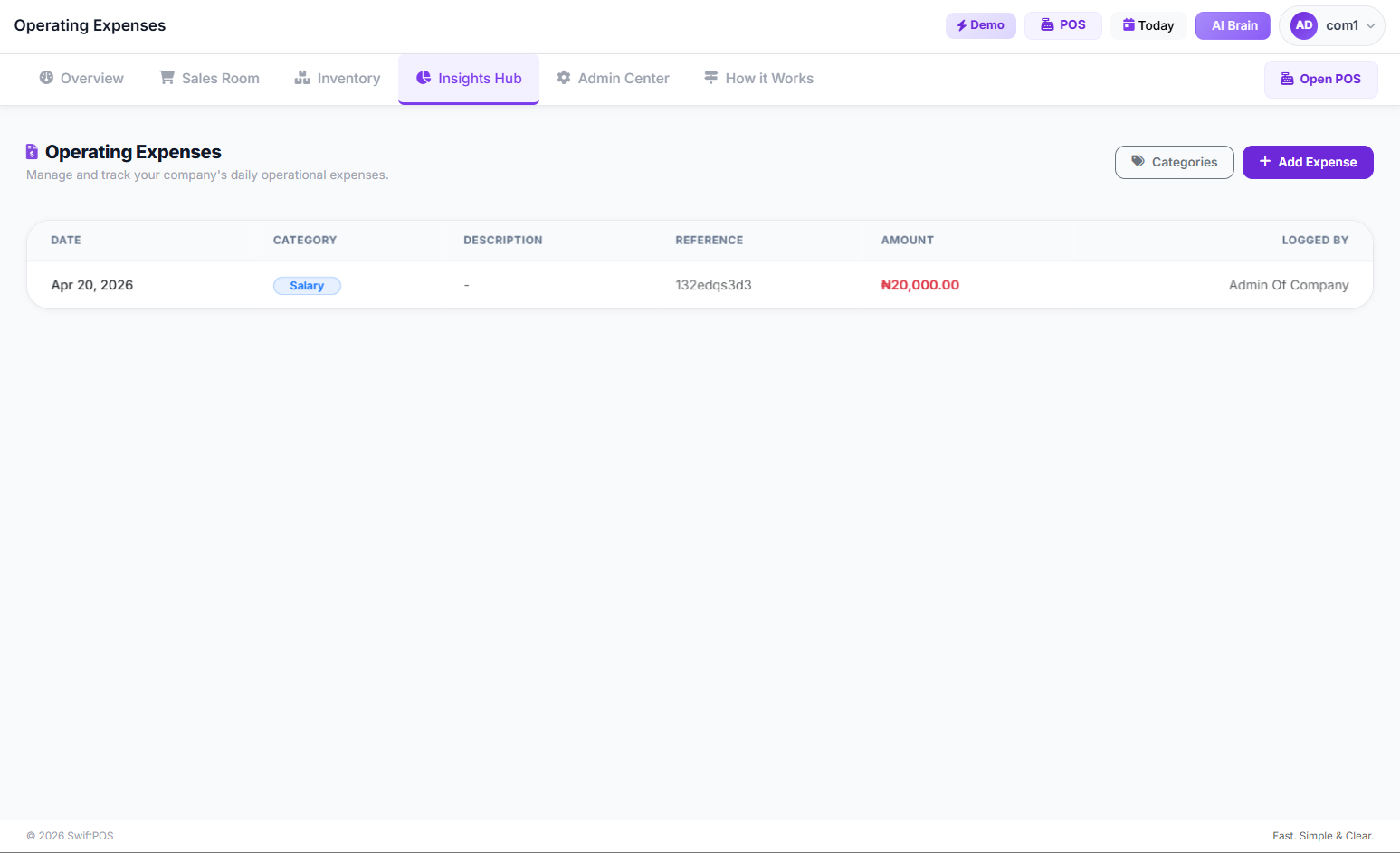 track business expenses
- Build Supplier Relationships: Strong relationships with your suppliers can lead to better credit terms, discounts, and priority access to popular products. This is vital for maintaining healthy stock levels and profit margins.
- Consider Small Expansions (Carefully): If things are going well, you might consider adding complementary products or even exploring a second, small branch if your system supports multi-branch retail. But don't rush it. Sustainable growth is key.
 A small retail shop owner reviewing sales data
FAQ: Answers to What You're Actually Googling
Q1: Is ₦500,000 enough to start a retail business in Lagos?
Honestly, it's tight, especially for prime locations. As our mid-range scenario showed, rent alone in a busy urban area like Lagos could exceed ₦500,000 annually. You could start a very small stall or a home-based retail business (e-commerce focus) with ₦500,000 in Lagos, but a physical shop in a high-traffic area is a stretch. For a small provision store in a suburban Lagos area, it's feasible, but you'll need to be extremely disciplined with your budget and focus on high-turnover products. Consider starting smaller and scaling up.
Q2: What kind of retail business can I start with ₦500,000 capital in Nigeria?
With ₦500,000, you're looking at businesses with relatively low inventory costs and manageable overheads. Think:
- Small Provision Store/Mini-Mart: Focus on essential household items, snacks, and drinks. Stock turnover is usually high. You can learn more about how to start and run a profitable provision store.
- Phone Accessories Shop: Low initial stock volume, but good profit margins on chargers, headphones, screen protectors.
- Fashion Accessories/Costume Jewelry: Sourcing from places like Aba or Lagos markets can get you good wholesale prices.
- Small Stationery Shop: School supplies, office basics.
- Online Retail (Dropshipping/Small Inventory): This significantly cuts down on rent and initial stock costs, allowing your ₦500,000 to go further into marketing and product sourcing.
The key is to choose a niche with high demand and a relatively low entry barrier for inventory.
Q3: How quickly can I expect to break even with ₦500,000 retail startup?
Breaking even usually takes anywhere from 6 to 12 months for a small retail business in Nigeria. This depends heavily on your sales volume, profit margins, and how well you manage your operating expenses. If your initial capital of ₦500,000 is used efficiently, and you achieve consistent daily sales of, say, ₦10,000 - ₦20,000 with a 20-30% profit margin, you could start seeing positive cash flow sooner. However, unforeseen costs and market fluctuations are common, so always plan for at least 6 months of operational expenses.
Q4: Do I really need a POS system for a small business with ₦500,000 capital?
Absolutely, yes. This isn't an optional luxury anymore; it's a necessity for survival and growth. Think about it: if you're trying to start a retail business with ₦500,000 capital, every naira counts. A POS system prevents losses from inaccurate stock counts, helps you recover customer debts, identifies theft, and gives you clear data to make informed decisions. Without it, you're guessing, and guessing in business, especially with limited capital, is a recipe for disaster. Read more on why Nigerian retailers should stop using spreadsheets.
Ready? Here's Where to Start
Starting a retail business in Nigeria with ₦500,000 capital is challenging, but absolutely achievable with smart planning, disciplined execution, and the right tools. Don't let the stories of failed businesses deter you. Instead, learn from them. Focus on understanding your market, controlling your costs, and leveraging technology to make informed decisions.
Your journey begins with solid preparation and a commitment to meticulous management. If you're ready to take the leap and ensure your retail business isn't just surviving but thriving, then it's time to equip yourself with the best tools.
Start your 14-day free trial with SwiftPOS NG today. It's designed to help Nigerian retailers like you manage your shop, track every sale, control your inventory, and unlock insights that drive profit, even if you’re just starting with a modest capital. Visit app.swiftpos.ng to set up your account and experience the difference.

Top 10 Profitable Businesses to Start in Nigeria With …
Oct 27, 2026
10 Best Small Businesses to Start in Nigeria With ₦1 M…
Oct 27, 2026
How to Start a Bakery Business in Nigeria: A Step-by-S…
Oct 24, 2026