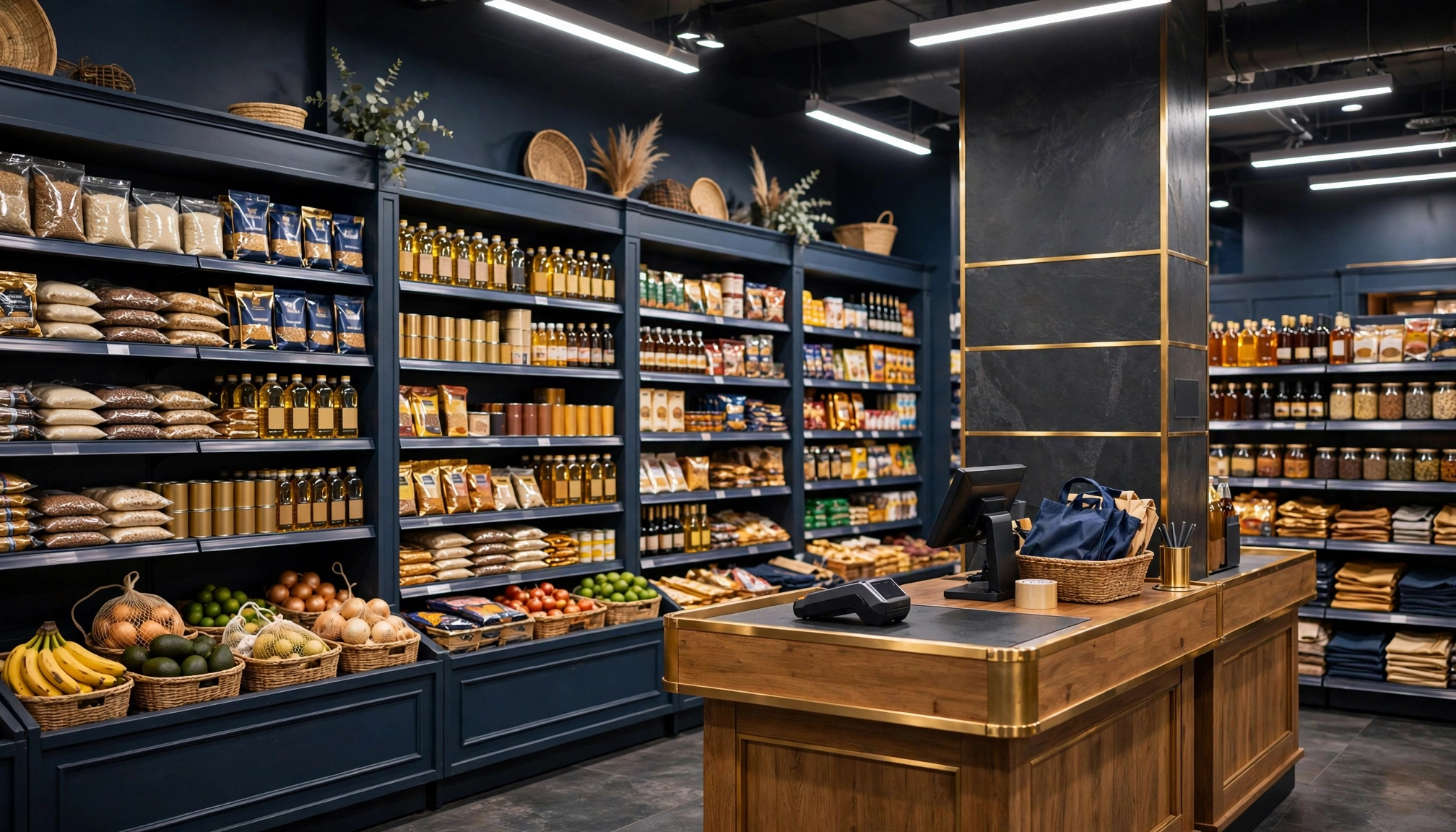
How to Start a Clothing Business in Nigeria: A Step-by-Step Guide
SwiftPOS Team
Published September 26, 2026

The Nigerian fashion retail market is booming, but many aspiring clothing shop owners are held back by the perceived complexity and high startup costs. While the allure of selling stylish garments is strong, navigating the logistics from sourcing to sales can be daunting, leading many to stick with manual methods that ultimately limit growth and profitability.
Mannequins displaying vibrant nigerian fashionThe Vibrant but Competitive Nigerian Fashion Retail Landscape
Nigeria's fashion industry is a powerhouse, driven by a youthful population and a growing middle class with an increasing appetite for both local and international trends. As of 2026, the sector continues to show robust growth, with analysts projecting significant expansion in e-commerce and boutique retail. However, this vibrancy also means fierce competition. Small and medium-sized clothing businesses face challenges ranging from inconsistent power supply and high logistics costs to managing inventory across multiple channels and retaining skilled staff. Success in this environment requires not just good taste in fashion, but also robust business acumen and efficient operational management. Understanding these market realities is crucial for any aspiring fashion entrepreneur. The shift from traditional market stalls to modern boutiques and online stores demands a more sophisticated approach to business management, as highlighted in guides like How To Scale Your Retail Business With Technology In Nigeria (2026 Guide).
What You Need Before You Start
Before diving into the world of fashion retail, ensure you have the foundational elements in place:
- Business Plan: A detailed roadmap outlining your concept, target market, product range, marketing strategy, and financial projections.
- Startup Capital: A clear understanding of your initial financial requirements. This typically ranges from ₦300,000 to ₦5,000,000 depending on scale, location, and product type.
- Market Research: Identify your niche. Will you focus on ready-to-wear, custom designs, traditional attire, or a blend? Understand your target customer's preferences and purchasing power.
- Legal Registration: Registering your business with the Corporate Affairs Commission (CAC) is mandatory. This typically costs between ₦15,000 - ₦35,000 for a sole proprietorship or small limited company.
- Supplier Network: Establish reliable sources for your clothing items – local manufacturers, wholesalers, or international suppliers.
- Location Strategy: Decide if you'll operate solely online, from a physical boutique, or a hybrid model.
Step-by-Step: Starting Your Clothing Business in Nigeria
Embarking on a fashion business startup in Nigeria requires careful planning and execution. Follow these steps to lay a solid foundation for your clothing shop.
Step 1: Define Your Niche and Business Model
The Nigerian fashion retail market is diverse. You can't be everything to everyone. Decide if you'll focus on women's wear, men's wear, children's clothing, activewear, traditional attire, or a specific style like vintage or minimalist. Your niche will dictate your product sourcing, marketing, and even your shop's aesthetic.
Consider your business model: will you be a boutique selling curated pieces, a tailor offering custom designs, a wholesaler, or a blend? This decision impacts everything from initial stock purchase to your pricing strategy. For instance, a boutique might aim for higher profit margins (50-70% per item) on unique pieces, while a mass-market store might focus on volume with lower margins (25-40%).
Step 2: Secure Your Funding and Location
Once your business plan is solid, secure the necessary capital. Initial stock purchase for a small local vendor might be around ₦150,000, while importing a diverse range could easily exceed ₦1,500,000.
For a physical location, shop rent is a significant annual expense, ranging from ₦80,000 for a local market stall in a smaller town to ₦2,500,000 for a prime boutique space in areas like Lagos Island. Factor in renovation costs, which can be ₦50,000 for basic paint and shelves, up to ₦500,000 for custom fixtures and a more upscale look. Remember to budget for utility bills, typically ₦10,000 - ₦50,000 monthly, and generator fuel, which can add another ₦15,000 - ₦70,000 per month depending on power availability.
Step 3: Source Your Products and Set Up Your Inventory
Finding reliable suppliers is paramount. Attend local trade fairs, connect with manufacturers, or explore importing options. Negotiate favorable terms and ensure the quality of your garments. Once you have your stock, effective inventory management is crucial. You'll need to track products, their variations (sizes, colors), cost prices, and selling prices.
This is where a robust system becomes invaluable. Manually tracking inventory with spreadsheets or paper can lead to significant losses, as explored in Nigerian Retailers: Inventory Management Mistakes Crushing Your Profits. A system that allows you to easily add products, assign categories, and manage stock levels is essential.
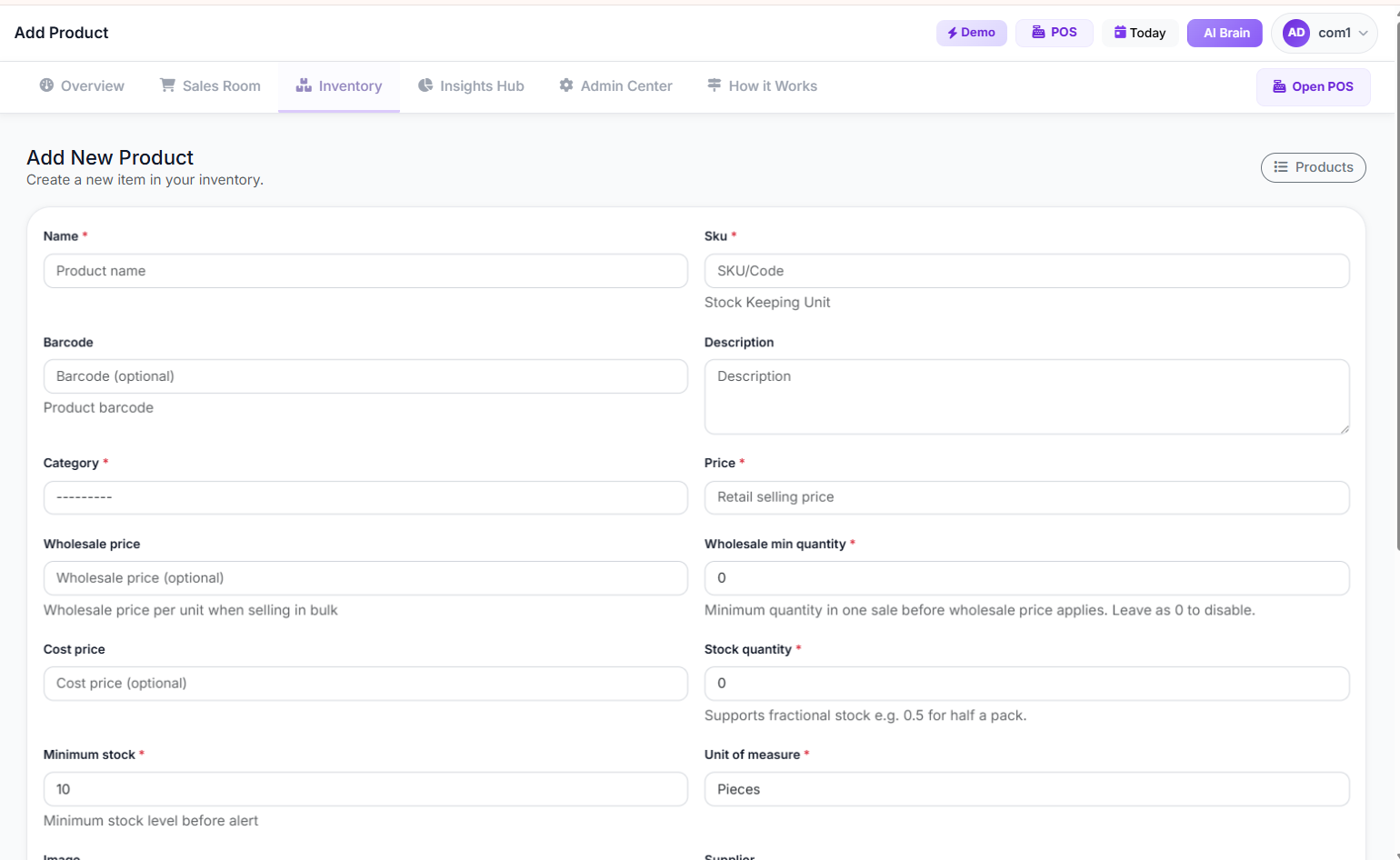 Add/Edit Product Page
Step 4: Staffing and Operations
Even a small clothing business will likely need staff. A skilled tailor or seamstress might earn ₦40,000 - ₦80,000 monthly, while a sales assistant could expect ₦35,000 - ₦70,000. Clearly define roles and responsibilities.
You'll also need display items like mannequins and racks, costing ₦30,000 - ₦150,000. Beyond the physical setup, consider your daily operations: how will you handle sales, payments, customer inquiries, and returns?
Step 5: Implement a Modern Sales and Management System
Gone are the days when a paper ledger was enough. In 2026, a modern clothing shop needs an efficient way to manage sales, inventory, and customer data. A Point-of-Sale (POS) system is not just for supermarkets; it's a game-changer for fashion retail. SwiftPOS NG offers a comprehensive platform designed for Nigerian businesses, helping you to sell products quickly, track stock by size and color, and manage customer accounts.
With features like classic POS for quick sales, or a grid POS for visual product selection (great for showcasing fashion items), you can streamline your checkout process. It also handles various payment methods, from cash to POS/card payments and bank transfers, which is vital in Nigeria's diverse payment landscape.
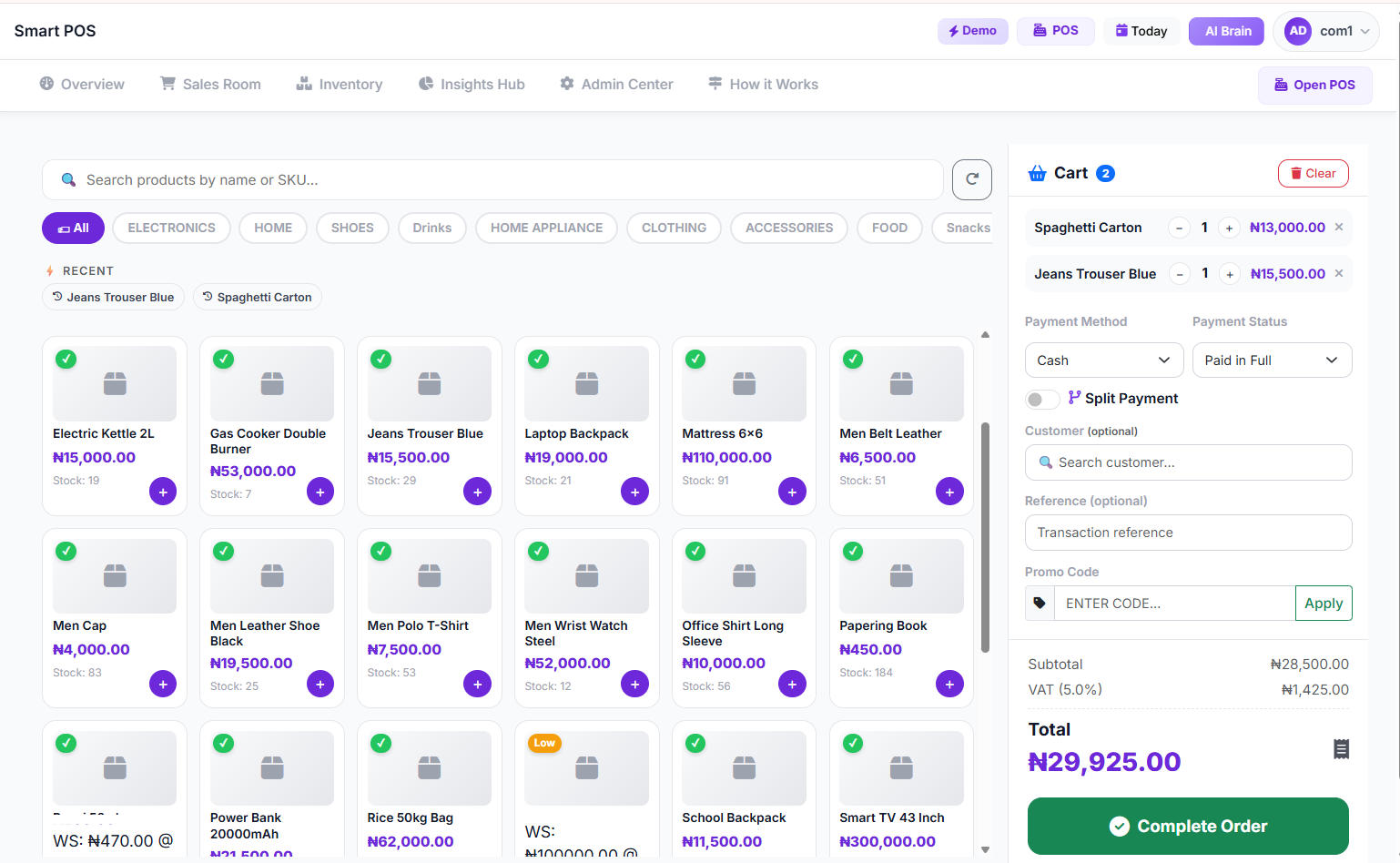 Grid POS Interface
Step 6: Marketing and Branding
Even the best products won't sell themselves. Develop a strong brand identity – logo, store aesthetic, packaging. Leverage social media platforms like Instagram and Facebook to showcase your designs and engage with potential customers. Budget for marketing, typically ₦10,000 - ₦100,000 monthly for basic boosting to targeted campaigns. Consider collaborating with local influencers or participating in fashion events.
Building customer loyalty is key. Offer excellent customer service and consider loyalty programs. Transportation and logistics for sourcing and deliveries can range from ₦5,000 - ₦30,000 monthly, so factor this into your marketing and operational costs.
> "In the Nigerian retail space, customer experience is no longer a luxury; it's the bedrock of sustained profitability. Businesses that invest in streamlining operations and understanding their customers are the ones that will thrive amidst competition."
Step 7: Continuous Improvement and Growth
The fashion industry is dynamic. Stay updated on trends, listen to customer feedback, and continuously refine your product offerings. Regularly analyze your sales data to understand what's selling and what isn't. This data-driven approach is essential for growth. For insights into tracking key metrics, refer to 7 Key Retail Metrics Nigerian Businesses Must Track for Profit Growth.
Common Mistakes to Avoid
- Ignoring Market Research: Don't assume you know what customers want. Research your target audience thoroughly.
- Underestimating Startup Costs: Many businesses fail because they run out of capital prematurely. Always have a contingency fund.
- Poor Inventory Management: This is a silent killer. Overstocking ties up capital, while understocking leads to lost sales. Manual methods are prone to errors and theft.
- Neglecting Customer Service: Word-of-mouth is powerful in Nigeria. Bad service can quickly damage your reputation.
- Lack of Digital Presence: Even with a physical store, an online presence is non-negotiable for reaching a wider audience.
- Ignoring Financial Tracking: Without clear records of sales, expenses, and profits, you can't make informed business decisions.
How to Track and Grow After Launch
After launching your clothing business, the work shifts to optimizing and expanding. Tracking key performance indicators (KPIs) is critical. Monitor your sales volume, average transaction value, inventory turnover rate, and customer retention. A good POS system, like SwiftPOS NG, provides detailed sales reports, profit and loss statements, and even insights into staff performance. This allows you to identify best-selling items, understand peak sales periods, and make data-backed decisions.
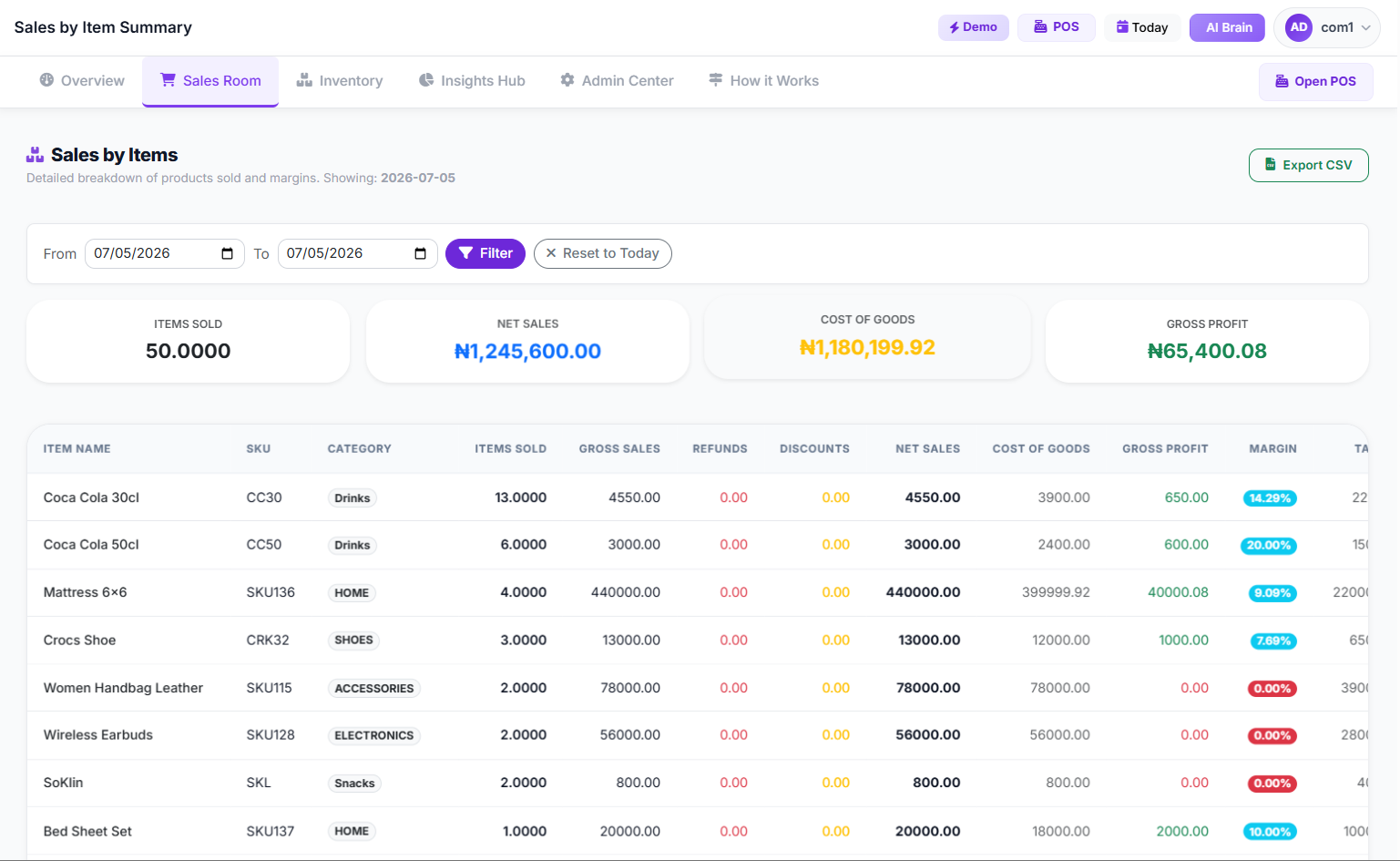 Sales By Item Page
For growth, consider expanding your product range based on popular demand, opening additional branches (which a system designed for Multi-Branch Retail: Guide to Seamless Operations & Profitability can support), or exploring wholesale opportunities. Leveraging integrated tools for customer relationship management can help you build loyalty programs and targeted promotions.
Frequently Asked Questions
Q1: How much capital do I really need to start a clothing business in Nigeria?
A1: The capital needed can vary significantly. For a small online venture or a market stall, you might start with ₦150,000 - ₦500,000 for initial stock and basic setup. A physical boutique in a decent location could require ₦1,000,000 - ₦5,000,000 or more, covering rent, renovation, more extensive stock, and display units. Always prepare a detailed budget.
Q2: Is it better to source locally or import clothing items?
A2: Both options have pros and cons. Local sourcing supports Nigerian industries, can offer faster turnaround times, and potentially lower logistics costs. Importing might provide access to unique styles or bulk pricing, but involves higher shipping costs, customs duties, and longer lead times. Many successful clothing businesses in Nigeria use a blend of both.
Q3: How can I effectively manage inventory for different sizes and colors?
A3: Manual inventory tracking for clothing items with multiple variants (sizes, colors) is prone to errors. Investing in a robust inventory management system is highly recommended. These systems allow you to categorize products, track stock levels for each variant, and provide alerts for low stock, preventing both overstocking and stockouts.
Q4: What is the average profit margin for a clothing business in Nigeria?
A4: Gross profit margins in the Nigerian clothing business can range from 25% to 70% per item. Mass-produced items or those bought in bulk might yield lower margins but higher volume, while unique or custom designs can command higher margins. Your pricing strategy, cost of goods, and operational efficiency will determine your actual net profit.
Q5: How important is an online presence for a clothing shop in Nigeria?
A5: Extremely important in 2026. An online presence, whether through social media, an e-commerce website, or both, expands your reach far beyond your physical location. It allows you to showcase your products 24/7, engage with customers, and even process sales from different parts of the country. Check out How to Increase Sales in Your Retail Shop in Nigeria: 10 Strategies That Actually Work in 2026 for more marketing tips.
Ready to Elevate Your Clothing Business?
Starting a clothing business in Nigeria is an exciting venture that demands careful planning and smart operational choices. By embracing modern tools and strategies, you can navigate the market's complexities and build a thriving enterprise. If you're looking to streamline your operations, manage inventory effectively, and gain valuable insights into your business performance, explore the comprehensive features available at SwiftPOS NG.
How to Reduce Supermarket Checkout Lines (Without Hiri…
Sep 24, 2026
How Much Does It Cost to Open a Pharmacy in Nigeria?
Sep 23, 2026
How to Prevent Inventory Shrinkage in Retail: A Comple…
Sep 22, 2026