How to Start a Mini Supermarket in Nigeria With ₦1 Million (2026 Guide)
SwiftPOS Team
Published September 11, 2026

In Nigeria's dynamic market, thousands of small businesses launch every year, yet a significant number struggle past their first few years. The dream of owning a thriving mini supermarket with ₦1 million capital is achievable, but it requires strategic planning and a clear understanding of the real costs involved in 2026. Without a solid roadmap, that initial capital can vanish quickly, leaving aspiring entrepreneurs with nothing but questions.
Nigerian market stall with fresh produce and packagedThe Evolving Landscape of Mini Supermarkets in Nigeria (2026)
The retail sector in Nigeria is experiencing continuous evolution, driven by shifting consumer habits, digital adoption, and economic realities. In 2026, mini supermarkets and provision stores remain vital community hubs, but competition is intensifying. Customers are increasingly looking for convenience, variety, and competitive pricing. The days of simply opening a shop and waiting for customers are long gone. Businesses that thrive are those that adapt, embrace efficiency, and leverage technology.
According to recent market analyses, the demand for well-stocked, accessible retail outlets in residential areas continues to grow. However, profitability hinges on meticulous inventory management, effective customer service, and precise financial tracking. Many small businesses lose money due to inefficient operations, stock wastage, and a lack of clear insight into their actual profit margins. Understanding these trends is crucial for any aspiring mini supermarket owner looking to make their ₦1 million capital go further and ensure long-term success. For deeper insights into market dynamics, explore our blog on How to Start a Provision Store Business in Nigeria: POS Software Guide.
What You Need Before You Start
Before diving into the specifics of setting up your mini supermarket, it's essential to have a clear picture of the foundational elements required. Think of these as your non-negotiables for a successful launch:
- Market Research: Understand your target customers, local competition, and the specific product needs of your chosen location. What are people buying? What are existing shops missing?
- Business Plan: Even for a mini supermarket with ₦1 million, a simple business plan outlining your vision, operational strategy, marketing, and financial projections is critical. This helps you secure funding if needed and keeps you focused.
- Legal Registration: Registering your business with the Corporate Affairs Commission (CAC) is mandatory. This protects your business name and provides legal standing. The cost typically ranges from ₦25,000 to ₦50,000.
- Supplier Network: Identify reliable suppliers for your initial stock. Building good relationships here can lead to better pricing and consistent supply.
- Basic Financial Literacy: Understanding profit margins, cash flow, and expense tracking will be fundamental to your business's survival and growth.
Step-by-Step: How to Start a Mini Supermarket in Nigeria With ₦1 Million
Launching a mini supermarket in Nigeria with a budget of ₦1 million requires careful allocation of resources and a strategic approach. Here’s a step-by-step guide to help you maximize your investment in 2026.
### Step 1: Secure Your Location
Your location is paramount. For a mini supermarket, visibility, accessibility, and proximity to your target demographic (e.g., residential areas, busy streets) are key.
- Research Potential Sites: Look for areas with high foot traffic but limited competition, or areas with a clear demand for a new retail outlet. Consider factors like security, parking, and proximity to other essential services.
- Negotiate Rent: Shop rent in Nigeria is typically paid annually. For a small town or suburban area, expect to pay between ₦80,000 and ₦200,000 per year. In a bustling city like Lagos or Abuja, a good commercial spot could set you back ₦300,000 to ₦500,000 annually. Aim for a location that offers good value without eating too much into your initial capital.
### Step 2: Business Registration and Permits
Formalizing your business gives it credibility and legal protection.
- Register with CAC: As mentioned, registering your business name and entity (sole proprietorship is often sufficient for a mini supermarket startup) with the Corporate Affairs Commission (CAC) is the first legal step. This costs between ₦25,000 and ₦50,000.
- Obtain Local Permits: Check with your local government council for any necessary business operating permits, health permits (especially for food items), and signage approvals. Costs vary by locality but budget around ₦10,000 - ₦30,000 for these.
### Step 3: Interior Setup and Essential Equipment
This stage focuses on making your shop functional and appealing to customers.
- Shelving and Display Units: You'll need sturdy shelves and display units to organize your products. Locally fabricated metal or wooden shelves typically cost between ₦50,000 and ₦150,000. Opt for functional, durable options that fit your space.
- Small Refrigerator/Freezer: For drinks, dairy products, and frozen items, a small refrigerator or freezer is essential. Budget ₦120,000 to ₦250,000 for a reliable unit.
- Generator: Given Nigeria's power situation, a small 2.5KVA generator is a crucial investment to ensure continuous operation and preserve perishable goods. This will cost you approximately ₦90,000 to ₦180,000.
- Basic Security: Invest in a good padlock, and consider a small counter-top safe for cash. Security measures don't have to be expensive initially but are vital.
### Step 4: Initial Stock Procurement
This is where a significant portion of your ₦1 million will go. Strategic purchasing is key to a profitable mini supermarket.
- Diversify Your Inventory: Start with a mix of fast-moving consumer goods (FMCGs) like provisions, toiletries, beverages, and household essentials. Don't overstock on slow-moving items.
- Source Wisely: Build relationships with wholesalers and distributors to get the best prices. Consider buying in bulk where possible to reduce per-unit costs. Your initial stock purchase will likely be in the range of ₦300,000 to ₦700,000.
- Track Everything: From the moment stock enters your shop, you need to track it. This is where a robust system becomes invaluable.
### Step 5: Implement a Modern POS and Inventory System
Moving from manual records to a digital system is one of the most impactful decisions for a mini supermarket with 1 million capital. This is where you transition from merely selling to strategically managing your business.
- Choose Your System: A basic cash register might cost ₦35,000 - ₦80,000, but it offers limited functionality. For real growth and efficiency, a comprehensive Point-of-Sale (POS) and inventory management system is a game-changer.
- Benefits of a Smart System: Systems like SwiftPOS allow you to:
- Process Sales Quickly: Use a barcode POS interface for fast checkouts, or a classic POS for quick product searches.
- Manage Inventory Accurately: Track stock levels, set reorder points, and manage product expiration dates. This prevents overstocking and stockouts, directly impacting your bottom line.
- Monitor Staff Activity: Assign roles and permissions, and track sales performance for each attendant, reducing shrinkage and improving accountability.
- Gain Business Insights: Understand your best-selling products, peak sales hours, and overall financial health.
- Handle Customer Accounts: Manage customer credit and debt effectively, which is common in Nigerian retail.
Consider adopting a system that offers these critical features to give your mini supermarket a competitive edge. The shift from manual bookkeeping to a digital system is explored further in Traditional Bookkeeping vs. POS Software: Real Costs for Nigerian Retailers.
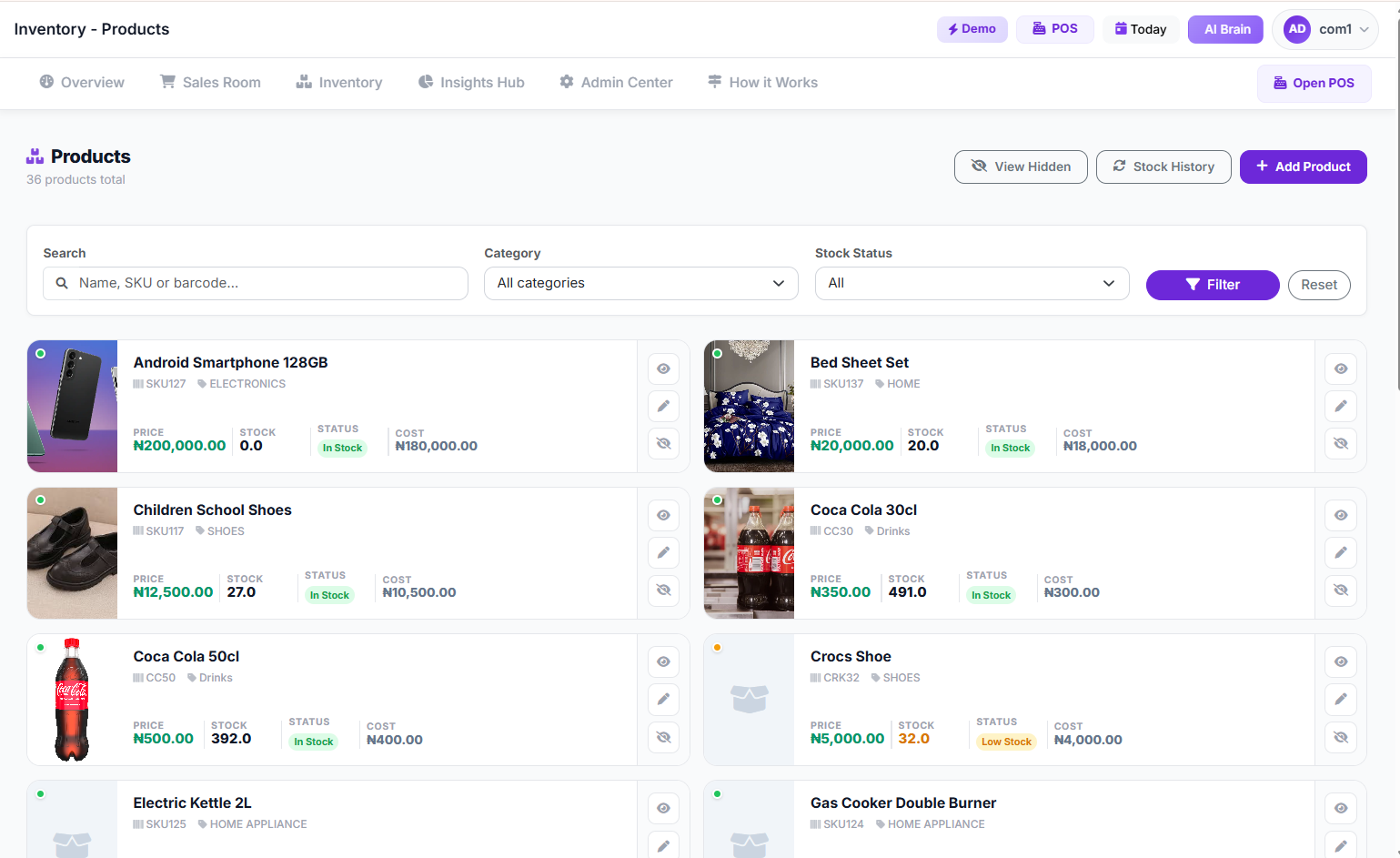 Products List Page
<em>A view of the product listing page within a modern retail management system, showing detailed inventory.</em>
### Step 6: Marketing and Grand Opening
Even a small shop needs to announce its presence.
- Local Signage: A clear, attractive shop sign is your first advertisement. Budget ₦15,000 - ₦50,000 for initial marketing, including local banners or flyers.
- Grand Opening Promotions: Offer small discounts or special bundles to attract initial customers. Word-of-mouth is powerful in Nigerian communities.
- Community Engagement: Connect with local residents. Offer convenience and good service, and they will become your loyal customers.
### Step 7: Working Capital and Buffer
No business plan is complete without accounting for ongoing expenses and unexpected costs.
- Operating Expenses: Factor in monthly costs like electricity/fuel for your generator (₦20,000 - ₦60,000), monthly internet/data (₦5,000 - ₦15,000), and staff salaries if you hire (₦40,000 - ₦80,000 per person).
- Emergency Fund: Always have a buffer of ₦100,000 - ₦200,000 for unforeseen expenses, urgent restocking, or minor repairs. This working capital is crucial for navigating the early months.
By following these steps, your ₦1 million capital can be strategically deployed to establish a solid foundation for your mini supermarket business in 2026.
Common Mistakes to Avoid
Starting a mini supermarket with ₦1 million is an exciting venture, but many common pitfalls can derail your progress. Avoiding these mistakes can significantly increase your chances of success:
- Underestimating Operating Costs: Many entrepreneurs focus solely on startup costs and forget about ongoing expenses like generator fuel, salaries, and unexpected repairs. Always budget for at least 3-6 months of operating costs.
- Poor Inventory Management: Without proper tracking, you risk stockouts of popular items, overstocking slow-moving goods, and significant losses from expired products or theft. This is a major revenue leak for many Nigerian retailers.
- Ignoring Customer Feedback: Not listening to what your customers want can lead to stocking irrelevant items or neglecting essential services. Your customers are your best resource for product selection.
- Neglecting Business Registration: Operating informally might seem cheaper initially, but it leaves you vulnerable to legal issues, limits access to financing, and restricts growth opportunities.
- Failing to Track Profitability: Many small shop owners only track sales revenue, not true profit after expenses. This can lead to a false sense of security while the business slowly bleeds money. Understanding your true profit and loss is vital.
- Over-reliance on Manual Processes: Using paper and pen for everything is time-consuming, prone to errors, and makes it impossible to get real-time insights into your business performance. The hidden costs of manual retail operations are often far greater than perceived.
> "The difference between a struggling business and a thriving one often lies not in the size of its initial capital, but in the efficiency of its operations and the clarity of its financial insights."
How to Track and Grow After Launch
Once your mini supermarket is up and running, the real work of monitoring and growth begins. Effective tracking is not just about recording sales; it's about understanding your business's pulse and making informed decisions.
- Monitor Key Performance Indicators (KPIs):
- Daily Sales: How much are you selling each day? Are there peak times?
- Average Transaction Value: How much does an average customer spend?
- Inventory Turnover: How quickly are products moving off your shelves? Slow turnover ties up capital.
- Gross Profit Margin: What is your profit after deducting the cost of goods sold?
- Customer Traffic: How many people enter your store versus how many make a purchase?
You can track these and more using a system designed for
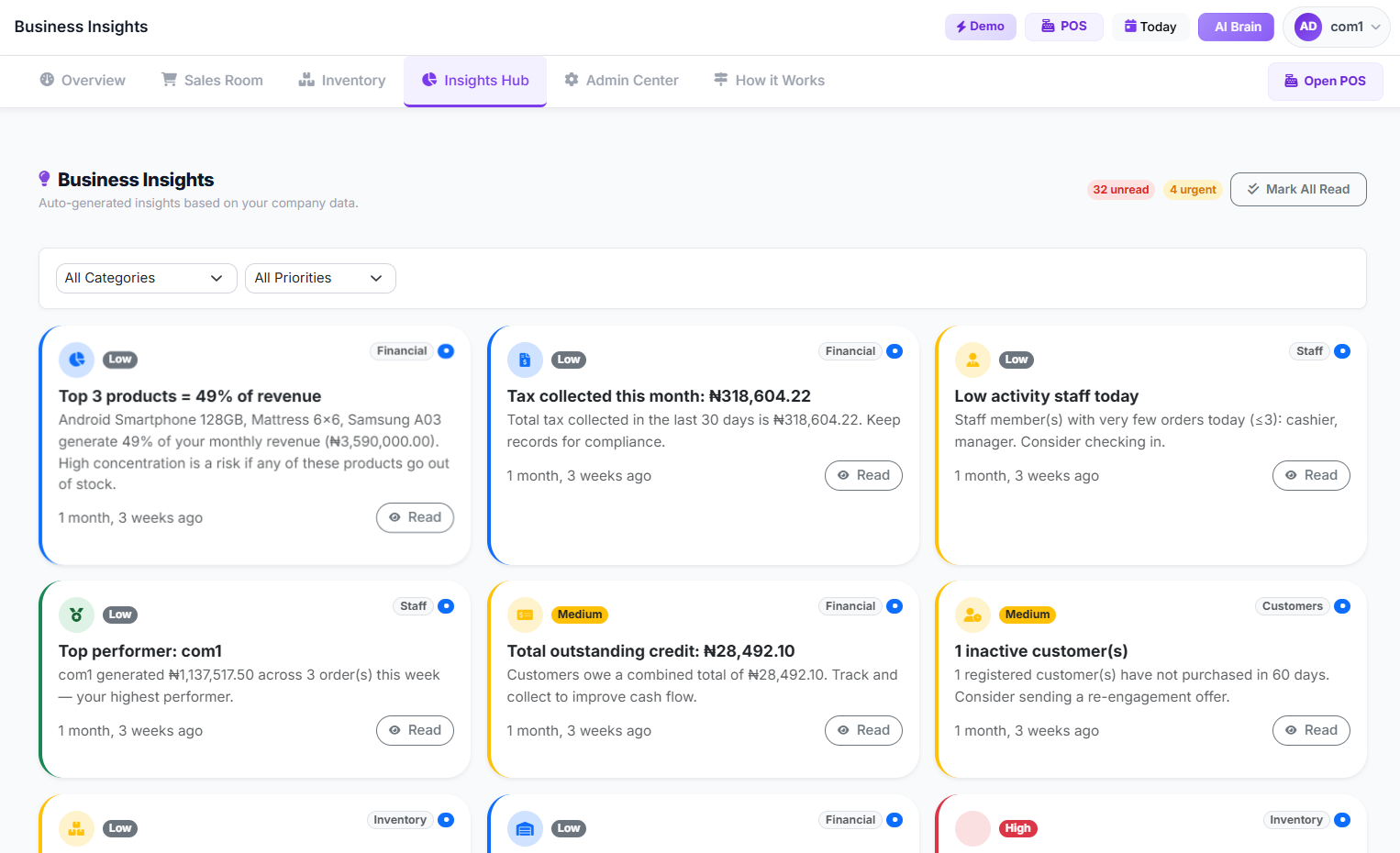 business insights
.
- Leverage Technology for Insights: A comprehensive retail management system like SwiftPOS allows you to generate detailed reports on sales, inventory, and staff performance. This data helps you identify trends, optimize your product offerings, and pinpoint areas for improvement. For example, the
can predict when products will run out, helping you restock proactively.
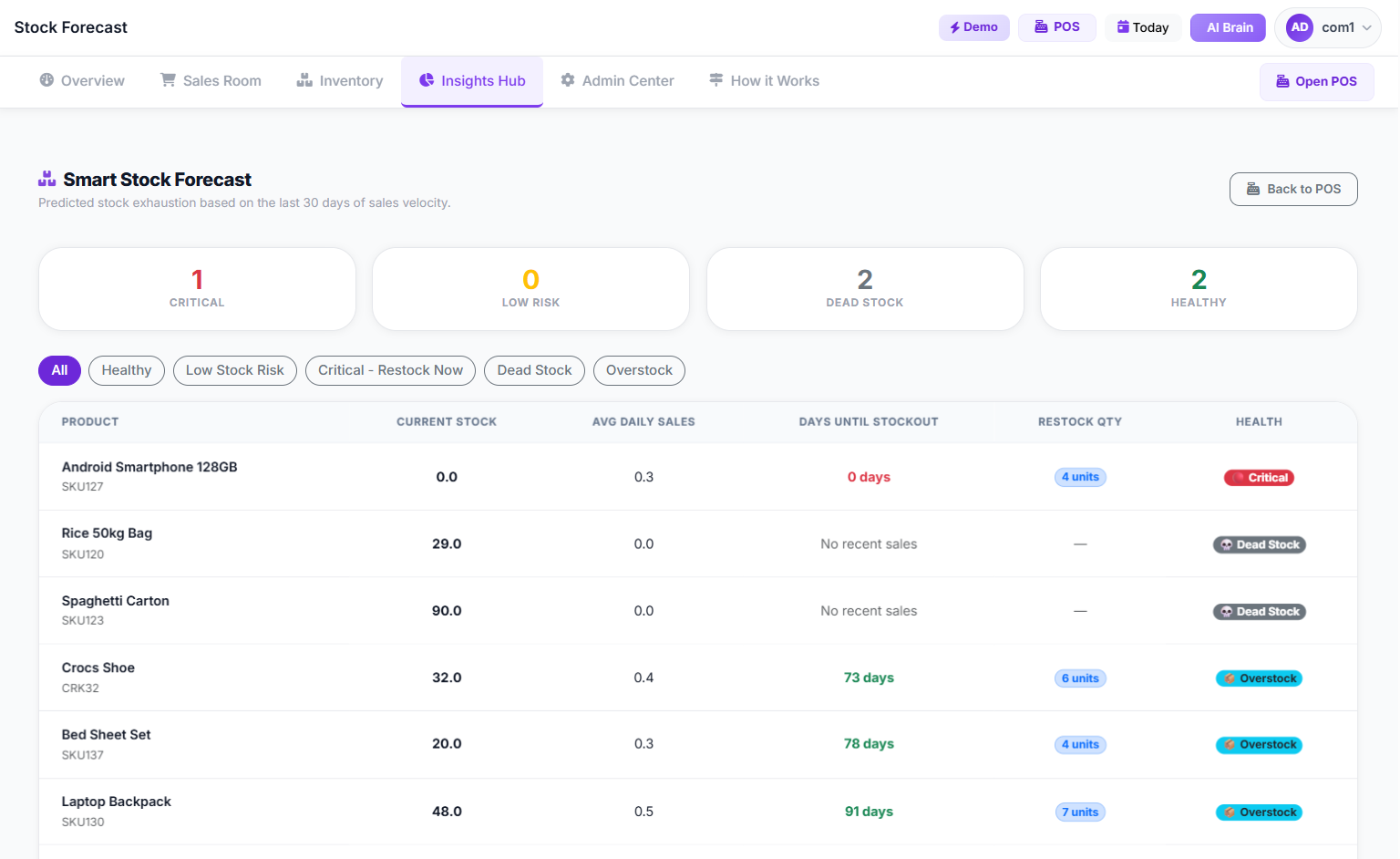 Smart Store Forecast Page
 - Optimize Inventory: Use your sales data to make smarter purchasing decisions. Identify your bestsellers and ensure they are always in stock. Reduce orders for slow-moving items. This continuous optimization directly impacts your profitability. Learn more about preventing inventory management mistakes.
- Customer Relationship Management: If your system allows, track customer purchases. This can help you identify loyal customers, offer personalized promotions, and even manage customer credit effectively.
- Expand Your Offerings: Based on customer feedback and sales data, consider gradually introducing new products or services. Perhaps a small delivery service, or unique local produce.
- Staff Training and Motivation: Well-trained and motivated staff are crucial. Ensure they understand how to use your POS system efficiently and provide excellent customer service. You can even use tools to set staff access permissions effectively.
- Continuous Learning: The retail landscape in Nigeria is always changing. Stay informed by reading industry blogs, attending local business workshops, and networking with other entrepreneurs. Our blogs page offers a wealth of resources for Nigerian retailers.
Frequently Asked Questions
Is ₦1 million enough to start a mini supermarket in Nigeria in 2026?
Yes, ₦1 million can be a sufficient retail startup capital if managed strategically. It requires careful planning, cost-cutting where possible (e.g., choosing a modest location, locally fabricated shelves), and a strong focus on fast-moving inventory. This budget is best suited for a small-scale operation in a suburban or less commercial area. For a detailed breakdown, check out How Much Money Do You Need to Open a Mini Supermarket in Nigeria? (2026 Full Cost Breakdown).
What are the most important items to stock initially for a mini supermarket?
Focus on high-demand, fast-moving consumer goods (FMCGs) such as popular beverages, snacks, cooking essentials (oil, rice, pasta), toiletries (soap, toothpaste), detergents, and basic household items. Observe what sells quickly in similar local shops. Diversification is good, but prioritize essentials.
How can I compete with larger supermarkets on a limited budget?
Focus on convenience, excellent customer service, and understanding your local community's specific needs. Offer a personalized shopping experience, stock unique local products, and maintain competitive pricing on essential items. Quick, efficient service using a reliable POS system can also be a major differentiator.
Is a generator truly necessary for a mini supermarket in Nigeria?
Absolutely. A generator is a critical investment. It ensures your refrigerator/freezer runs continuously, preserving perishable goods and preventing losses. It also provides consistent lighting and powers your POS system, ensuring uninterrupted sales, even during power outages. This is a non-negotiable for a supermarket startup Nigeria.
How long does it typically take to become profitable?
Profitability timelines vary greatly depending on location, management, and market conditions. With diligent management and a strong operational strategy, many mini supermarkets can start seeing profits within 6-12 months. However, it's crucial to consistently track your
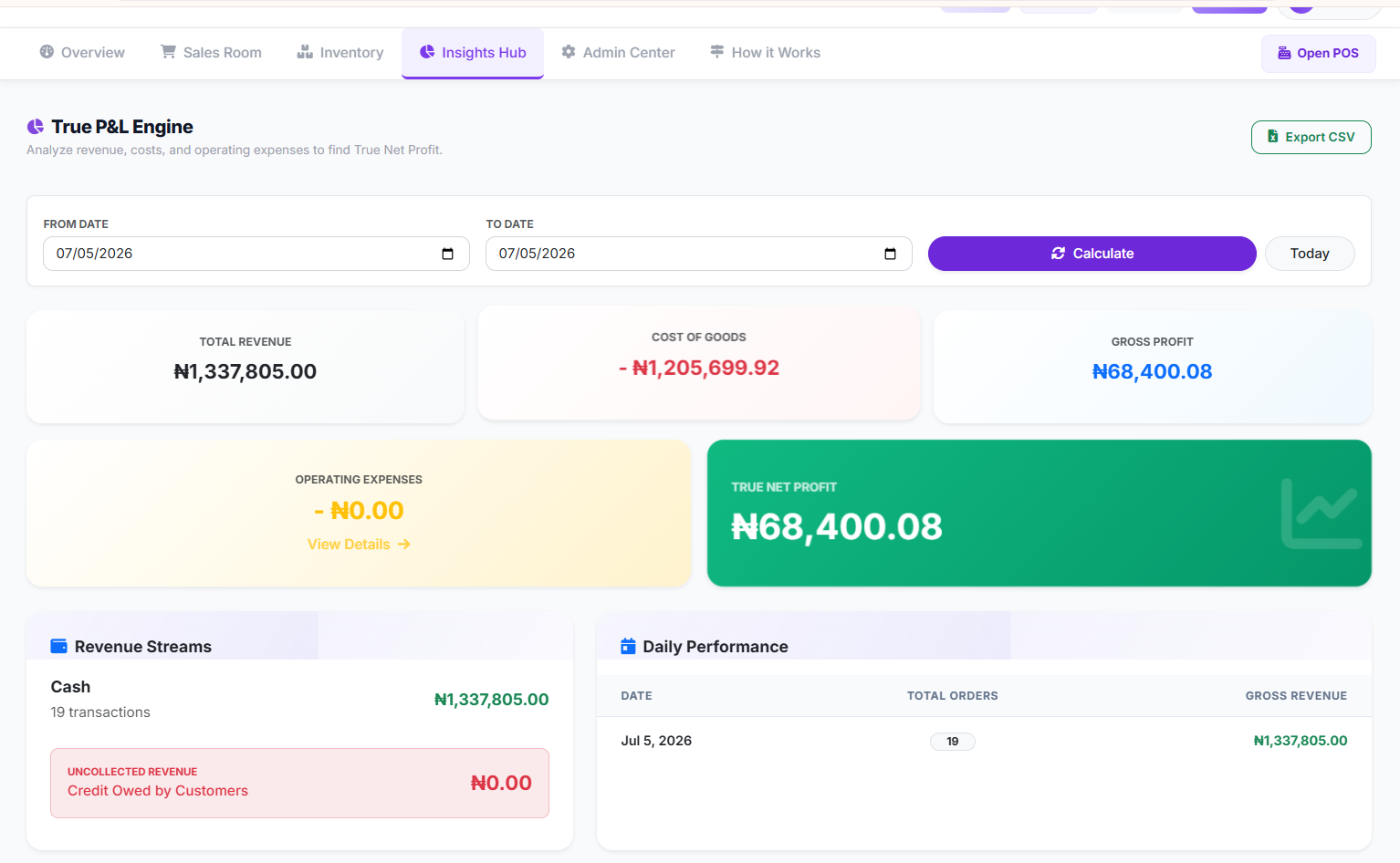 profit and loss
to understand your true financial standing.
What are good business ideas to complement a mini supermarket?
Consider adding a small mobile money agent service, selling recharge cards, offering basic printing/photocopying services, or even partnering with a local delivery service. These can generate additional revenue streams and increase foot traffic.
 Business owner checking inventory on tablet
Ready to Transform Your Mini Supermarket?
Starting a mini supermarket with ₦1 million in Nigeria in 2026 is a challenging but rewarding venture. The key to success lies in meticulous planning, efficient operations, and leveraging the right tools. If you're ready to move beyond manual record-keeping and embrace a system that helps you manage sales, inventory, staff, and finances with ease, explore the benefits of SwiftPOS. Discover how our comprehensive platform can provide the insights and control you need to not just survive, but thrive. Visit SwiftPOS.ng to learn more and start your journey towards a more profitable retail business.