How Much Inventory Should a New Retail Store Buy?
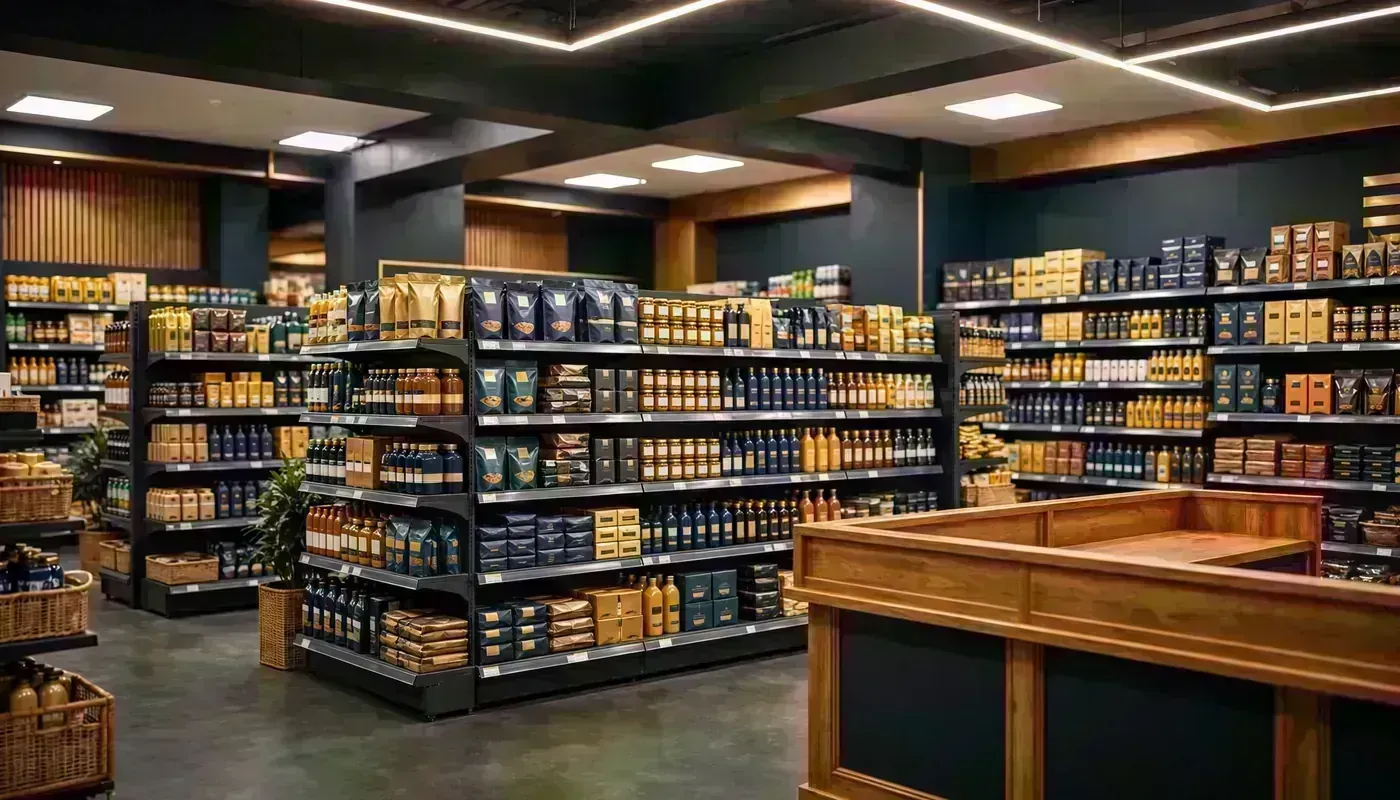
The small provision store on Salvation Road, Opebi, was buzzing. Mama Chike had just received a fresh delivery of Indomie cartons and a new batch of imported biscuits, stacking them high with a smile. She looked at her shelves, full and vibrant, calculating the sales in her head, imagining the profit. But by month-end, after paying for rent, generator fuel, and her assistant's salary, she found her account balance looking surprisingly thin. She’d been busy, sales were good, so why did it feel like she was running on empty? This is the reality many face when asking themselves, how much inventory should a new retail store buy?
Busy nigerian provision store interiorThe Gap: Revenue vs. Profit
You see, there's a huge difference between making sales and making money. You can have customers lining up, your cash register constantly ringing, and still find yourself short on funds when it's time to restock or pay bills. It's a common trap in Nigerian retail, especially for new businesses. You think, "More sales, more profit," but that's not always true.
The real issue often comes down to retail inventory planning and how efficiently you manage your initial stock and subsequent reorders. If you overbuy, your capital gets tied up in goods that sit on shelves, gathering dust. If you underbuy, you miss out on sales when customers can't find what they need. Both scenarios hit your bottom line hard.
Let's look at some numbers. A small neighborhood shop in, say, Ikorodu, might bring in ₦800,000 in monthly revenue. Sounds good, right? But if their monthly restocking budget is ₦550,000, and they have rent of ₦350,000 annually (which breaks down to roughly ₦29,167/month), plus staff salaries, electricity, and other operational costs, that ₦800,000 quickly shrinks. Suddenly, you're looking at a gross profit of ₦250,000 before other expenses, and that's if every single item sells. The margin for error is razor-thin. Understanding your
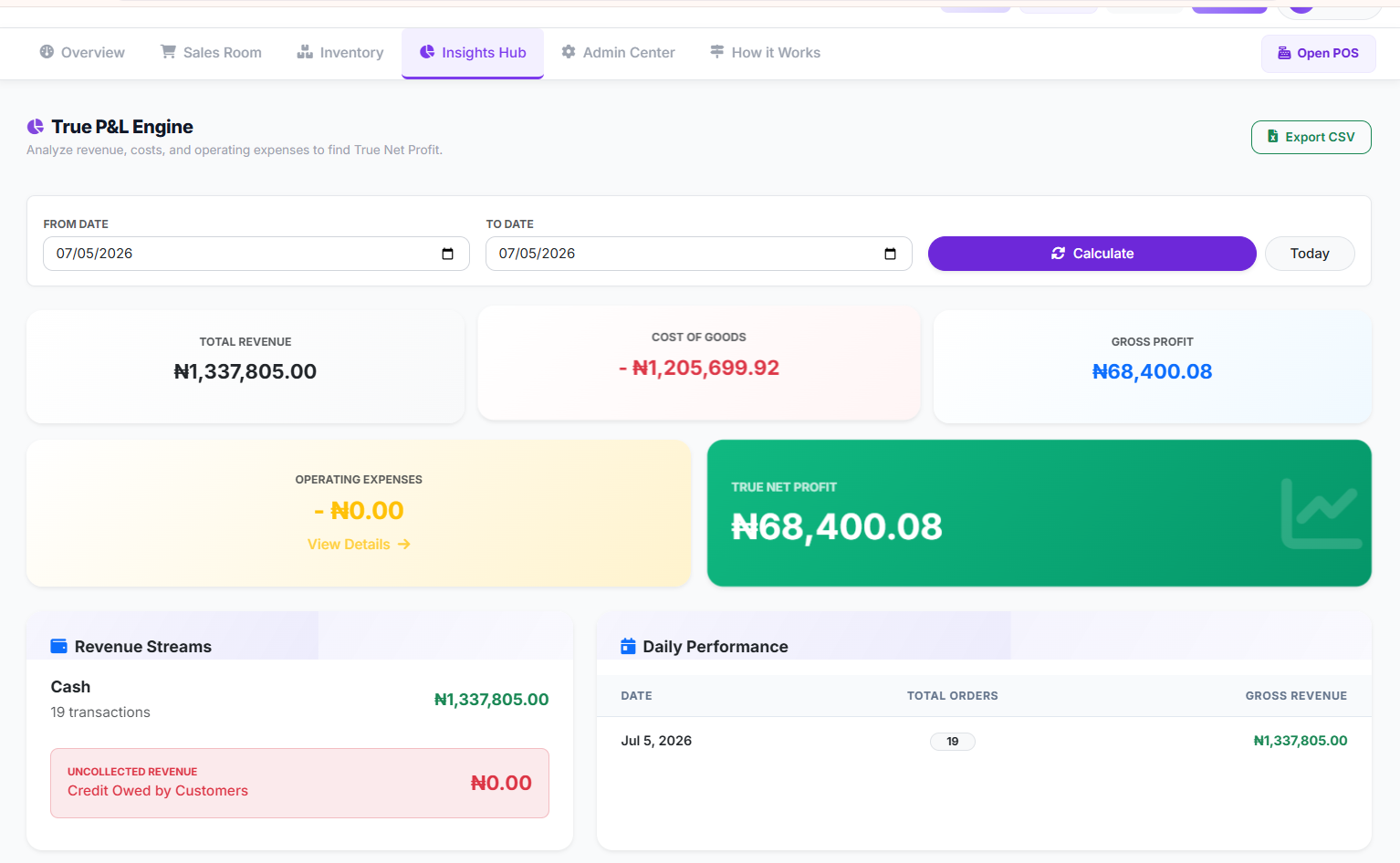 true profit and loss
Many business owners, especially those using manual ledger books or basic Excel sheets, struggle to see this clear picture. They know how much they sold, but not how much they actually made after all expenses are factored in. This lack of visibility is one of the biggest reasons businesses, even busy ones, remain broke. You need to track more than just sales; you need to track your monthly profit margins diligently.
Root Cause #1: Guesswork in Initial Stock Purchases
The biggest mistake I see new shop owners make is guessing how much initial stock to buy. They look at their budget, maybe ask a friend, and then just go for it. This is like driving from Lagos to Abuja without a map. You might get there, but you’ll waste a lot of fuel and time.
Consider a small kiosk owner in a bustling area like Ojota. They have ₦150,000 for their first purchase. Instead of researching what sells fastest, they buy a bit of everything: a few cartons of soft drinks (₦2,800 each), some bags of local rice (₦60,000 for 50kg, if they decide to go that route), a bale of used clothing (₦250,000, if they're a fashion vendor, which blows their budget), and a mix of toiletries. The problem? They might end up with too many slow-moving items and not enough of what people actually want every day.
For a roadside stall selling fast-moving consumer goods, your initial stock purchase might range from ₦50,000 to ₦200,000. But if you're opening a small neighborhood provision store, you're looking at ₦300,000 to ₦1,000,000. For a mid-sized electronics shop in a place like Computer Village, Ikeja, you could need ₦1,500,000 to ₦5,000,000. And a high-end fashion boutique on Lagos Island? Easily ₦7,000,000 to ₦20,000,000 or more. These are huge ranges, and getting it wrong can cripple you before you even open your doors.
The key here is understanding demand before you commit your capital. Most new retailers don't do enough market research. They just see a product selling well at another shop and assume it will fly off their shelves too. But what works for one location or demographic might not work for another. This leads to dead stock, where your money is trapped in products nobody wants to buy. That's why inventory management mistakes are such a profit killer.
Root Cause #2: Ignoring the Cost of Carrying Inventory
"Stock is money." You hear that all the time, right? But what most people don't fully grasp is that stock also costs money just by existing in your shop. This is the part most people don't expect. It's not just the purchase price; it's the cost of carrying that inventory.
Think about it:
- Storage Costs: Even if you own your shop, that space could be used for something else or rented out. If you rent, every square meter taken by unsold goods is a wasted opportunity.
- Spoilage and Damage: Especially for food items, toiletries, or electronics, products can expire, get damaged, or become obsolete. A carton of popular soft drinks might cost you ₦3,000. If half of them expire before you sell them, you've lost ₦1,500 plus the potential profit. A 50kg bag of local rice at ₦65,000 can be ruined by pests or moisture.
- Insurance: If you insure your goods (and you should!), more inventory means higher premiums.
- Security: More stock means more risk of theft, requiring better security measures.
- Opportunity Cost: This is the big one. Every naira tied up in slow-moving stock is a naira you can't use to buy fast-moving, high-profit items, or to invest in marketing, or even to pay yourself.
This kind of scenario is why shop inventory management isn't just about counting items; it's about managing your cash flow. If your money is always sitting on shelves, you're always cash-strapped, even if your sales figures look impressive. This is one of the hidden costs of manual retail operations that many overlook.
What Smart Business Owners Do Instead
Okay, so we've talked about the problems. Now, what's the solution? Smart business owners don't guess; they plan. They use data, even if it's basic data, to make informed decisions about their stock budget and retail inventory planning.
Here's a step-by-step approach:
- Start Small, Test, and Learn:
- Don't dump all your capital into initial stock. For a new kiosk, if your total budget for stock is ₦150,000, aim to spend only 60-70% (₦90,000-₦105,000) on your first purchase. Keep the rest as a buffer for fast-moving items you discover, or for unexpected expenses.
- For a small provision store with a ₦500,000 budget, maybe start with ₦300,000-₦350,000 worth of goods.
- Focus on a core range of essential products that have consistent demand. For a provision store, this means rice, oil, sugar, popular noodles, common toiletries (like a pack of 12 soaps for ₦6,000). For a clothing boutique, a few popular sizes and styles, not every color and variant imaginable.
- Pay close attention to what sells in the first few weeks. Which items move quickly? Which ones just sit there? This is your most valuable data.
- Know Your Sales Velocity (How Fast Things Sell):
- This is crucial. You need to know how many units of each product you sell per day, week, or month. If you sell 5 cartons of a particular drink a week, and it takes 3 days for your supplier to restock, you know you need to order before you hit 2 cartons remaining.
- Manual tracking can work, but it's tedious. A simple notebook for the first few weeks, listing every sale, can give you a rough idea. But honestly, in 2026, relying solely on paper is a recipe for missed opportunities and errors.
- Build Relationships with Suppliers:
- Good relationships mean better credit terms, faster delivery, and sometimes, better prices. If your supplier can deliver quickly, you don't need to hold as much shop inventory, freeing up your capital.
- Explore multiple suppliers for key items. Don't put all your eggs in one basket. If one runs out, you need a backup.
- Implement a Basic Inventory System from Day One:
- This is where many businesses fail. They wait until they're "big enough" to get a system. But by then, their habits are set, and change is harder.
- Even if it's just a simple spreadsheet at first (though I don't recommend it long-term), track every item in and every item out. Record the cost price and the selling price.
- The goal is to move beyond guesswork. You need to know exactly what you have, where it is, and how much it cost you. This is the foundation of effective retail inventory planning.
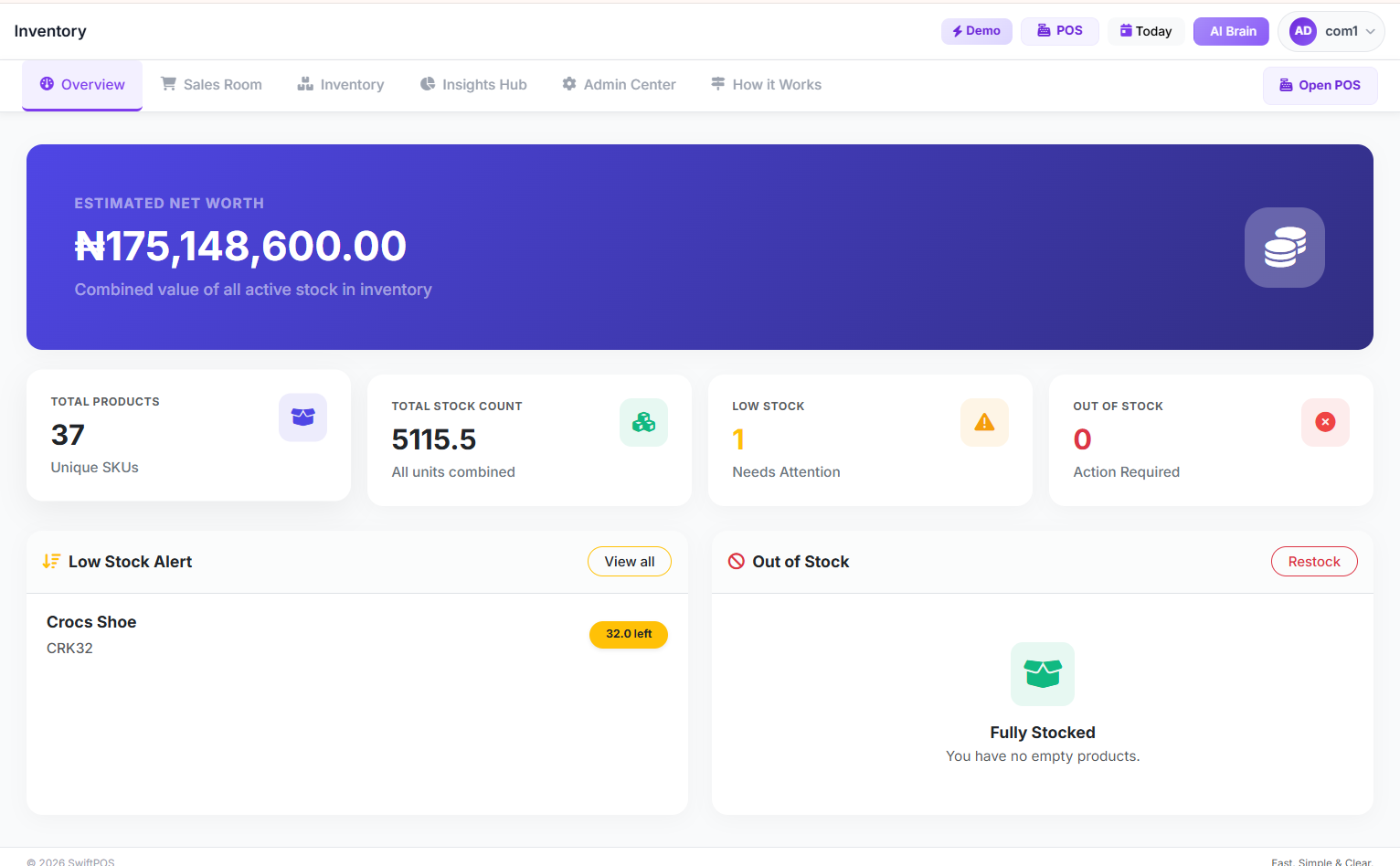 Inventory Dashboard
<br>
- Calculate Your Reorder Points:
- Once you know your sales velocity and lead time (how long it takes to get new stock), you can calculate your reorder point.
- Reorder Point = (Daily Sales Rate x Lead Time in Days) + Safety Stock.
- Safety stock is a small buffer to prevent running out due to unexpected demand or supplier delays.
- For example, if you sell 10 bags of bread daily, and your baker takes 1 day to deliver, and you want 2 bags as safety stock, you reorder when you have 12 bags left. Simple, right? But how many shop owners actually do this consistently?
Where SwiftPOS NG Gives You Back Control
This is where technology changes the game. For Nigerian retailers, moving from manual records or basic spreadsheets to a dedicated system isn't a luxury; it's a necessity for survival and growth in 2026. This is exactly what SwiftPOS NG is built for.
SwiftPOS NG is a complete business management and Point-of-Sale (POS) platform. It helps you connect all those moving parts I talked about: sales, stock, customers, staff, expenses, and profit. It's designed specifically for businesses like yours in Nigeria.
Here’s how it tackles those root causes of poor initial stock and inventory management:
- Accurate Stock Tracking (Beyond Guesswork):
<br>
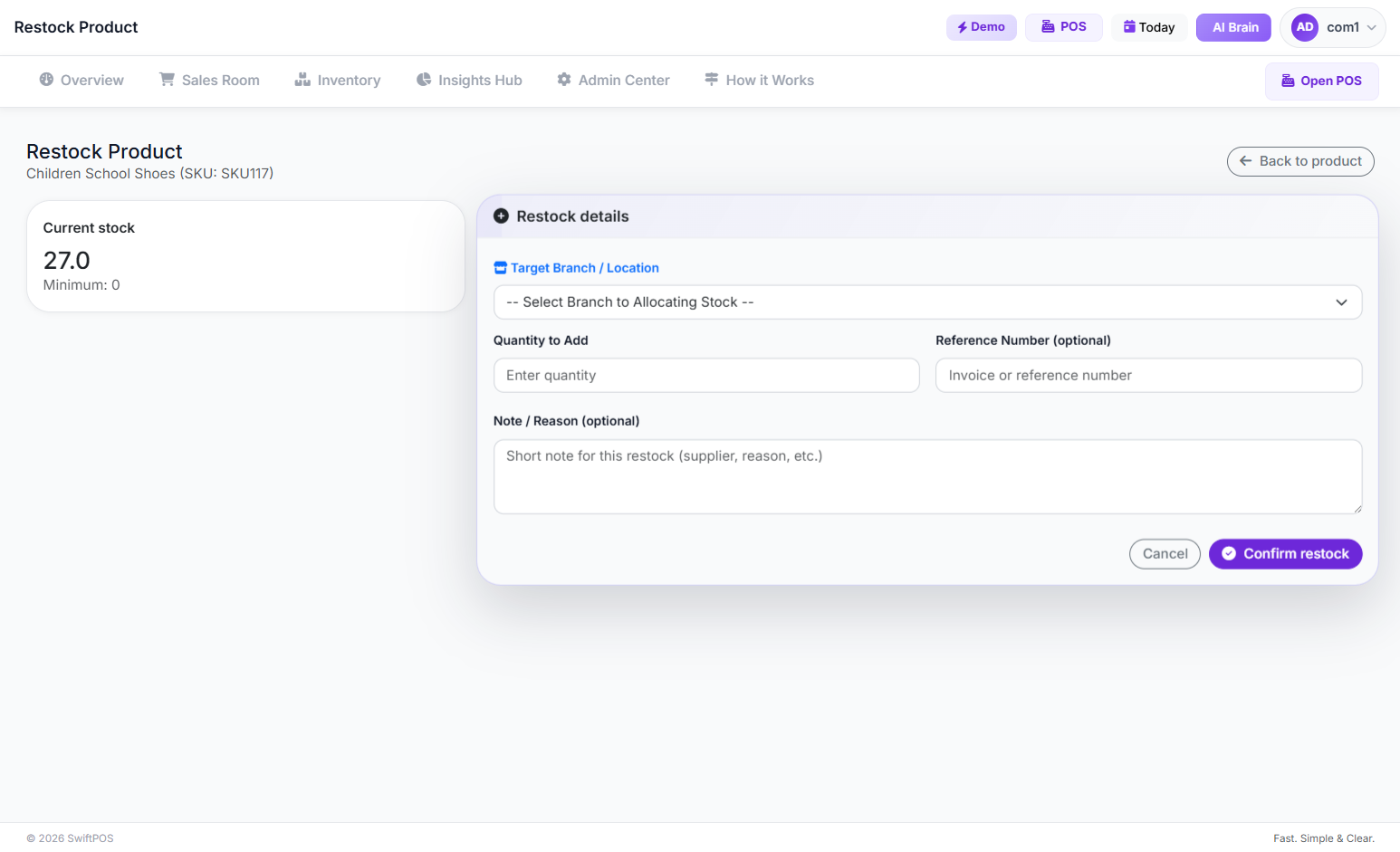 Add product Stock page
<br>
- Identifying Fast-Movers and Slow-Movers:
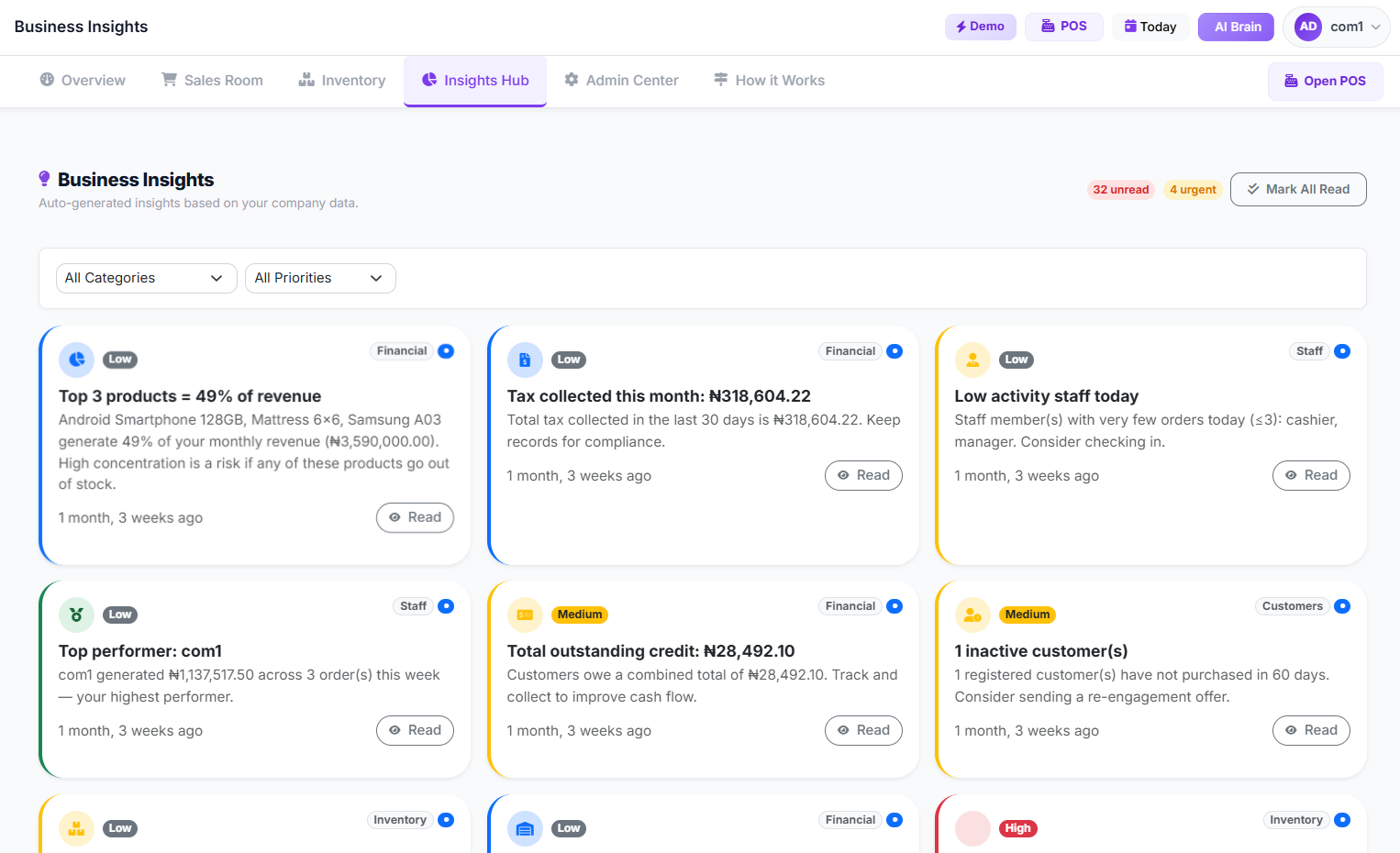 insights on product performance
- Automated Low-Stock Warnings & Forecasting:
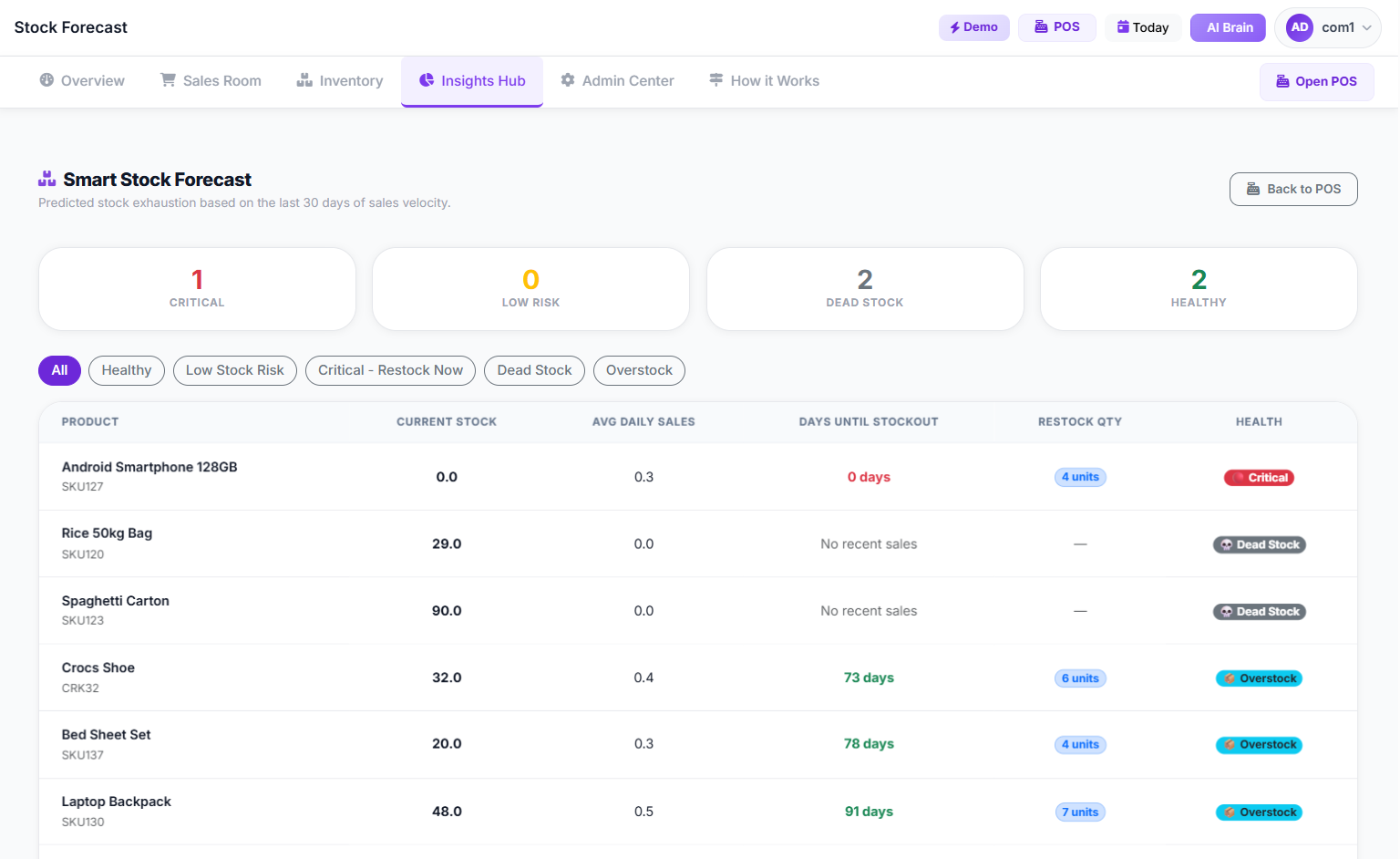 Smart Store Forecast Page
- Managing Multiple Branches and Warehouses:
<br>
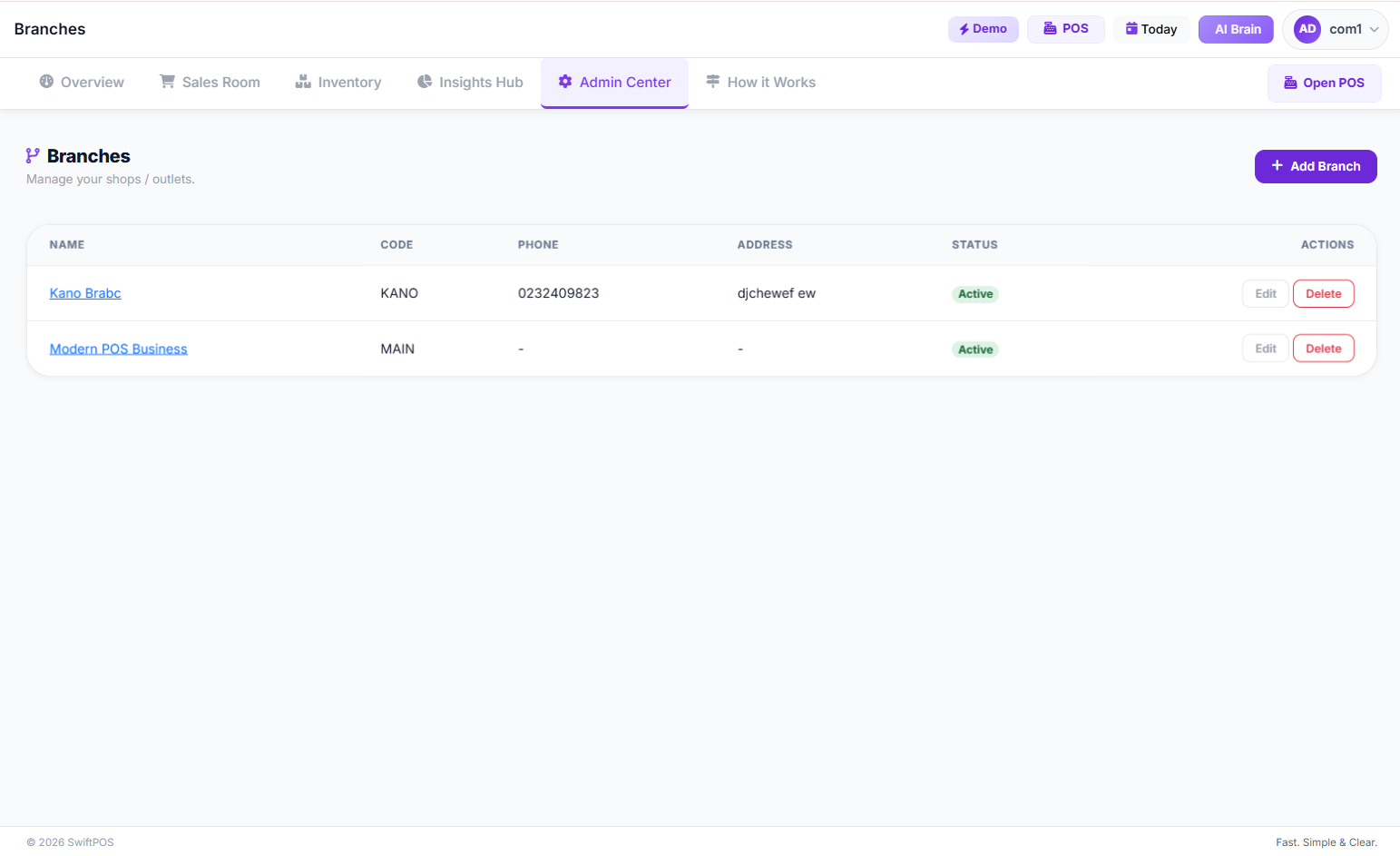 Branch Managemnet List Page
<br>
- Tracking Expenses for True Profit:
<br>
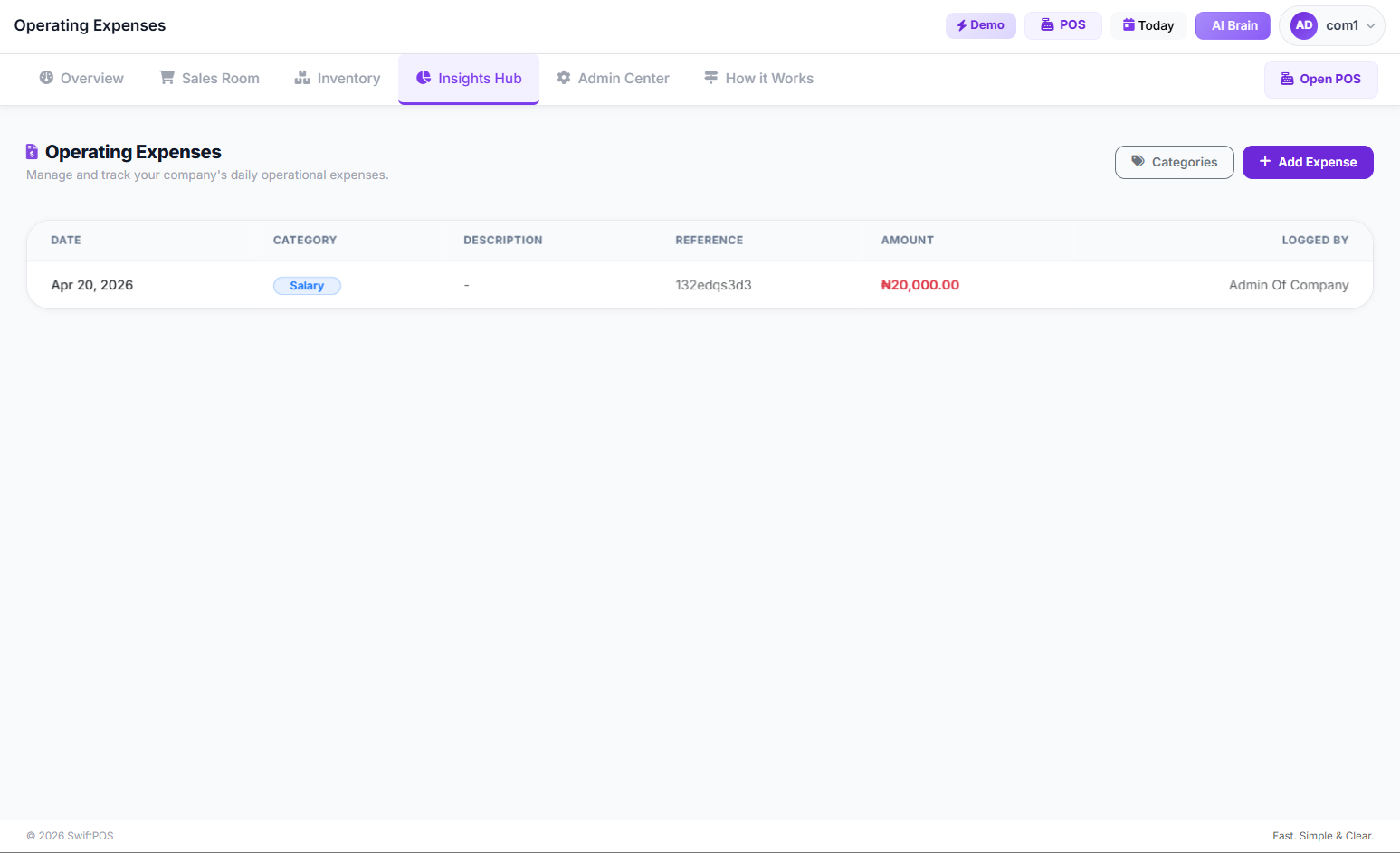 Expenses List mn=anaagement Page
<br>
- Self-Checkout for Efficiency:
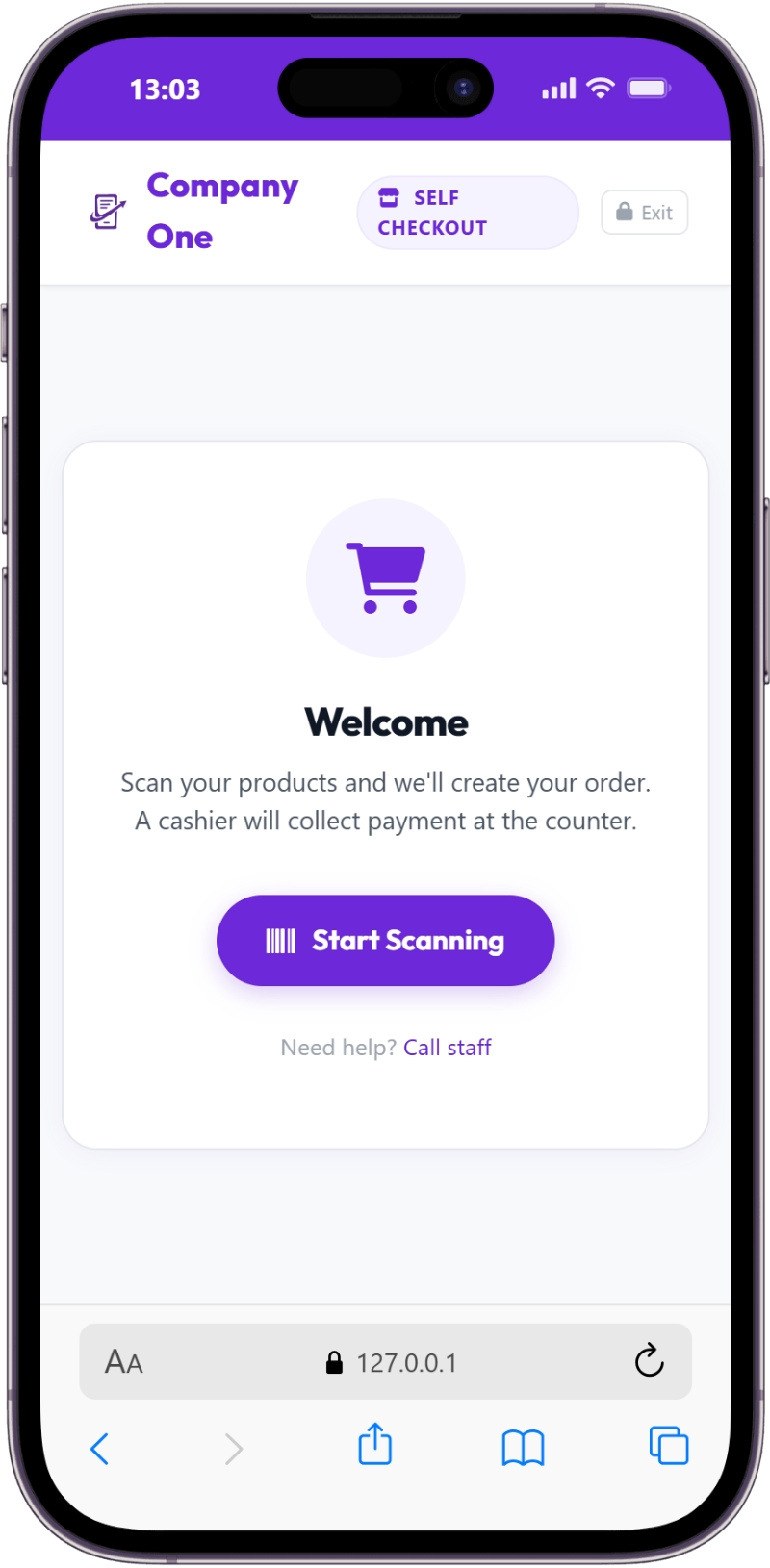 Self Checkout Customer Section - Welcome Screen
<br>
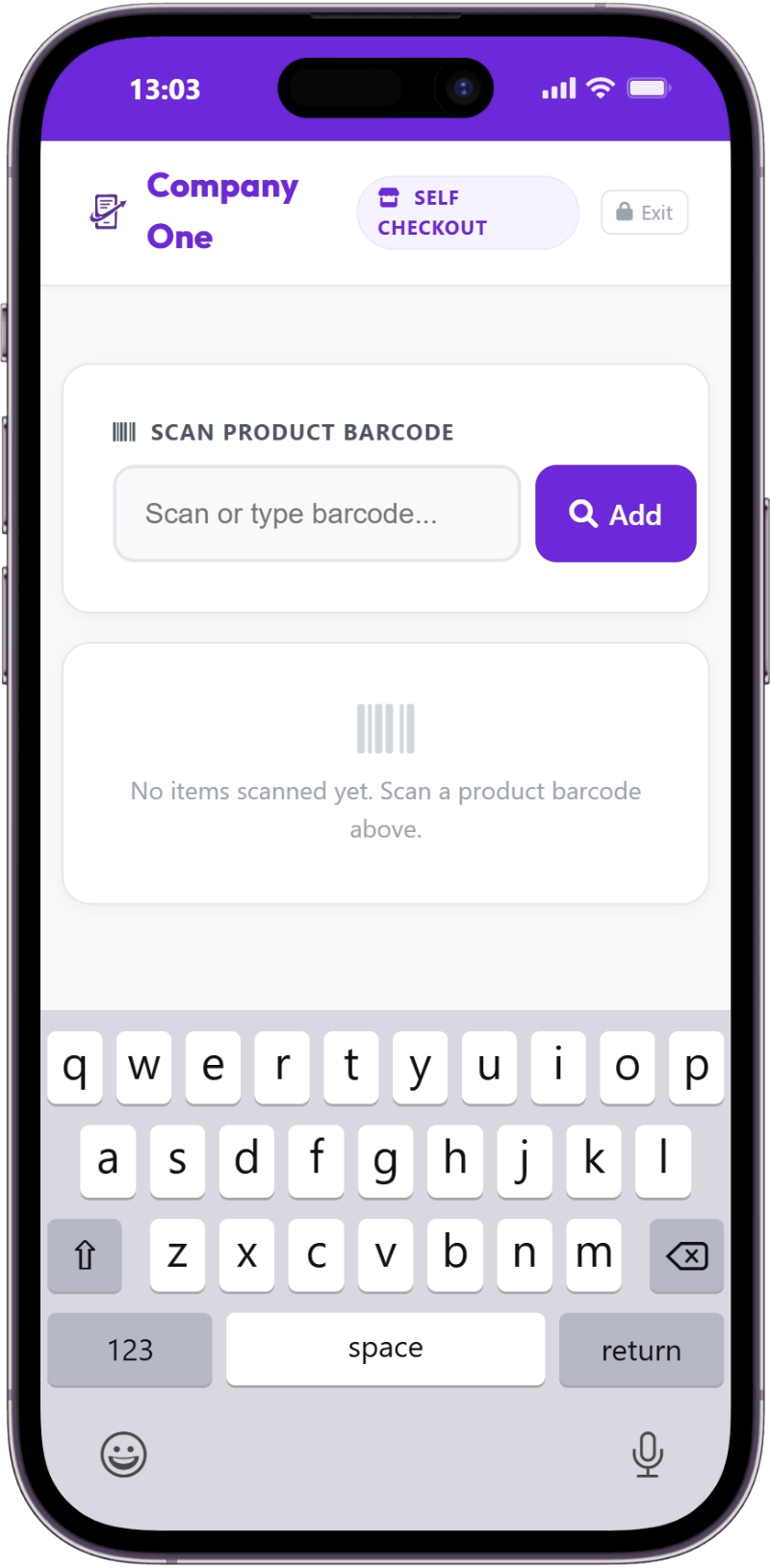 Self Checkout Customer Section - Scan the Items
<br>
The cashier then simply verifies the order and collects payment, as shown in the
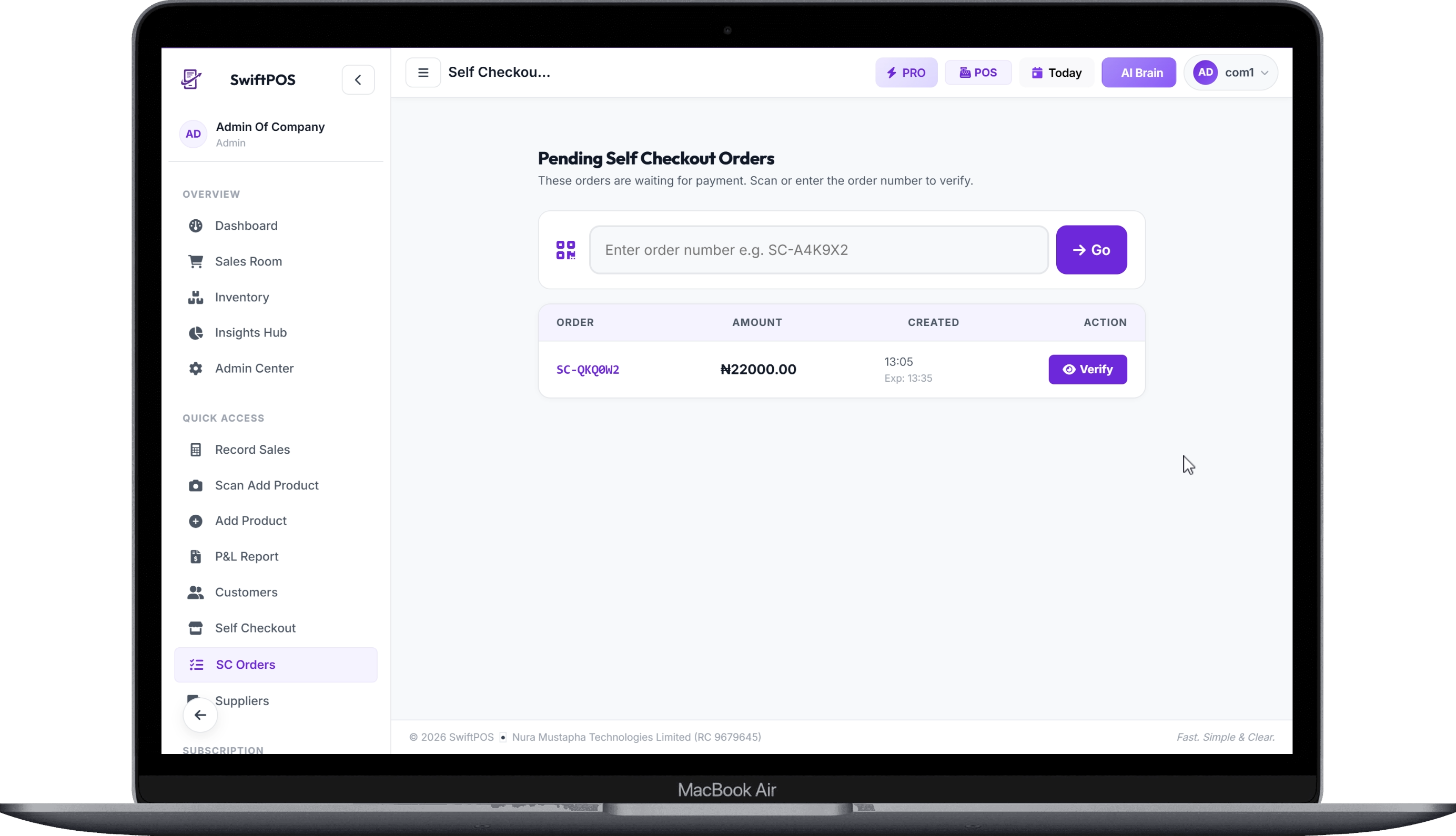 Self Checkout Cashier Section - All pending orders
The Numbers That Change When You Fix This
Let's put some numbers to the improvements you can expect when you implement smart retail inventory planning and use a system like SwiftPOS NG.
Consider a small provision store in Ibadan with an initial stock value of ₦700,000.
- Scenario 1: Manual Tracking & Guesswork
- Dead Stock: 15% of initial stock becomes dead stock (₦105,000 worth of expired or unwanted goods).
- Missed Sales: 10% of potential sales are lost due to stockouts of popular items (e.g., if monthly sales are ₦500,000, you lose ₦50,000).
- Overstocking Costs: Extra storage, potential damage for 5% of stock value (₦35,000).
- Total Monthly Loss: Roughly ₦190,000 (₦105,000 from dead stock amortized over a few months + ₦50,000 missed sales + ₦35,000 carrying costs).
- Scenario 2: With Smart Inventory Management (e.g., SwiftPOS NG)
- Dead Stock: Reduced to 3% (₦21,000).
- Missed Sales: Reduced to 2% (₦10,000).
- Overstocking Costs: Reduced to 1% (₦7,000).
- Total Monthly Loss: Roughly ₦38,000.
This isn't just about theory; it's about real money in your pocket. Knowing exactly how to start a provision store business in Nigeria means knowing these numbers.
> "The difference between a thriving retail business and one struggling to survive often comes down to the efficiency of its inventory management. Stock isn't just products; it's your liquid capital, and how you manage it determines your financial health."
FAQ
Q1: How much initial stock should a small kiosk or tabletop vendor buy in Nigeria?
For a very small setup like a roadside kiosk or market table, your initial stock purchase should typically be between ₦50,000 and ₦200,000. Focus on fast-moving consumer goods like popular snacks, drinks, and essential toiletries. Start with a smaller range, observe what sells quickly, and then reinvest in those specific items. Don't overcommit your capital on untested products.
Q2: What's a reasonable stock budget for a new mini-supermarket or provision store?
For a small neighborhood provision store or mini-supermarket, your initial stock purchase will likely fall between ₦300,000 and ₦1,000,000. This range accounts for a wider variety of goods like staple foods (e.g., a 50kg bag of local rice costs ₦55,000-₦70,000), cooking oil, detergents, and a broader selection of beverages. Remember, this is just for the stock; you'll also have rent, fixtures, and other setup costs. For a full breakdown, check out how much money you need to open a mini supermarket in Nigeria in 2026.
Q3: How often should a new retail store restock its shop inventory?
Initially, you should restock more frequently, perhaps weekly or bi-weekly, to minimize capital tied up in slow-moving items and quickly adapt to customer demand. As you gather sales data and understand your sales velocity, you can move to a more optimized schedule, perhaps bi-weekly or monthly for most items, with daily or every-other-day restocking for extremely fast-moving perishables like bread or fresh drinks. Using a system that gives low stock warnings helps immensely here.
Q4: How can I manage retail inventory planning if I have limited capital?
When capital is tight, focus on high-demand, high-turnover items. Prioritize products with a proven sales record in your area. Negotiate smaller, more frequent deliveries with suppliers to reduce your holding costs. Use a basic system (even a notebook at first, though I strongly recommend a digital solution like SwiftPOS NG) to track every sale and every purchase. This helps you identify what sells and what doesn't, allowing you to optimize your stock budget quickly. Don't forget, you can also explore the SwiftPOS Affiliate Program for additional income streams.
Q5: What's the biggest risk with initial stock for a new business?
The biggest risk is over-purchasing slow-moving or undesirable items. This ties up your limited capital, leads to dead stock, and prevents you from investing in products that actually sell. It can quickly lead to cash flow problems, making it hard to pay for operations or even restock popular items. This is why careful retail inventory planning is paramount from day one.
Stop Letting Money Walk Out the Door
Look, starting a retail business in Nigeria in 2026 is tough. The economy, the competition, the daily challenges – they are real. But you don't have to fight blind. The days of managing your entire business with paper and pen are over if you want to truly thrive. You need proper retail inventory planning and a clear understanding of your stock budget.
Don't let your hard-earned money sit on shelves, spoil, or walk out the door unnoticed. It's time to take control. SwiftPOS NG gives you the tools to see exactly what's happening in your business, from every sale to every stock movement, to your true profit. It's about empowering you, the business owner, to make smart decisions, not guesses.
Ready to see how much easier managing your shop inventory can be?
Start your free 14-day trial with SwiftPOS NG today and turn your busy shop into a truly profitable one.
Written by SwiftPOS Team
Practical guides from the retail specialists at Nura Mustapha Technologies Limited, for modern Nigerian merchants.